Planning a roofing project, whether it’s a full replacement, a small repair, or a DIY tear-off, often starts with one practical question: how much does a bundle of shingles weigh? This question matters because shingle weight affects transportation, labor safety, roof loading, and disposal costs. For most homeowners and contractors, asphalt shingles are the standard choice, and their weight plays a major role in planning.
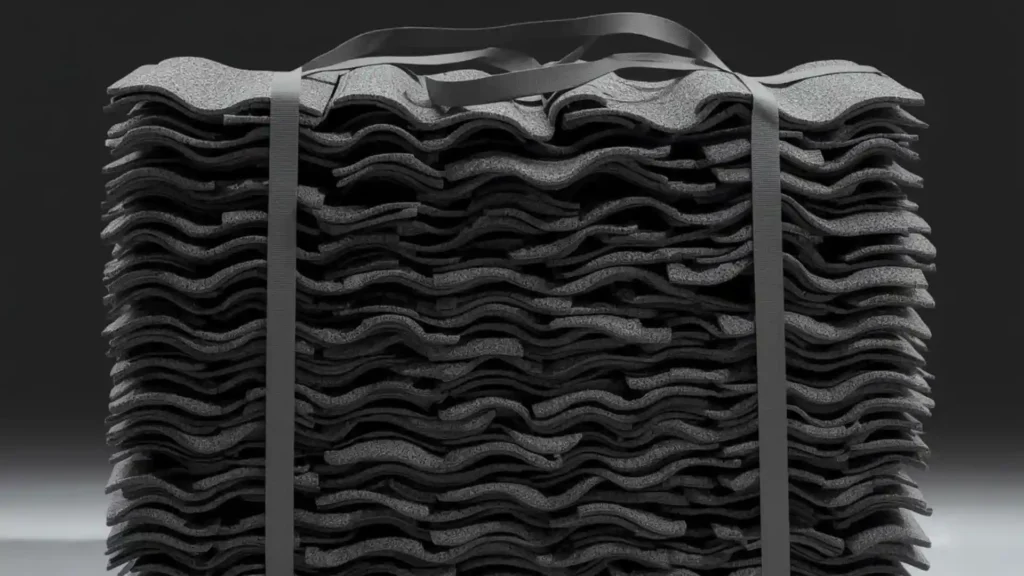
In general, most asphalt shingle bundles weigh between 50 and 80 pounds. While this sounds straightforward, the actual weight can vary depending on shingle type, thickness, quality level, and manufacturer. Understanding these differences helps prevent overloading trucks, underestimating labor, or facing unexpected dumpster fees.
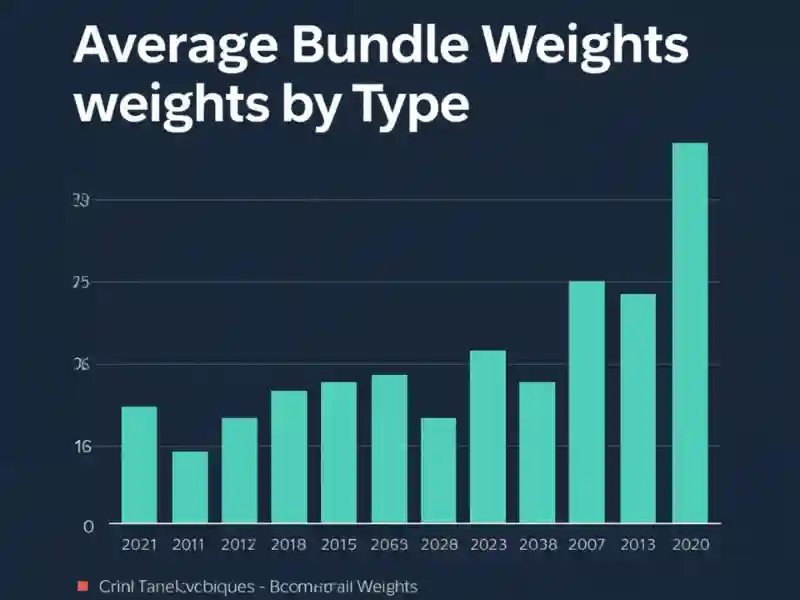
Quick Answer: Average Bundle Weights by Type
Shingle weight varies significantly based on the material used. Standard 3-tab asphalt shingles usually weigh between 50 and 65 pounds per bundle, making them easier to handle and transport. Architectural or dimensional asphalt shingles are thicker and heavier, typically weighing 65 to 80 pounds per bundle.
Heavier roofing materials weigh much more. Clay tile bundles commonly range from 200 to 300 pounds, while slate shingles can exceed 300 pounds per bundle. Steel roofing panels, depending on gauge and size, usually fall between 50 and 100 pounds per bundle. Because asphalt shingles are the most common residential option, homeowners often ask how much does one bundle of shingles weigh before purchasing materials.
What Affects Bundle Weight?
Several factors influence the final bundle of shingles weight, even when the shingles appear similar. One of the biggest factors is the type and thickness of the shingle. Architectural shingles contain multiple layers, making them heavier than traditional 3-tab shingles.
Another major factor is the quality and warranty level. Shingles designed for 30-year or lifetime warranties use more asphalt and granules, increasing weight per bundle. Manufacturer differences also matter, as packaging methods and material density vary by brand. Additionally, the number of shingles included in each bundle affects weight, since some manufacturers reduce bundle count per square by making each bundle heavier.
Understanding Roofing Squares vs Bundles
Roofing materials are commonly measured in squares, not just bundles. A roofing square represents 100 square feet of roof coverage. Most asphalt shingles are packaged so that three bundles equal one roofing square, although this can vary slightly by manufacturer.
This is why many people ask how much does a square of shingles weigh. For example, if one bundle weighs 60 pounds, a full square weighs about 180 pounds. If each bundle weighs 75 pounds, one square weighs roughly 225 pounds. From this, homeowners can estimate asphalt shingles weight per square foot, which usually ranges from about 2 to 2.5 pounds per square foot.
Practical Weight Calculations for Your Project
Calculating total roof weight helps determine delivery needs, labor requirements, and disposal costs. To estimate total weight, start by measuring your roof’s square footage. Divide that number by 100 to get the total number of roofing squares. Then multiply the number of squares by the average weight per square for your chosen shingle type.
For example, a 2,400-square-foot roof equals 24 squares. If architectural shingles weigh approximately 225 pounds per square, the total shingle weight will be about 5,400 pounds. These calculations are essential when deciding whether your vehicle can handle the load or if multiple deliveries are required.
Multiple Roofing Layers and Tear-Off Weight
If your roof already has shingles installed, tear-off weight must also be considered. Many older homes have two layers of shingles, which significantly increases disposal weight. Each layer can weigh hundreds of pounds per square, adding up quickly during removal.
For instance, removing 20 squares of old shingles at roughly 200 pounds per square results in 4,000 pounds of waste material. This makes understanding how much does a pallet of shingles weigh and how much debris you’ll generate critical when selecting dumpster sizes.
Weather Impact on Shingle Weight
Weather conditions can affect shingle weight more than many people realize. Shingles that have absorbed rainwater can weigh noticeably more than dry bundles. This extra moisture increases lifting strain and can affect truck payload limits.
Cold weather also impacts handling. While the weight may not increase significantly, shingles become stiffer and harder to maneuver, increasing fatigue and injury risk. Planning around weather conditions is essential for safety and efficiency.
Transportation Considerations
Transportation planning is directly tied to shingle weight. Most half-ton pickup trucks safely carry between 1,500 and 2,000 pounds, including passengers and tools. Exceeding this limit can damage suspension components and reduce braking performance.
Using trailers instead of truck beds often allows better weight distribution and reduces vehicle wear. Knowing how much does a bundle of shingles weigh before loading helps prevent overloading and transportation issues.
Dumpster Size and Disposal Costs
Dumpster rental companies often base pricing on weight limits. Smaller dumpsters may work for minor repairs, while full roof replacements usually require 20-yard or 30-yard dumpsters. Underestimating debris weight can result in overage charges that significantly increase project costs.
Accurate shingle weight calculations help avoid both undersized dumpsters and unnecessary fees, making disposal planning more predictable.
Safety Considerations When Handling Shingles
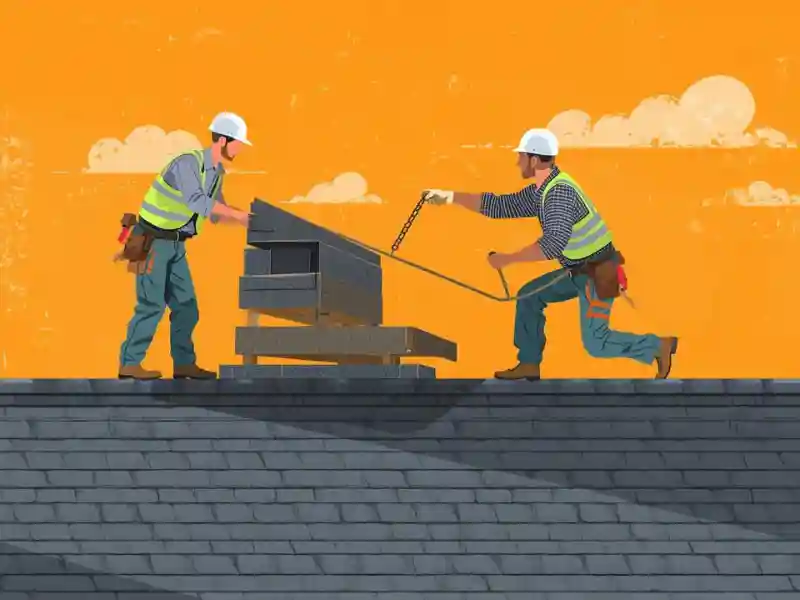
Roofing materials involve repetitive heavy lifting, which increases the risk of injury. Proper lifting techniques, team lifting for heavier bundles, and limiting rooftop stacking are all critical safety measures. Carrying bundles up ladders without assistance or exceeding safe load limits can lead to serious accidents.
Understanding shingle weight isn’t only about logistics it directly affects worker safety and job efficiency.
Why Virginia Beach Homeowners Choose Reitzel Roofing & Exteriors
When it comes to precision projects like installing Schluter trim, attention to detail and craftsmanship matter. Reitzel Roofing & Exteriors is proud to be Virginia Beach’s trusted choice for exterior and interior remodelling, offering quality, professionalism, and long-term results.
Experienced Professionals
Our expert installers understand that every detail counts. Whether we’re working on roofing, siding, or intricate tile installations, our precision-driven approach ensures flawless outcomes every time.
Locally Trusted Craftsmanship
As a Virginia Beach company, we understand that the region’s coastal environment, humidity, salt air, and temperature swings can all affect materials. We use premium products and installation methods that stand up to the elements.
Quality Materials and Finishes
We partner with top manufacturers like Schluter, CertainTeed, and James Hardie to deliver projects that blend durability and beauty. Our siding, roofing, and interior finish work are built to last—and look stunning for years.
Transparent Pricing and Communication
From your first consultation to the final walkthrough, our process is transparent and client-focused. We provide detailed estimates, clear timelines, and no hidden costs—so you always know exactly what to expect.
Full-Service Exterior and Interior Solutions
Reitzel Roofing & Exteriors offers comprehensive home improvement solutions
roofing, siding, gutters, decks, and tile installations. Whether you need a small repair or a full renovation, our team delivers cohesive design and exceptional craftsmanship.
Proven Reputation for Excellence
Our clients trust us for reliable results and outstanding service. With five-star reviews and repeat customers across Hampton Roads, we’ve built our reputation on integrity and skill.
If you’re also planning exterior upgrades, be sure to check out our guide on roof replacement in Virginia Beach for expert tips and local insights.
Final Thoughts
So, how much does a bundle of shingles weigh? In most residential roofing projects, asphalt shingle bundles weigh between 50 and 80 pounds, with architectural shingles being heavier than standard 3-tab shingles. When combined with roofing square calculations, tear-off weight, and weather considerations, this knowledge allows for better planning and safer execution.
Knowing shingle weight helps homeowners and contractors avoid transportation issues, control disposal costs, and reduce injury risks. If you’re unsure about calculations or material selection, consulting a professional roofer before starting your project can save time, money, and effort.
Join Our Community
Join our community on Facebook, and don’t forget to subscribe to us on YouTube for new content each week.
FAQs
1. How much does a bundle of shingles weigh on average?
Most asphalt shingle bundles weigh between 50 and 80 pounds, depending on type, thickness, and manufacturer.
2. How many bundles of shingles are in a roofing square?
Typically, three bundles of asphalt shingles make up one roofing square, which equals 100 square feet.
3. How much does a square of shingles weigh?
A roofing square usually weighs between 180 and 225 pounds, depending on whether the shingles are 3-tab or architectural.
4. Do wet shingles weigh more than dry shingles?
Yes, rain-soaked shingles absorb moisture and can weigh several pounds more per bundle than dry shingles.
5. Why is shingle weight important for roofing projects?
Shingle weight affects transportation limits, labor safety, roof loading, and disposal costs during a roofing project.