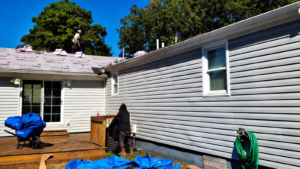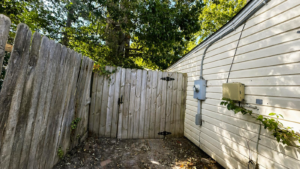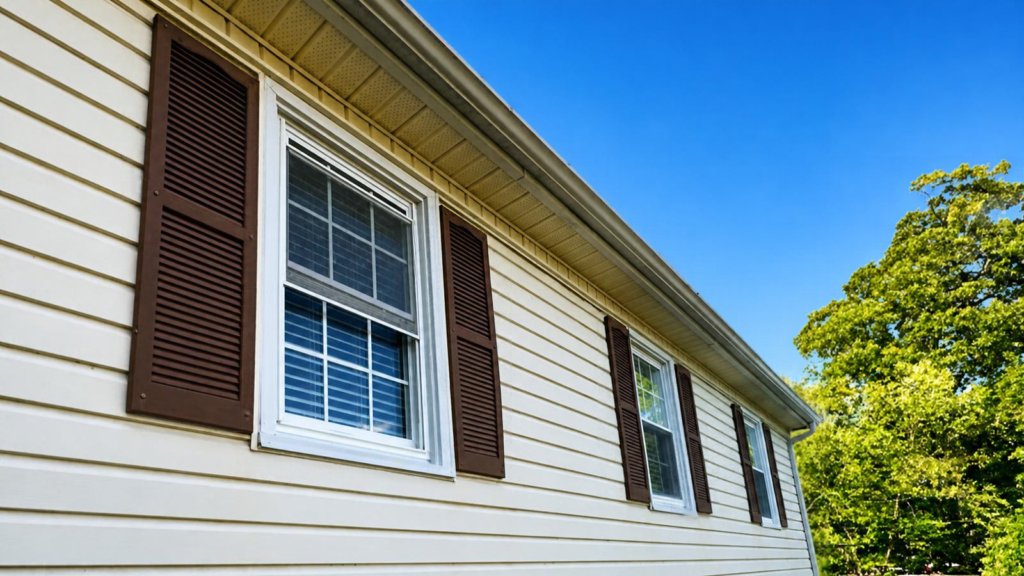
The siding looks clean. The windows open. The paint around the trim looks fresh.
So everything must be fine, right?
Not necessarily.
Some of the most expensive exterior problems on a home begin in places you cannot easily see, especially where siding meets windows. A tiny gap in flashing, deteriorated trim, or years of water slipping behind the siding can quietly damage wood around a window long before a brown stain appears inside.
For home buyers, window frame damage Virginia Beach properties may be hiding deserves more than a quick glance during a showing. Virginia Beach homes deal with humidity, heavy rain, coastal storms, strong wind, and repeated exposure to moisture. When the details around a window are not working properly, those conditions can turn a minor exterior weakness into rotted framing, damaged sheathing, deteriorated insulation, or interior repairs.
That is why a siding problem may actually be a window problem, and what appears to be window damage may have started somewhere above it.
If you are purchasing a home in Virginia Beach, here is how to spot the clues before someone else’s hidden moisture problem becomes yours.
Why Siding Can Hide More Than You Think
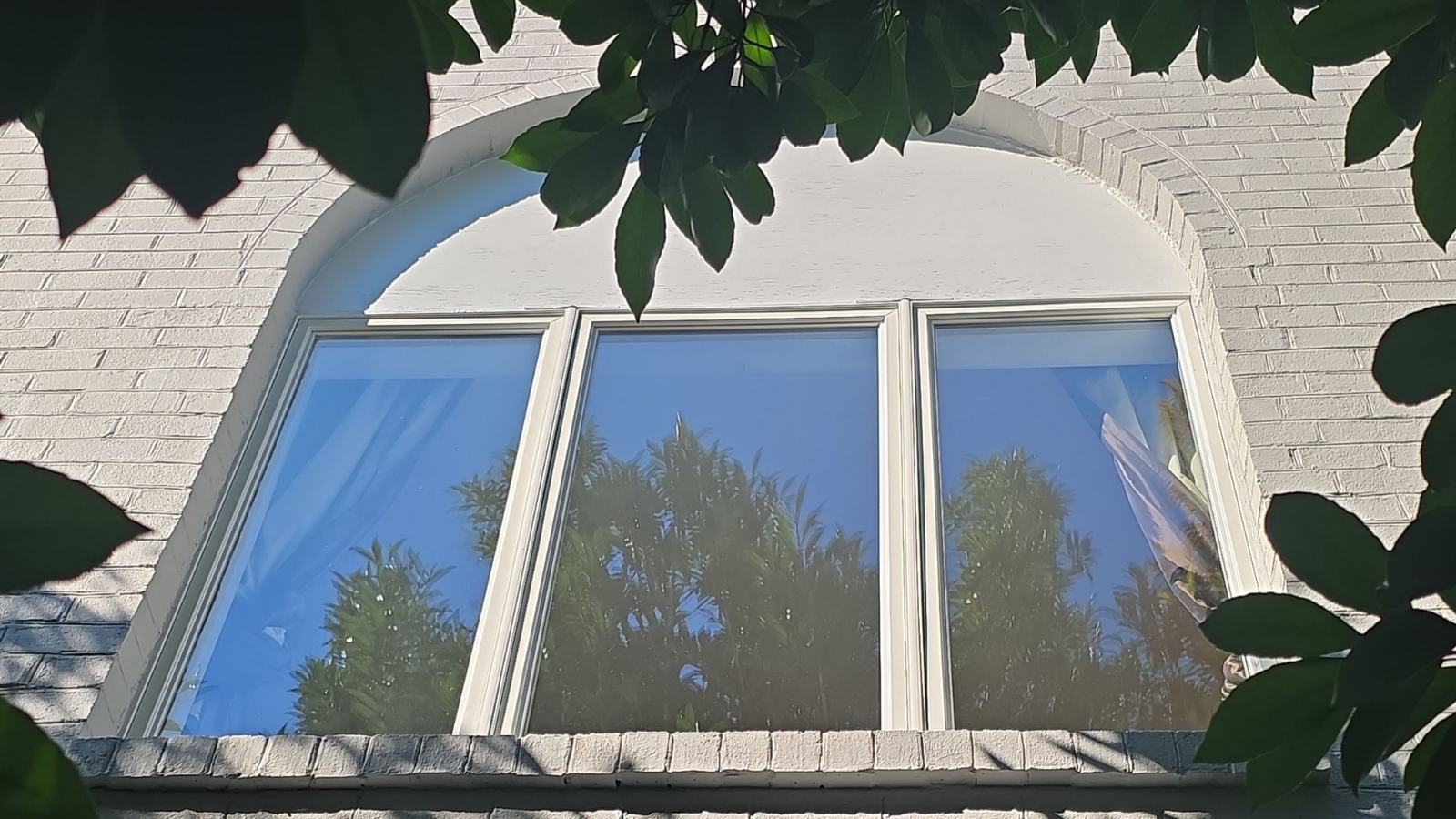
Siding is designed to protect the exterior while giving the home its finished appearance, but siding alone is not supposed to be the home’s only defense against water.
Behind many siding systems sits a water-resistive barrier, commonly called a WRB, along with flashing around windows and other openings. These concealed components are meant to help manage any moisture that gets beyond the visible exterior.
That point matters because rain does not always stay on the face of the siding.
Virginia’s Weatherization Field Guide notes that building professionals assume some rainwater can penetrate exterior siding and identifies the water-resistive barrier as an important final defense against that water. It also emphasizes that window installations should be integrated with the home’s water-resistive barrier so water can be directed back outside rather than into the wall.
When those hidden details fail, the siding may continue looking perfectly acceptable.
That is how window frame damage Virginia Beach home buyers never expected can develop behind an otherwise attractive exterior.
The Problem Usually Starts at a Transition
Large uninterrupted sections of siding are generally easier to manage because water can move downward across the surface.
Windows interrupt that pattern.
Every window creates several transitions: the top, both sides, the sill, trim joints, siding cuts, fasteners, flashing, and the connection to the weather-resistant materials behind the wall.
Each transition has to work with the others.
If the head flashing is poorly installed, water can enter above the window. If side flashing is incomplete, moisture may work behind the trim. If the sill cannot drain properly, water can sit around wood components and slowly cause deterioration.
The problem may begin with an opening no wider than a credit card.
Years later, the homeowner sees peeling paint inside and wonders where the water came from.
That is why evaluating window frame damage Virginia Beach homes may show requires looking beyond the glass itself.
Start With the Top of the Window, Not Just the Bottom
When people notice moisture near a window, they naturally look at the sill because that is where water often becomes visible.
The actual entry point may be higher.
Water can enter at the top of a window, travel behind siding or trim, move down the wall cavity, and eventually collect near the lower frame.
Look closely at the horizontal area directly above windows.
Is there proper flashing?
Does the trim appear swollen?
Has someone repeatedly caulked the same seam?
Is there discoloration below a second-story window?
Does one section of siding appear newer than the material surrounding it?
These clues do not automatically prove hidden rot, but they give you a reason to investigate.
For a home buyer, identifying window frame damage Virginia Beach properties may have before closing provides an opportunity to understand whether the issue is simple maintenance or evidence of a bigger exterior moisture problem.
Fresh Caulk Can Be Helpful, or It Can Be a Clue
Caulk has an important job around many exterior openings.
The problem begins when sealant is used as the entire water-management strategy.
Caulk ages.
It can shrink, crack, separate, and lose adhesion as the materials around it move through seasonal temperature changes.
If you see one clean, intentional sealant joint, that may simply be normal maintenance.
If you see thick layers of caulk repeatedly smeared over the same window corner, pay attention.
That could indicate someone has been chasing a recurring leak.
One of the easiest mistakes for homeowners to make is applying another layer of sealant without determining why moisture is appearing in the first place.
Sometimes the leak is not occurring through the visible gap at all.
It may be entering behind the siding higher on the wall.
Soft Trim Is One of the Biggest Red Flags
Exterior trim around a window should feel solid.
Wood that feels soft, flakes apart, crumbles when touched, or appears swollen deserves additional attention.
Rot often develops where moisture remains trapped long enough for wood components to deteriorate.
Look particularly closely at lower corners of window trim, sill areas, horizontal ledges, and spots where several exterior materials meet.
Fresh paint can make deteriorated wood look surprisingly good from a few feet away.
That is why buyers should inspect more closely rather than relying on listing photos.
Visible trim deterioration does not necessarily mean the structural window frame behind it is damaged. But it does tell you moisture has been affecting that area.
When evaluating possible window frame damage Virginia Beach buyers should determine how far the deterioration extends rather than assuming the visible trim is the entire problem.
Siding That Looks Warped Around a Window Deserves Attention
Step back and look across the exterior wall from an angle.
Do siding courses remain straight as they pass the windows?
Does one section bow outward?
Do vinyl panels ripple or buckle near an opening?
Has fiber cement begun separating or cracking?
Visible siding distortion can have several causes, including installation issues, heat exposure, material movement, or problems underneath the cladding.
It does not automatically indicate a rotten wall.
But when distortion appears alongside staining, soft trim, repeated caulking, or interior moisture, the combination becomes more important.
A professional siding inspection can help determine whether the visible exterior problem is isolated to the cladding or connected to deeper moisture damage.
The Sill Is Where Moisture Often Leaves Evidence
Window sills deserve special attention because water naturally moves downward.
Look at both the exterior and interior sill.
Outside, watch for peeling finishes, cracked trim, swollen materials, gaps, discoloration, or exposed wood.
Inside, look for staining at lower window corners, bubbling paint, damaged drywall, peeling finishes, or flooring damage directly below the window.
Run your hand lightly over accessible trim.
Does anything feel unusually soft?
Does the area have a musty odor?
Does the paint look much newer around one window than everywhere else?
Those details can tell a story.
A small interior stain may be old and inactive, or it may be the visible end of an active leak. The important thing is not to assume which one it is.
What Common Warning Signs May Mean
| What You Notice | Possible Cause | Why It Matters | What a Buyer Should Ask |
| Soft exterior window trim | Repeated moisture exposure or wood deterioration | Damage may extend behind visible trim | Has the source of moisture been identified? |
| Heavy caulk around the window | Previous leak or repeated patching | Sealant may be hiding an unresolved problem | Why has this area been resealed multiple times? |
| Staining below a window | Runoff, failed flashing, or drainage issue | Water may be entering behind siding | Is the staining active or historic? |
| Warped siding near the opening | Improper installation, heat, or underlying damage | Wall conditions may require closer evaluation | Has the siding ever been removed in this area? |
| Peeling interior paint | Condensation or water intrusion | Moisture may be affecting drywall or framing | Does it happen after heavy rain? |
| Swollen interior sill | Repeated moisture exposure | Window components may be deteriorating | Has the window leaked previously? |
| Different siding around one window | Past repair or replacement | May reveal previous damage | What work was performed and why? |
| Musty odor near exterior wall | Persistent moisture | Hidden materials may not be drying properly | Should the wall cavity be investigated? |
This is why window frame damage Virginia Beach homeowners notice should be considered in context.
One symptom alone may be relatively minor.
Several symptoms occurring in the same location deserve a much closer look.
Window Flashing Is Often Invisible Once the Home Is Finished
One of the frustrating things about buying a home is that some of the most important workmanship disappears once construction is complete.
Window flashing is a perfect example.
Proper flashing helps direct water away from the opening and integrate the window into the water-management system behind the siding.
Once siding and trim are installed, much of that work is hidden.
You usually cannot look at a finished house and know exactly how every layer was installed.
What you can look for are symptoms.
Recurring stains, deteriorated trim, obvious patching, water marks, swelling, or repeated repairs can suggest that something in the drainage or flashing system deserves closer attention.
Virginia’s own weatherization guidance stresses the importance of connecting window flashing to the water-resistive barrier specifically so water that reaches behind siding or trim has a path back out of the building.
For buyers researching window frame damage Virginia Beach homes may have, that is an important distinction.
The goal is not simply keeping rain off the window.
It is making sure the entire wall can manage water.
Interior Clues Can Be Easier to Spot Than Exterior Damage
Do not inspect the windows only from outside.
Walk through the rooms and study the walls around them.
Pay particular attention after heavy rain if timing allows.
Stains around upper corners may point toward water entering above the opening. Damage near the sill may indicate water collecting lower in the assembly. Peeling paint, bubbling drywall, cracked trim joints, or discolored flooring may provide additional clues.
Condensation can cause moisture symptoms too, so an interior stain does not automatically prove exterior leakage.
That is where diagnosis matters.
A professional needs to consider when the moisture occurs, where the staining appears, the window’s condition, exterior details, surrounding siding, and other possible sources.
The wrong diagnosis can lead to the wrong repair.
Do Not Forget the Wall Above the Window
Sometimes the window gets blamed for water it did not cause.
Imagine a second-story roof-to-wall transition above a first-story window.
If flashing near the roof leaks, water can travel down inside the wall and become visible around the window below.
The homeowner assumes the window is leaking.
They replace the window.
The leak returns.
Why?
Because the source was never the window.
Gutters can cause similar confusion. An overflowing gutter may dump water repeatedly onto the wall above an opening. Damaged siding higher on the elevation can also allow moisture behind the cladding.
A thorough evaluation of window frame damage Virginia Beach homes show should therefore include the exterior above and around the window, not just the window unit itself.
At Reitzel Roofing & Exteriors, that bigger-picture approach matters because roofing, gutters, siding, trim, and windows do not operate independently.
Water connects all of them.
Landscaping Can Quietly Contribute to Exterior Moisture
Dense shrubs pressed against the wall can keep siding and window trim damp longer after rain.
Sprinklers may repeatedly spray the same exterior surface.
Vines can trap moisture and make inspection difficult.
Mulch or soil that sits too high against lower siding sections can also contribute to moisture exposure.
These conditions may not cause a flashing failure, but they can make drying more difficult or conceal deterioration.
When touring a property, look behind landscaping whenever practical.
A manicured shrub can hide a surprisingly rough section of siding.
Older Virginia Beach Homes Deserve Different Questions
Age alone does not make a window bad.
Many older windows continue functioning well because they were installed correctly and maintained carefully.
The better questions are about history.
Are the windows original?
Has the siding been replaced since the windows were installed?
Were windows replaced while the old siding remained?
Has the house had multiple renovations?
Were there previous leaks?
Have trim boards been replaced?
Has one side of the home received substantially more repair work than another?
These questions matter because exterior work performed at different times has to be integrated correctly.
For example, replacing siding around an older window can disturb flashing details. Replacing a window inside existing siding also requires careful water management.
A house that has undergone several exterior renovations is not necessarily a problem.
It simply has more history to understand.
New Windows Do Not Automatically Mean the Problem Is Solved
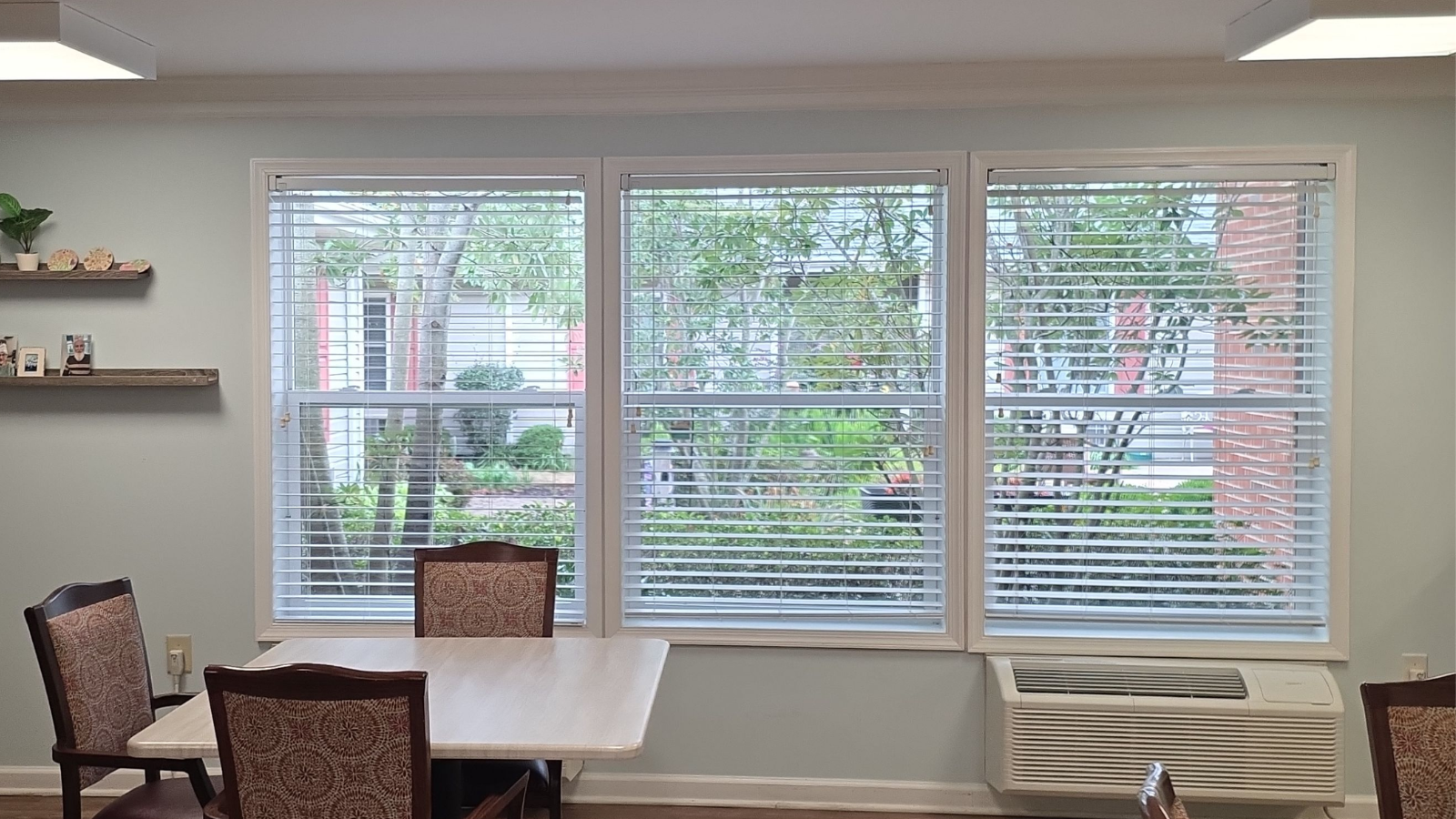
A seller may proudly tell you that the home has replacement windows.
That sounds reassuring, and often it is a valuable upgrade.
But ask how they were installed.
The City of Virginia Beach lists replacement of windows or exterior doors when frames or jambs are altered among residential work requiring permits. The city’s residential permitting page also lists siding replacement as permit-required work and explains the associated inspection process.
That makes permit history useful when significant exterior renovations were recently completed.
If a Virginia Beach home has obviously newer windows surrounded by newer siding, ask the seller for available invoices, warranties, contractor information, and permit documentation where applicable.
Those records can help answer questions that the finished wall cannot.
For window frame damage Virginia Beach buyers are trying to rule out, a documented installation history can provide helpful context.
Your Home Inspector Is Supposed to Look at These Areas, but There Are Limits
Virginia’s minimum standards for home inspection reports specifically include readily accessible exterior wall covering, flashing, trim, doors, and windows. The standards also explain that a home inspection is a visual evaluation of accessible conditions and is not intended to function as a guarantee or warranty.
That distinction is extremely important for buyers.
Your inspector may identify soft trim, visible staining, deteriorated siding, loose caulk, damaged windows, or signs of previous moisture.
But the inspector generally cannot see through intact siding or finished interior walls.
Virginia’s standards even recognize that inspection contracts may exclude conditions that are not readily accessible.
So if an inspection report says something like “evidence of moisture deterioration around rear window, recommend further evaluation,” do not translate that into “the inspector already checked everything and it is probably fine.”
That recommendation may be telling you the visible symptoms are only the beginning of the investigation.
For suspected window frame damage Virginia Beach home buyers may benefit from a focused exterior evaluation before closing.
Fresh Paint Around One Window Should Make You Curious
Fresh paint is not evidence of wrongdoing.
People maintain their homes.
Trim gets repainted all the time.
But if one window has brand-new paint while every other window looks weathered, ask why.
Maybe the previous paint was simply peeling.
Maybe a piece of trim was replaced.
Maybe there was a leak.
The answer could be completely harmless.
The point is to notice inconsistency.
Home buying is often about asking the right follow-up question rather than assuming the worst.
What Happens When Moisture Gets Behind the Siding?
Once water enters the wall, the visible siding may tell you very little about what happens next.
Moisture can reach sheathing, wood framing, insulation, interior drywall, and window components.
How serious the situation becomes depends on how much water enters, how often it happens, whether the materials can dry, and how long the condition has been present.
A one-time leak discovered quickly is very different from repeated wetting over several years.
That is why window frame damage Virginia Beach homeowners discover should be evaluated for cause and extent.
Replacing one piece of rotten trim while leaving an active water-entry point untouched is not a complete repair.
Neither is installing new siding over deteriorated sheathing without understanding why it deteriorated.
Rot Does Not Always Look Dramatic
Homeowners sometimes imagine rotten wood as completely black, crumbling material.
Early deterioration may look far less dramatic.
Paint may bubble.
A trim board may feel slightly soft.
A corner may swell.
A fastener may no longer hold tightly.
Wood beneath the visible surface may be significantly worse than the exterior suggests.
This is why poking aggressively at materials yourself is not a great inspection strategy, especially on a home you do not yet own.
Instead, document the condition and have the appropriate professional evaluate it with the seller’s permission during your inspection period.
Termites and Moisture Can Complicate the Picture
Moist wood conditions can also make an exterior wall more vulnerable to other forms of deterioration.
However, roofing and siding contractors are not substitutes for licensed pest professionals when insect activity is suspected.
If deteriorated framing is discovered and there are signs of wood-destroying organisms, a separate pest evaluation may be appropriate.
The important lesson for buyers is not to assume all soft wood has the same cause.
Water, insects, age, installation defects, and combinations of those factors can produce similar-looking symptoms.
Accurate diagnosis matters before repairs begin.
Repair the Window, the Siding, or Both?
There is no universal answer.
If the window itself is functioning properly and the problem is limited to exterior trim or flashing, the repair may be relatively focused.
If the frame is deteriorated, replacement may be more practical.
If water has damaged sheathing behind the siding, sections of cladding may need to be removed to reach the affected material.
If the underlying problem is farther above the opening, correcting the window alone may accomplish nothing.
This is where homeowners benefit from treating the exterior as one system.
A contractor evaluating window frame damage Virginia Beach properties have should try to answer three questions:
Where is the water entering?
What has been damaged?
What needs to change so it does not happen again?
Those answers matter far more than simply deciding whether to buy new windows.
Repair vs. Replacement Should Be Based on Condition
One soft piece of trim does not mean every window needs replacement.
Likewise, replacing one visibly damaged board may not be enough if moisture has spread behind the wall.
The smartest repair is based on the actual condition uncovered.
Localized trim deterioration may call for a localized repair and correction of the moisture source.
Failed flashing may require siding removal around the opening so the water-management detail can be reconstructed correctly.
A severely deteriorated frame may justify window replacement.
Widespread exterior damage may require a more comprehensive siding and window plan.
For home buyers considering window frame damage Virginia Beach properties may have, knowing the likely scope before closing can help turn an intimidating inspection note into something much easier to plan for.
Why This Matters More When You Are Buying the Home
Current homeowners have the benefit of history.
They know whether a stain appeared last month or has been there for ten years.
They remember which window leaks during a hard northeast rain.
They know whether the siding was repaired after a storm.
A buyer usually has none of that context.
You get a few showings, a seller disclosure, an inspection, and whatever documentation is available.
That makes visible clues more important.
If you notice repeated patching, fresh trim, interior stains, soft materials, or inconsistent siding, ask questions during your due-diligence period.
The goal is not to turn every small defect into a reason to walk away.
Homes require maintenance.
The goal is to know what you are agreeing to maintain.
Why Reitzel Roofing & Exteriors Looks Beyond the Obvious
At Reitzel Roofing & Exteriors, we understand how frustrating exterior leaks can be.
The place where water appears is not always the place where water enters.
That is why we look at surrounding siding, trim, flashing, rooflines, gutters, penetrations, drainage patterns, and other exterior details when they may contribute to the problem.
With window frame damage Virginia Beach homeowners are concerned about, simply replacing visible trim without understanding the source can mean paying to repair the same area again later.
We believe homeowners deserve a straightforward explanation of what is visible, what may require further investigation, and which repair makes sense based on the condition of the home.
Especially when you are purchasing a property, clarity matters more than pressure.
You do not need someone telling you every imperfection requires a complete exterior remodel.
You need to know what deserves attention now, what can be maintained, and what could become more expensive if ignored.
Before You Close, Look at the House One More Time
Before your inspection period ends, walk around the home differently than you did during the first showing.
Forget curb appeal for a few minutes.
Look at each window.
Study the trim.
Follow the siding courses.
Look above every opening.
Look at gutters.
Check roof-to-wall transitions.
Walk inside and examine the sill and drywall around the same windows.
If something looks different from the rest of the house, ask why.
That ten-minute walk may reveal questions you never thought to ask when you first fell in love with the kitchen.
And if there is possible window frame damage Virginia Beach buyers should know about, discovering it before closing gives you something every homeowner wants:
Options.
You can investigate.
You can understand the repair.
You can budget.
You can ask for documentation.
And most importantly, you can make your purchase knowing far more about the home than you did from the listing photos.
Frequently Asked Questions
1. How can I tell if a Virginia Beach window has frame damage or just needs a new caulk?
Caulk deterioration usually appears as cracking, separation, or small gaps along joints where sealant was intended to be used, while deeper damage may involve soft wood, swelling, loose trim, staining, warped materials, or repeated moisture inside the home. If the window itself remains solid and the surrounding materials are dry and intact, maintenance may be fairly straightforward. However, if the same area has been caulked multiple times, the trim feels soft, paint keeps peeling, or interior staining returns after heavy rain, the issue deserves more than another tube of sealant. When investigating window frame damage Virginia Beach homeowners should focus on why moisture is reaching the area rather than simply covering the visible gap, because failed flashing or water entering higher on the wall may be the true source.
2. Can siding really hide serious damage around a window?
Yes, because siding covers much of the wall assembly that would otherwise be visible. Water can enter at a poorly flashed opening and affect sheathing, framing, insulation, or window components while the siding remains relatively normal from the outside. That does not mean every stain or loose panel is hiding major rot, but it explains why contractors pay attention to combinations of clues such as soft trim, interior staining, warped siding, repeated repairs, musty odors, and deteriorated lower corners. Virginia’s Weatherization Field Guide specifically emphasizes integrating windows with the water-resistive barrier so water reaching behind siding has a way to drain back outside, which shows how important the concealed layers of an exterior wall really are.
3. Should I replace a window if there is water damage around it?
Not automatically. The first step is determining whether the window itself is failing or whether the water is coming from flashing, siding, a roof-to-wall transition, gutter overflow, or another exterior source. A perfectly functional window can sit inside a wall with damaged flashing, just as a failing window can sometimes be surrounded by otherwise healthy siding. If only exterior trim has deteriorated, repair may be possible without replacing the window. If the frame itself is badly damaged, replacement may make more sense. If the wall sheathing has deteriorated, the repair could involve removing siding around the opening as well. A professional evaluation should identify the source and extent of damage before recommending replacement.
4. Will a regular home inspection catch hidden window and siding moisture damage?
A Virginia home inspector is required to evaluate readily accessible exterior components including wall covering, flashing, trim, doors, and windows, but a standard inspection is primarily visual and cannot guarantee the condition of materials concealed behind intact finishes. Virginia regulations specifically describe home inspection reports as evaluations of readily accessible components and recognize limitations involving inaccessible conditions. If your inspection report identifies staining, soft trim, visible deterioration, unusual siding repairs, or possible moisture intrusion, that may be a reason to arrange a more focused evaluation rather than assuming everything hidden behind the siding is fine. The home inspector’s job is often to recognize the clue; further investigation may be needed to determine the cause and repair scope.
5. What should I do if I discover possible window damage while buying a Virginia Beach home?
Start by documenting what was observed and asking whether the seller has records of previous window, siding, flashing, or water-damage repairs. Review your home inspection carefully and consider a qualified exterior evaluation if the condition could involve concealed moisture or significant repair work. For recent renovations, ask for contractor invoices, warranties, and applicable permit information; the City of Virginia Beach lists replacement windows or exterior doors where frames or jambs are altered among work requiring residential permits and also identifies siding replacement as permit-required work. Finding window frame damage Virginia Beach buyers did not expect does not automatically mean abandoning the home. It means getting enough information to understand the source, extent, repair options, and likely responsibility before you make the property yours.
Final Thoughts: Don’t Let a Clean Exterior Hide an Expensive Problem
A home can look perfectly maintained from the curb and still be hiding moisture damage around its windows. That is what makes window frame damage Virginia Beach home buyers should watch for so easy to miss. Soft trim, repeated caulking, warped siding, staining, or peeling paint may seem minor on their own, but together they can point to a larger water-management problem behind the exterior.
The smartest move is not to assume the worst, but it is also not to ignore the warning signs.
Before buying a Virginia Beach home, take the time to look closely at how the siding, windows, flashing, gutters, and trim work together. If something does not look right, getting a professional exterior evaluation can help you understand whether you are dealing with routine maintenance, a repairable moisture issue, or damage that deserves more attention before closing.
Because the best time to discover a hidden window problem is not after the first heavy rain in your new home. It is before you get the keys.