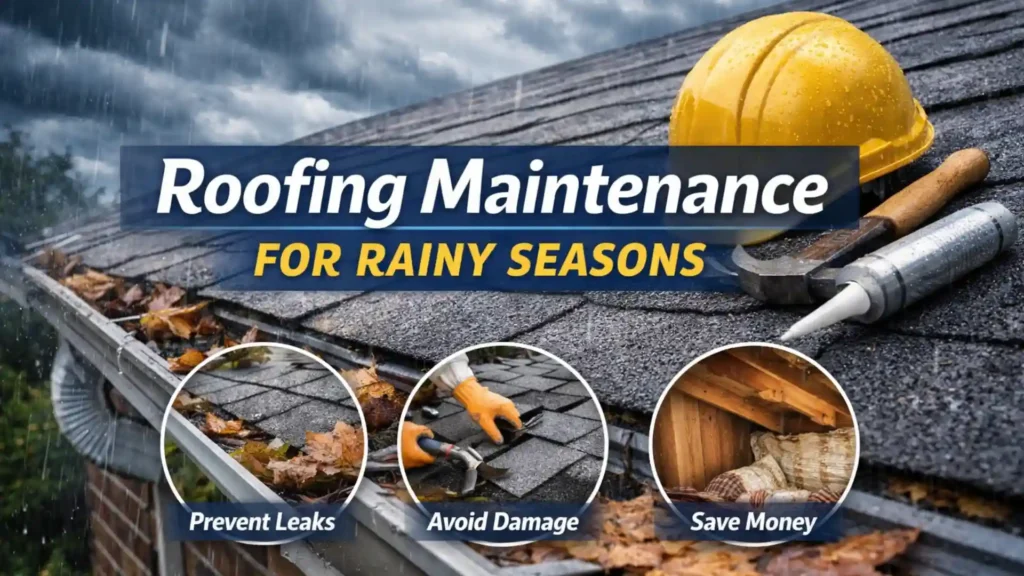
Rainy seasons can be tough on your home, especially your roof. Heavy rainfall, moisture buildup, and hidden leaks can quietly cause serious damage if your roof isn’t properly prepared. That’s why roofing maintenance for rainy seasons is one of the smartest investments a homeowner can make. A little preparation now can save you from expensive repairs or even a full rainy season roof replacement later.
In this guide, you’ll learn why seasonal roof care matters, what to inspect before the rain starts, and how to protect your roof throughout the wet months.
Why Roofing Maintenance for Rainy Seasons Protects Your Investment
Your roof is your home’s first line of defense against water. When maintenance is ignored, small issues like loose shingles or clogged gutters can turn into leaks, mold growth, and structural damage. Over time, these problems often lead homeowners toward costly rainy season roof replacement, which could have been avoided with proper care.
The Hidden Costs of Neglecting Seasonal Roof Care
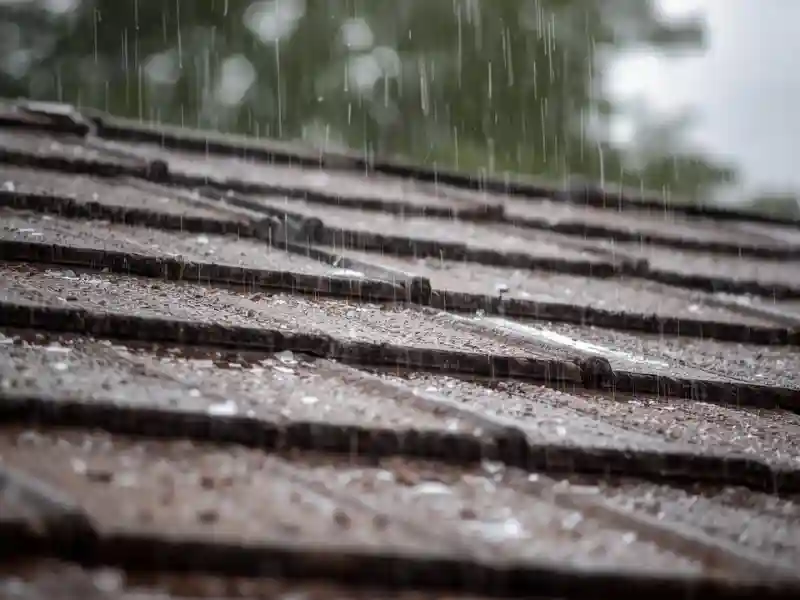
Asphalt shingles can loosen or crack under constant exposure to rain and humidity, creating easy entry points for water. Tile roofs may shift over time, leaving gaps that allow moisture to seep beneath the surface. Flat roofs are especially vulnerable to pooling water and drainage problems, which can accelerate wear and lead to leaks. Metal roofs may develop seam or fastener leaks as materials expand and contract. Without regular roofing maintenance during rainy seasons, these issues often escalate quickly and result in costly repairs.
What This Guide Covers
This article walks you through inspections, essential maintenance tasks, rainy-season monitoring, and how to decide between DIY care and professional help.
Water Damage Risks and Real Impact
Water damage is one of the most common and expensive home repair issues. Even minor roof leaks can spread unnoticed, weakening insulation, drywall, and wood structures.
How Rain Affects Different Roofing Materials
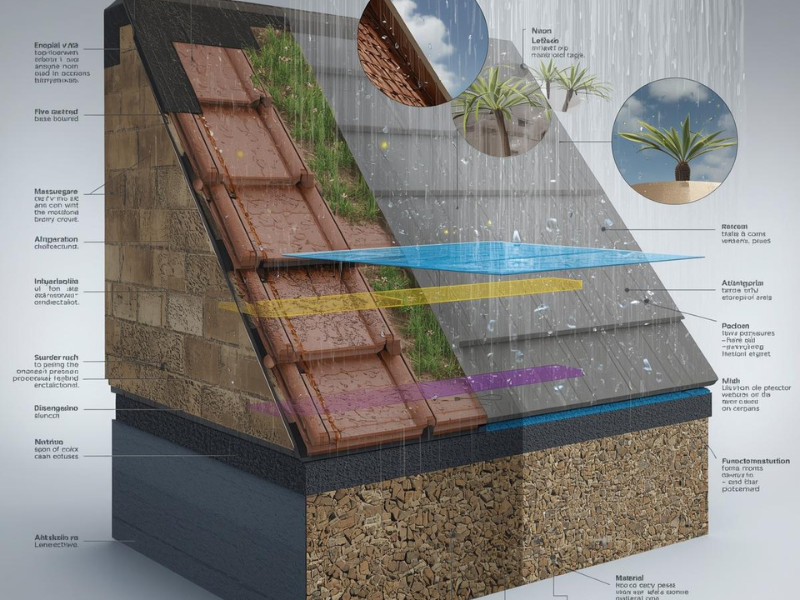
Asphalt shingles can loosen or crack under constant exposure to rain and humidity, creating easy entry points for water. Tile roofs may shift over time, leaving gaps that allow moisture to seep beneath the surface. Flat roofs are especially vulnerable to pooling water and drainage problems, which can accelerate wear and lead to leaks. Metal roofs may develop seam or fastener leaks as materials expand and contract. Without regular roofing maintenance during rainy seasons, these issues often escalate quickly and result in costly repairs.
Long-Term Cost Savings Through Prevention
Routine maintenance costs far less than emergency repairs or premature rainy season roof replacement, making prevention the smarter financial choice.
Pre-Season Inspection Checklist
Before the rainy season begins, a thorough inspection is essential.
| Area / Focus | What to Check | Notes / Purpose |
|---|---|---|
| Visual Inspection from the Ground | Missing shingles, sagging areas, visible debris | Helps identify obvious issues without climbing the roof |
| Shingle and Tile Assessment | Cracked, curled, or loose shingles and tiles | Prevents water penetration |
| Flashing and Sealant Examination | Flashing around chimneys, vents, skylights | Common leak points need careful inspection |
| Gutter and Downspout Evaluation | Secure attachment, proper water flow away from foundation | Ensures proper drainage |
| Attic Moisture Checks | Damp insulation, water stains, musty odors | Detects leaks early before they worsen |
Essential Maintenance Tasks Before Rain Arrives
Preparing your roof in advance reduces the risk of serious damage.
| Task / Technique | Action Steps | Purpose / Benefit |
|---|---|---|
| Cleaning Gutters and Downspouts | Remove leaves, dirt, and debris | Prevents water backup during heavy rain |
| Removing Debris and Organic Matter | Clear branches, leaves, moss from roof | Reduces moisture retention and roof deterioration |
| Trimming Overhanging Tree Branches | Cut branches that touch or overhang roof | Prevents scraping, debris accumulation, and storm damage |
| Repairing Damaged Shingles | Replace broken or missing shingles | Maintains watertight seal |
| Sealing Vulnerable Penetrations | Apply fresh sealant around vents and flashing | Blocks water entry, strengthens roof protection |
| Active Monitoring | Observe roof during/after heavy rainstorms | Detects leaks or problems early |
Warning Signs to Watch For
Water stains on ceilings or walls are often the first visible sign that water is entering through the roof and spreading inside your home. Dripping sounds in the attic during or after rainfall usually indicate an active leak that needs immediate attention. Moldy smells or visible moisture are serious warning signs of trapped dampness, which can lead to mold growth and long-term structural damage if not addressed quickly.
Safe Inspection Practices During Wet Weather
Avoid climbing onto a wet roof. Use binoculars or inspect from inside when possible.
When to Call Professionals
If leaks persist or damage worsens, professional help can prevent the need for a full rainy season roof replacement.
Pooling Water on Flat Roofs
Improve drainage or repair low spots to prevent standing water.
Moss and Algae Growth
Use safe cleaning solutions to remove growth that traps moisture.
Flashing Failures
Loose or corroded flashing should be repaired or replaced immediately.
Clogged Drainage Systems
Regular cleaning keeps water flowing away from your roof and home.
Tasks Homeowners Can Handle Safely
Gutter cleaning, visual inspections, and minor debris removal are simple maintenance tasks most homeowners can handle safely. Keeping gutters clear allows rainwater to flow away from the roof and foundation, reducing the risk of leaks and overflow damage. Regular visual inspections help spot early signs of trouble, such as loose shingles or damaged flashing. Removing small debris like leaves and twigs prevents moisture buildup that can accelerate roof wear, especially during rainy seasons.
When to Hire Roofing Experts
Persistent leaks, structural damage, and widespread shingle failure are clear warning signs that your roof needs immediate professional attention. Ongoing leaks often indicate deeper issues beneath the surface, such as compromised underlayment or damaged decking, which can worsen rapidly during heavy rain. Structural damage may show up as sagging roof sections, soft spots, or cracked supports, all of which threaten the safety of your home.
Widespread shingle failure, where large areas of shingles are missing, cracked, or lifting, reduces your roof’s ability to repel water and significantly increases the risk of interior damage. Addressing these problems early can prevent more serious deterioration and may help you avoid an emergency roof replacement during the rainy season.
Cost Comparison and ROI
Professional inspections cost far less than emergency repairs or a premature roof replacement during a rainy season, offering strong long-term value.
Why Virginia Beach Homeowners Choose Reitzel Roofing & Exteriors
When it comes to precision projects like installing Schluter trim, attention to detail and craftsmanship matter. Reitzel Roofing & Exteriors is proud to be Virginia Beach’s trusted choice for exterior and interior remodeling, offering quality, professionalism, and long-term results.
Experienced Professionals
Our expert installers understand that every detail counts. Whether we’re working on roofing, siding, or intricate tile installations, our precision-driven approach ensures flawless outcomes every time.
Locally Trusted Craftsmanship
As a Virginia Beach company, we understand the region’s coastal environment—humidity, salt air, and temperature swings can all affect materials. We use premium products and installation methods that stand up to the elements.
Quality Materials and Finishes
We partner with top manufacturers like Schluter, CertainTeed, and James Hardie to deliver projects that blend durability and beauty. Our siding, roofing, and interior finish work are built to last—and look stunning for years.
Transparent Pricing and Communication
From your first consultation to the final walkthrough, our process is transparent and client-focused. We provide detailed estimates, clear timelines, and no hidden costs—so you always know exactly what to expect.
Full-Service Exterior and Interior Solutions
Reitzel Roofing & Exteriors offers comprehensive home improvement solutions
roofing, siding, gutters, decks, and tile installations. Whether you need a small repair or a full renovation, our team delivers cohesive design and exceptional craftsmanship.
Proven Reputation for Excellence
Our clients trust us for reliable results and outstanding service. With five-star reviews and repeat customers across Hampton Roads, we’ve built our reputation on integrity and skill.
If you’re also planning exterior upgrades, be sure to check out our guide on roof replacement in Virginia Beach for expert tips and local insights.
Join Our Community
Join our community on Facebook, and don’t forget to subscribe to us on YouTube for new content each week.
Final Thought
Creating a seasonal checklist and sticking to it is the best way to protect your home. Consistent roofing maintenance for rainy seasons extends roof life, prevents water damage, and keeps repair costs under control.
If you want peace of mind before the next storm, schedule a professional roof inspection today. A small step now can save you thousands later and keep your roof strong, dry, and reliable all season long. Contact us today to book your inspection or speak with our roofing experts and get your roof rain-ready.
FAQs
1. Why is roofing maintenance important during rainy seasons?
It prevents leaks, mold, and structural damage while extending roof lifespan and reducing repair costs.
2. What happens if I skip roofing maintenance before heavy rain?
Small issues can turn into leaks, interior damage, and even require rainy season roof replacement.
3. How often should I inspect my roof during rainy seasons?
Inspect before the season starts and monitor monthly or after major storms.
4. Can clogged gutters really cause roof leaks?
Yes. Clogged gutters trap water, causing overflow that damages shingles, flashing, and roof edges.
5. When should I call a professional roofer?
If you notice persistent leaks, structural damage, or widespread shingle failure.