When planning a roof structure, one of the most common questions homeowners and builders ask is how far apart are roof trusses. Truss spacing directly affects roof strength, material cost, load capacity, and long-term durability. Choosing the wrong spacing can lead to sagging, structural issues, or failed inspections.
In this guide, we’ll explain standard truss spacing, what factors affect it, and how to calculate the correct layout for residential, commercial, and agricultural buildings.
How Far Apart Are Roof Trusses? Standard Spacing Explained
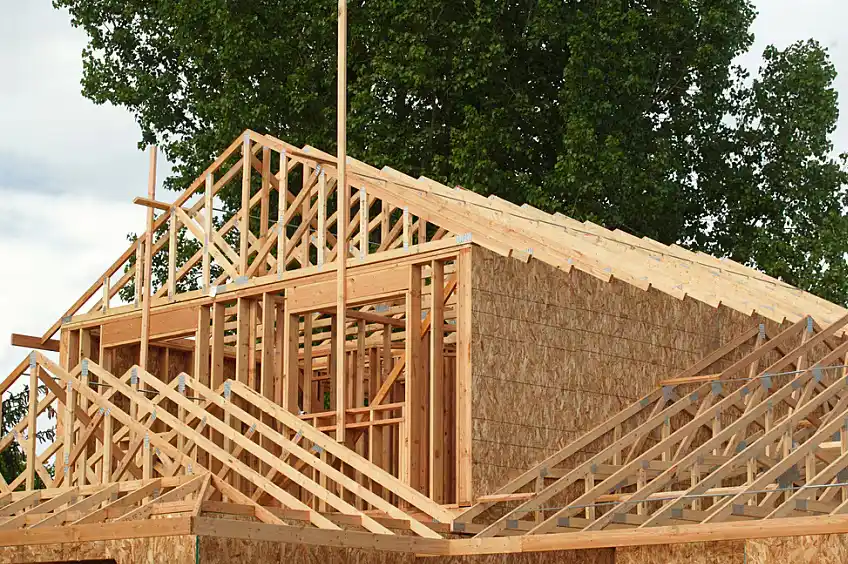
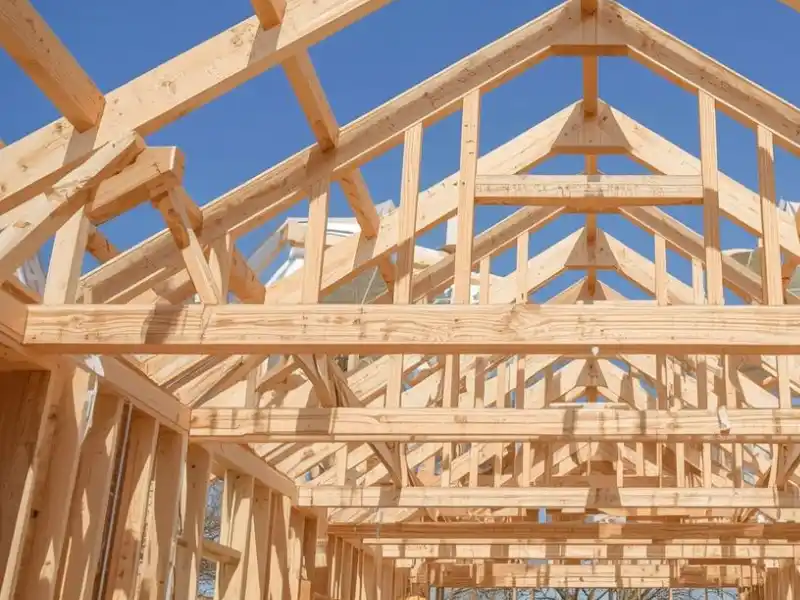
Roof trusses are engineered triangular frameworks that support the roof deck and transfer loads to the exterior walls. Proper roof truss spacing ensures even weight distribution, prevents deflection, and keeps your roof compliant with building codes.
A brief overview of common spacing measurements:
-
Measured on center (OC) from the middle of one truss to the middle of the next
-
Most buildings follow standardized spacing to match plywood, OSB, and roofing materials
-
Incorrect spacing can weaken the entire roof system
Understanding how far apart roof trusses are is critical before construction begins.
Standard Roof Truss Spacing by Building Type
Residential Buildings
For homes, the most common standard spacing for residential roof trusses is:
-
16 inches on center
-
24 inches on center
These measurements provide strong support for asphalt shingles and standard roof sheathing. This is the most typical answer to how far apart trusses are spaced in residential construction.
Commercial Structures
Commercial roofs usually use:
-
24 inches on center as standard truss spacing
This allows wider spans while still supporting heavier mechanical loads when properly engineered.
Pole Barns and Agricultural Buildings
Pole barns use much wider spacing:
-
4 to 12 feet apart, depending on design
Here, trusses are larger and engineered to handle longer spans and heavier roof loads.
Floor Trusses
Floor truss spacing is typically:
-
16 inches
-
19.2 inches
-
24 inches
These dimensions align with subfloor panel sizes and reduce material waste.
Factors That Determine How Far Apart Are Roof Trusses
Several key factors influence how far apart roof trusses in any building are:
Roof Load and Weight Distribution
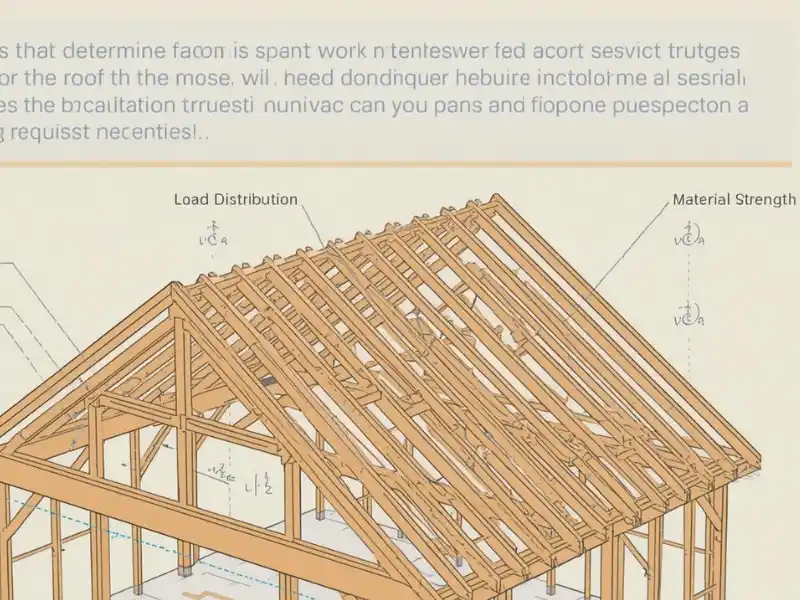
Heavier roofs require closer spacing to reduce stress on each truss.
Roofing Material Type
-
Asphalt shingles: standard truss spacing works well
-
Metal roofing often allows wider spacing
-
Tile or slate: requires tighter spacing due to weight
Climate Considerations
-
Snow loads increase downward pressure
-
High wind zones may require reduced truss spacing for stability
Building Codes and Local Regulations
Local codes often dictate typical truss spacing based on climate and structural requirements.
Span Length and Roof Pitch
Longer spans and a steeper standard pitch for residential roof trusses usually require closer spacing or stronger truss designs.
How to Measure Roof Truss Spacing Correctly
Correct measurement ensures accuracy and code compliance.
Center-to-Center Measurement Technique
Measure from the center of one truss to the center of the next, not edge to edge.
Tools Needed
-
Tape measure
-
Chalk line
-
Carpenter’s square
-
Framing layout marker
This method is essential when verifying truss spacing during installation or inspection.
Common Truss Spacing Mistakes to Avoid
Spacing Too Far Apart
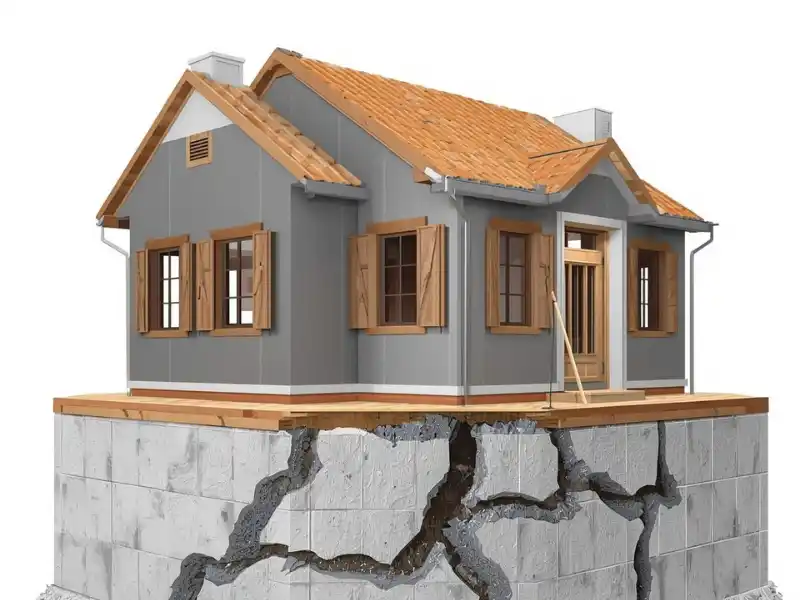
This can cause roof sagging, cracked drywall, and long-term structural failure.
Ignoring Local Building Codes
Even small spacing errors can result in failed inspections or forced rebuilds.
Not Accounting for Heavy Roofing Materials
Tile, slate, and solar panels require closer spacing than standard roofs.
Avoiding these mistakes protects both safety and investment.
How to Calculate the Number of Trusses You Need
Step-by-Step Formula
-
Measure total roof length (in inches)
-
Divide by chosen spacing (16″ or 24″)
-
Add one extra truss for the starting edge
Example Calculation
-
Roof length: 40 feet (480 inches)
-
Spacing: 24 inches
-
480 ÷ 24 = 20 trusses
-
Add 1 = 21 total trusses
This calculation helps control material costs and ensures proper roof truss spacing.
Cost Implications of Different Truss Spacing
Material Cost Comparison
-
Closer spacing = more trusses, higher upfront cost
-
Wider spacing = fewer trusses, but may require stronger materials
Long-Term Value
Proper spacing reduces maintenance, prevents structural repairs, and increases roof lifespan.
Choosing the correct standard truss spacing often saves money over time.
When to Consult a Structural Engineer
You should consult an engineer if:
-
The roof has a long span
-
Heavy roofing materials are used
-
The building is in a snow or hurricane zone
-
Custom roof designs are involved
Professional input ensures compliance and safety.
Why Virginia Beach Homeowners Choose Reitzel Roofing & Exteriors
When it comes to precision projects like installing Schluter trim, attention to detail and craftsmanship matter. Reitzel Roofing & Exteriors is proud to be Virginia Beach’s trusted choice for exterior and interior remodelling, offering quality, professionalism, and long-term results.
Experienced Professionals
Our expert installers understand that every detail counts. Whether we’re working on roofing, siding, or intricate tile installations, our precision-driven approach ensures flawless outcomes every time.
Locally Trusted Craftsmanship
As a Virginia Beach company, we understand that the region’s coastal environment, humidity, salt air, and temperature swings can all affect materials. We use premium products and installation methods that stand up to the elements.
Quality Materials and Finishes
We partner with top manufacturers like Schluter, CertainTeed, and James Hardie to deliver projects that blend durability and beauty. Our siding, roofing, and interior finish work are built to last and look stunning for years.
Transparent Pricing and Communication
From your first consultation to the final walkthrough, our process is transparent and client-focused. We provide detailed estimates, clear timelines, and no hidden costs—so you always know exactly what to expect.
Full-Service Exterior and Interior Solutions
Reitzel Roofing & Exteriors offers comprehensive home improvement solutions
roofing, siding, gutters, decks, and tile installations. Whether you need a small repair or a full renovation, our team delivers cohesive design and exceptional craftsmanship.
Proven Reputation for Excellence
Our clients trust us for reliable results and outstanding service. With five-star reviews and repeat customers across Hampton Roads, we’ve built our reputation on integrity and skill.
If you’re also planning exterior upgrades, be sure to check out our guide on roof replacement in Virginia Beach for expert tips and local insights.
Final Thought
Understanding how far apart roof trusses are is essential for building a strong, durable, and code-compliant roof. While standard measurements work for most projects, factors like roof load, material choice, and climate always matter. When in doubt, professional guidance ensures your roof performs safely for decades.
If you’re planning a new build or roof replacement, always verify spacing before installation. It’s one decision that impacts everything above your head.
Join Our Community
Join our community on Facebook, and don’t forget to subscribe to us on YouTube for new content each week.
FAQs
1: How far apart are roof trusses in a standard house?
A: Most residential homes use truss spacing of 16 or 24 inches on center for strength and code compliance.
2: Can roof trusses be spaced 4 feet apart?
A: Yes, but typically only in pole barns or agricultural buildings with engineered trusses.
3: What affects how far apart roof trusses should be?
A: Roof load, material type, climate, span length, and local building codes all influence spacing.
4: How do I measure roof truss spacing correctly?
A: Measure center to center of the trusses using a tape measure and chalk line.
5: What happens if trusses are spaced too far apart?
A: Excessive spacing can lead to sagging, structural issues, and failed inspections.