A roof dormer is one of the most effective architectural features for homeowners who want to add usable space, natural light, and long-term value without extending the footprint of their house. Whether you are dealing with a dark attic, low headroom, or simply want to improve curb appeal, dormers offer a practical and visually appealing solution.
Over the past few decades, dormers have shifted from being a purely traditional feature to a modern remodelling strategy. Today, they are commonly used in attic renovations, loft upgrades, and full roof redesign projects, making them a popular choice for homeowners looking tomaximisee space efficiently.
What Is a Roof Dormer and Why Do Homeowners Consider Them?
Homeowners typically consider a Dormer roof structure when their existing upper floor or attic feels cramped, dark, or unusable. Instead of building outward, which often requires more land, permits, and expense, a dormer allows vertical expansion by reshaping the roof itself.
Historically, dormers appeared in European homes during the 16th and 17th centuries, where they were used to make attic rooms livable. Over time, the design evolved, and today, dormers are widely used in both traditional and contemporary homes. Modern materials, better insulation, and advanced waterproofing systems have made dormers more durable and energy-efficient than ever.

What Is a Roof Dormer?
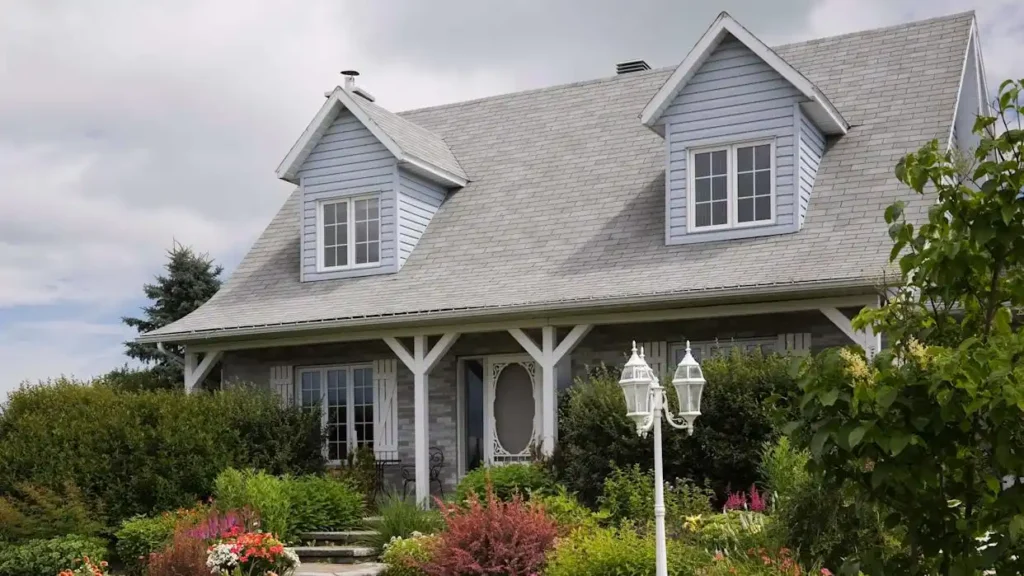
A Dormer roof structure is a structural projection that extends from a sloped roof and includes a vertical window, its own roof covering, and framed side walls. Unlike decorative elements, a functional dormer increases interior floor space and headroom.
Basic Structure of a Roof Dormer
A standard dormer is made up of several key structural elements that work together to create additional space and functionality inside a home. At the front of the dormer is a vertical window, commonly referred to as a dormer window, which allows natural light and ventilation to enter the upper level while maintaining a traditional room-like feel. This window is supported by framed side walls that rise from the roof, providing the necessary height and structure to increase headroom and usable floor area. These side walls are carefully integrated into the existing roof framing to ensure strength, stability, and proper load distribution.
Above these components is a dedicated roof section integrated into the main dormer roof, which can be designed in various styles depending on architectural preferences and structural requirements. This roof section must be properly sealed and flashed where it connects with the main roof to prevent water intrusion and ensure long-term durability. Unlike skylights, which sit flush with the roof slope and are designed mainly to bring in light, dormers change the roofline itself. They also differ from regular windows because they alter the roof structure, creating usable interior volume rather than simply adding an opening in an existing wall.
Types of Roof Dormers
Choosing the right dormer roof design depends on your home’s architecture, roof pitch, and space goals.
Gabled Dormer
This is the most common style, featuring a pitched roof with two sloping sides. It blends well with traditional homes and is frequently used in classic house dormer designs.
Shed Roof Dormer
A shed dormer has a single sloping roof and is ideal for maximising interior headroom. Many homeowners prefer this option when adding a dormer to a house for functional living space.
Hip Roof Dormer
With slopes on all sides, hip dormers offer excellent wind resistance and a balanced look. They are well-suited for areas exposed to strong weather conditions.
Eyebrow Dormer
This type features a smooth, curved roofline and is mostly decorative. While it adds charm, it offers limited interior space.
Flat Dormer roof structure
Flat dormers are cost-effective and commonly used in modern renovations. Proper drainage and waterproofing are essential to avoid future dormer repair issues.
Wall Dormer
A wall dormer extends vertically from an exterior wall rather than the roof slope, often seen in upper-story additions.
Arched or Segmental Roof Dormer
These dormers have rounded tops that add architectural elegance and are often used in historic or custom homes.
False Dormer
A false dormer is decorative only. It improves exterior symmetry but does not increase interior space.
Benefits of Adding a Dormer Addition
Installing a dormer offers several practical and financial benefits.
Increased Living Space and Headroom
Dormers transform cramped attics into functional rooms. This is especially valuable in a dormer loft conversion, where full standing height is essential.
Enhanced Natural Light and Ventilation
Large dormer windows allow daylight and airflow to enter previously dark spaces, improving comfort and energy efficiency.
Improved Curb Appeal and Home Value
A well-designed dormer roof can dramatically improve a home’s exterior appearance and increase resale value.
Flexible Room Usage
Dormers make it possible to add bedrooms, home offices, bathrooms, or creative studios without building outward.
Drawbacks and Important Considerations
While dormers offer many advantages, homeowners should be aware of potential challenges.
Cost and Budget Planning
Costs vary depending on size, materials, and complexity. Simple flat or shed dormers are generally more affordable than arched or hip designs.
Structural Requirements
Not all roofs can support a dormer without reinforcement. A structural assessment is critical before construction, especially when planning long-term dormer repair and maintenance.
Risk of Leaks
Improper flashing or poor installation can lead to water intrusion. Hiring experienced professionals greatly reduces this risk.
Planning Permissions and Regulations
Some municipalities require permits, zoning approval, or design review, particularly for street-facing house dormer projects.
Installation Process and Costs
When to Add a Dormer
The best time to add a dormer is during a full roof replacement, but many homeowners choose standalone dormer installations as part of attic renovations.
Average Cost Ranges
The cost of installing a dormer can vary widely depending on the design, size, materials, and structural complexity involved. In general, flat or shed dormers fall into the lower cost range because they have a simpler roof structure and require fewer materials. These dormers use a single sloping or flat roof surface, which reduces framing time and labour costs. Because of their straightforward design, they are often chosen by homeowners who want to maximise interior space while keeping construction expenses under control.
A gabled dormer typically falls into the mid-range cost category. This type of dormer includes a pitched roof with two sloping sides, which adds architectural detail and improves water runoff compared to flat designs. While gabled dormers require more framing and roofing work than shed dormers, they offer a balanced combination of aesthetics, durability, and functionality. Many homeowners prefer this option because it blends well with traditional roof styles while providing reliable long-term performance.
At the higher end of the cost spectrum are hip or arched dormers, which are more complex to design and construct. Hip dormers feature sloping sides on all angles, while arched dormers involve curved framing and custom roofing work. These designs demand advanced craftsmanship, precise measurements, and additional labour, which significantly increases overall project costs. They are often selected for architectural consistency or visual appeal rather than budget efficiency.
Costs can increase further when a dormer project includes plumbing, insulation, or electrical upgrades, which is common in a dormer loft conversion. Adding bathrooms, heating systems, lighting, or upgraded insulation requires coordination between multiple trades and compliance with building codes. These additional elements add both material and labour expenses but are essential for creating a comfortable, fully functional living space.
Hiring Qualified Contractors
Always work with licensed and insured professionals who specialise in dormer roof construction. Experienced contractors ensure proper integration, long-term durability, and minimal future repair needs.
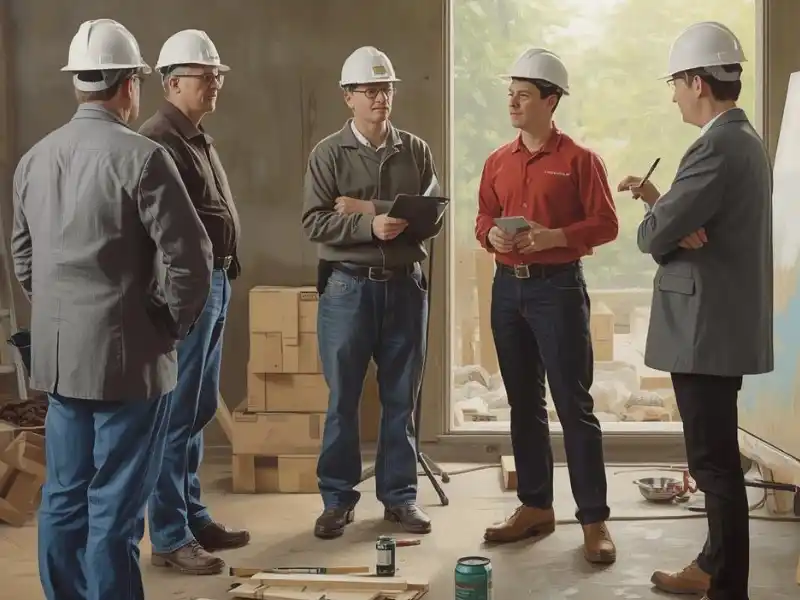
Why Virginia Beach Homeowners Choose Reitzel Roofing & Exteriors
When it comes to precision projects like installing Schluter trim, attention to detail and craftsmanship matter. Reitzel Roofing & Exteriors is proud to be Virginia Beach’s trusted choice for exterior and interior remodelling, offering quality, professionalism, and long-term results.
Experienced Professionals
Our expert installers understand that every detail counts. Whether we’re working on roofing, siding, or intricate tile installations, our precision-driven approach ensures flawless outcomes every time.
Locally Trusted Craftsmanship
As a Virginia Beach company, we understand the region’s coastal environment—humidity, salt air, and temperature swings can all affect materials. We use premium products and installation methods that stand up to the elements.
Quality Materials and Finishes
We partner with top manufacturers like Schluter, CertainTeed, and James Hardie to deliver projects that blend durability and beauty. Our siding, roofing, and interior finish work are built to last—and look stunning for years.
Transparent Pricing and Communication
From your first consultation to the final walkthrough, our process is transparent and client-focused. We provide detailed estimates, clear timelines, and no hidden costs—so you always know exactly what to expect.
Full-Service Exterior and Interior Solutions
Reitzel Roofing & Exteriors offers comprehensive home improvement solutions
roofing, siding, gutters, decks, and tile installations. Whether you need a small repair or a full renovation, our team delivers cohesive design and exceptional craftsmanship.
Proven Reputation for Excellence
Our clients trust us for reliable results and outstanding service. With five-star reviews and repeat customers across Hampton Roads, we’ve built our reputation on integrity and skill.
If you’re also planning exterior upgrades, be sure to check out our guide on roof replacement in Virginia Beach for expert tips and local insights.
Final Thoughts
A roof dormer is a smart investment for homeowners who want more space, better light, and improved home value without expanding outward. When designed correctly, it blends seamlessly with your existing roof and enhances both functionality and appearance.
If you’re considering adding a dormer to a house, start by consulting a professional for a structural assessment and cost estimate. With proper planning, quality materials, and skilled installation, a dormer can transform unused space into one of the most valuable areas of your home.
Join Our Community
Join our community on Facebook, and don’t forget to subscribe to us on YouTube for new content each week.
FAQs
1. What is a roof dormer used for?
A roof dormer adds headroom, natural light, and usable space to an attic or upper floor without expanding the home footprint.
2. Is adding a dormer to a house worth it?
Yes, adding a dormer can increase living space, improve home value, and enhance exterior appearance when properly designed.
3. What is the most popular dormer roof design?
Gabled dormers are the most common due to their classic look, durability, and compatibility with many roof styles.
4. Do dormer loft conversions need planning permission?
Some dormer loft conversions require permits, especially if they face the street or exceed local size regulations.
5. Are dormer windows better than skylights?
Dormer windows provide more space, ventilation, and headroom, while skylights mainly offer light without added floor area.