Commercial buildings demand roofing systems that can withstand heavy use, variable weather conditions, and long-term exposure without constant repairs. Commercial metal roofing has become one of the most reliable and cost-effective solutions for modern commercial properties. Its durability, energy efficiency, and low maintenance needs make it a top choice for business owners and facility managers.
This guide explains what commercial metal roofing is, the available system types and materials, cost considerations, installation requirements, and long-term maintenance expectations.
What Is Commercial Metal Roofing?
Commercial metal roofing refers to metal-based roofing systems specifically designed for large-scale, non-residential buildings. These systems are engineered to handle wide roof spans, higher wind loads, and strict performance standards.
How It Differs From Residential Metal Roofing
While residential metal roofing is often chosen for appearance, commercial systems focus on:
-
Structural performance
-
Long panel runs
-
Superior water management
-
Industrial-grade fastening and seam systems
Commercial applications typically prioritize longevity and protection rather than aesthetics.
Common Applications
Business property metal roofing is commonly installed on:
-
Warehouses and distribution centers
-
Office buildings
-
Retail and shopping centers
-
Hospitals and healthcare facilities
-
Manufacturing plants
Types of Commercial-grade Metal Roofing Systems
Choosing the right system depends on building design, budget, and climate.
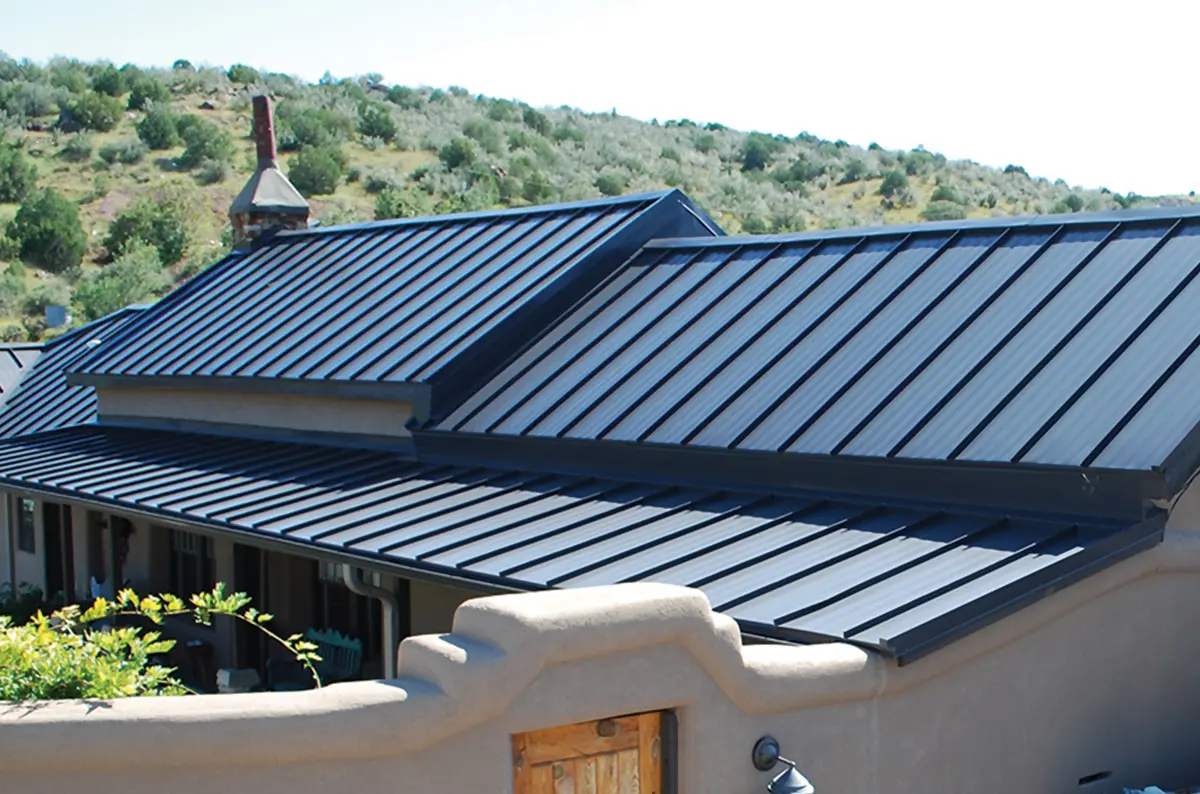
Standing Seam Metal Roofing
Standing seam systems feature raised seams that lock panels together.
-
Snap-lock: Faster installation, ideal for lower slope roofs
-
Mechanically seamed: Maximum weather resistance for large or high-wind structures
Exposed Fastener Panels
These panels are secured with visible screws and washers. They are more affordable but require regular inspections to maintain watertightness.
R-Panels and Corrugated Panels
Often used for industrial roofing, these panels offer strength and cost efficiency for warehouses and agricultural buildings.
System Comparison Overview
| Roofing System | Durability | Cost | Maintenance |
|---|---|---|---|
| Standing Seam | Very High | High | Low |
| Exposed Fastener | Moderate | Low | Moderate |
| R-Panel / Corrugated | High | Moderate | Low |
Material Options for Structural Metal Roofing Systems
Different metals offer different performance and price points.
Steel Roofing
-
Galvanized steel: Zinc-coated for corrosion resistance
-
Galvalume steel: Aluminum-zinc mix with excellent longevity
Steel is the most commonly used material for metal roofing due to its balance of cost and strength.
Aluminum
Lightweight and rust-resistant, aluminum performs well in coastal or humid environments.
Copper
A premium option known for its lifespan and corrosion resistance, often used for architectural or historic commercial buildings.
Zinc
Highly durable and self-healing, zinc roofing offers exceptional longevity with minimal maintenance.
Average Material Cost per Square Foot
-
Steel: $4–$8
-
Aluminum: $6–$10
-
Copper: $12–$20+
-
Zinc: $10–$18
Benefits of Steel roofing systems for commercial facilities
Durability and Lifespan
A professionally installed Business property metal roofing system can last 50 years or more, significantly outlasting many traditional roofing materials.
Energy Efficiency
Metal roofs reflect solar heat, lowering cooling costs and supporting cool roof performance standards.
Fire Resistance
Metal roofing is non-combustible and meets strict fire rating requirements for commercial properties.
Low Maintenance
Unlike membrane systems, metal roofs resist cracking, tearing, and ponding water.
Strong Return on Investment
While the upfront cost may be higher, Commercial building metal roofing delivers long-term savings through reduced repairs, energy efficiency, and extended lifespan.
Commercial Metal Roofing Costs
Average Cost Per Square Foot
Most commercial metal roofing projects range between $7 and $18 per square foot, depending on materials and system selection.
Factors Affecting Price
-
Roof size and slope
-
Metal type and panel thickness
-
Seam type and fastening method
-
Local labor rates
Installation vs. Material Costs
Installation typically accounts for 40–60% of total project cost due to labor, equipment, and safety requirements.
Long-Term Cost Comparison
Compared to TPO or EPDM roofing, metal systems often provide a lower lifetime cost due to fewer replacements and repairs.
Installation Considerations
Roof Pitch Requirements
Standing seam systems perform best on low to moderate slopes, while exposed fastener panels can work on steeper pitches.
Structural Requirements
The building structure must support panel weight, wind uplift, and thermal movement.
Timeline Expectations
Most commercial metal roofing installations take 1–3 weeks, depending on building size and weather conditions.
Choosing the Right Contractor
Look for licensed contractors with Commercial building metal roofing experience, manufacturer certifications, and strong warranty offerings.
Maintenance and Warranty Information
Inspection Schedule
Annual inspections and post-storm inspections help identify fastener, seam, or coating wear early.
Weathertight Warranties
High-quality systems often include 20–40 year weathertight warranties when installed by certified contractors.
Expected Lifespan
With proper care, Long-span metal roofing systems can exceed five decades of service.
Request a Free Roofing Quote or Consultation
Considering Commercial metal roof installation for your building? A professional evaluation can help determine the best system, material, and budget for your project. Contact us today to request a free quote or schedule a consultation with a Commercial metal roof installation specialist.
Ready to upgrade your roof? Trust Reitzel Exteriors for expert commercial metal roofing solutions built to last. Request your free quote or consultation today.
Join Our Community
Join our community on Facebook, and don’t forget to subscribe to us on YouTube for new content each week.
Final Thought
Choosing the right roofing system is a long-term investment in your building’s protection, efficiency, and value. Commercial metal roofing stands out for its unmatched durability, energy efficiency, and low maintenance requirements. When properly designed and installed, it delivers decades of reliable performance while reducing ongoing repair and replacement costs. Working with an experienced contractor ensures your metal roof meets structural demands, local codes, and warranty standards, providing peace of mind for years to come.
FAQs
1. How long does a Commercial metal roof installation last?
Most Commercial metal roof systems last 50 years or more with proper installation and routine maintenance.
2. Are commercial metal roof systems worth the cost?
Yes. It offers long-term savings through durability, low maintenance, and improved energy efficiency.
3. Can Commercial metal roof systems be installed over an existing roof?
In many cases, yes—after a professional inspection confirms structural integrity and code compliance.
4. Does metal roofing reduce energy costs for commercial buildings?
Yes. Metal roofs reflect heat, helping lower cooling costs and improve indoor comfort.
5. How often should a commercial metal roof be inspected?
At least once a year and after major storms to maintain performance and warranty coverage.