Picture a blanket of leaves and pine needles sitting on your roof after a windy week. Looks harmless, right? Now ask yourself a harder question: what’s actually happening underneath that blanket, and would you even know if something was going wrong down there? Most homeowners never find out until a ceiling stain shows up. Roof debris Virginia Beach homeowners deal with every season isn’t just a housekeeping issue, it’s a curtain that can hide small, fixable problems until they’ve grown into expensive ones.
At Reitzel Roofing and Exteriors, we climb onto roofs across Hampton Roads every week, and the story repeats itself more often than you’d think. A homeowner calls about a leak, we clear away what looks like a bit of harmless buildup, and underneath we find cracked shingles, lifted flashing, or a valley that’s been quietly soaking for months.
Why Roof Debris Virginia Beach Homes Collect Is Such a Local Issue
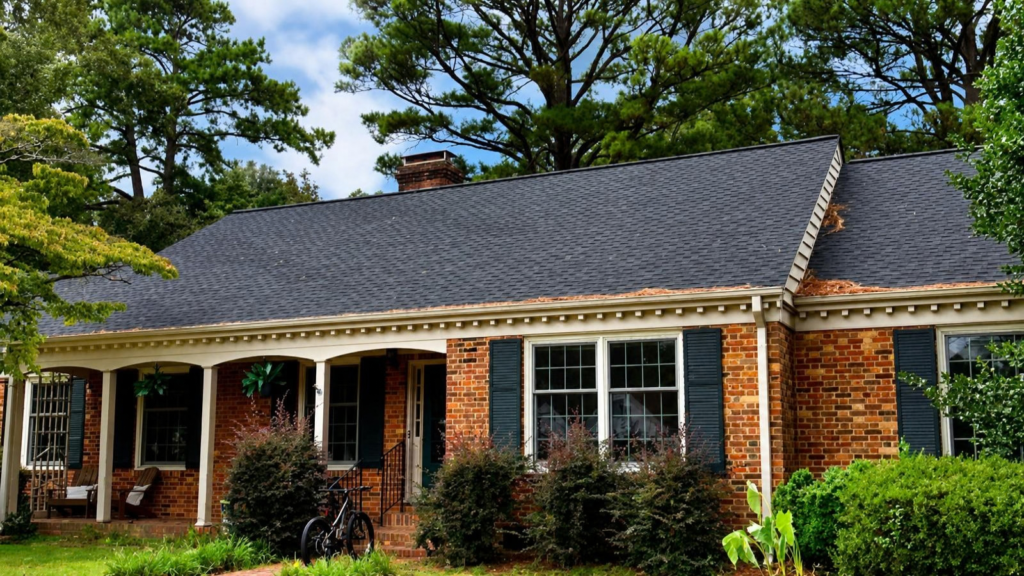
Virginia Beach is a leafy city. According to the City of Virginia Beach, its urban tree canopy covers close to 40 percent of the city, representing roughly 3.2 million trees, and the city is actively working to grow that number even further. That’s wonderful for shade, air quality, and neighborhood character. It also means a steady, year-round supply of leaves, seed pods, pine needles, and small twigs landing on local rooftops.
Add coastal winds, regular thunderstorms, and a long hurricane season, and you get a roof surface that’s constantly being dusted with organic material. The roof debris Virginia Beach residents see after a storm can go well beyond a few leaves, including broken branches, sand carried on the wind, and even bits of neighboring roofing or fencing. Homes in tree-heavy areas like Kempsville, Alanton, and Great Neck often deal with the heaviest accumulation.
What Roof Debris Actually Does to Your Roof
It’s tempting to treat leaves on a roof as purely cosmetic. In reality, debris quietly attacks your roofing system in several ways at once.
It Traps Moisture
Wet leaves and pine needles act like a sponge, holding water against your shingles long after the rain has stopped. In our humid climate, that constant dampness accelerates granule loss, encourages algae and moss growth, and gradually breaks down shingle surfaces.
It Blocks Drainage
Debris that collects in valleys, along roof edges, and in gutters stops water from flowing off the roof the way it’s supposed to. Water that can’t drain quickly finds other routes, often up and under the edge of shingles or behind fascia boards, where it can rot wood and soak insulation.
It Adds Weight and Stress
A thick layer of saturated debris adds real weight, particularly on lower-pitched sections, and holds moisture against the roof deck edges where rot tends to start first.
It Invites Pests
Piles of damp organic material attract insects, rodents, and even nesting birds, and those visitors have a habit of finding and enlarging small gaps around vents and eaves.
It Hides Problems From View
This is the one that matters most. Debris covers cracked shingles, lifted flashing, exposed nails, and worn sealant, which means the early warning signs that would normally be easy to spot are buried out of sight. That’s why roof debris Virginia Beach homeowners ignore can turn a ten-minute fix into a much larger repair bill.
Table: Common Types of Roof Debris and What They Cause
| Type of Debris | Where It Collects | Common Problem Caused | Recommended Action |
| Leaves | Valleys, gutters, low-slope areas | Trapped moisture, clogged drainage | Clear after fall drop and major storms |
| Pine needles | Valleys, behind chimneys, gutters | Dense mats that hold water, clog downspouts | Remove promptly, inspect valleys |
| Seed pods and small twigs | Gutters, valleys | Slow drainage, gradual buildup | Include in seasonal cleaning |
| Storm-broken branches | Anywhere on the roof surface | Impact damage, punctured or cracked shingles | Professional inspection after storms |
| Moss and algae growth | Shaded slopes | Lifted shingle edges, surface deterioration | Professional cleaning and treatment |
| Sand and grit | Flat sections, along edges | Accelerated granule wear | Rinse gently, monitor granule loss |
This table is a general guide, and the exact impact of roof debris Virginia Beach conditions produce on your home depends on your roof’s age, pitch, and the surrounding tree cover.
The Small Problems That Debris Loves to Hide
Over the years, we’ve found the same handful of issues tucked beneath roof debris again and again. Cracked or curled shingles are the most common, and they’re easy to miss under a layer of leaves. Loose or corroded flashing around chimneys, vents, and skylights is another frequent find, since debris tends to pile up right against those transitions.
Valleys deserve special mention. As the low point where two roof slopes meet, they collect more debris than anywhere else and also handle the most water, which is a rough combination. Exposed or backed-out nails, worn pipe boot seals, and early granule loss are other quiet problems that debris can mask for months at a time.
The tricky part is that none of these issues look dramatic on their own. They only become expensive when water has time to work on them, and a layer of roof debris Virginia Beach storms and trees leave behind gives that water plenty of time.
Storm Season Makes It Worse
Hurricane season officially runs from June 1 through November 30, according to the National Oceanic and Atmospheric Administration, and that stretch overlaps neatly with peak leaf drop in the fall. The result is a double hit: storms strip branches and leaves off trees and throw them onto rooftops, then rain packs that material into gutters and valleys where it stays wet for days.
Even a moderate storm can deposit a surprising amount of material. After a strong system, it’s worth taking a look at your roofline from the ground, checking gutters, and scheduling an inspection if you notice broken limbs, heavy debris, or anything that looks out of place. Prompt attention after a storm is one of the simplest ways to keep roof debris Virginia Beach weather leaves behind from turning into a bigger problem.
Warning Signs That Debris Has Already Caused Damage
Sometimes the debris has been sitting long enough that damage is already underway. Watch for water stains on ceilings or walls, especially after rain, since these often trace back to a clogged valley or blocked gutter. Dark streaks or green patches on shingles suggest moisture has been lingering, and shingles that look lifted along the edges can point to moss growth underneath.
Gutters that overflow during ordinary rain, downspouts that seem to run slowly, and granules collecting at the base of your downspouts are all worth investigating. Soft or spongy spots along the roof edge, visible from a ladder or from the ground with binoculars, deserve prompt professional attention. If you spot any of these, it’s a good sign that roof debris Virginia Beach homeowners tend to overlook has already been affecting the roof for a while.
Should You Clear Roof Debris Yourself?
This is a fair question, and the honest answer is: sometimes, with limits. Light debris on a low, walkable roof can be handled with a soft brush or leaf blower by someone who’s comfortable and equipped to work safely at height. But roofs are slippery, especially when damp or covered in moss, and falls from roofs cause serious injuries every year.
There’s also a practical concern. Aggressive scraping, pressure washing, or using stiff brushes can strip granules off shingles and shorten their life, effectively causing the damage you were trying to prevent. If your roof is steep, two stories high, or covered in heavy buildup, it’s usually smarter to have a professional handle it. A trained crew can remove debris safely, spot any damage hiding underneath, and recommend repairs in the same visit.
A Simple Seasonal Maintenance Routine for Virginia Beach
You don’t need a complicated plan to stay ahead of debris. A basic seasonal rhythm works well for most homes in our area.
In early spring, check for winter storm damage and clear any accumulated material from valleys and gutters. Midsummer is a good time to trim overhanging branches and inspect for algae or moss in shaded areas. Before hurricane season peaks, make sure gutters and downspouts are flowing freely and that nothing loose is sitting on the roof. In late fall, after most leaves have dropped, do a thorough clearing of the roof surface, valleys, and gutters. And after any major storm, take a quick look and schedule an inspection if anything seems off.
Sticking to a routine like this makes roof debris Virginia Beach conditions far easier to manage, since you’re catching buildup before it has the chance to trap moisture or hide damage.
What a Professional Debris Cleanup and Inspection Includes
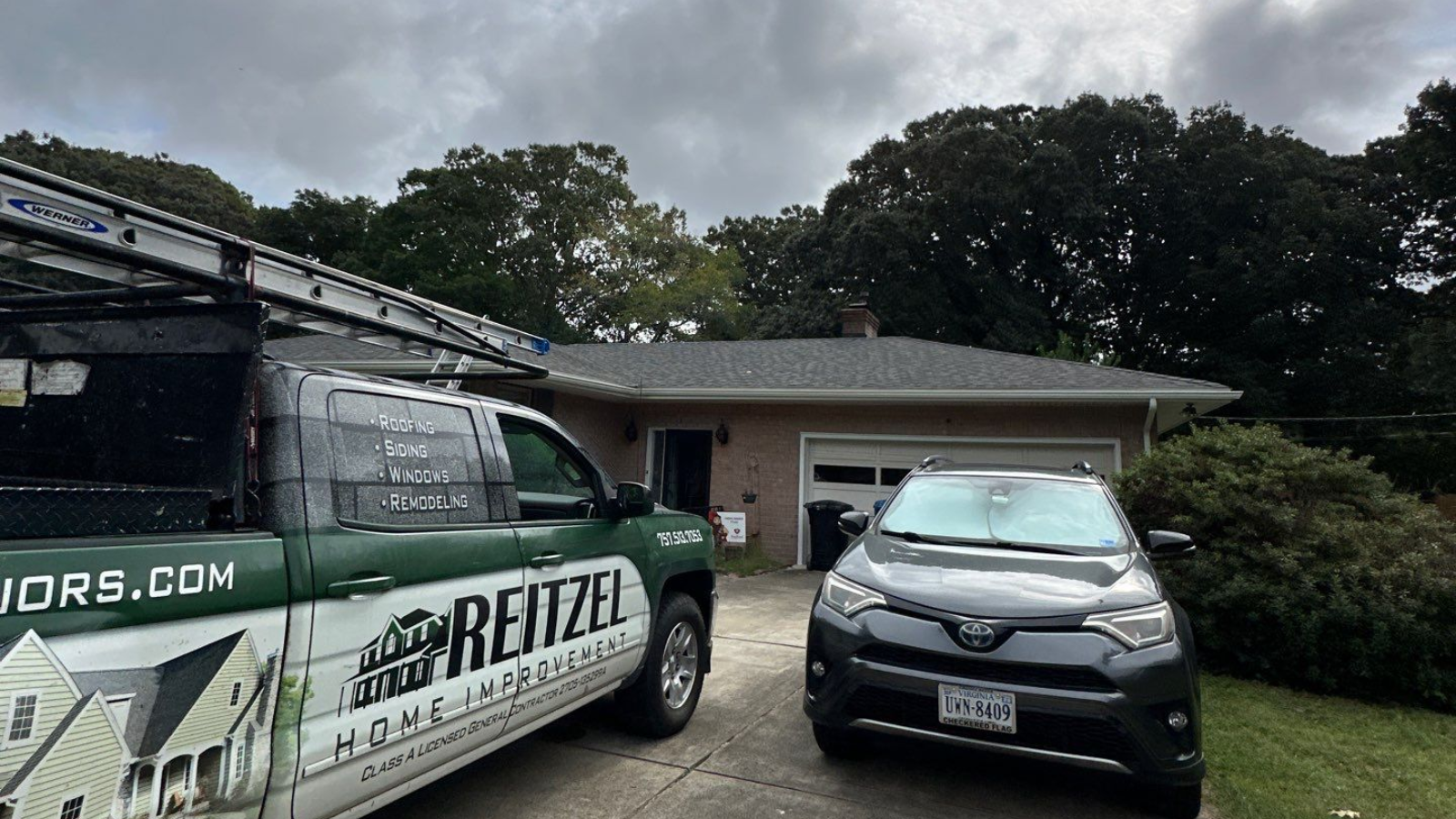
When we’re called out for roof debris Virginia Beach homeowners are worried about, the visit is about more than clearing leaves. A crew starts by removing loose material with soft tools that won’t scuff the shingle surface, then works carefully through the valleys, around chimneys, and along the roof edges, where buildup is heaviest. Once the surface is clear, we look closely at what was hiding underneath: cracked or curled shingles, worn sealant, exposed fasteners, and flashing that has lifted or corroded.
We also check the gutters and downspouts, look at the fascia and soffit for moisture stains, and peek into the attic when access allows, since damp insulation or darkened decking is often the first sign that water has been getting in. You should walk away with photos, a plain-language explanation of what we found, and an honest recommendation, whether that’s a small repair, a treatment for moss, or simply a reminder to keep up the routine. Many homeowners find that one thorough visit tells them more about their roof than years of glancing at it from the driveway.
How Different Roofing Materials Handle Debris
Not every roof reacts to buildup the same way. Asphalt shingles, the most common material in our area, are the most vulnerable to trapped moisture, since constant dampness wears away their protective granules and invites algae and moss. Metal roofing sheds most debris easily, but leaves and needles can still collect in seams and valleys, holding moisture against fasteners and encouraging corrosion, especially near the coast.
Wood shake is particularly sensitive, because damp debris can promote rot and mold. Tile and slate are durable, but debris can clog the channels and edges where water needs to run, and heavy buildup can add stress to older underlayment. Whatever your material, the principle is the same: roof debris Virginia Beach trees and storms leave behind should be cleared before it has time to trap moisture and hide wear.
The Gutter Connection
Roof debris and gutter problems are closely linked. When gutters clog, water backs up over the edge of the roof and can seep beneath the first row of shingles, soak the fascia, and run down siding. Cleaning gutters twice a year, and more often if you have several large trees nearby, is one of the cheapest forms of roof protection there is.
Gutter guards can reduce the amount of material that gets in, though they aren’t a substitute for periodic checks, since fine debris and pine needles can still build up on top of them. Pairing a sensible gutter routine with regular roof inspections keeps the whole drainage system working the way it should.
Trees, Trimming, and Prevention
The most effective way to reduce roof debris is to reduce what’s falling on the roof in the first place. Trimming branches that overhang your roofline, ideally keeping a few feet of clearance, cuts down on leaves, twigs, and the risk of a large limb landing on your home during a storm.
It’s a good idea to have larger trees evaluated by a qualified arborist, especially older ones with dead limbs or signs of disease. Keeping trees healthy and properly pruned protects both your roof and the canopy that makes Virginia Beach neighborhoods so appealing. It also cuts the amount of roof debris Virginia Beach homeowners have to deal with year after year.
What Ignoring Debris Really Costs
A routine cleaning and inspection is a small expense compared with what neglect can lead to. Left alone, debris-related moisture can rot roof decking, damage fascia, saturate attic insulation, and eventually cause interior water damage and mold. Repairs at that stage often involve replacing sections of decking and shingles, and sometimes drywall and insulation as well. It’s a pattern we see constantly: the homeowner who skipped a modest cleaning ends up paying for a much larger repair, all because roof debris Virginia Beach trees drop every year was allowed to sit and quietly hold water against the roof.
There’s an insurance angle too. Most policies cover sudden, accidental damage but not problems that result from long-term neglect or lack of maintenance. Keeping a record of regular inspections and cleanings can help show that you’ve maintained your roof responsibly, which matters if you ever need to file a claim.
What Home Buyers Should Look For
If you’re shopping for a home in Virginia Beach, take a close look at the roof, the gutters, and the trees around the property. Heavy tree cover isn’t a dealbreaker, but it does mean a higher likelihood of debris buildup and a greater need for regular maintenance. Ask the seller how often the roof and gutters have been cleaned and whether there’s any history of leaks, staining, or repairs.
A general home inspector will often note visible wear, but debris can hide the very things you’d want to know about. Consider scheduling a roofing-specific inspection before closing, ideally after the roof has been cleared, so you get an honest picture of its condition. Understanding what roof debris Virginia Beach properties tend to conceal helps you negotiate more confidently and budget realistically for the first few years of ownership.
Final Thoughts on Roof Debris in Virginia Beach
Leaves on a roof look harmless, and most of the time a little buildup is no cause for alarm. The trouble is that debris has a way of covering up the small, easily fixed issues that eventually become big, expensive ones. Understanding how roof debris Virginia Beach homes collect actually affects your roofing system, and building a simple habit of clearing and inspecting, puts you well ahead of the problem.
The homeowners who fare best aren’t the ones with the newest roofs, they’re the ones who look up regularly, clear what needs clearing, and call a professional when something seems off. Staying on top of roof debris Virginia Beach seasons bring is a small habit that protects one of the largest investments you’ll ever make.
FAQS
1: How often should I clear debris from my roof in Virginia Beach?
A: For most homes, a thorough clearing twice a year, in late spring and late fall, is a solid baseline, with extra checks after major storms. Homes surrounded by mature trees, especially pines, often benefit from more frequent attention, since needles and leaves accumulate quickly and hold moisture against the shingles.
2: Can leaves and pine needles really damage my shingles?
A: Yes, though the damage is usually gradual rather than dramatic. Wet debris keeps moisture in contact with shingles for extended periods, which speeds up granule loss, encourages algae and moss, and can weaken shingle edges. In valleys and along roof edges, that trapped moisture can also work its way under the roofing material and into the deck beneath.
3: Is it safe to use a pressure washer to remove debris and moss?
A: It’s generally not recommended. High-pressure water can blast protective granules off asphalt shingles, force water underneath them, and void manufacturer warranties. Gentle, low-pressure cleaning methods and appropriate treatments for moss and algae are much safer for your roof, which is why many homeowners choose to have a professional handle it.
4: How can I tell if debris has already damaged my roof?
A: Look for interior water stains, overflowing gutters, dark streaking or moss on shingles, granules collecting near downspouts, and soft spots along the roof edge. Because debris can conceal problems, the most reliable way to know for sure is a professional inspection, ideally after the roof has been cleared so any damage underneath is visible.
5: Does homeowners insurance cover damage caused by roof debris?
A: It depends on the cause. Sudden events like a storm-toppled tree limb are typically covered, while damage from long-term buildup and lack of maintenance often isn’t. Since policies vary, it’s worth reading your coverage carefully or asking your agent, and keeping records of regular roof maintenance and inspections can only help.