Buying a home in Virginia Beach can make you focus on the obvious things first: the kitchen, roof, HVAC, windows, neighborhood, and whether the layout works for your family. Siding often gets only a quick glance. If it looks clean from the driveway, many buyers assume the exterior is fine.
That can be an expensive assumption.
The small siding details Virginia Beach home buyers overlook often control where rainwater goes, how moisture escapes, and whether wind-driven water can reach the wall behind the cladding. A loose panel, failed window detail, or siding installed too close to grade may not look dramatic during a showing, but years of coastal humidity and storms can turn small weaknesses into larger repairs.
Why Siding Deserves More Attention During a Virginia Beach Home Purchase
Siding is more than color and curb appeal. It is part of an exterior wall system designed to help manage weather and protect the materials underneath.
That matters locally because Virginia Beach homes can face humidity, strong sun, heavy rain, coastal storms, and wind-driven moisture. A house can look polished from the street while still having trouble around windows, doors, corners, penetrations, trim, and lower wall sections.
Evaluating siding details Virginia Beach homes rely on is less about finding one ugly panel and more about understanding how the exterior was installed and maintained. Are openings properly flashed? Are repairs consistent? Do lower courses show swelling or deterioration? Was a moisture problem corrected or simply covered? Those questions tell you far more than siding color ever will.
What Do “Siding Details” Actually Mean?
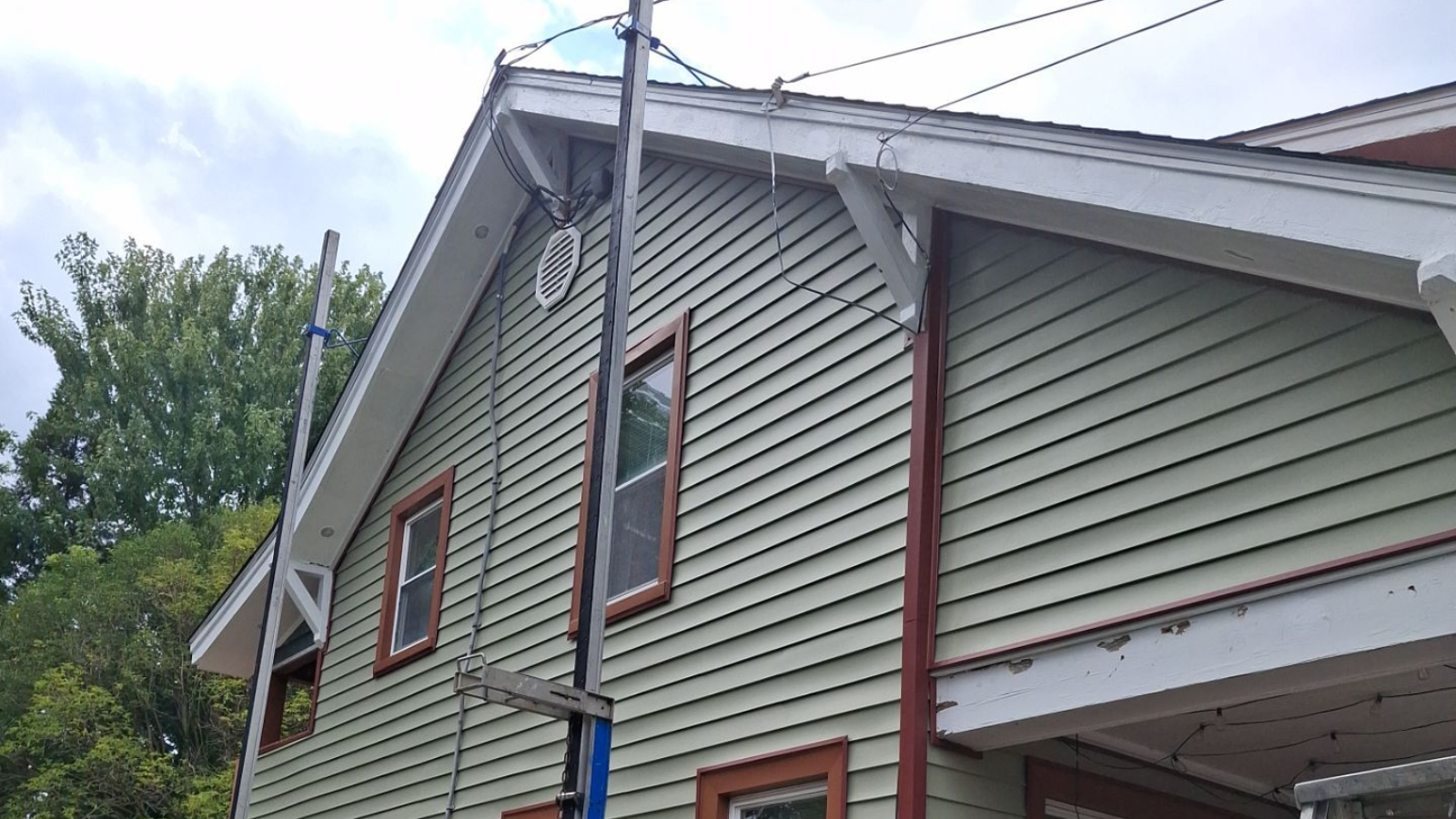
Siding details are the small transition points where the exterior changes direction, meets another material, ends at an opening, or has to accommodate movement. For a buyer, that means paying attention to window and door flashing, trim, corner posts, utility penetrations, roof-to-wall areas, soffit and fascia connections, lower-edge clearances, caulking, and the weather-resistant materials behind the visible siding.
Good details quietly move water away and allow the wall to perform. Poor details often leave clues long before a major leak appears.
1. Window and Door Edges Can Reveal More Than the Siding Itself
Windows and doors interrupt the exterior wall, which makes the surrounding area especially important for moisture control. The siding may look perfect while the flashing or sealant around an opening is failing.
During a home tour, look at the upper corners of windows, the trim directly below them, and the siding courses nearby. Staining, swelling, soft trim, peeling paint, separated caulk, or warped panels can suggest that water has been getting where it should not.
Proper window flashing is designed to manage water behind the visible exterior finish, not simply rely on a bead of caulk to keep the wall dry. Caulk is useful, but it ages. It can shrink, split, or pull away as materials expand and contract.
This is one of the most important siding details Virginia Beach home buyers can ask about because wind-driven rain can expose weak window transitions quickly. If you notice repeated sealant patches around the same opening, it is reasonable to ask whether the underlying flashing was ever evaluated.
2. The Bottom Edge of the Siding Matters
Most buyers look at siding at eye level. A contractor often looks down.
The lowest courses of siding can reveal moisture exposure, landscaping problems, poor clearance, splashback, pest access, and previous repairs. Siding that sits too close to soil, mulch, a deck surface, or another horizontal area may stay damp longer and may be more vulnerable to deterioration depending on the material.
Fiber cement, engineered wood, wood siding, and trim materials each have manufacturer-specific clearance requirements. Vinyl siding behaves differently, but the wall system behind it still needs proper drainage and protection.
When reviewing siding details Virginia Beach properties have near ground level, look for dirt lines, algae, swelling, crumbling edges, soft trim, and areas where landscaping is pressed directly against the wall. These signs do not automatically prove hidden damage, but they are good reasons to look closer.
A beautifully landscaped home can actually make this problem easier to miss. Fresh mulch or dense shrubs may cover the bottom edge of the siding during a showing, so take a moment to look behind landscaping where possible.
3. Caulk Should Look Intentional, Not Like a Rescue Mission
A clean, properly placed sealant joint can be part of a good siding installation. Thick layers of mismatched caulk smeared over seams are a different story.
Heavy caulking can sometimes mean a previous owner was trying to stop a leak without identifying where water was actually entering. If you see multiple layers of sealant around windows, doors, vents, corner boards, or siding joints, ask why.
Some siding systems also require certain joints to remain open or be detailed in a specific way so water can drain and materials can move. That is why more caulk does not automatically mean better protection.
Experienced siding contractors look at whether the sealant is being used in the correct location, whether it remains flexible, and whether the surrounding detail makes sense.
For a home buyer, this is one of those simple visual clues that can lead to much better questions before closing.
4. Corners and Trim Are More Than Decorative
Corner boards, corner posts, window trim, and door trim do more than finish the look of a home. They protect edges and help manage transitions where materials meet. Loose pieces, open joints, deteriorated trim, missing caps, or gaps large enough to see behind the siding deserve attention.
If the siding looks newer but the surrounding trim is much more deteriorated, ask whether the visible cladding was replaced while older problem areas remained. These siding details Virginia Beach buyers can see from the ground often reveal a lot about workmanship and maintenance history.
Look closely around garage doors, porch areas, bay windows, exterior doors, and additions. These locations often have more transitions and joints than a simple uninterrupted wall.
Small details become especially important when multiple materials meet. Vinyl siding touching brick, fiber cement meeting stone veneer, or siding connecting to porch roofs all require careful water management.
5. Siding Needs Room to Move
Vinyl siding expands and contracts as temperatures change. It is designed to hang from fasteners rather than be nailed rigidly against the wall. If installed too tightly, panels can buckle, ripple, or distort.
Look along the wall from an angle rather than directly in front of it. Waves and uneven courses are often easier to see that way.
A wavy wall does not automatically mean the structure is failing. The cause may be improper fastening, heat exposure, damaged panels, or an issue with the wall beneath.
Still, visible distortion is worth investigating, especially if it appears across several elevations.
A professional siding inspection can help determine whether the problem is mainly cosmetic or whether installation corrections should be considered.
6. What Is Behind the Siding Matters Just as Much
The siding you see is only the outer layer.
Behind many siding systems is a water-resistive barrier, flashing, and sheathing. These hidden components matter because exterior cladding is not supposed to be the only defense against water.
If water has been entering around a window or penetration for years, replacing one damaged panel may not solve the real problem.
Contractors therefore look for indirect clues such as swelling, staining, soft trim, recurring sealant repairs, musty interior areas, or deterioration around openings.
This is especially important when looking at an older Virginia Beach home where the exterior may have gone through several rounds of repairs or renovations.
A siding system can look surprisingly good from the outside while the materials behind one vulnerable section are beginning to deteriorate.
7. Utility Penetrations Are Small Openings With Big Potential
Exterior lights, hose bibs, electrical boxes, cable lines, dryer vents, exhaust vents, and pipes all create openings through the wall.
Look for loose mounting blocks, oversized gaps, rough cuts, or old caulk pulling away.
These small penetrations are easy to miss during a showing, but they are exactly where careful water management matters.
A cable line added years after the original siding installation, for example, may not have been integrated into the wall with the same care as the original construction.
The same applies to replacement exterior lights, security equipment, internet lines, and new exhaust vents.
One small opening may not look concerning on a sunny afternoon, but repeated wind-driven rain can test that detail over time.
8. Soffit, Fascia, Gutters, and Siding Should Work Together
A siding problem can actually begin above the siding.
Overflowing gutters, damaged fascia, failing roof edges, or poorly directed downspouts can repeatedly wet one section of wall. If one area looks more stained or weathered than the rest, look upward.
At Reitzel Roofing & Exteriors, we evaluate the exterior as a connected system because roofing, gutters, soffit, fascia, flashing, windows, and siding all influence where water goes.
A water stain on siding below a roof edge may have very little to do with the siding itself. Fixing the visible stain without correcting the drainage problem means the same area may simply become wet again.
This is why exterior inspection should focus on how the entire home manages water rather than evaluating every component in isolation.
A Home Buyer’s Siding Detail Checklist
| Siding Area | What You May Notice | What It Could Mean | What to Ask |
| Around windows and doors | Failed caulk, stains, soft trim | Possible flashing or moisture issue | Has this opening leaked or been repaired before? |
| Lower wall sections | Swelling, algae, dirt lines, deterioration | Poor clearance or repeated moisture exposure | Is the siding too close to soil, mulch, or hardscape? |
| Corners and trim | Loose pieces, gaps, deterioration, mismatched repairs | Aging materials or installation problems | Is the damage isolated or part of a larger wall issue? |
| Vinyl siding panels | Waves, buckling, loose courses | Tight fastening, heat distortion, or poor installation | Can the panels move as designed? |
| Utility penetrations | Open gaps or excessive caulk | Weak moisture-management detail | Is the penetration properly integrated with the siding? |
| Roof-to-wall areas | Staining or deteriorated siding | Runoff, flashing, gutter, or roof-edge issue | Is water being directed away correctly? |
| Multiple patched areas | Different colors, repeated sealant, pieced-in panels | Previous damage or recurring repairs | What caused the original damage? |
| Interior side of exterior walls | Musty odor, stains, soft drywall | Possible moisture intrusion | Should the wall assembly be investigated further? |
Virginia Home Inspection Standards Give Buyers a Reason to Look Closer
There is a useful local reason to take exterior wall details seriously during a home purchase.
Virginia’s standards for licensed home inspection reports specifically identify exterior wall covering, flashing, and trim among the exterior systems and components that are inspected when readily accessible.
That does not mean a standard home inspection can uncover every concealed siding defect. Inspectors generally cannot see what is hidden behind intact exterior materials without invasive investigation.
However, it reinforces something important for buyers: siding, trim, flashing, and exterior transitions are not merely cosmetic details.
If your inspection report flags loose siding, damaged trim, questionable flashing, or signs of moisture, do not treat the note as cosmetic without understanding it. Those siding details Virginia Beach inspectors flag can be the first clue that a closer exterior evaluation is worthwhile.
A follow-up siding inspection can help determine whether you are looking at routine maintenance, a localized repair, or evidence of a larger moisture problem.
Ask About Permits When the Siding Looks New
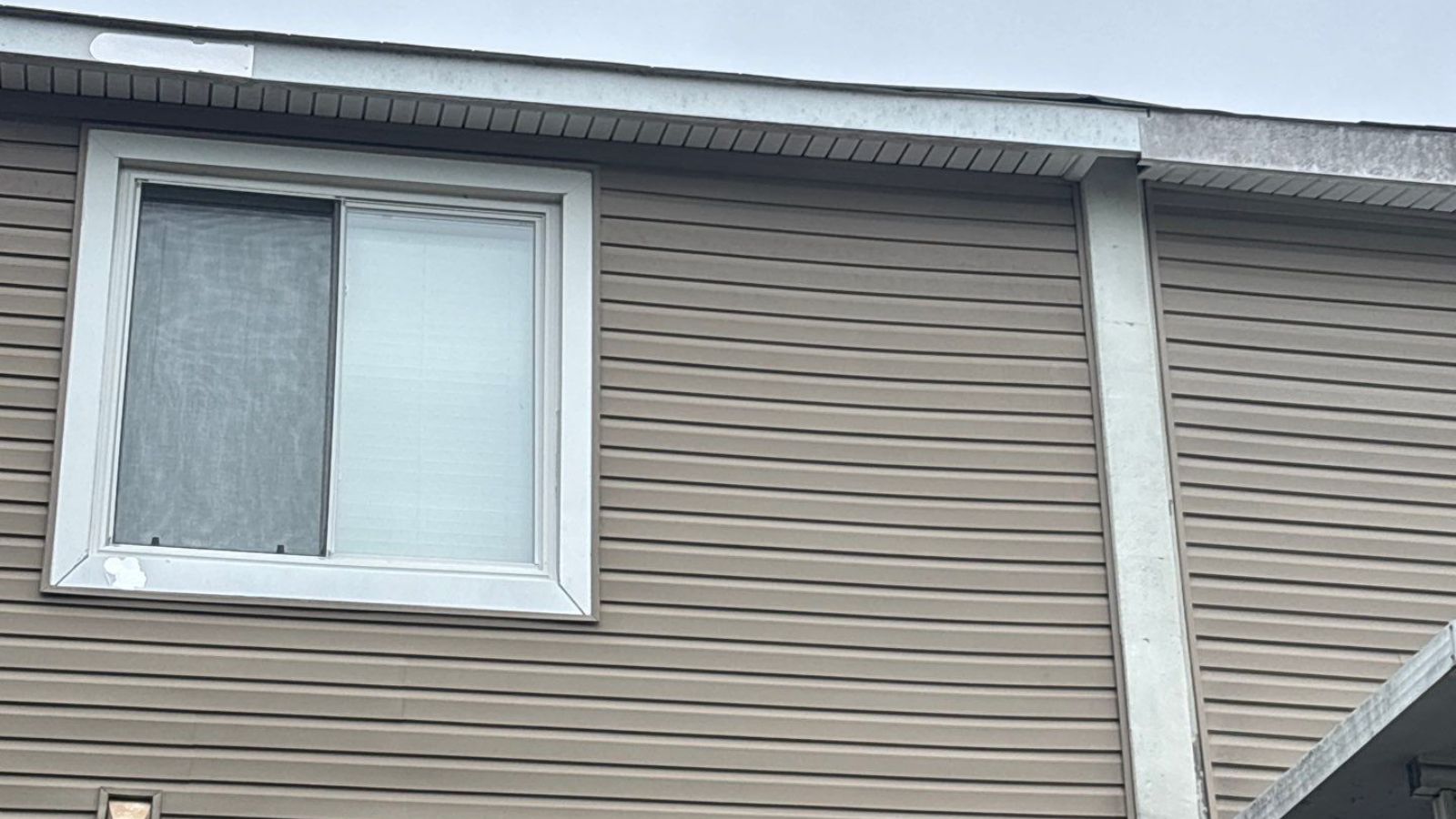
Brand-new siding can make a house instantly more attractive, but buyers should still ask questions.
According to the City of Virginia Beach, siding replacement is among residential building activities requiring permits, and the city’s generic inspection schedule lists siding work for a final inspection.
For someone purchasing a recently renovated home, that makes permit records worth asking about.
Fresh siding can be a positive feature, but “new” and “properly installed” are not the same question. For siding details Virginia Beach buyers cannot verify by sight alone, permit and contractor records can add useful context.
Ask who performed the work, when it was completed, what siding material was installed, whether permits were obtained when required, and whether invoices or warranties are available.
Good documentation can give you much more confidence about what you are inheriting.
Mismatched Repairs Can Tell a Story
A different-colored panel does not automatically mean trouble.
Siding fades, manufacturers discontinue colors, and small repairs sometimes require the closest available match.
Still, several patched sections can point to past storm damage, impact damage, moisture repair, an addition, or repeated maintenance.
Look at whether replacement pieces lie flat and whether trim, flashing, and joints around them appear professionally finished.
When siding details Virginia Beach homes show multiple generations of patchwork, ask what caused the original damage and whether repair records are available.
The objective is not to reject a property simply because it has been repaired. Homes need maintenance.
You simply want to know whether the repair corrected the source of the problem.
Cosmetic Aging, Storm Damage, and Real Warning Signs
Virginia Beach weather can change the appearance of siding over time.
Sun can fade one elevation faster than another, while shaded walls may develop algae or staining because they stay damp longer. Cosmetic aging is different from functional failure.
Pay more attention when discoloration appears with cracking, warping, swelling, loose panels, soft trim, dents, impact marks, or interior moisture.
After storms, wind can loosen siding without tearing it completely away, and debris can crack or dent exterior materials.
If only one side of a home has newer siding or obvious patching, ask whether previous storm damage was involved.
The goal is not to treat every mark as a major defect. It is to separate normal weathering from exterior siding damage that may affect the wall beneath it.
Moisture Damage Is Often a System Problem
If moisture is discovered behind siding, one of the most important questions is simple:
Where did the water come from?
Replacing the damaged exterior panel without answering that question may leave the original problem untouched.
The source could be failed window flashing, a roof-to-wall transition, overflowing gutters, damaged house wrap, poor lower-wall clearance, deteriorated sealant, or even a plumbing issue originating inside the home.
This is where siding details Virginia Beach buyers overlook become especially important. The visible damage may appear near the bottom of the wall while the water actually entered several feet above it.
A good repair fixes the source, not simply the symptom.
For a buyer, knowing the cause before closing is much more valuable than receiving a vague estimate to “repair siding.”
Repair or Replace? Let the Condition Decide
Not every siding concern calls for full replacement.
A few loose vinyl panels, localized trim damage, one damaged corner, or a small problem around a penetration may be repairable.
Replacement becomes a more serious conversation when deterioration is widespread, moisture has damaged the substrate, large areas are brittle or warped, matching material is unavailable, or the installation itself is fundamentally flawed.
For buyers, the best decision comes from understanding the cause, repairability, remaining service life, and condition of the wall behind the cladding.
A professional review of siding details Virginia Beach homes display can help distinguish a manageable repair from a larger exterior project.
At Reitzel Roofing & Exteriors, our goal is not to make every exterior concern sound like a full replacement.
It is to help homeowners understand what the condition actually calls for.
Older or Recently Renovated Homes Deserve Better Questions
An older home deserves questions about siding age, maintenance, previous repairs, and remaining service life.
A recently renovated home deserves a different set of questions.
What was removed?
Was old siding covered rather than removed?
Was damaged sheathing discovered?
If so, was it repaired?
Were windows and doors properly integrated with the new exterior?
Was the water-resistive barrier repaired or replaced where necessary?
If siding was installed shortly before the property was listed, ask who performed the work and whether permits, invoices, warranties, or inspection records are available.
New-looking siding can absolutely be a positive feature, but documentation helps you understand whether the improvement was mainly cosmetic or part of a properly completed exterior project.
These are siding details Virginia Beach buyers should not skip simply because the house photographs well.
Why a Local Exterior Inspection Can Be Worth It Before Closing
A general home inspector evaluates many systems, so a siding-specific concern may deserve a more focused follow-up on the siding details Virginia Beach buyers need clarified.
An exterior contractor can help determine whether moisture is active, whether materials are repairable, whether flashing and transitions make sense, and whether a problem appears isolated or widespread.
That does not mean every inspection note requires another contractor.
But when there is visible deterioration, evidence of moisture, significant storm damage, poorly completed repairs, or uncertainty about a recent siding installation, obtaining a specialized opinion can give you a much clearer picture.
For buyers, a professional look at siding details Virginia Beach properties rely on can turn a vague inspection note into a realistic repair plan before closing.
Knowing you may need a manageable repair is very different from discovering widespread sheathing damage after you have already moved in.
What Reitzel Roofing & Exteriors Looks For
When evaluating siding details Virginia Beach homeowners depend on, we are not interested only in whether the exterior looks attractive from the street.
We look at how the pieces work together.
That includes panel condition, trim, penetrations, window and door transitions, caulking, roof-to-wall areas, soffit, fascia, signs of storm damage, drainage patterns, visible moisture clues, and the overall quality of previous repairs.
We also pay attention to context.
One cracked panel from an isolated impact is different from widespread brittleness.
A small algae stain is different from swollen material beneath a leaking window.
A neat, documented repair is different from a wall covered with temporary patches.
For home buyers, understanding siding details Virginia Beach properties rely on can replace vague worry with specific information.
And specific information makes it much easier to make a confident decision about the home in front of you.
The Details You Barely Notice Can Tell You the Most
When you are buying a home, it is easy to be impressed by fresh paint, a new front door, clean landscaping, and siding that looks great in listing photos.
But the exterior tells its real story in the siding details Virginia Beach buyers are most likely to miss.
Look around the windows.
Look at the bottom courses.
Check the corners, exterior vents, utility boxes, roof transitions, soffit, fascia, and the side or back of the house that probably never appeared in the listing photos.
The siding details Virginia Beach home buyers take time to notice can reveal how carefully the home was maintained, how thoughtfully previous repairs were completed, and whether moisture has been given an opportunity to reach places it does not belong.
You are not looking for a perfect house. Almost every home will have maintenance needs eventually.
You are looking for clarity.
If something about the exterior does not look right, you do not have to guess.
Before you inherit someone else’s exterior problem, make sure you know what is behind the curb appeal.
A closer look today can give you far more confidence in the home you are planning to call your own.
FAQS
1: How can I tell whether siding damage on a Virginia Beach home is cosmetic or something more serious?
A: Start by looking at whether the issue affects only appearance or whether the material is physically changing. Fading, light staining, and normal weathering can be cosmetic, especially on walls that receive strong afternoon sun or remain shaded and damp for longer periods. Cracking, warping, loose panels, swelling, soft trim, repeated caulk patches, gaps around openings, or interior staining deserve more attention because they can point to material deterioration, poor installation, or moisture intrusion. Here in Virginia Beach, weather exposure can vary considerably from one side of a home to another, so walk around the entire property instead of judging the siding only from the front. If you are unsure, a professional exterior inspection can help determine whether you are looking at cleaning and routine maintenance or a condition that should be repaired before it spreads.
2: Does damaged siding mean I should ask the seller to replace all of it before closing?
A: Usually not. The appropriate solution depends on what caused the damage and how widespread it is. A handful of loose panels, one damaged corner, localized trim deterioration, or a small impact area may be suitable for targeted siding repair rather than full replacement. On the other hand, widespread cracking, extensive moisture damage, severe warping, repeated patchwork, deteriorated materials, or a poorly installed exterior may justify a much larger discussion. Before assuming either extreme, have the condition evaluated and ask whether previous siding work is documented. As a buyer, your goal is to understand what actually needs attention, how urgent the repair is, whether matching materials are available, and whether the wall behind the damaged area remains sound.
3: What type of siding works best for homes in Virginia Beach?
A: There is no single siding material that is automatically best for every Virginia Beach property. Vinyl siding, fiber cement siding, engineered products, and other cladding systems can all perform well when the material is appropriate for the house and installed according to its requirements. What matters just as much as the siding itself is the quality of the flashing, water management, fasteners, clearances, trim, penetrations, and installation around windows and doors. Coastal weather also makes ongoing exterior maintenance important regardless of which product you choose. When comparing homes, do not let a premium material name distract you from installation quality. A properly installed and well-maintained siding system is generally a much better sign than an expensive product surrounded by questionable exterior details.
4: Shouldn’t my regular home inspector catch siding problems?
A: A Virginia home inspection does include visible exterior components such as wall covering, flashing, and trim, so your inspector can identify many important concerns. However, a general home inspection is not the same as opening exterior walls or performing a specialized siding diagnosis, and concealed conditions may not be visible during a routine inspection. If the report mentions soft trim, loose siding, moisture staining, questionable flashing, unusual repairs, or deteriorated areas, a focused evaluation by an exterior contractor can provide more detail about the likely cause and repair scope. This can be especially useful for home buyers because knowing whether a concern is a small maintenance item or the visible symptom of a larger wall problem can significantly change how you plan for the property.
5: Can overlooked siding problems lead to expensive damage inside the home?
A: They can, particularly when a siding or flashing problem allows repeated moisture to reach materials behind the exterior cladding. A small opening around a window, loose corner, damaged utility penetration, failed roof-to-wall transition, or poorly managed drainage area may eventually allow moisture to affect sheathing, insulation, framing, or interior finishes. That does not mean every cracked panel is hiding major damage, but it is why siding details Virginia Beach homeowners and buyers notice should be evaluated in context instead of automatically being dismissed as cosmetic. The sooner the source of moisture is identified, the better the opportunity to keep the repair localized. For buyers, discovering that information before closing gives you time to understand the condition and plan properly rather than being surprised by an exterior problem after moving in.