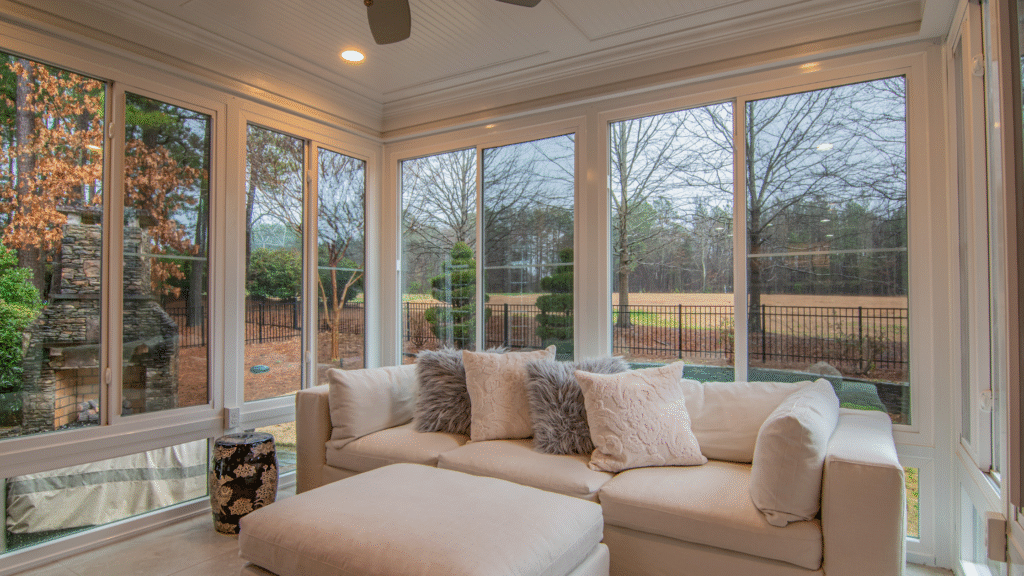
A sunroom is meant to bring light, comfort, and beauty into your home. But when problems start overhead, even small issues can quickly turn into big expenses. Sunroom roof repairs help protect your home, keep energy costs under control, and extend the life of your sunroom.
Sunroom roofs face more stress than standard roofing. Because they are exposed to constant sunlight, rain, and temperature changes, damage happens faster. Acting early can save money, prevent water damage, and keep your space usable year-round.
Why Sunroom Roof Repairs Are Vulnerable to Damage
Sunroom roofs are usually made from glass or polycarbonate panels. These materials allow sunlight inside but are more sensitive to weather and aging. Sealants, flashing, and joints weaken over time, allowing moisture to enter.
Timely repairs matter because small leaks can lead to mold growth, structural damage, and higher energy bills. Delaying sunroom roof repairs often leads to larger and more expensive fixes later.
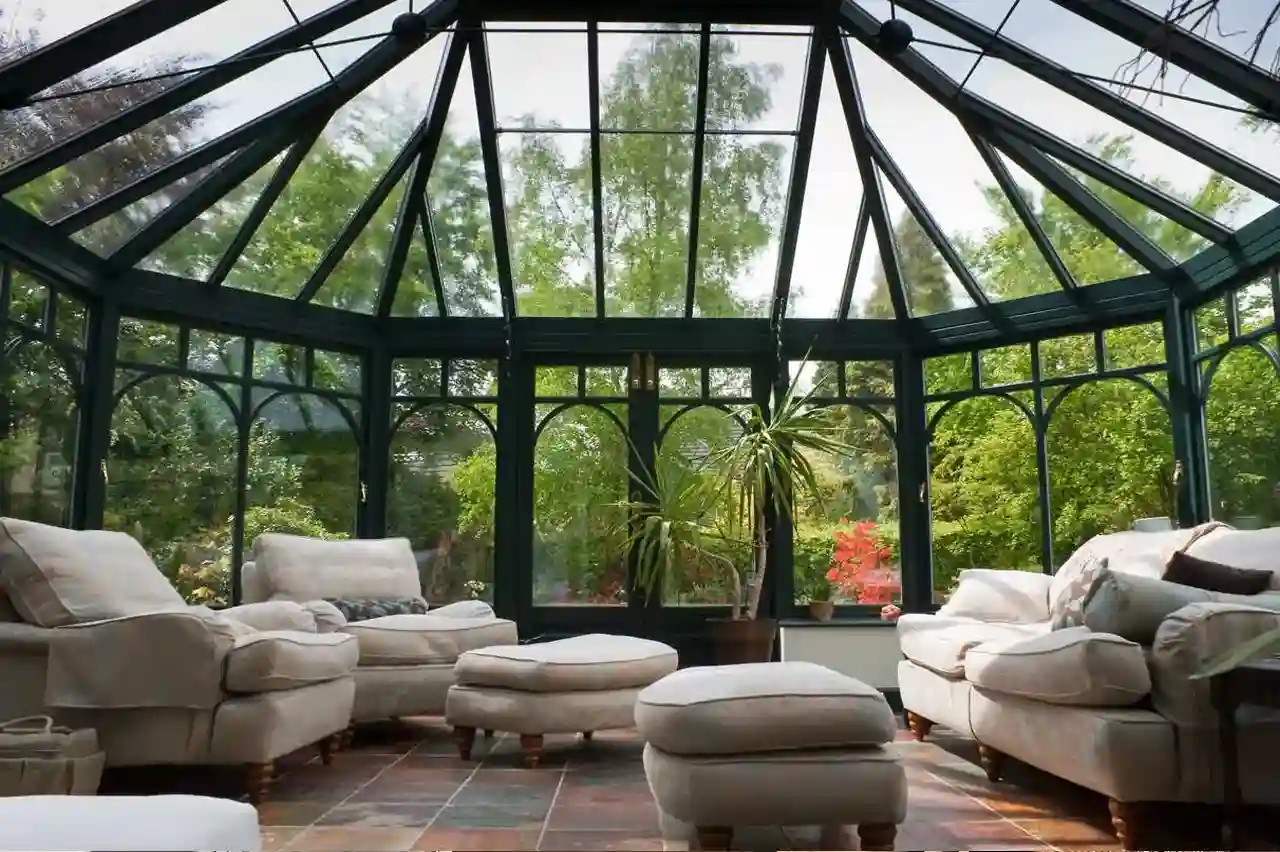
Signs Your Sunroom Roof Needs Repairs
Water Leaks and Interior Water Damage
Dripping water, stained ceilings, or damp floors are clear signs of roof problems. Even a small leak can spread quickly.
Sagging or Bowing Ceiling
A sagging roof usually means water buildup or weakened support structures, which should be addressed immediately.
Visible Cracks and Holes in Panels
Cracks in glass or polycarbonate panels allow water and air to enter, lowering insulation and comfort.
Mold and Mildew Growth
Moisture trapped inside the roof system often causes mold, which can affect both health and indoor air quality.
Increased Energy Bills
Damaged roofing allows heat to escape in winter and enter in summer, forcing HVAC systems to work harder.
Aging Materials
Over time, sun exposure breaks down sealants and panels, making repairs unavoidable.
Common Causes of Sunroom Roof Damage
Damaged or Corroded Flashing
Flashing seals roof edges and joints. When it corrodes or loosens, leaks develop quickly.
Failed Sealant Around Seams
Old sealants dry out and crack, especially under strong UV exposure.
Storm and Weather Damage
Heavy rain, strong winds, snow, and hail put stress on sunroom roofs year after year.
Aging Polycarbonate or Glass Panels
As materials age, they become brittle and lose water resistance.
Clogged Gutters and Drainage Issues
Blocked drainage causes water to pool near roof seams, increasing the risk of leaks.
DIY vs. Professional Sunroom Roof Repairs
When You Can Handle Minor Repairs Yourself
Small sealant cracks or loose fasteners can sometimes be repaired with basic tools.
Tools and Materials Needed
Common tools include a ladder, cleaning supplies, roof-grade sealant, gloves, and safety glasses.
Safety Considerations
Working overhead is risky. Slippery surfaces, fragile panels, and height increase injury risk.
When to Call Professionals
Large leaks, structural sagging, broken panels, or repeated damage should be handled by professionals specializing in sunroom roof repairs.
Step-by-Step DIY Repair Process
Identifying the Leak Source
Inspect joints, seams, flashing, and panel edges during or after rainfall.
Cleaning and Preparing the Area
Remove dirt, debris, and old sealant so the new material can bond properly.
Choosing the Right Sealant
Silicone for flexibility and UV resistance
Polyurethane for strong adhesion
Butyl rubber for waterproof sealing
Application Techniques
Apply sealant evenly, press firmly into seams, and smooth for a clean finish.
Testing the Repair
After curing, run water over the repair area to ensure no leaks remain.
Professional Repair Solutions
Full Roof Replacement Options
If panels or support systems are beyond repair, replacement may be the best long-term solution.
Waterproof Membrane Installation
Membranes provide extra leak protection and increase roof lifespan.
Protective Coating Applications
UV-resistant coatings help prevent future damage and reduce heat absorption.
Finding Qualified Contractors
Choose licensed, insured professionals with experience in sunroom roofing systems and sunroom roof repairs.
Cost Considerations
Average Repair Costs by Damage Type
Minor sealant repairs: low cost
Panel replacement: moderate cost
Structural or leak damage: higher cost
Replacement vs. Repair Cost Comparison
Repairs are cheaper short-term, but repeated repairs may cost more than replacement over time.
Insurance Coverage Factors
Storm or weather-related damage may be covered, depending on policy terms.
Join Our Community
Join our community on Facebook, and don’t forget to subscribe to us on YouTube for new content each week.
Final Thoughts & Call-to-Action
Ignoring roof problems can turn a relaxing sunroom into a costly headache. Early inspections and timely sunroom roof repairs keep your space safe, energy-efficient, and comfortable.
If you notice leaks, cracks, or aging materials, don’t wait. Contact Reitzel Roofing and Exteriors today to protect your investment and enjoy your sunroom worry-free for years to come.
FAQs
1. How do I know my sunroom roof needs repairs?
Leaks, sagging panels, visible cracks, mold growth, and rising energy bills usually indicate the need for sunroom roof repairs.
2. Can I fix a leaking sunroom roof myself?
Minor sealant cracks can be DIY, but structural damage or repeated leaks require professional sunroom roof repairs.
3. What causes most sunroom roof leaks?
Common causes include failed sealants, damaged flashing, storm exposure, aging panels, and poor drainage.
4. Are sunroom roof repairs cheaper than replacement?
Repairs cost less short term, but frequent issues may make full replacement more cost-effective over time.
5. Does insurance cover sunroom roof damage?
Insurance may cover storm-related damage, but coverage depends on policy terms and roof condition.