The wind dies down, the rain stops, and you finally step outside to survey the damage, and there it is: cracked panels, dented sections, maybe even a gap where a piece blew clean off. If you’re standing in your yard right now wondering whether that’s something you can patch up or something that needs a full replacement, you’re asking exactly the question every homeowner in this situation eventually has to answer. Storm damaged siding Virginia Beach homeowners deal with is one of the most common calls we get after any major weather event, and the honest truth is that the answer isn’t always obvious just from looking at it.
Why Storm Damaged Siding Virginia Beach Homeowners Face Is So Common Here
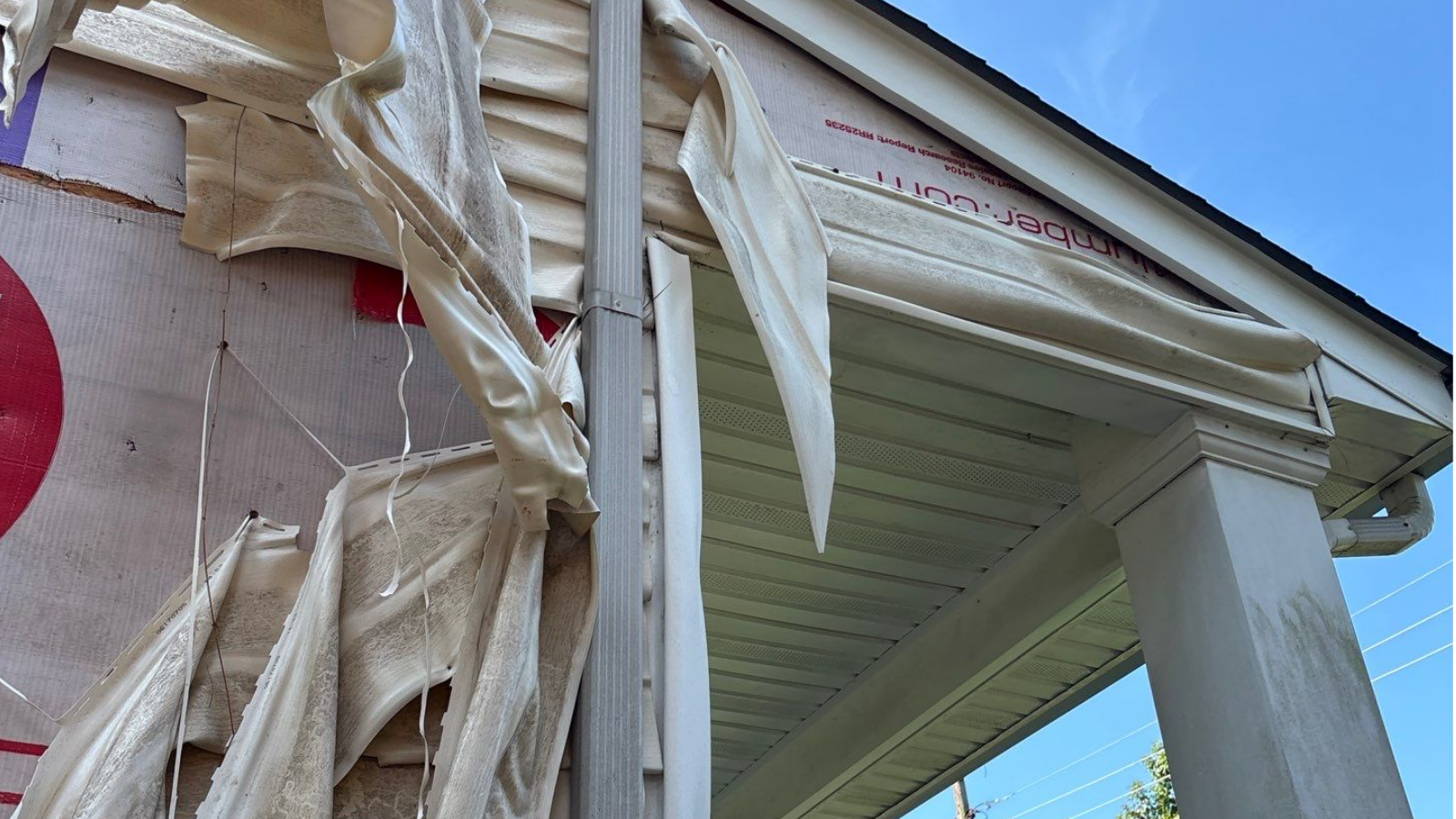
Virginia Beach sits in a uniquely tough spot for exterior materials. Between hurricane season stretching from June through November, frequent nor’easters, salt air rolling in off the Atlantic, and humidity that never really lets up, siding here takes a beating that homeowners further inland simply don’t have to think about. High winds send debris flying into exterior walls, hail dents and cracks panels, and heavy, wind-driven rain finds its way into even small gaps and seams.
That combination is exactly why storm damaged siding Virginia Beach contractors see so often isn’t limited to obviously dramatic damage. Sometimes it’s subtle: a slightly warped panel, a seam that’s pulled apart just enough to let moisture in, or a section that looks fine from the street but is hiding water damage underneath. Understanding this local reality is the first step toward taking your own siding damage seriously, even when it doesn’t look catastrophic at first glance.
Signs Your Siding Has Storm Damage
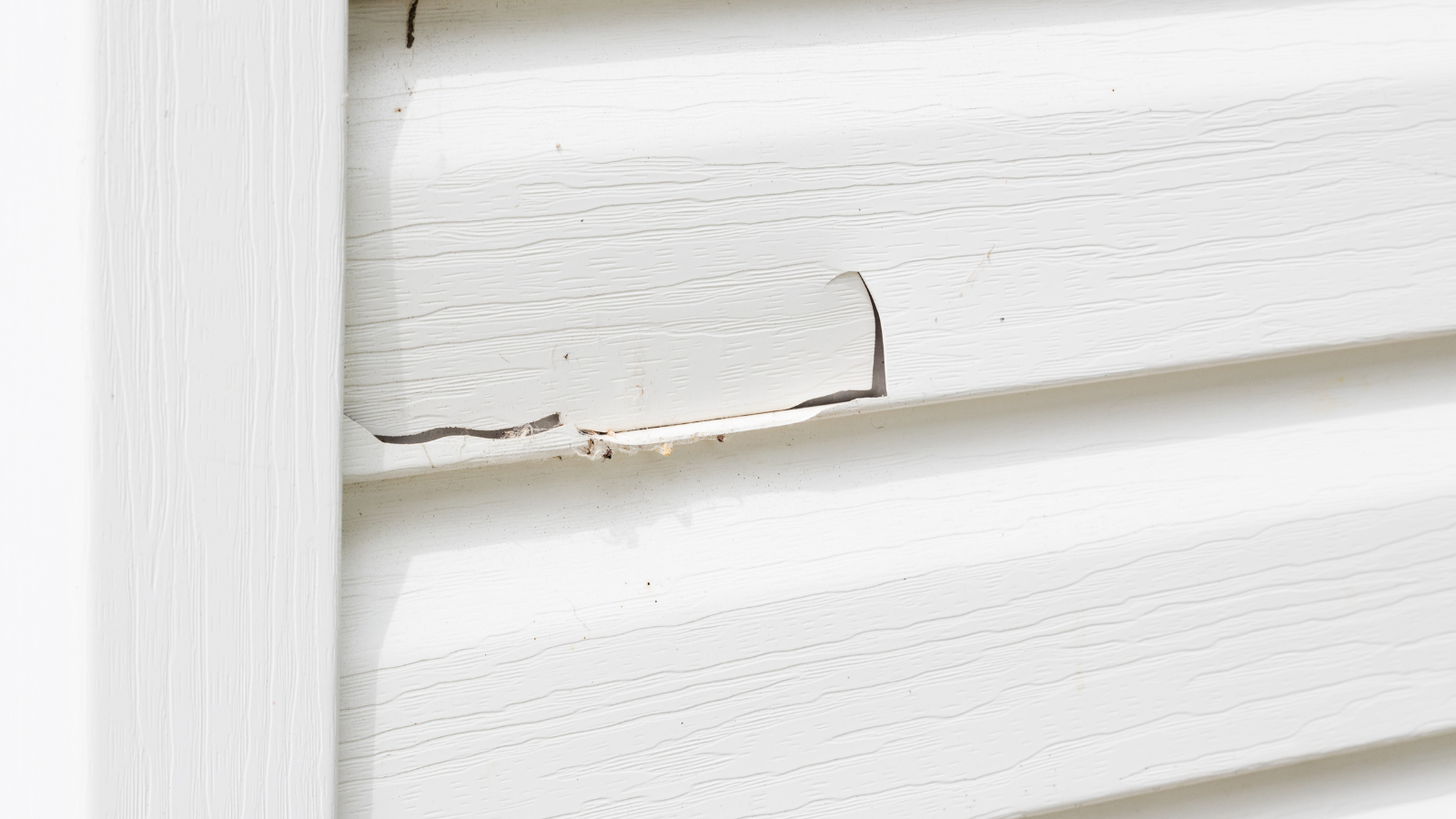
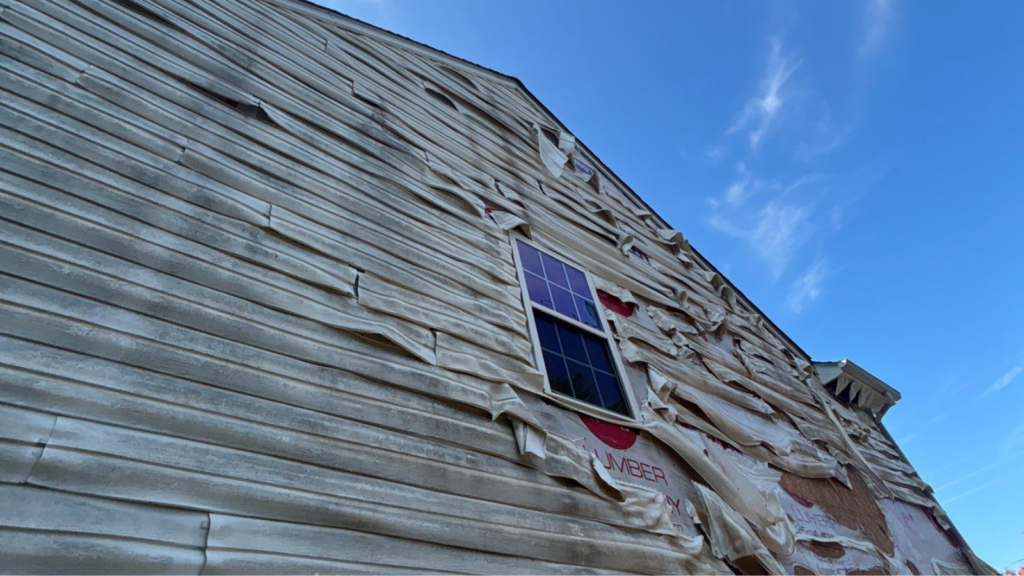
Not all damage announces itself clearly, so it helps to know what to actually look for. Cracked or split panels are the most obvious sign, often caused by flying debris or hail impact. Warping or buckling, where the siding no longer lies flat against the wall, usually points to heat exposure combined with wind stress, or moisture that’s already gotten underneath.
Loose or missing panels are another clear indicator, especially after high-wind events, and they leave your home’s sheathing exposed to further water intrusion until they’re addressed. Dents, particularly common with vinyl and aluminum siding after hail, might seem cosmetic but can compromise the material’s structural integrity over time. And discoloration or staining, especially in streaks running down from a damaged seam, often signals that water has already been finding its way behind the siding for longer than you’d expect.
Table: Siding Damage Severity and What It Usually Means
| Damage Level | What You’ll Typically See | Recommended Next Step |
| Minor | A few scuffs, small dents, minor discoloration | Monitor and schedule a routine inspection |
| Moderate | Cracked panels, visible warping, a loose section or two | Schedule an inspection within a week |
| Significant | Multiple missing panels, exposed sheathing, visible gaps | Get a professional assessment within 48 hours |
| Severe | Large sections torn away, structural damage visible, water actively entering | Schedule emergency repair or temporary covering immediately |
| Widespread | Damage across most or all exterior walls, aging siding underneath already compromised | Full replacement is typically the most cost-effective long-term option |
This table offers a general starting point, but storm damaged siding Virginia Beach homes experience can look different depending on the material, the age of the siding, and how the damage actually occurred. A professional inspection is always the most reliable way to know exactly where your home falls on this spectrum.
Repair or Replace? How to Actually Decide
This is the question at the heart of almost every conversation we have with homeowners after a storm, and the answer depends on a handful of specific factors rather than a single rule of thumb.
Age of Your Siding
Siding installed within the last ten years, in otherwise good condition before the storm, is usually a strong candidate for a targeted repair. Siding that’s already fifteen to twenty years old, nearing or past its expected lifespan, often makes more sense to replace outright, since patching old material rarely matches seamlessly and doesn’t address the underlying wear that made it vulnerable in the first place.
Extent of the Damage
A handful of cracked or dented panels in one section is generally repairable. Damage spread across multiple walls, or damage that’s compromised the underlying sheathing, usually points toward replacement being the more sensible long-term choice, both financially and structurally.
Material Availability
Matching an exact discontinued color or profile can be difficult, particularly with vinyl siding that’s faded slightly over the years from sun exposure. If an exact match isn’t available, a patchwork repair can leave your home looking noticeably uneven, which pushes many homeowners toward a full replacement instead, especially on street-facing walls.
Water Intrusion
If water has already made its way behind the siding and into the sheathing or insulation, a simple panel swap won’t solve the underlying problem. In these cases, replacement isn’t just about appearance, it’s about addressing water damage that could lead to mold or structural issues if left unresolved.
Working through storm damaged siding Virginia Beach repair decisions with a contractor who explains these factors honestly, rather than defaulting to whichever option is more profitable for them, makes a real difference in how confident you feel about the final decision.
Understanding the Insurance Claims Process
Most homeowners insurance policies cover storm-related siding damage, particularly when it results from wind, hail, or debris impact rather than gradual wear and tear or lack of maintenance. As with any storm damage claim, documentation matters enormously. Take clear photos and video of the damage from multiple angles before any cleanup or temporary repairs begin, and keep a written log of every conversation with your insurance company, including dates and names.
It’s worth asking your adjuster directly whether your policy covers full replacement if an exact material match isn’t available, since some policies include this provision and others don’t. Getting an independent contractor estimate for storm damaged siding Virginia Beach repairs, separate from whatever the insurance adjuster proposes, gives you a valuable point of comparison before agreeing to any settlement figure.
Common Siding Materials and How They Handle Storm Damage
Different materials respond to storm impact in different ways, which affects both the likelihood of damage and the repair-versus-replace decision.
Vinyl Siding
The most common material in this region, vinyl is affordable and relatively easy to repair in small sections, but it can crack in cold temperatures and shows dents from hail more visibly than other materials. Color matching for repairs can also be tricky if your siding has faded over time.
Fiber Cement Siding
Known for durability and better wind resistance than vinyl, fiber cement holds up well against most storm impacts but can chip or crack under direct, forceful impact from large debris. Repairs are possible but require more specialized skill than vinyl.
Wood Siding
Less common in newer Virginia Beach construction but still present in many older homes, wood siding is particularly vulnerable to water intrusion after storm damage, since moisture trapped behind a cracked or warped board can lead to rot fairly quickly in our humid climate.
Aluminum Siding
Durable against wind but prone to denting from hail, aluminum siding damage is often cosmetic rather than structural, though repeated dents over years of storm exposure can eventually compromise the material’s protective seal.
Knowing what material you’re working with helps set realistic expectations for how a storm damaged siding Virginia Beach repair or replacement project will actually unfold, including cost, timeline, and how well any repaired sections will blend with the rest of your home.
What to Expect During a Professional Inspection
A thorough inspection goes beyond a quick glance from the driveway. A professional will examine every exterior wall, not just the side that took the most visible damage, since wind-driven debris can affect areas you might not think to check. They’ll look behind loose or damaged panels for signs of moisture intrusion into the sheathing, check window and door trim for related damage, and assess whether the damage is purely cosmetic or has compromised the siding’s ability to protect your home from future weather.
This is also the point where a contractor should give you an honest read on repair versus replacement, backed by specific findings rather than a general recommendation. At Reitzel Roofing and Exteriors, every inspection for storm damaged siding Virginia Beach properties includes photo documentation and a clear, written explanation of what we found and why we’re recommending a particular path forward.
Cost Considerations for Repair Versus Replacement
Costs vary considerably depending on material, the extent of damage, and your home’s size, but having general ranges in mind helps you evaluate whether an estimate seems reasonable. Minor panel repairs, replacing a handful of damaged sections, often fall in a modest range, particularly with vinyl siding where materials are relatively inexpensive. Moderate repairs involving a full wall section or two typically cost more, especially if sheathing repair is also needed underneath.
Full siding replacement represents a bigger investment upfront but often makes more financial sense when damage is widespread or when your existing siding was already aging. It also gives you the opportunity to upgrade to a more storm-resistant material, which can reduce the likelihood of significant storm damaged siding Virginia Beach repairs the next time a major storm rolls through.
How to Choose the Right Contractor for Siding Repair
With so many contractors advertising storm response services, particularly in the days right after a major weather event, it’s worth taking a few extra minutes to vet who you’re hiring. Confirm they’re licensed and insured to work in Virginia, ask whether they specialize in siding specifically or primarily focus on roofing with siding as an afterthought, and request references or examples of similar repair work they’ve completed locally.
A reputable contractor will also be upfront about whether an exact material match is realistic for your home, rather than promising a seamless repair that isn’t actually achievable. Getting this level of honesty during the estimate process is one of the clearest signs you’re working with a company that will handle your storm damaged siding Virginia Beach project the right way from start to finish.
Preventing Future Storm Damage
While you can’t control the weather, a few proactive steps meaningfully reduce your risk. Trim back trees and large shrubs near your home’s exterior walls, since branches and debris are a leading cause of siding impact damage during high winds. Schedule periodic inspections, particularly before and after hurricane season, to catch small issues like loose panels or minor cracks before they worsen during the next storm.
If you’re already facing a significant repair or replacement, it’s worth discussing more impact-resistant material options with your contractor. Upgrading to a sturdier siding material during a necessary replacement is often a smarter long-term investment than simply replacing like-for-like, particularly for homes in more exposed or coastal-facing locations across the city.
What First-Time Home Buyers Should Watch For
If you’re purchasing a home in Virginia Beach, siding condition deserves more attention than a quick glance during a walkthrough. Older siding that looks fine from a distance can be hiding storm damage from a previous season that was never properly repaired, especially if the home changed ownership without a thorough exterior inspection. Asking for the siding’s installation date, any history of storm damage, and whether an insurance claim was ever filed for exterior repairs can reveal a lot about what you’re actually buying into.
It’s also worth asking the seller directly whether any siding repairs were done using mismatched materials or a different manufacturer’s product than the original installation, since this can point to a patch job rather than a proper repair. A quick visual inspection from the street sometimes reveals subtle color or texture differences between sections of siding, which can be a sign that a previous storm damage repair wasn’t handled by a professional, or that cost-cutting shortcuts were taken along the way.
Bringing in an independent inspection focused specifically on storm damaged siding Virginia Beach homes are prone to, separate from a general home inspection, gives new buyers a much clearer picture of what maintenance or repair costs might be waiting just around the corner.
Seasonal Timing and Scheduling Considerations
When you schedule your siding repair or replacement can affect both availability and price. Late summer and fall, right after peak hurricane season, tend to be the busiest stretch for contractors handling storm damaged siding Virginia Beach claims, since a single major storm can generate hundreds of calls across the city within days. Booking during this window is still worthwhile, but expect a slightly longer wait for scheduling compared to quieter months.
Winter and early spring tend to be less hectic for most siding contractors, which can mean faster turnaround and more flexibility if your damage isn’t urgent enough to require immediate emergency attention. That said, if water is actively getting behind your siding, don’t wait for a quieter season, address it as soon as possible regardless of the time of year, since ongoing moisture exposure only compounds the underlying damage.
Why Local Expertise Matters
A contractor who’s spent years handling storm damaged siding Virginia Beach homeowners bring to them understands details that an out-of-town or inexperienced crew simply won’t, from how salt air accelerates wear on certain materials to which neighborhoods tend to see the heaviest debris impact during nor’easters. That local knowledge translates directly into more accurate assessments and repair recommendations that actually hold up over time in our specific climate.
Reitzel Roofing and Exteriors has built its reputation across Hampton Roads on exactly this kind of local, hands-on expertise, and it shows in how quickly we can accurately diagnose whether a repair will genuinely last or whether replacement is the more honest recommendation.
Final Thoughts on Storm Damaged Siding Virginia Beach Homeowners Should Address Promptly
Deciding whether to repair or replace storm-damaged siding doesn’t have to feel overwhelming once you know what to actually look for and what questions to ask. Age, extent of damage, material availability, and whether water has already made its way behind the panels all play a role in determining the smartest path forward for your home and your budget.
FAQs
1: How do I know if my siding damage is covered by insurance?
A: Most standard homeowners insurance policies cover siding damage caused by wind, hail, or storm debris, though coverage details and deductibles vary by provider and policy. It’s best to contact your insurance company directly, provide photo documentation, and ask specifically whether full replacement is covered if an exact color or material match isn’t available for a partial repair.
2: Can damaged siding be repaired without replacing the whole wall?
A: In many cases, yes, particularly when the damage is limited to a few panels and the material is still available for a reasonably close match. However, if the damage is widespread, the siding is already aging, or moisture has gotten behind the panels into the sheathing, a full section or complete replacement often becomes the more practical and cost-effective option.
3: How long does a siding repair or replacement typically take?
A: A minor repair involving a few panels can often be completed in a single day. A full siding replacement on an average-sized home typically takes anywhere from three days to about a week, depending on the home’s size, the material chosen, and weather conditions during installation.
4: What happens if water has already gotten behind my siding?
A: This is a situation that requires prompt attention, since trapped moisture can lead to rot, mold, or insulation damage the longer it’s left unaddressed. A professional inspection will check the sheathing and insulation behind any affected panels, and depending on what’s found, the repair may need to include drying out or replacing compromised materials underneath before new siding goes back on.
5: Is it worth upgrading my siding material during a storm damage repair?
A: For homeowners already facing a significant repair or replacement, it’s often worth considering a more impact-resistant material, particularly if your current siding has proven vulnerable to repeated storm damage over the years. While it typically costs more upfront than a like-for-like replacement, a sturdier material can reduce the frequency and severity of future storm-related repairs, which may offset the initial investment over time.