Live near the coast long enough, and you start to notice things age faster here than they do anywhere else, your car, your patio furniture, even your gutters. Ever wonder why your roof seems to wear out sooner than a friend’s roof just a few miles inland? The answer is sitting in the air around you every single day, and it’s exactly what we’re breaking down in this guide. Salt air roof damage is one of the most under-discussed challenges homeowners face in Virginia Beach, and understanding it can genuinely add years to your roof’s life.
Why Salt Air Roof Damage Is a Bigger Deal Here Than Almost Anywhere Else
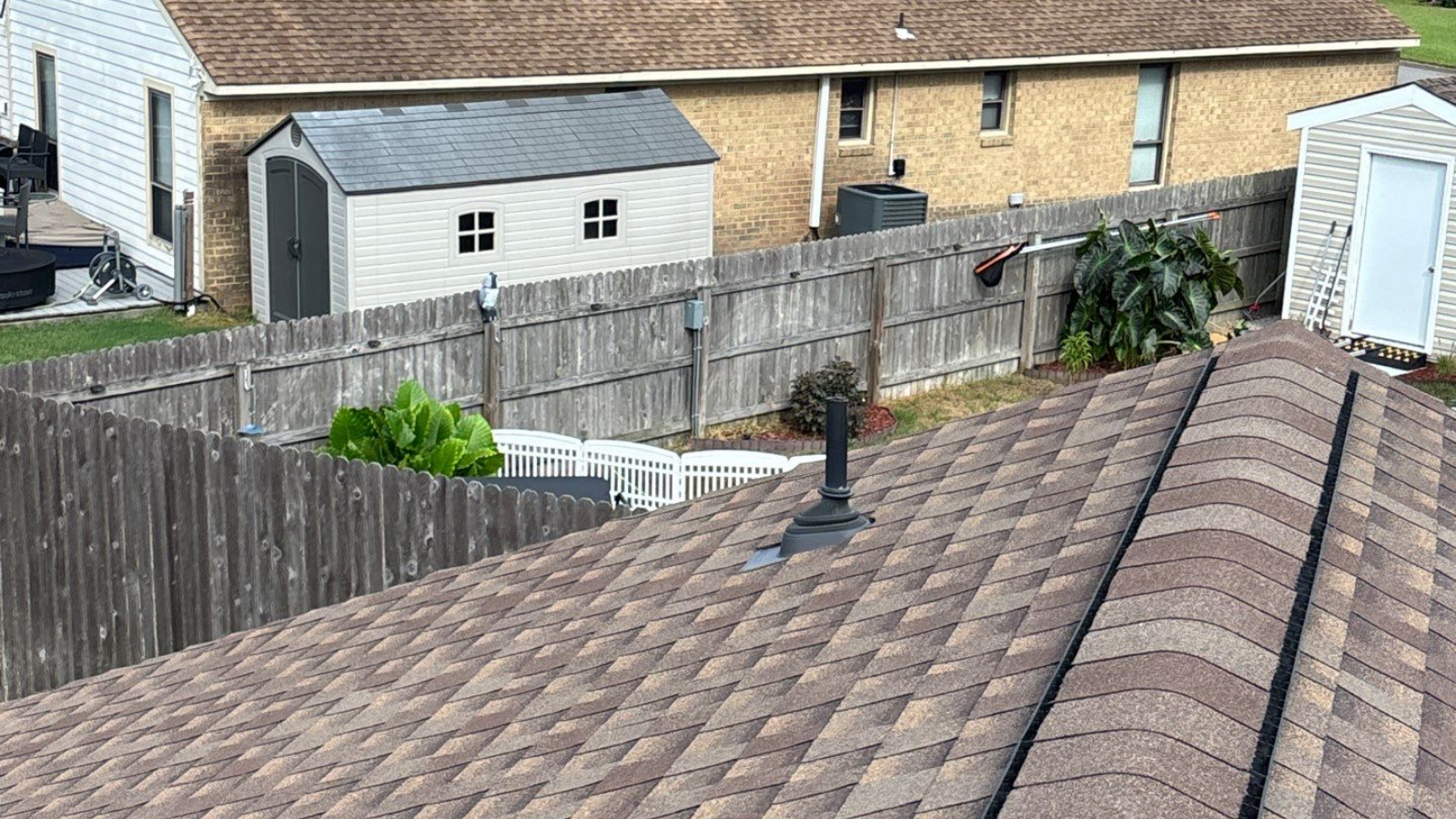
Virginia Beach’s location right on the Atlantic means the air itself carries a constant, low-level mist of salt particles, especially in neighborhoods closest to the oceanfront. That salt doesn’t just disappear once it lands on your roof. It settles into shingles, metal flashing, fasteners, and gutters, where it sits, absorbs moisture from the humid coastal air, and slowly accelerates the natural wear process that every roof eventually experiences.
This is part of why salt air roof damage shows up faster and more aggressively here than in most other parts of Virginia. A roof that might comfortably last twenty-five years in a drier, inland climate can start showing real wear a full five to ten years sooner in a coastal environment like ours, particularly if it wasn’t built or maintained with that reality in mind.
How Salt Air Roof Damage Actually Happens
It helps to understand the science behind this, since it explains why certain materials and roof components are more vulnerable than others.
Corrosion of Metal Components
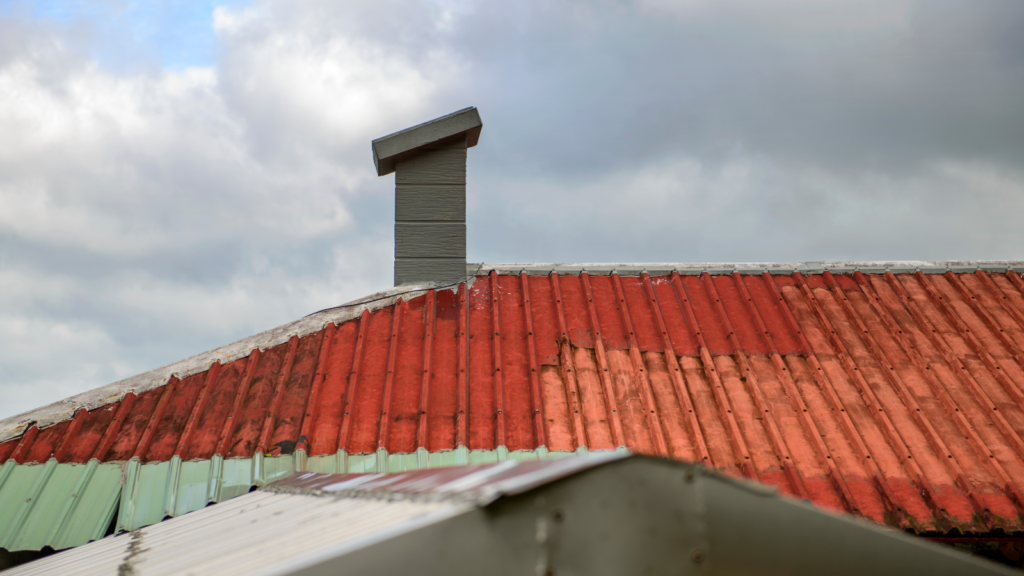
Flashing, fasteners, gutters, and any exposed metal on your roof are particularly susceptible to salt-induced corrosion. Salt accelerates oxidation, which is the chemical process behind rust, meaning metal components near the coast corrode significantly faster than the same materials would inland. Once flashing starts to corrode, it loses its ability to properly seal vulnerable points like chimneys and vents, which opens the door to leaks.
Accelerated Granule Loss on Asphalt Shingles
Asphalt shingles rely on their protective granule coating to shield the underlying material from UV exposure and moisture. Salt particles, combined with constant coastal humidity, wear down this granule layer faster than in non-coastal areas, leaving the shingle’s asphalt base exposed and vulnerable sooner than its expected lifespan would suggest.
Increased Algae and Moss Growth
The humid, salty coastal air creates favorable conditions for algae, moss, and mildew growth on roofing surfaces. Beyond the cosmetic dark streaking this causes, prolonged algae growth can actually trap moisture against the shingle surface, compounding the wear already being caused by salt exposure.
Weakened Sealants and Adhesives
The sealants used around vents, skylights, and shingle edges can degrade faster when repeatedly exposed to salt-laden moisture, reducing their ability to keep water out over time. This is one of the more overlooked contributors to salt air roof damage, since sealant failure often isn’t visible until a leak has already developed.
Thermal Cycling Combined With Salt Exposure
Virginia Beach summers bring intense heat that causes roofing materials to expand, while cooler nights and winter temperatures cause them to contract. This constant thermal cycling is normal for any roof, but when it’s combined with salt residue already sitting on the surface, the repeated expansion and contraction can work salt particles deeper into small cracks and seams than would happen in a drier, less humid inland climate. Over time, this compounding effect is part of why coastal roofs often show wear patterns that look more advanced than their actual age would suggest.
Signs of Salt Air Roof Damage to Watch For
Knowing what to look for helps you catch problems before they turn into costly repairs. Rust or corrosion streaking down from flashing, vents, or gutters is one of the clearest early indicators. Premature granule loss, visible as bald patches or excessive granules collecting in your gutters, often shows up sooner on coastal roofs than homeowners expect based on the shingle’s rated lifespan.
Dark streaking or discoloration across the roof surface typically points to algae growth accelerated by coastal humidity. Soft or deteriorating flashing around chimneys and roof penetrations, along with visible pitting or rust on any exposed metal fasteners, are additional signs that salt exposure is actively working against your roof’s protective systems.
Table: How Salt Air Roof Damage Progresses by Distance From the Coast
| Distance From Ocean | Typical Exposure Level | Expected Impact on Roof Lifespan |
| Under 1 mile (oceanfront) | Highest salt exposure, constant misting | Lifespan reduced by roughly 8-10 years vs. inland average |
| 1-3 miles | High exposure, especially during storms and wind | Lifespan reduced by roughly 5-7 years |
| 3-6 miles | Moderate exposure, noticeable but less constant | Lifespan reduced by roughly 3-5 years |
| 6-10 miles | Lower exposure, occasional salt presence | Lifespan reduced by roughly 1-3 years |
| 10+ miles inland | Minimal salt exposure | Standard expected roof lifespan for material used |
These figures are general estimates based on typical coastal wear patterns, not a guarantee for any individual roof. Wind direction, roof orientation, and maintenance history all influence how much salt air roof damage a specific property actually experiences over time.
Which Roofing Materials Hold Up Best Against Salt Air
Not all roofing materials handle coastal exposure equally, and choosing the right one matters enormously if you’re planning a replacement on a home near the water.
Architectural Asphalt Shingles
Higher-grade architectural shingles generally outperform basic three-tab shingles in coastal environments, thanks to a thicker granule layer and improved adhesive strength that resists the accelerated wear associated with salt air roof damage.
Metal Roofing (Properly Coated)
Standing-seam metal roofing with a quality protective coating, particularly aluminum or coated steel designed for coastal use, resists corrosion far better than standard galvanized metal. This makes it an increasingly popular choice for oceanfront and near-coastal properties throughout Virginia Beach.
Synthetic and Composite Roofing
Synthetic slate and composite shingle products often resist salt-related deterioration better than natural wood or standard asphalt, since they don’t rely on the same granule protection system that’s vulnerable to accelerated wear near the coast.
Materials to Approach with Caution
Untreated wood shingles and standard galvanized steel fasteners tend to show salt-related wear the fastest, since both are particularly susceptible to moisture absorption and corrosion in a high-salinity environment.
Maintenance Tips to Slow Down Salt Air Roof Damage
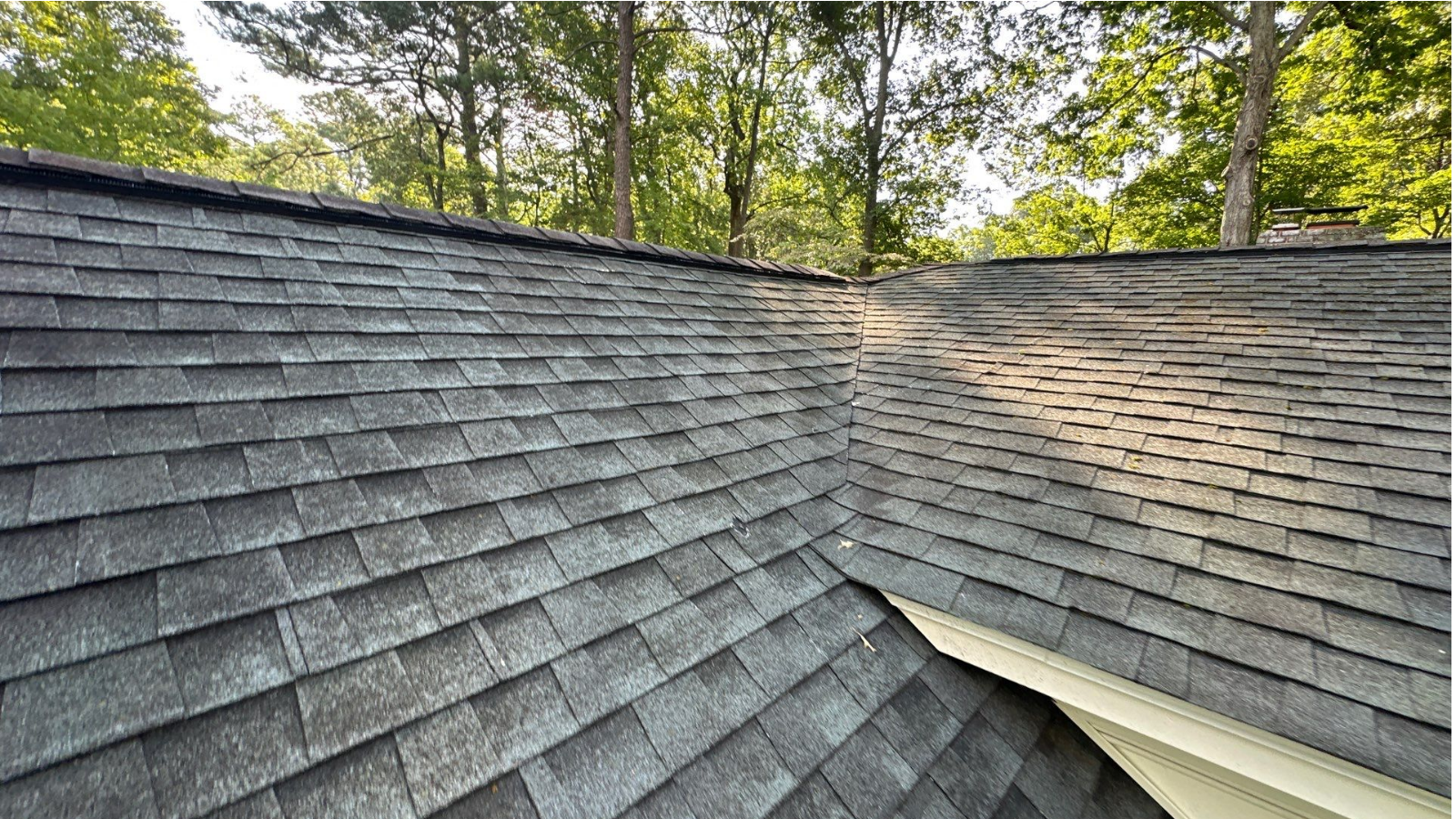
While you can’t eliminate salt exposure if you live near the coast, regular maintenance meaningfully slows its impact. Rinsing your roof periodically with fresh water helps remove accumulated salt residue before it has as much time to interact with moisture and accelerate corrosion or granule loss. This is particularly worthwhile after extended dry spells, when salt buildup tends to concentrate rather than being naturally washed away by rain.
Scheduling professional inspections at least once a year, and ideally after major storms, catches early signs of salt air roof damage before they progress into costly leaks or structural issues. Keeping gutters clear also matters more here than in inland areas, since trapped debris combined with salt residue creates a particularly corrosive environment for the metal components underneath.
Replacing corroded fasteners, flashing, or sealant promptly, rather than waiting for a full roof replacement, extends the life of the rest of your roofing system considerably. Small, proactive repairs are almost always more cost-effective than waiting until salt-related wear has compounded into a larger, more expensive problem.
Trimming back overhanging trees also plays a supporting role, since fallen leaves and debris trapped on a roof surface hold moisture against the shingles longer, which compounds the corrosive effect of salt residue already present. Keeping your roof surface as clear and dry as reasonably possible between rain events gives salt less opportunity to sit, absorb humidity, and accelerate wear on the materials underneath.
How Roof Orientation and Home Location Affect Salt Exposure
Not every roof in Virginia Beach experiences the same level of exposure, even within the same general neighborhood. Roofs facing directly toward the ocean, particularly on the windward side of a home, tend to accumulate salt residue faster than the sheltered side facing away from prevailing coastal winds. Homes on elevated lots or those without significant tree cover or windbreaks also tend to experience more direct salt exposure than homes tucked into more protected areas.
This is why two homes just a few blocks apart can show noticeably different rates of salt air roof damage, even with roofs installed around the same time using similar materials. A professional inspection takes these site-specific factors into account rather than applying a generic assessment based on ZIP code alone.
When to Call a Professional
Certain signs warrant a prompt professional inspection rather than a wait-and-see approach. Visible rust streaking, active leaks, soft spots on the roof deck, or shingles that are curling and losing granules at a noticeably faster rate than expected are all worth addressing sooner rather than later. Waiting too long on early-stage salt air roof damage often means the difference between a manageable repair and a much larger, more expensive replacement project down the road.
At Reitzel Roofing and Exteriors, our inspections specifically account for coastal wear patterns, checking flashing, fasteners, and granule condition with the kind of attention that a generic, non-coastal-focused inspection often misses entirely.
What First-Time Home Buyers Should Know
If you’re considering purchasing a home in Virginia Beach, particularly one closer to the oceanfront, understanding the roof’s exposure history matters just as much as its age. A ten-year-old roof on an oceanfront property may have significantly more wear than a ten-year-old roof several miles inland, simply due to the accelerated aging caused by constant salt exposure.
Ask the seller about the roof’s material, installation date, and maintenance history, and consider bringing in an independent inspection focused specifically on coastal wear indicators before finalizing your purchase. Understanding the realistic remaining lifespan of a roof, accounting for salt air roof damage rather than just the manufacturer’s standard rating, helps you budget accurately for future maintenance or replacement costs as a new homeowner.
Insurance and Warranty Considerations
It’s worth knowing that most standard shingle manufacturer warranties are based on general climate assumptions and don’t always account for accelerated coastal wear. Some manufacturers offer specific coastal or high-wind rated products with warranties better suited to environments like ours, and it’s worth asking your contractor about these options directly if you’re planning a new installation or replacement.
Reading the fine print on any warranty matters more for coastal homeowners than it does elsewhere, since some standard warranties include exclusions or reduced coverage periods for properties within a certain distance of saltwater. A contractor familiar with local conditions should be able to point you toward products with warranty terms that actually reflect the realities of where you live, rather than leaving you to discover the limitations only after a problem has already developed.
On the insurance side, gradual wear from salt exposure typically isn’t covered the way sudden storm damage is, since most policies distinguish between gradual deterioration and a specific covered event. This makes proactive maintenance even more important for coastal homeowners, since salt air roof damage that progresses unaddressed becomes a homeowner expense rather than something insurance is likely to cover.
The Financial Reality of Faster Roof Aging Near the Coast
It’s worth being direct about what accelerated wear actually means for your wallet over time. If a roof rated for twenty-five years is realistically performing closer to fifteen to eighteen years near the oceanfront, that’s a meaningfully shorter replacement cycle than a homeowner further inland will ever have to plan around. Budgeting for that reality upfront, rather than being caught off guard a decade or so after installation, makes a real difference in how manageable the eventual replacement feels financially.
This is also where material choice becomes a genuine investment decision rather than just an aesthetic one. Spending more upfront on a coastal-rated shingle or a properly coated metal roofing system often pencils out favorably over the life of the home, since it can meaningfully close the gap between coastal and inland lifespans. A contractor who understands accelerated coastal wear should be able to walk you through these tradeoffs honestly, including realistic cost-per-year comparisons between a basic shingle and a coastal-rated alternative, rather than simply upselling the more expensive option without context.
Choosing a Roofing Contractor Who Understands Coastal Conditions
Not every roofing company treats coastal properties any differently than an inland job, and that’s a mistake that can cost homeowners real money over time. When you’re vetting a contractor, ask directly about their experience with coastal wear and corrosion issues specifically, not just general roofing experience. A contractor who’s spent years working oceanfront and near-coastal properties in Virginia Beach will have specific opinions about fastener types, flashing materials, and shingle grades that a generalist crew simply won’t think to mention.
It’s also worth asking whether they use stainless steel or coated fasteners as standard practice on coastal jobs, since standard galvanized nails and screws are among the first components to show corrosion in a high-salinity environment. A contractor who proactively brings this up, without you having to ask, is usually a strong signal that they genuinely understand what makes roofing near the ocean different from roofing anywhere else.
Final Thoughts on Managing Salt Air Roof Damage in Virginia Beach
Living near the coast comes with real tradeoffs, and a roof that ages faster than it would inland is simply part of that reality. The good news is that understanding how salt air roof damage actually happens, choosing the right materials, and staying on top of regular maintenance can meaningfully extend your roof’s usable life, even this close to the ocean.
None of this means coastal living should feel like a constant maintenance burden. With the right material choices from the start, a consistent inspection schedule, and a contractor who genuinely understands what salt exposure does to a roof over time, most homeowners find that managing this challenge becomes a routine part of homeownership rather than a source of ongoing stress. The homeowners who fare best are simply the ones who understand the reality early and plan around it, rather than being caught off guard by premature wear a decade down the line.
FAQs
1: How much faster does salt air actually age a roof?
A: On average, homes within a mile of the ocean can see their roof’s effective lifespan reduced by roughly eight to ten years compared to the same material installed further inland, though this varies based on roof orientation, material quality, and how consistently the roof is maintained.
2: Can salt air damage be reversed once it starts?
A: Corrosion and granule loss can’t be fully reversed once they’ve occurred, but catching the damage early allows for targeted repairs, replacing corroded flashing or fasteners, for example, that prevent the problem from spreading and extend the overall life of the roof.
3: Is metal roofing a good choice for salt air exposure?
A: Properly coated metal roofing, particularly aluminum or specially treated steel designed for coastal environments, generally holds up better against salt-related corrosion than standard asphalt shingles or untreated metal, making it a popular choice for oceanfront and near-coastal properties.
4: How often should I have my roof inspected if I live near the coast?
A: At minimum, an annual inspection is recommended for coastal properties, with an additional inspection after any major storm. This more frequent schedule helps catch early signs of salt-related wear before they progress into leaks or more significant structural concerns.
5: Does rinsing my roof with fresh water actually help?
A: Yes, periodically rinsing accumulated salt residue off your roof, particularly during extended dry stretches, helps reduce the concentration of salt that would otherwise sit on the surface and accelerate corrosion or granule wear. It’s a simple, low-cost maintenance step that makes a real difference over time for coastal homes.