Storms are a fact of life for homeowners in Coastal Virginia. Heavy rain, strong winds, hail, tropical systems, and sudden pressure changes can all take a toll on residential roofing systems, often in ways that aren’t immediately obvious. After severe weather rolls through, knowing what to check first can make the difference between a small repair and thousands of dollars in long-term damage.
For homeowners dealing with Chesapeake roofing concerns after a storm, time, awareness, and proper inspection matter. Storm damage doesn’t always look dramatic. In many cases, the roof appears “fine” from the ground while hidden problems quietly worsen beneath the surface.
This in-depth guide walks Chesapeake-area homeowners through exactly what to look for after a storm, why certain warning signs matter, and when it’s time to call a professional. Whether you’ve just experienced high winds, hail, or heavy rain, this resource is designed to help you protect your home, your finances, and your peace of mind.
Why Storms Are Especially Hard on Chesapeake Roof Analyzer Systems
Chesapeake sits in a unique geographic and climate zone that exposes roofs to a combination of coastal and inland weather stressors. That means Chesapeake roof systems must withstand more than just occasional bad weather; they face repeated, layered threats throughout the year.
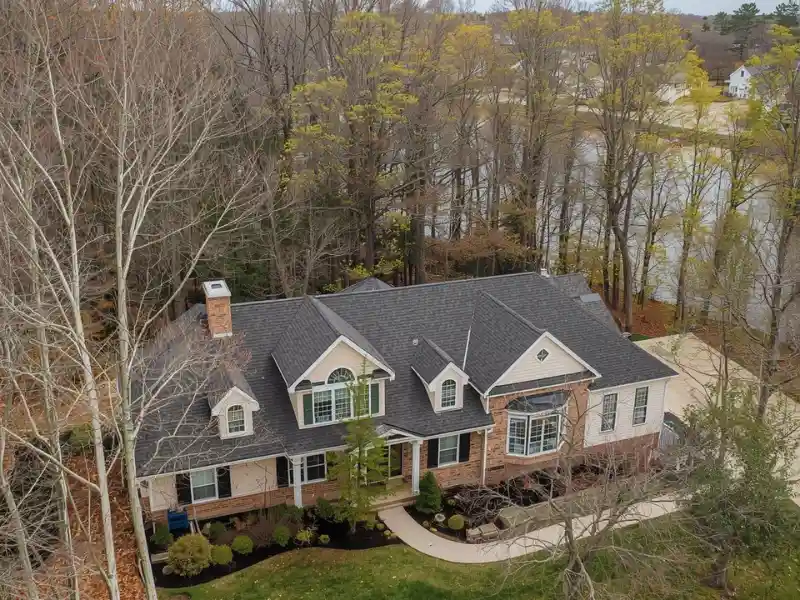
Wind-Driven Rain and Coastal Storm Patterns
Unlike slow, steady rain, coastal storms often push water sideways. Wind-driven rain can force moisture:
Under shingles
Behind flashing
Into roof penetrations
Beneath siding and trim
Even small installation flaws become major vulnerabilities during these storms, which is why post-storm checks are critical for Chesapeake homeowners.
Sudden Pressure Changes and Wind Uplift
Strong storms and tropical systems create pressure changes that can lift shingles without tearing them off completely. This breaks adhesive seals and weakens wind resistance, leaving the roof vulnerable to future storms even if no immediate leak appears.
Repeated Storm Exposure
Chesapeake homes often experience multiple storm events in a single season. Damage from one storm can weaken the roof just enough that the next storm causes failure. This cumulative effect is one of the most overlooked risks in Chesapeake roofing maintenance.
Exterior Roof Damage to Check Immediately After a Storm
After a storm, it’s important to visually inspect your property from the ground. Never climb onto a wet or damaged roof yourself. Instead, look for these common warning signs.
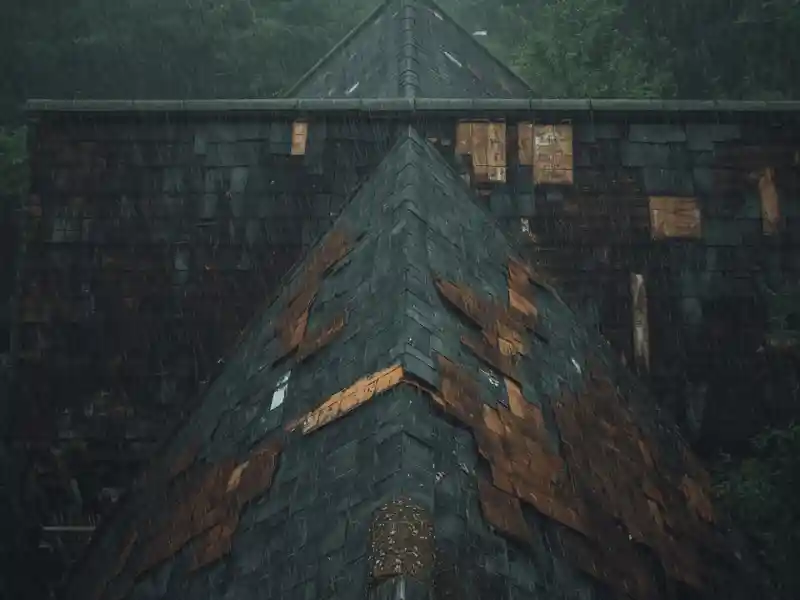
Missing, Lifted, or Damaged Shingles
One of the most obvious roofing issues after a storm is shingle damage. Look for:
Shingles scattered in the yard
Visible patches where shingles are missing
Shingles that appear lifted, curled, or uneven
Even partially lifted shingles can allow water intrusion, especially during future storms.
Flashing Damage Around Roof Penetrations
Flashing protects the most vulnerable parts of your roof, including:
Chimneys
Sidewalls
Roof valleys
Vents and skylights
Storm winds can bend, loosen, or pull flashing away from these areas. Flashing damage is one of the leading causes of post-storm leaks in Chesapeake roofing systems.
Gutter and Downspout Issues
Gutters play a major role in protecting your roof and foundation. After a storm, check for:
Detached or sagging gutters
Downspouts pulled away from the house
Overflow marks or debris buildup
Improper drainage can cause water to back up onto the roof, increasing the risk of leaks and rot.
Debris Impact and Tree Damage
Fallen branches or airborne debris can puncture shingles or crack underlying materials. Even if a branch didn’t break through the roof, impact damage can compromise shingle integrity and flashing alignment, especially on older Chesapeake roofing systems.
Interior Warning Signs That Indicate Roof Damage
Some of the most serious roofing problems don’t show up outside at all. Interior symptoms often appear days or weeks after the storm, once moisture has had time to travel.
Ceiling Stains and Wall Discoloration
Brown or yellow stains on ceilings and walls are a major red flag. These stains often indicate:
Wateris entering through damaged shingles
Flashing failure
Valley or penetration leaks
Interior stains are one of the clearest signs that your Chesapeake roofing system has been compromised.
Active Leaks or Dripping Water
Any active leak—no matter how small—should be treated as urgent. Water can spread quickly through insulation and framing, causing:
Mold growth
Wood rot
Electrical hazards
Storm-related leaks often worsen with each rainfall if not addressed promptly.
Musty Odors or Increased Humidity Indoors
After storms, moisture trapped in attic spaces or insulation can create lingering odors. These smells often point to hidden leaks that haven’t yet become visible stains.
Attic Warning Signs
If it’s safe to do so, check your attic for:
Wet insulation
Darkened or stained wood
Rusted nails or fasteners
Attic inspections are a key part of identifying Chesapeake roofing damage early.
What Homeowners Often Miss After a Storm (But Shouldn’t)
Some of the most expensive roofing problems develop quietly after storms. These hidden issues are especially common in Chesapeake-area homes.
Shingles That Look Fine but Aren’t Sealed
Wind can break shingle seals without removing the shingles. These shingles may lie flat but are no longer bonded, making them vulnerable to future uplift and leaks.
Flashing Separation Beneath Shingles
Flashing issues are often invisible from the ground. Slight separation allows water to bypass shingles entirely. Over time, this leads to:
Roof deck rot
Interior leaks
Premature roof failure
This is one of the most common hidden problems in Chesapeake roofing after storms.
Underlayment and Decking Damage
Water intrusion doesn’t stop at the shingles. Once it reachesthe underlayment or decking, damage can spread unnoticed. By the time symptoms appear indoors, repairs are often more extensive.
Why Professional Inspections Matter
A professional post-storm inspection can:
Identify hidden wind and water damage
Document issues for insurance claims
Prevent minor problems from becoming major repairs
For homeowners managing Chesapeake roofing concerns, professional evaluations provide clarity and protection.
Why Homeowners Choose Reitzel Roofing & Exteriors for Chesapeake Roofer After a Storm
When storms hit, homeowners need a contractor who understands local conditions, storm patterns, and coastal construction challenges. Reitzel Roofing & Exteriors proudly serves Chesapeake homeowners with expert post-storm inspections, repairs, and roofing solutions built for Coastal Virginia.
What Sets Reitzel Roofing & Exteriors Apart
Extensive experience with Chesapeake roofer systems
In-depth knowledge of coastal and storm-related damage
Thorough inspections that uncover hidden issues
Honest recommendations based on your roof’s condition
High-quality materials and workmanship designed for durability
We don’t believe in quick patches or guesswork. Our focus is on long-term protection and homeowner confidence.
Storm Damage Support You Can Trust
After a storm, we help homeowners:
Identify and prioritize repairs
Understand the scope of damage
Navigate insurance documentation when applicable
Prevent repeat issues caused by overlooked weaknesses
Our team understands that storm damage is stressful, and we’re here to make the process clear and manageable.
Protecting Your Home Starts With the Right Next Step
If your home has experienced severe weather, don’t wait for visible leaks to appear. A proactive inspection can save you thousands and extend the life of your roof.
Final Thoughts
Storms don’t have to turn into roofing disasters, but ignoring early warning signs often does. By knowing what to check first and taking Chesapeake roof concerns seriously after a storm, homeowners can protect their homes, avoid costly repairs, and maintain peace of mind.
From missing shingles and flashing damage to hidden leaks and attic moisture, post-storm roofing issues are often more complex than they appear. That’s why working with a trusted local professional matters. If you’re concerned about storm damage or want a professional evaluation of your system, contact us
Join Our Community
Join our community on Facebook, and don’t forget to subscribe to us on YouTube for new content each week.
FAQs
1. What should homeowners check first after a storm?
Inspect for missing or lifted shingles, damaged flashing, debris, and gutter issues from the ground.
2. Can roof damage be hidden after a storm?
Yes, shingles may look fine, but seals can break, causing future leaks and weakness.
3. Why is flashing so important after bad weather?
Flashing seals roof penetrations; storm damage can loosen it and lead to leaks.
4. What interior signs point to roof damage?
Ceiling stains, musty odors, and attic moisture are key signs of hidden leaks.
5. Do I need a professional roof inspection after a storm?
Professional inspections uncover hidden damage and support insurance claims.