One siding choice can make the exact same house look taller, wider, more traditional, or completely transformed.
That is why homeowners often get stuck on one deceptively simple question: should the siding run vertically or horizontally?
Horizontal siding has been the familiar choice on Virginia Beach homes for generations. It creates a balanced, classic exterior and works naturally with many ranches, cottages, colonials, and traditional coastal homes. Vertical siding, especially board-and-batten, creates stronger lines, draws the eye upward, and can give an older exterior a cleaner, more modern look.
But appearance is only part of the decision.
If you are considering vertical siding Virginia Beach weather, architecture, maintenance, material, installation quality, moisture management, and long-term curb appeal should all influence your choice.
So, vertical or horizontal?
There is no automatic winner. But there may be a clear winner for your home.
What Is the Real Difference Between Vertical and Horizontal Siding?
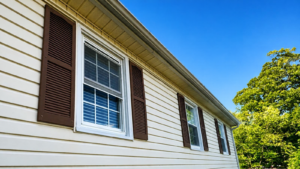
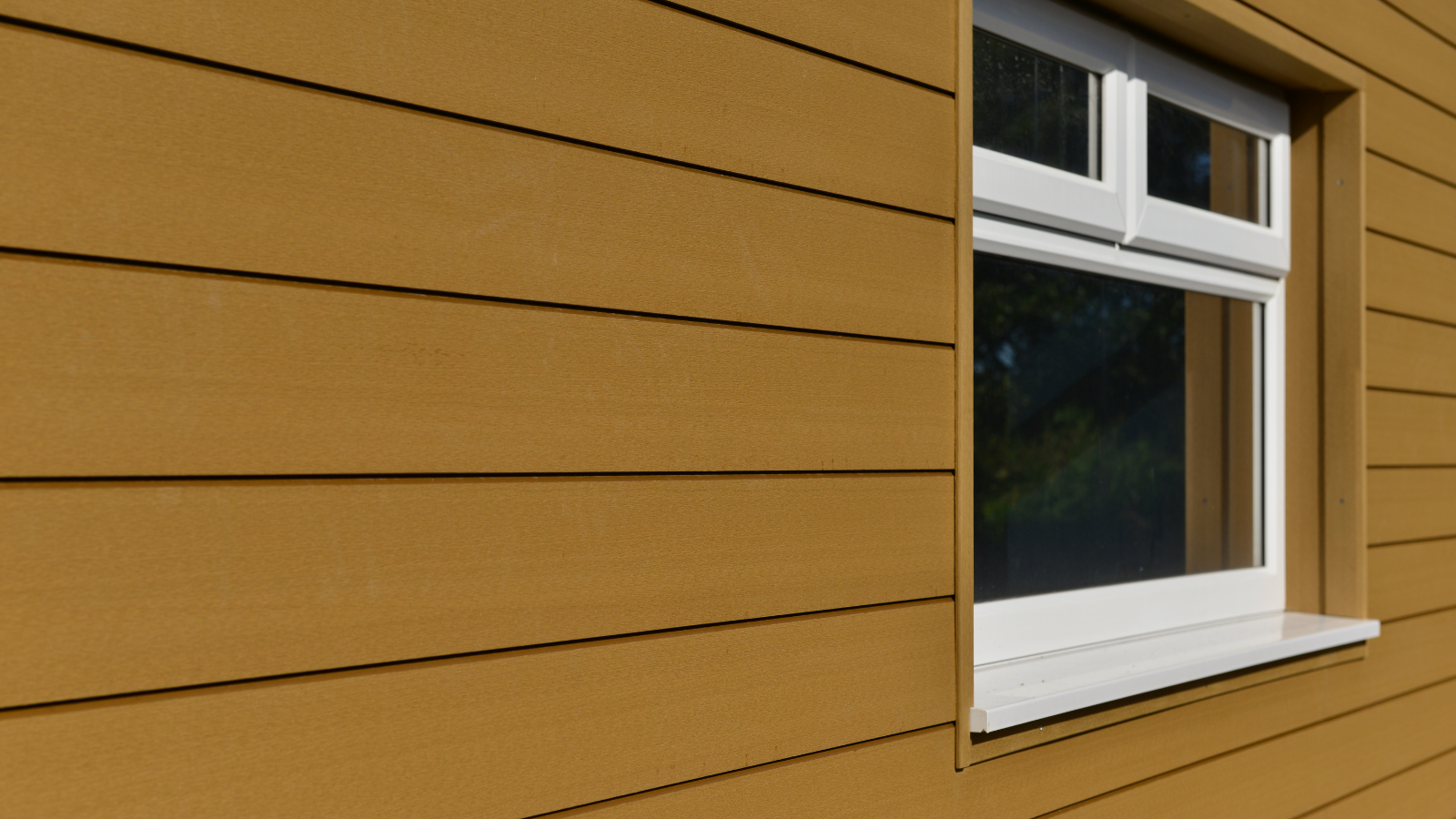
Horizontal siding runs from side to side across the exterior wall. Traditional lap siding, Dutch lap, clapboard-inspired profiles, and many vinyl and fiber cement products use this orientation.
Horizontal lines tend to make a house feel broader and more grounded. They are familiar, easy on the eye, and work with a wide range of architectural styles.
Vertical siding runs from top to bottom.
Board-and-batten is the style most homeowners immediately recognize, with wider vertical boards or panels combined with narrower battens that emphasize the joints. Modern vertical panel systems can create a similar look without necessarily using traditional wood construction.
Vertical lines naturally pull the eye upward.
That is one reason vertical siding Virginia Beach homeowners choose can make a one-story or compact house feel taller and more architectural without changing the structure itself.
Neither direction automatically performs better simply because of orientation.
Material selection and installation still matter more.
Start With the Look You Want Your Home to Have
Before talking about maintenance or weather, think about architecture.
How do you want your house to feel when you pull into the driveway?
Horizontal siding usually creates a timeless, familiar appearance. It works particularly well when the architecture already has strong horizontal proportions, such as ranch-style homes or wider traditional houses.
Vertical siding can make an exterior feel sharper, taller, and more contemporary.
It also works beautifully on coastal-inspired homes, modern farmhouses, entry projections, dormers, garages, and gables where homeowners want to create contrast.
If your home feels visually flat, vertical siding Virginia Beach remodeling projects use as an accent can add depth without requiring a complete redesign.
That is one of its biggest strengths.
You do not necessarily have to cover the entire house vertically to get the effect.
Sometimes the Best Answer Is Both
Some of the most attractive siding projects do not choose between vertical and horizontal at all.
They combine them.
Horizontal lap siding might cover the main elevations while vertical board-and-batten highlights front-facing gables, a porch, garage section, or second story.
That combination creates contrast while still keeping the home recognizable.
For example, a traditional Virginia Beach property with horizontal siding can receive a major visual update simply by adding a vertical accent to the front gable and coordinating it with new trim.
You get modern character without making the entire home feel trend-driven.
For homeowners considering vertical siding Virginia Beach exterior updates can therefore be more subtle than an all-or-nothing transformation.
The key is balance.
Too many colors, profiles, siding directions, and trim changes can make a simple house feel unnecessarily busy. The strongest designs usually repeat materials intentionally and give the eye clear places to rest.
Does Vertical Siding Handle Virginia Beach Rain Better?
This is one of the biggest myths around vertical siding.
Because the panels run downward, it is easy to imagine rain simply flowing straight off them more efficiently.
Actual exterior water management is more complicated.
Virginia Beach storms can produce wind-driven rain. Water does not always fall vertically. It can be pushed toward windows, doors, corners, trim, siding joints, utility penetrations, and roof-to-wall transitions.
The siding itself is also only one layer of the exterior wall system.
Proper flashing and a water-resistive barrier behind the siding help manage moisture that moves beyond the visible cladding.
That means vertical siding Virginia Beach homeowners choose can perform very well when it is correctly installed, but horizontal siding can perform very well too.
The direction of the panel is not a substitute for good flashing.
Water Management Matters More Than Orientation
Think about siding as the first visible layer rather than the home’s only moisture defense.
Windows interrupt the wall.
Doors interrupt the wall.
Exterior lights, hose connections, vents, electrical equipment, pipes, roof intersections, and other penetrations create additional transitions.
Each needs to be detailed correctly.
That is why a beautifully installed-looking wall can still develop trouble if the hidden moisture-management details are poor.
Virginia’s official standards for licensed home inspections provide a useful illustration of how professionals evaluate an exterior. The standards identify wall covering, flashing, trim, doors, windows, eaves, soffits, and fascias as exterior components that should be evaluated when readily accessible. Virginia Administrative Code home inspection standards
Although those rules govern home inspectors rather than siding installation itself, they reinforce an important point for homeowners: the exterior is a system, not just a field of siding panels.
Where Vertical Siding Really Wins: Visual Height
Vertical lines naturally make the eye travel upward.
That can be incredibly useful when a home feels low, wide, or visually heavy.
A one-story home may feel taller.
A gable can become a feature instead of disappearing into the rest of the elevation.
An entryway can feel more prominent.
A garage projection can become intentional rather than looking like an addition tacked onto the house.
This is why vertical siding Virginia Beach homeowners use on selected architectural sections can have such a dramatic effect even when the majority of the house remains horizontal.
You are changing visual proportion without changing the structure.
That can be a powerful remodeling tool.
Where Horizontal Siding Wins: Familiarity
There is also a reason horizontal siding has remained popular for so long.
It is familiar.
It works.
And it suits a tremendous range of homes.
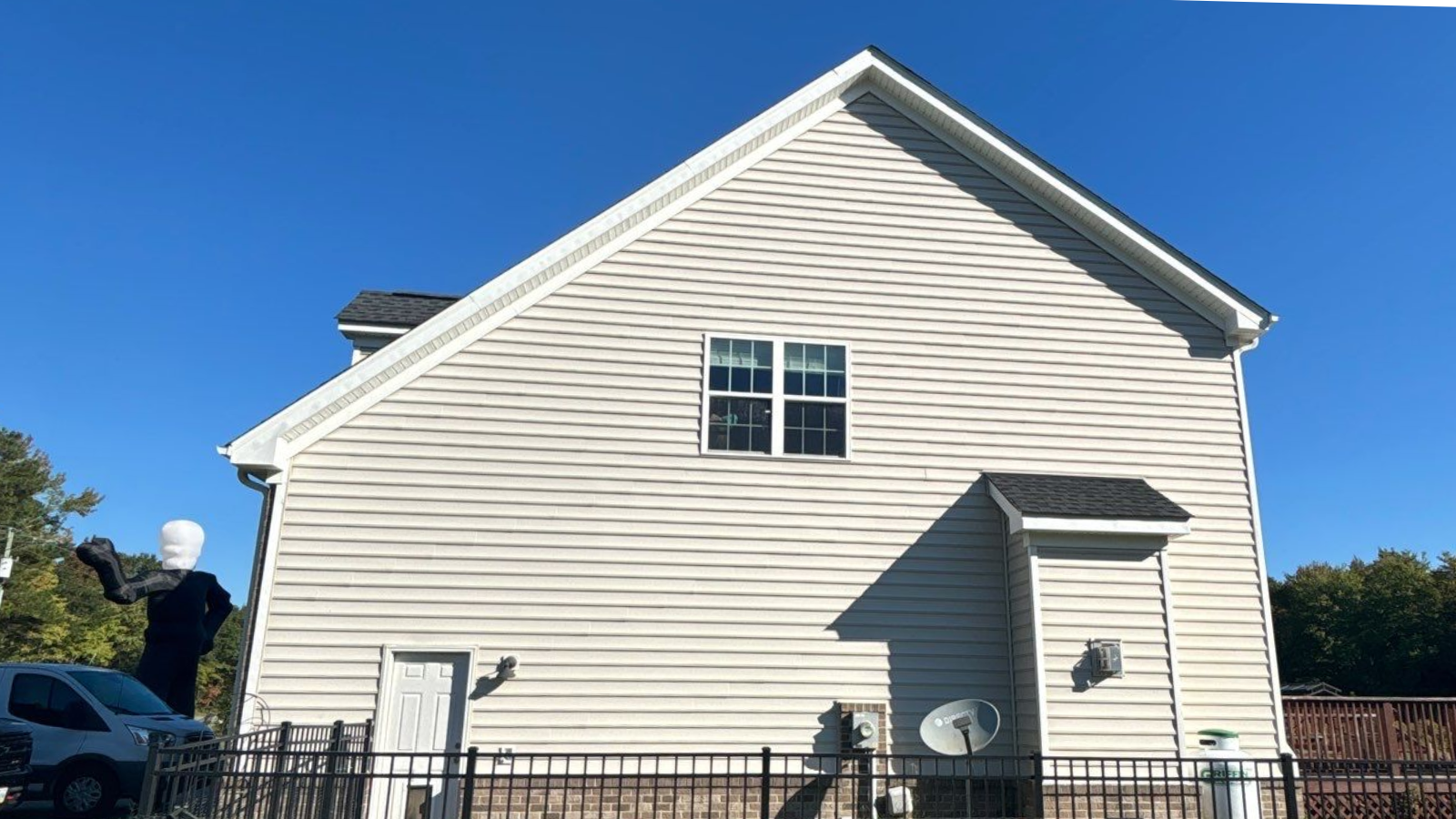
Horizontal siding can visually widen a narrow elevation and create a calm, traditional appearance. It also tends to integrate naturally into established neighborhoods where similar siding profiles are common.
If your goal is a classic exterior that is less dependent on current design trends, horizontal lap siding remains a strong choice.
That does not mean traditional has to mean boring.
The width of the siding exposure, material, color, window trim, corner details, shutters, soffit, fascia, and accents can completely change the result.
Good horizontal siding can look just as premium as a modern vertical installation.
Vertical Siding Can Create a More Custom Appearance
If you want your exterior to stand apart, vertical siding can help.
Board-and-batten creates deeper visual lines than standard horizontal lap siding and often gives the exterior more architectural character.
On a simple home, those strong lines can make the design feel more intentional.
This is particularly effective when homeowners pair vertical siding with thoughtful trim rather than relying on siding direction alone.
Window surrounds, porch columns, rooflines, shutters, front doors, garage doors, and gutters all influence the finished look.
For vertical siding Virginia Beach remodeling, the best results usually happen when the siding is treated as one part of the design rather than the entire design.
Does Vertical Siding Cost More?
It can, but siding direction alone does not determine the final price.
Material choice is usually a much bigger factor.
Vinyl siding, fiber cement, engineered wood, wood, and specialty panel products all come with different material and labor considerations.
House height matters.
Wall complexity matters.
Existing siding removal matters.
Repairing deteriorated sheathing matters.
Trim work matters.
The number of windows and doors matters.
If you are combining vertical and horizontal styles, additional transitions and trim details may also influence labor.
For homeowners considering vertical siding Virginia Beach contractors should provide an estimate based on the actual wall assembly and chosen product rather than a generic “vertical costs more” rule.
Compare scopes, not just totals.
Material Matters More Than Which Way It Runs
This is one of the most important things to remember.
A vertical vinyl system and vertical fiber cement system are still very different products.
The same applies to horizontal siding.
Each material has its own requirements for fastening, clearances, joints, painting or finishing, movement, repair, and long-term maintenance.
When comparing options, ask:
What siding material fits your budget?
What appearance are you trying to achieve?
How much maintenance are you comfortable with?
How does the product handle the exposure your home receives?
Can individual sections be repaired later?
Will replacement material likely be available?
What warranty comes with the product?
These questions matter far more than deciding whether the lines run north-to-south or east-to-west.
Vertical vs. Horizontal Siding at a Glance
| Factor | Vertical Siding | Horizontal Siding | What Matters for Virginia Beach Homes |
| Visual effect | Creates height | Creates width | Consider the proportions of your home |
| Overall style | Modern, coastal, farmhouse, distinctive | Traditional, classic, familiar | Match siding to the home’s architecture |
| Accent potential | Excellent for gables and entries | Strong as the main exterior | Combining both can create depth |
| Moisture management | Depends on installation and flashing | Depends on installation and flashing | Water management matters more than orientation |
| Maintenance | Primarily determined by material | Primarily determined by material | Choose a product that fits your maintenance expectations |
| Installation | Requires product-specific installation | Requires product-specific installation | Follow manufacturer requirements |
| Repairability | Depends on material availability | Depends on material availability | Keep manufacturer/product records |
| Curb appeal | Bold and architectural | Timeless and broadly familiar | Personal style and home design both matter |
| Best use | Full walls or strategic accents | Whole-home coverage or mixed design | There is no universal winner |
The takeaway is simple: vertical siding Virginia Beach homeowners consider should not be chosen because someone says it is universally better.
It should be chosen because it makes sense for your home.
Which Is Easier to Maintain?
Neither orientation automatically wins.
Maintenance depends primarily on siding material and exposure.
A shaded wall surrounded by mature landscaping may require cleaning more often than a wall exposed to direct sun regardless of panel direction.
A section directly below an overflowing gutter may develop staining whether the siding is horizontal or vertical.
Painted products may eventually require refinishing.
Vinyl products may need periodic cleaning and checks for loose or damaged panels.
Storm exposure may create dents, cracks, or displaced pieces depending on the material.
With vertical siding Virginia Beach homeowners should inspect panels, battens, trim, corners, windows, penetrations, and lower edges periodically just as they would on a horizontal exterior.
The direction changes.
The need for maintenance does not disappear.
What About Wind?
Virginia Beach homeowners understandably think about wind resistance.
But panel direction alone does not determine how well siding performs during strong winds.
Wind performance depends on the specific siding system, fastening method, substrate, installation requirements, wall construction, product ratings, and how carefully those requirements were followed.
Poorly installed horizontal siding can fail.
Poorly installed vertical siding can fail.
Properly installed versions of either can perform well when appropriate for the home.
For vertical siding Virginia Beach projects, ask contractors about the specific product they are recommending and how its installation requirements apply to your house.
Specific answers are far more valuable than claims that one orientation is simply “stronger.”
Pay Attention to Windows, Doors, and Corners
The middle of a large wall is often the easy part.
Transitions are where workmanship becomes more important.
Windows and doors interrupt the siding system. Corners change direction. Utility equipment penetrates the wall. Rooflines meet siding in certain parts of the home.
These details must manage water while still producing a clean finished appearance.
When planning a siding project, ask how the contractor will handle window flashing, trim, penetrations, existing damage, and roof-to-wall transitions.
That conversation matters whether you are choosing horizontal siding or vertical siding Virginia Beach contractors are installing.
Beautiful panels cannot correct poorly detailed openings.
Lower Wall Areas Need Attention Too
Homeowners naturally look straight ahead when inspecting their siding.
Look down too.
Depending on the product, improper clearance from soil, mulch, hard surfaces, decks, or roofing can contribute to maintenance problems or deterioration.
Dense landscaping can also hold moisture against lower wall areas or make routine inspections difficult.
Before new siding goes on, take the opportunity to look at the condition of the exterior underneath.
If damaged sheathing or other deterioration is discovered after old siding is removed, address the source instead of covering it with a new finish.
New siding should improve the exterior, not hide an existing moisture problem.
Should You Use Vertical Siding on the Entire House?
You can, but you do not have to.
Full-home vertical siding works particularly well when the architecture already supports strong height, clean lines, and a contemporary or farmhouse-inspired design.
On some properties, though, an all-vertical exterior can become visually repetitive.
This is where accents become useful.
Consider vertical siding on front-facing gables while maintaining horizontal siding on the main walls.
Use vertical siding around the entry.
Highlight a second-story projection.
Create contrast around a porch.
For vertical siding Virginia Beach homes can benefit from restraint just as much as boldness.
The question should be “Where will vertical siding improve the design?” rather than “How much of it can we install?”
Will Vertical Siding Look Dated in Ten Years?
Nobody can guarantee which design trend will be popular a decade from now.
But vertical board-and-batten siding is not a brand-new invention. What changes more quickly are color combinations, trim styles, and the way the material is used.
A design that respects the architecture usually ages better than one designed solely around a trend.
If you love vertical siding, choose it because it works with the home.
Pay attention to proportions.
Use colors you can live with.
Avoid combining too many competing exterior ideas.
Good design tends to survive changing trends better than novelty does.
Siding Replacement in Virginia Beach Requires More Than Picking a Color
Homeowners should also understand the local project requirements before exterior work begins.
According to the City of Virginia Beach, siding replacement is among residential alterations requiring a building permit. The city also lists siding work under projects requiring a final building inspection.
That is worth discussing before you sign your siding contract.
Ask who will obtain the permit, who is responsible for scheduling the required inspection, and what project documentation you will receive when the work is finished.
If you are investing in vertical siding Virginia Beach permitting should be handled as part of a professional project rather than treated as an afterthought.
Do Not Put New Siding Over an Old Problem
This is where a siding replacement can either become a smart exterior upgrade or an expensive cover-up.
Once old siding comes off, hidden conditions may become visible.
That can include deteriorated sheathing, evidence of previous moisture, damaged trim, failed flashing, insect damage, or problems around window openings.
Do not rush to cover those areas simply because the installation schedule says new siding should go up that day.
Find the cause.
Repair what needs repair.
Then install the new exterior.
For homeowners investing in vertical siding Virginia Beach properties deserve the same careful preparation behind the panels as they receive on the visible surface.
A beautiful exterior built over unresolved moisture damage is not a successful siding project.
What Should You Ask a Siding Contractor?
Start with more than “How much per square?”
Ask what siding material is being recommended and why.
Ask how the existing siding will be handled.
Ask what happens if damaged sheathing is discovered.
Ask how window and door flashing will be evaluated.
Ask what trim system is included.
Ask how penetrations are detailed.
Ask whether soffit or fascia concerns should be addressed at the same time.
Ask about permitting.
Ask for manufacturer and warranty information.
And ask to see examples of homes where the contractor has installed the style you are considering.
A good contractor should be able to explain the project without burying you in jargon.
When Vertical Siding Makes the Most Sense
Choose vertical siding when you want to emphasize height, create a stronger architectural statement, modernize a simple exterior, or highlight areas such as gables, entries, dormers, and garage projections.
It can be especially effective when your home already has clean rooflines and architectural features that benefit from vertical emphasis.
Vertical siding Virginia Beach homeowners choose can also work beautifully with coastal-inspired designs because its strong lines pair naturally with contrasting trim, porches, and prominent windows.
But make the choice because it suits your home, not simply because you saw it on another house.
When Horizontal Siding Makes the Most Sense
Horizontal siding remains an excellent choice when you want a timeless exterior, visual width, broad familiarity, or a style that fits naturally into an established neighborhood.
It works across a wide range of home designs and can be updated substantially through changes in color, exposure, trim, material, and architectural accents.
If you like traditional exteriors but want something more interesting, you can still introduce vertical accents without replacing the overall horizontal character.
There is no prize for choosing the trendiest option.
The win is choosing an exterior you will still enjoy years from now.
Why Reitzel Roofing & Exteriors Looks at the Whole Home
At Reitzel Roofing & Exteriors, we know homeowners are not choosing siding for a rendering.
They are choosing it for the house they live in every day.
That means the siding needs to work with the roof, windows, doors, trim, soffit, fascia, gutters, porch, landscaping, and architecture already there.
When homeowners ask us about vertical siding Virginia Beach exterior projects, we look beyond which direction photographs better.
We consider the condition of the existing exterior, visible moisture concerns, architectural proportions, material options, maintenance expectations, and how the finished project can make the home look intentional rather than simply updated.
Your siding should improve both curb appeal and confidence in the exterior.
Final Thoughts: Your Home Deserves More Than the Trendiest Siding on the Block
Vertical or horizontal siding is not really a question about which style wins.
It is a question about what makes your home look and perform its best.
Maybe horizontal siding is exactly what your architecture needs to stay timeless and balanced.
Maybe vertical siding will give a dated exterior the height and character it has been missing.
Or maybe the answer is a thoughtful combination of both.
Whatever direction you choose, do not stop at color samples and inspiration photos. Make sure the exterior underneath is ready, the moisture-management details are addressed, windows and doors are properly integrated, and the finished design makes sense for the house you actually live in.
If you are considering vertical siding Virginia Beach homeowners do not have to figure out the entire design alone.
Ready to stop comparing siding photos and find out what will actually look best on your house? Contact Reitzel Roofing & Exteriors to schedule an exterior siding consultation. Let us help you choose the right material, the right orientation, and the right design for your Virginia Beach home before you invest in a full exterior transformation.
Your siding is something you will see every single day.
Make the choice you will still be happy to come home to years from now.
FAQs
1: Is vertical siding better than horizontal siding for Virginia Beach weather?
A: Not automatically. Both vertical and horizontal siding can perform well in Virginia Beach when the product is appropriate for the home and installed according to its requirements. Coastal wind and wind-driven rain make flashing, fasteners, trim, water-resistive barriers, window details, and penetrations important regardless of panel direction. Vertical panels may look like they would shed rain more efficiently because the lines run downward, but weather does not always arrive straight down. For vertical siding Virginia Beach homeowners should focus on product quality and installation rather than assuming the orientation itself provides better weather protection.
2: Is vertical siding more expensive than horizontal siding?
A: It can be, but there is no universal price difference because material, home size, wall complexity, removal of existing siding, trim, repairs, labor, and design all affect project cost. A vinyl vertical system may cost differently from fiber cement board-and-batten, just as premium horizontal fiber cement will cost differently from standard vinyl lap siding. Combining orientations can also add transition and trim details. The smartest comparison is a detailed project scope showing materials, removal, repairs, trim, flashing, permitting, cleanup, and warranty rather than comparing one total number against another without knowing what each contractor included.
3: Can I mix vertical and horizontal siding on the same house?
A: Yes, and it is often one of the most effective exterior design strategies. Horizontal siding can remain the primary material while vertical siding highlights gables, entryways, dormers, garages, or upper sections. The combination helps create depth and breaks up large elevations without forcing the entire home into one style. Keep the color palette and trim consistent enough that the exterior still feels connected. For homeowners considering vertical siding Virginia Beach homes often look strongest when the vertical sections emphasize real architectural features rather than appearing randomly placed across the elevation.
4: Which siding direction requires less maintenance?
A: Neither orientation automatically requires less maintenance. The siding material, finish, exposure, installation, landscaping, drainage, and age influence maintenance much more than direction. Vinyl, fiber cement, wood, and engineered products each come with different care requirements. Regardless of orientation, homeowners should periodically check siding around windows, doors, corners, utility penetrations, lower wall sections, and roof intersections for damage or moisture-related concerns. Keeping gutters functioning and landscaping from pressing tightly against the exterior can also help protect siding over time.
5: Do I need a permit to replace siding in Virginia Beach?
A: The City of Virginia Beach currently lists siding replacement among residential alterations requiring a building permit and includes siding projects on its schedule for final building inspections. Before work begins, ask your contractor who will obtain the permit and schedule required inspections so there is no confusion once installation starts. Keeping your permit records, contract, product information, warranties, and final project documentation together can also be useful long after the siding project is completed.