Tree damage is one of the most common and costly causes of roof problems for Virginia homeowners. Strong storms, heavy rain, saturated soil, and mature trees create the perfect conditions for falling limbs and uprooted trees. When a tree strikes your Roof, the damage can escalate quickly from minor shingle cracks to serious structural failure.
This guide explains everything you need to know about tree damage repair to roof Virginia, including why it happens so often, what to do immediately, how repairs are handled, how insurance plays a role, and how to protect your home in the future.
Why Tree Damage Is So Common in Virginia
Virginia’s climate and landscape create unique risks for residential roofs. The state experiences frequent thunderstorms, remnants of coastal hurricanes, winter ice storms, and high winds throughout the year. These weather patterns place constant stress on trees, especially older or poorly rooted ones.
Large hardwoods like oak, maple, and pine are common across Virginia neighborhoods. While beautiful, these trees grow tall and heavy, making them dangerous during storms. When soil becomes saturated from prolonged rain, root systems weaken, increasing the likelihood of trees toppling over.
Because of these conditions, tree damage repair to roof Virginia services are in high demand after major storms. Many homeowners don’t realize how vulnerable their roofs are until damage occurs.
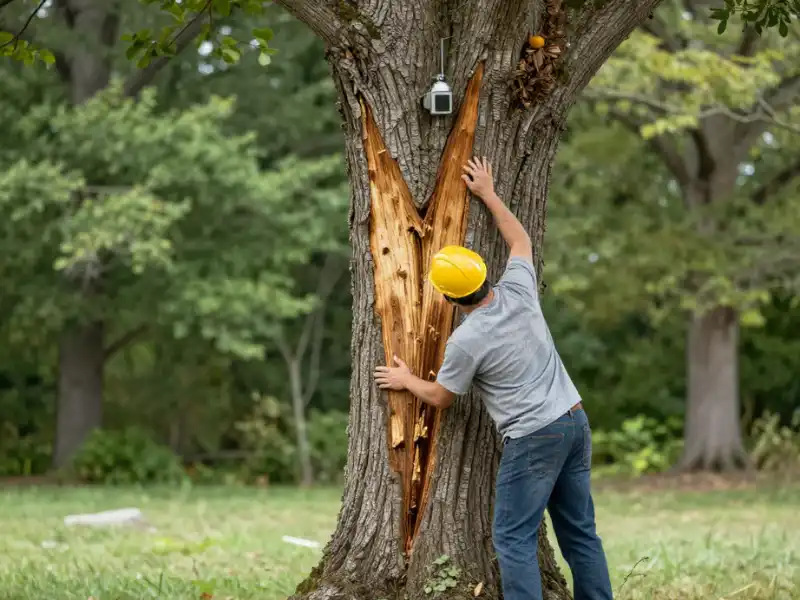
Common Types of Tree Damage to Roofs in Virginia
Tree-related roof damage doesn’t always look dramatic at first. Some damage is obvious, while other issues develop over time.
Falling Branches During Storms
High winds can snap large branches, sending them crashing onto shingles. Even if a branch doesn’t break through the roof, it can crack shingles, damage flashing, and compromise waterproofing layers.
Complete Tree Collapses
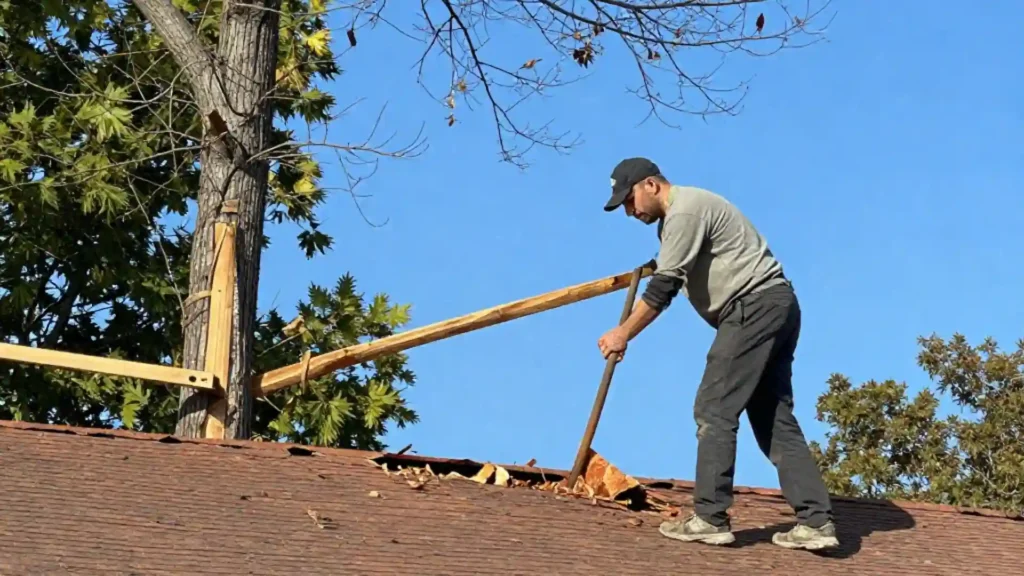
Uprooted trees are the most severe scenario. When an entire tree falls, it can puncture the roof deck, crush rafters, and destabilize the home’s structure. These situations often require extensive tree damage repair to roof Virginia or full roof replacement.
Abrasion from Overhanging Limbs
Branches that scrape against the roof during windy conditions gradually remove shingle granules. This accelerates roof aging and increases the risk of leaks.
Debris Accumulation in Roof Valleys
Leaves, twigs, and broken branches collect in roof valleys and gutters, trapping moisture. Over time, this leads to rot, mold, and interior water damage.
Immediate Steps After Tree Damage to Your Virginia Roof
The actions you take in the first few hours after tree damage can significantly affect repair costs and insurance outcomes.
Prioritize Safety
If a tree has penetrated your roof or caused visible sagging, cracking, or water intrusion, evacuate immediately. Structural damage can worsen without warning.
Document Everything
Take clear photos and videos of the fallen tree, roof damage, attic space, ceilings, and any interior leaks. This documentation is critical for insurance claims related to tree damage repair to roof Virginia.
Prevent Further Damage
Emergency tarping or temporary roof covering helps stop rainwater from entering your home while permanent repairs are scheduled.
Contact Your Insurance Company
Report the incident promptly. Delays can complicate claims and increase out-of-pocket costs.
The Tree Damage Repair to Roof Process in Virginia
Professional roof repair after tree damage follows a structured process to ensure safety and long-term durability.
Initial Inspection and Damage Assessment
Roofing professionals inspect both visible and hidden damage. This includes checking shingles, flashing, decking, attic framing, and interior ceilings.
Tree and Debris Removal
Safe removal is essential to prevent additional stress on the roof. Tree removal is often coordinated with roofing crews to minimize delays.
Shingle Replacement
Damaged shingles are removed and replaced to restore the roof’s protective barrier. Color matching and proper sealing are critical.
Roof Deck Patching
If the decking is cracked or punctured, sections of plywood or OSB are replaced to restore structural integrity.
Structural Repairs
Rafters, trusses, and support beams may require reinforcement or replacement after severe impacts.
Determining Full Roof Replacement
If damage is widespread or structural components are compromised, a full roof replacement may be the safest option for long-term protection.
Working with Insurance for Tree Damage Repair to Roof Virginia
Insurance coverage plays a major role in recovery after storm-related tree damage.
Typical Coverage in Virginia
Most homeowner policies cover tree damage caused by storms, wind, or lightning. However, damage caused by neglected or dead trees may not be covered.
Filing a Successful Claim
Strong documentation, repair estimates, and professional inspections help support your claim. Keep all receipts for emergency repairs and tarping.
Coordinating with Adjusters
Having your roofing contractor present during the inspection ensures that all damage is identified and included in the claim.
Understanding Deductibles and Depreciation
Know your deductible amount and whether your policy pays replacement cost or actual cash value.
Choosing a Virginia Roofing Contractor for Tree Damage Repair
Not all contractors are experienced in handling storm-related roof damage. Choosing the right professional is essential.
Look for contractors who:
-
Are licensed and insured in Virginia
-
Have experience with tree damage repair to roof Virginia
-
Offer emergency services and fast response times
-
Provide written warranties on materials and labor
Ask about their experience working with insurance claims and whether they handle both temporary and permanent repairs.
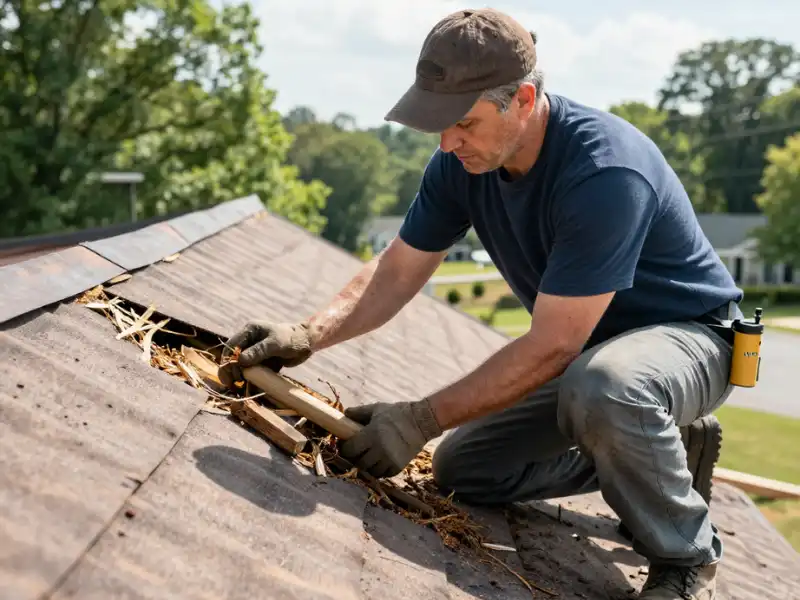
Cost of Tree Damage Repair to Roof Virginia
Repair costs vary widely based on the severity of damage and home design.
Average Repair Costs by Damage Severity
Minor branch damage typically ranges from $500 to $1,500. Moderate damage involving decking or flashing repairs can cost $2,000 to $6,000. Severe structural damage or full roof replacement may exceed $15,000.
Tree Removal Expenses
Tree removal costs depend on size, height, and accessibility. Prices usually range from $500 to $3,000.
Factors Affecting Total Cost
Roof pitch, material type, emergency labor, structural repairs, and permit requirements all influence final pricing.
Prevention Tips for Virginia Homeowners
Preventive maintenance can dramatically reduce the risk of tree-related roof damage.
Regularly trim overhanging branches, especially before storm season. Remove dead or leaning trees near your home. Schedule seasonal roof inspections to identify weak points early. Keeping gutters and roof valleys clear also prevents moisture buildup.
Proactive maintenance reduces the likelihood of needing emergency tree damage repair to roof Virginia.
Final Thought
Tree damage is unpredictable, but your response doesn’t have to be. Fast action, professional inspections, and experienced repairs can protect your home from long-term damage and costly repairs.
If your roof has been impacted by falling trees or branches, don’t wait. Reach out to our team to schedule an inspection or request immediate assistance for tree damage repair to roof Virginia. A trusted local professional can assess the damage, guide you through the next steps, and help restore your home’s safety, value, and peace of mind today.
Join Our Community
Join our community on Facebook, and don’t forget to subscribe to us on YouTube for new content each week.
FAQs
1. What should I do immediately after tree damage to my roof?
Ensure safety, document the damage, apply emergency tarping, and contact a professional roofing contractor.
2. Is tree damage to a roof covered by insurance in Virginia?
Most policies cover storm-related tree damage, but coverage depends on policy terms and tree condition.
3. How quickly should roof repairs begin after tree damage?
Temporary protection should happen immediately, with permanent repairs starting as soon as inspections are completed.
4. Can minor tree damage still cause roof leaks later?
Yes. Even small branch impacts can crack shingles and allow moisture to enter over time.
5. How can homeowners prevent tree damage to roofs in Virginia?
Regular tree trimming, removing dead trees, and scheduling seasonal roof inspections reduce risk.