Rolled roofing is one of the most affordable and straightforward Roofing options available today. If you’re looking for a simple solution for a shed, garage, or low-slope roof, learning how to lay rolled roofing can save you time and money while still providing solid protection from the elements.
This guide walks you through everything you need to know, from preparation and safety to installation and maintenance, so you can complete the job with confidence.
What Rolled Roofing Is and When to Use It
Rolled roofing is an asphalt-based roofing material that comes in large rolls, typically 36 inches wide. It’s designed for quick installation and works best on roofs with a low slope.
Compared to traditional shingles, rolled roofing is far more cost-effective and easier to install. It’s commonly used on sheds, garages, workshops, porches, and other utility structures. While it’s not ideal for steep or highly visible residential roofs, it’s a practical option where budget and simplicity matter most.
Before You Start: What You Need to Know
Timing and preparation play a big role in a successful installation. Rolled roofing should be installed during dry, mild weather so the adhesive bonds properly. Avoid cold temperatures, rain, or extreme heat.
The average lifespan of rolled roofing is around 8–10 years, depending on installation quality and maintenance. If your roof has structural damage, multiple layers, or complex flashing details, hiring a professional may be the safer choice. However, small structures and straightforward layouts are ideal for DIY projects.
Tools and Materials Checklist
Before starting, gather all necessary tools and materials to avoid delays:
Roofing cement or adhesive
Roofing nails and a hammer
Utility knife with extra blades
Measuring tape and chalk line
Trowel or roofing spreader
Gloves, non-slip footwear, and safety glasses
Having everything ready makes the process smoother and safer.
Safety First: Essential Precautions
Roof work always involves risk, even on low slopes. Wear proper footwear with good traction and use protective gear at all times. Ensure your ladder is stable and placed on solid ground.
Working with a partner is strongly recommended they can assist with materials and provide help in case of an emergency. Never install rolled roofing in windy or wet conditions, as this increases the risk of slips and poor adhesion.

Preparing Your Roof Surface
Start by clearing the roof surface of dirt, leaves, and debris. Inspect the roof deck carefully for soft spots, cracks, or rot, and repair any damage before installation.
While underlayment is optional, it adds extra moisture protection and can extend the roof’s lifespan. Installing a drip edge and flashing along roof edges and penetrations helps prevent water intrusion and improves overall performance.
How to Lay Rolled Roofing
This is the core of the project, and precision matters.
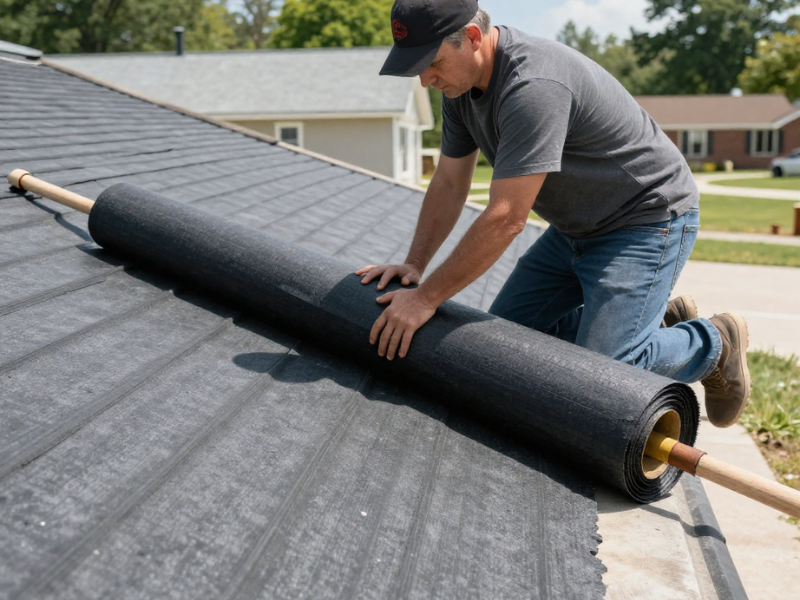
Begin by measuring and marking chalk lines every 35 inches to guide placement. Apply a thin, even layer of roofing cement along the starting edge using a trowel.
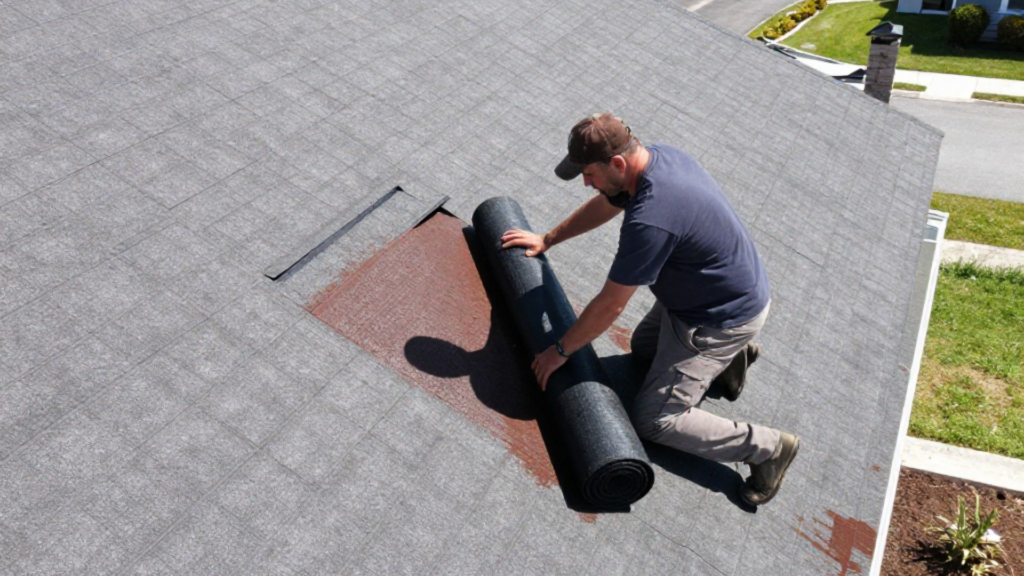
Cut the rolled roofing to the required length, then carefully lay the first sheet along the chalk line. Press it firmly into the cement to remove air pockets. Secure the material using roofing nails spaced about 10 inches apart along the edges.
When adding additional layers, overlap each row by 32 inches to ensure proper water runoff. Continue applying cement beneath overlaps and along seams. Finish by sealing all edges and nail heads with roofing cement to prevent leaks.
If you’re wondering how to lay rolled roofing correctly, patience and careful alignment are the keys to a long-lasting result.
Finishing Touches
Once all sections are installed, trim any excess material along edges and corners. Apply a final layer of roofing cement where needed, especially around seams and penetrations.
Clean up tools, remove debris, and inspect the roof closely to ensure all areas are sealed and secure.
Common Mistakes to Avoid
Many DIY installers rush the process or skip surface preparation, which leads to premature failure. Common mistakes include poor overlap alignment, over-nailing, installing in cold weather, and failing to seal nail heads properly.
Avoid these issues, and your rolled roofing will perform as expected.
Maintenance Tips for Longevity
Inspect your roof at least once a year and after major storms. Reseal cracks or lifted edges promptly with roofing cement. Keeping debris off the roof and maintaining proper drainage can significantly extend its lifespan.
With the right preparation and technique, learning how to lay rolled roofing can be a smart, budget-friendly solution for low-slope roofs and utility buildings.
Final Thought
Rolled roofing is a smart, cost-effective option for sheds, garages, and low-slope roofs when installed the right way. With proper preparation, safe working practices, and attention to detail, you can achieve reliable protection and extend the life of your roof. Knowing how to lay rolled roofing helps you avoid common mistakes and decide whether a DIY approach or professional installation is the best choice for your project.
If you’d rather leave the work to experienced professionals, we’re here to help. Contact us today for expert advice, a free roof inspection, or a no-obligation estimate. Our team is ready to deliver reliable roofing solutions you can trust.
Join Our Community
Join our community on Facebook, and don’t forget to subscribe to us on YouTube for new content each week.
FAQs
1. What is rolled roofing best used for?
Rolled roofing is ideal for sheds, garages, and low-slope roofs where cost and quick installation are priorities.
2. How long does rolled roofing last?
Rolled roofing typically lasts 8–10 years with proper installation and regular maintenance.
3. Can I install rolled roofing myself?
Yes. Rolled roofing is DIY-friendly for simple roofs, but complex layouts or damaged decks may require a professional.
4. What weather is best for installing rolled roofing?
Dry, mild weather is best. Avoid rain, cold temperatures, or extreme heat to ensure proper adhesion.
5. What is the most common rolled roofing mistake?
Poor overlap alignment and unsealed nail heads are the most common causes of leaks and early failure.