If you’re planning a roof replacement, timing can save you thousands of dollars. But when exactly is the slow season for roofing, and should you schedule your project during this period?
The answer isn’t as simple as “winter” or “summer.” The roofing slow season varies significantly by region, and understanding these patterns can help you make a smarter decision for your home and budget.
When Is the Slow Season for Roofing?
For most of the United States, the slow season for roofing runs from late November through February. During these winter months, roofing contractors typically see a 40-60% drop in demand compared to their peak season.
However, this timeline shifts depending on where you live.
Regional Breakdown
Northern States (Minnesota, Wisconsin, Michigan, New York) The slowest period hits hard from December through February. Cold temperatures, snow, and ice make roofing work challenging and sometimes impossible. Many contractors in these areas reduce their crews or focus on interior work during these months.
Southern States (Florida, Georgia, Texas, Louisiana) Here’s where it gets interesting. While winter remains relatively slow, the real slow season often occurs during the scorching summer months of June through August. When temperatures climb above 95°F, roofing work becomes physically demanding and dangerous for crews. Many homeowners also avoid scheduling roof work during this time.
Southwest (Arizona, Nevada, New Mexico) The Southwest experiences two mini slow seasons: December through January, when winter storms roll through, and July through August, when temperatures regularly exceed 100°F.
Pacific Northwest (Washington, Oregon) The slow season typically runs from November through March, coinciding with the region’s heaviest rainfall. Contractors can work through light rain, but persistent wet weather slows down projects considerably.
Coastal Areas In hurricane-prone regions like the Gulf Coast and Southeast Atlantic, the slow season paradoxically falls right before hurricane season (May-June) when homeowners are preoccupied with storm preparation rather than roofing projects.
Why Does Roofing Have a Slow Season?
Understanding why certain times of year are slower helps you weigh the pros and cons of off-season roofing.
Weather Challenges
Cold weather is the primary culprit. Asphalt shingles require temperatures above 40-45°F to seal properly. When shingles are installed in colder conditions, they won’t bond correctly until warmer weather arrives, which can take weeks or months. This doesn’t mean the roof won’t work, but it does require experienced contractors who understand cold-weather installation techniques.
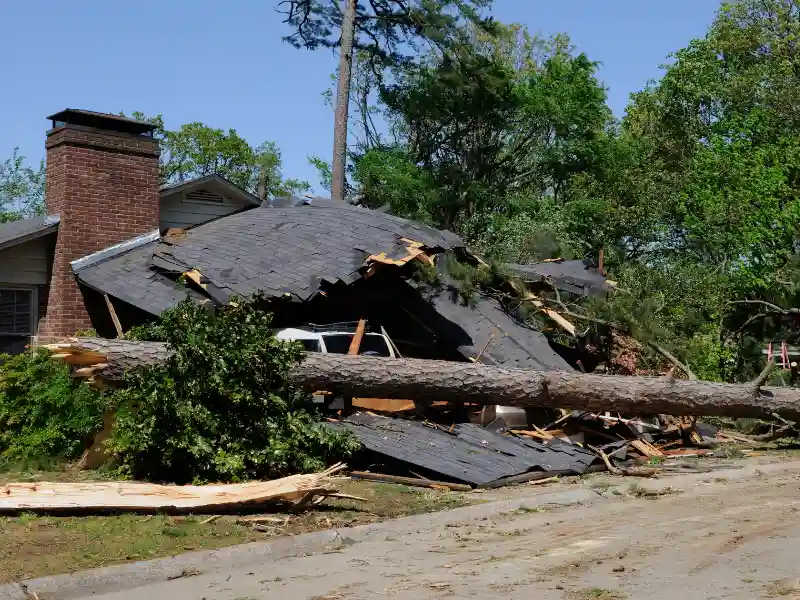
Snow and ice create obvious safety hazards. Even a light dusting of snow can make roof surfaces dangerously slippery, and ice dams can interfere with proper installation.
Shorter Daylight Hours In December and January, northern states may only have 8-9 hours of usable daylight. This cuts the productive work window significantly, meaning projects take longer to complete.
Material Limitations
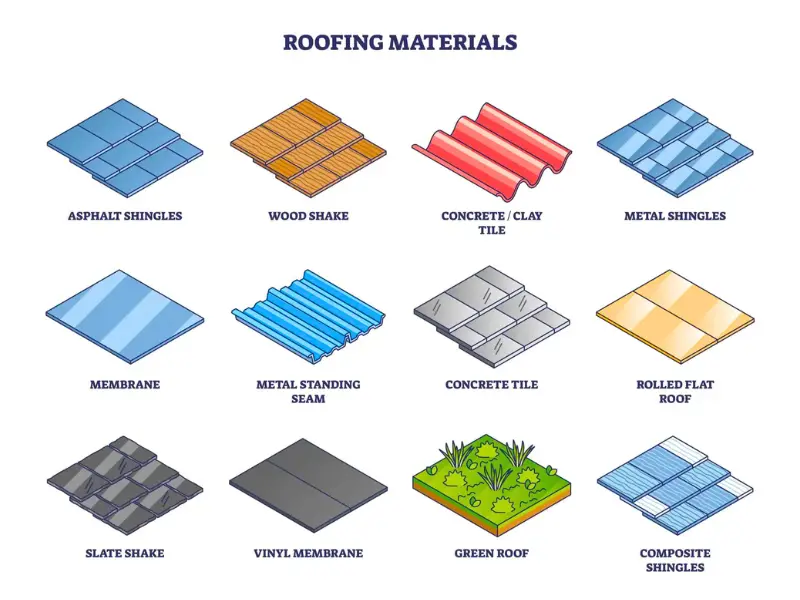
Beyond shingles, other roofing materials have temperature sensitivities. Underlayment can become brittle in extreme cold, and sealants may not cure properly. Metal roofing expands and contracts with temperature, requiring precise installation calculations in cold weather.
Homeowner Psychology Most people simply don’t think about their roof during winter. They’re focused on holidays, heating bills, and getting through the cold months. Roofing falls off the priority list until spring damage reveals itself.
The Real Benefits of Scheduling During the Slow Season
Now for the good news: scheduling your roofing project when demand is low comes with legitimate advantages.
| Benefit | What It Means for Homeowners |
|---|---|
| Significant Cost Savings | During the slow season for roofing, homeowners can save 10–30% on total project costs. A roof replacement that costs $10,000 in summer may drop to $7,000–$9,000 in January. Contractors offer competitive pricing to keep crews working year-round and are often more flexible in negotiations. |
| Better Contractor Availability | In peak season (April–October), top contractors may be booked 6–8 weeks out. During the slow season, scheduling often takes just 1–2 weeks, making it ideal for urgent repairs or preparing a home for sale. |
| More Attention to Your Project | With fewer jobs at once, contractors can focus more closely on your roof. The same crew usually handles the entire project from start to finish, leading to higher-quality workmanship and fewer mistakes. |
Less Rushed Work: Peak season pressure can lead to shortcuts. During the slow season, crews work at a more measured pace. They have time to address unexpected issues properly rather than pushing through to meet an aggressive schedule.
Off-Season Promotions: Many roofing companies run special promotions during slow months. You might find package deals on gutters, ventilation upgrades, or extended warranties that aren’t available during the busy season.
Potential Drawbacks You Should Know
Being honest about the challenges helps you make an informed decision.
Weather Delays Are Real:
Your one-week project might stretch to three weeks if winter storms roll through. Most contracts include weather delay clauses, but you need patience and flexibility. If you’re on a tight deadline (like closing on a home sale), slow-season scheduling becomes risky.
Cold-Weather Installation Concerns:
While experienced contractors can successfully install roofs in cold weather, there are legitimate concerns. Shingles installed below 40°F won’t seal until temperatures rise in spring. During that window, high winds could potentially lift shingles that haven’t bonded yet.
Reputable contractors address this by hand-sealing shingles or using additional fasteners, but not all companies follow these practices.
Limited Working Hours:
Projects simply take longer in winter. What might be a three-day job in summer could take five or six days in January due to shorter daylight hours and cold-weather precautions.
Potential Material Issues:
If materials aren’t stored properly before installation, cold temperatures can affect their performance. Shingles can become brittle and crack during handling. This is why choosing an experienced contractor who understands material management is crucial.
Should You Wait for the Slow Season?
Here’s a practical framework to help you decide.
Wait for Slow Season If:
✅ Your current roof is functional with no active leaks
✅ You’re working with a flexible budget and want to maximize savings
✅ You have a flexible timeline and can accommodate weather delays
✅ You’re planning for a roof that’s approaching end-of-life
✅ You want better contractor selection and availability
Don’t Wait If:
❌ You have active leaks or water damage
❌ You’ve noticed missing, curling, or damaged shingles
❌ You’re selling your home soon and need the work completed quickly
❌ Your roof has structural damage or sagging areas
❌ You’ve been denied insurance coverage due to the roof condition
❌ Storm damage requires immediate attention
The bottom line: Never delay emergency repairs to save money. A small leak in November can become catastrophic water damage by February. The thousands you save on labor won’t cover structural repairs, mold remediation, and damaged belongings.
How to Book a Roofing Project in the Slow Season
If you’ve decided slow-season roofing makes sense, here’s how to do it right.
Start Early (2-3 Months Ahead). Even during the slow season, the best contractors stay busy. If you want work done in January, start getting quotes in November. This gives you time to research companies, compare bids, and schedule around holidays.
Ask These Specific Questions:
- How many winter roofing projects have you completed in the past three years?
- What specific techniques do you use for cold-weather shingle installation?
- How do you handle unexpected weather delays in the contract?
- Do your material warranties cover cold-weather installation?
- What’s your typical project timeline during the winter months?
- Will the same crew work my entire project?
Tips for Successful Slow Season Roofing
Choose Contractors with Winter Experience: This cannot be overstated. Installing a roof in 35°F weather requires different techniques than summer installation. Ask to see photos of recent winter projects and contact those homeowners for references.
Verify Material Warranty Coverage: Some shingle manufacturers have specific requirements for cold-weather installation. Make sure your contractor follows these guidelines and that your warranty remains valid. Get this in writing.
Understand the Sealing Timeline: Your contractor should explain when the shingles will seal and what to watch for until that happens. Typically, shingles need several days of 70°F+ temperatures to seal properly. In cold climates, this might not happen until April or May.
Prepare for Noise and Disruption: Roofing is loud regardless of season, but winter projects may take longer. Alert your neighbors, make arrangements if you work from home, and plan for pets who might be stressed by the noise.
Ensure Proper Material Storage: Materials should be delivered close to installation day and stored in a temperature-controlled environment if possible. Shingles stored in freezing temperatures become brittle and difficult to work with.
Maintain Open Communication: Winter weather is unpredictable. Establish how your contractor will communicate delays (text, email, phone) and set expectations for response times. Good contractors keep you updated proactively.
Final Thoughts
When is the slow season for roofing? For most homeowners, it’s the winter months from late November through February, though regional climate variations create different patterns across the country. Scheduling your roof replacement during the slow season can save you significant money—typically 10-30% off peak season pricing—while giving you access to better contractors and more attentive service. However, you need flexibility, patience, and the right contractor to make it work.
The key is honest assessment. If your roof is failing now, don’t wait for slow-season discounts. But if you’re planning ahead and can work around winter weather, the slow season offers legitimate advantages that go beyond just cost savings.
Remember: the best time to replace your roof is before you absolutely need to. That gives you control over timing, contractor selection, and budget. Plan ahead, do your research, and you’ll get a quality roof at the best possible price.
Frequently Asked Questions
1. Can you really replace a roof in winter?
Yes, roofs can be successfully replaced in winter, even in cold climates. Experienced contractors use special techniques like hand-sealing shingles and adding extra fasteners to ensure proper installation.
2. How much cheaper is roofing during the slow season?
You can typically save 10-30% during the slow season compared to peak summer months. On a $12,000 roof replacement, that translates to $1,200-$3,600 in savings.
3. What temperature is too cold for roofing?
Most asphalt shingles require temperatures above 40-45°F for proper installation and sealing. Some manufacturers allow installation down to 35°F with special techniques.
4. Is slow-season roofing lower quality?
Not when you hire experienced contractors. In fact, slow season roofing can be higher quality because crews aren’t rushed between multiple projects and pay more attention to detail.
5. When should I start getting quotes for winter roofing?
Start gathering quotes 2-3 months before your desired installation date. If you want work done in January, begin contacting contractors in November.
6. What happens if it snows during my roofing project?
Work stops immediately when snow falls or is forecasted. Your contractor should cover exposed areas with tarps to protect your home.