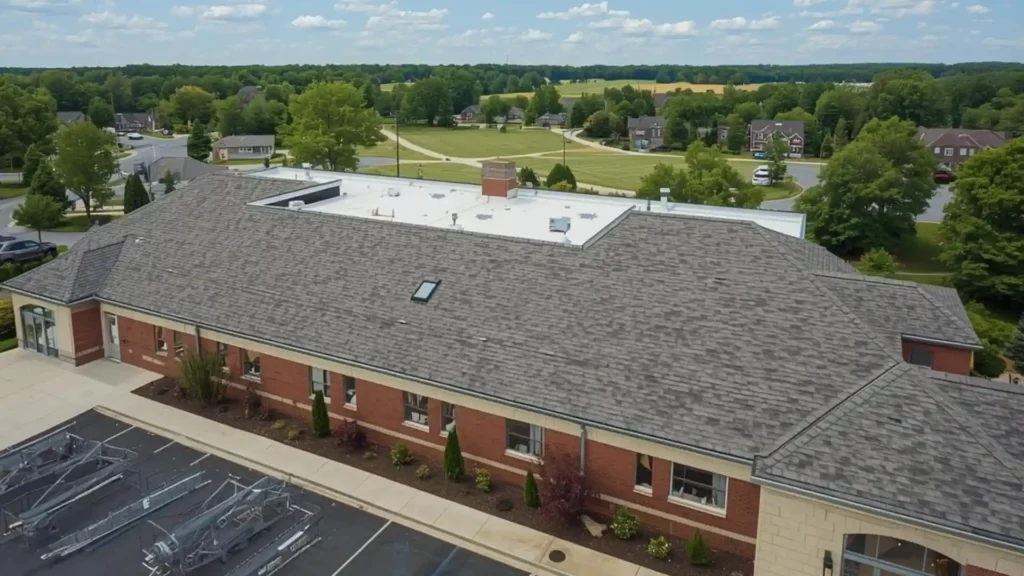
Your roof is one of the most important assets protecting your building, inventory, equipment, staff, and customers. Commercial roofing is different from residential roofing in both design and performance requirements, mainly because most commercial buildings use flat or low-slope roof structures, larger surface areas, different drainage systems, and stricter code and warranty conditions. On a home, the roof is often steep-slope and focused on curb appeal and attic ventilation. On a commercial building, the roof must handle constant UV exposure, temperature swings, foot traffic from HVAC servicing, and long-term water management without disrupting business operations.
Choosing the right system matters because the wrong fit can lead to leaks, trapped moisture, higher energy bills, unexpected downtime, and costly repairs. The best roof for a warehouse may not be the best roof for a retail space or office building, even if the building sizes are similar. Materials, installation methods, insulation choices, and maintenance access all play a role.
In this guide, you’ll learn the most common commercial roof systems, how materials compare, what factors help you choose the right option, what installation typically looks like, and how maintenance can extend roof life. By the end, you’ll be better prepared to discuss options with a contractor and select a roof that matches your building’s needs and your budget.
TPO (Thermoplastic Polyolefin) Roofing
TPO is a single-ply membrane commonly used on flat and low-slope roofs. It’s heat-welded at seams for strong joint integrity and is often selected for its reflective surface, which can help reduce heat gain.
EPDM (Rubber) Roofing
EPDM is a durable rubber membrane known for flexibility and weather resistance. It’s widely used for large roof areas and performs well in many climates, especially where temperature swings are common.
PVC (Polyvinyl Chloride) Roofing
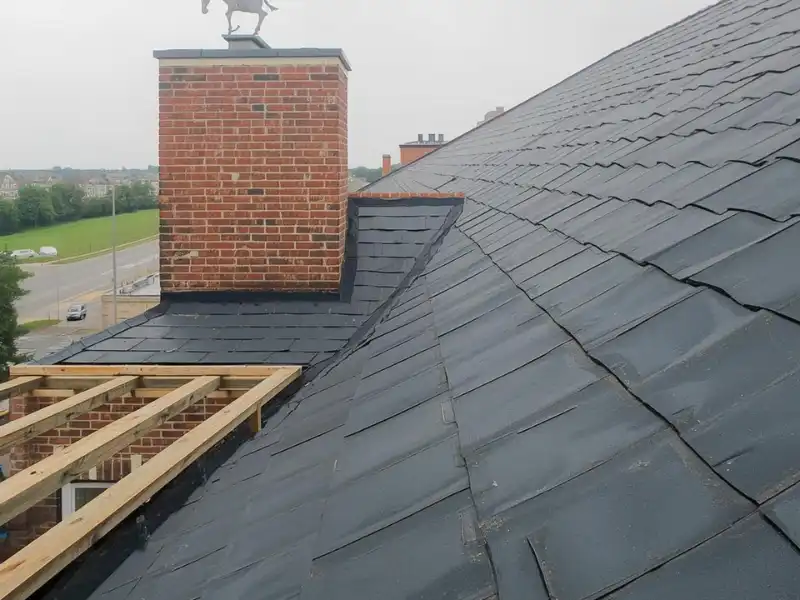
PVC is another single-ply membrane with heat-welded seams. It’s popular for buildings exposed to chemicals, grease, or oils (like restaurants) because it can offer strong chemical resistance depending on the product.
Metal Roofing Systems
Commercial metal roofing can include standing seam panels or engineered metal systems. Metal is valued for longevity, wind resistance, and low maintenance when properly installed. It’s often used on facilities that want long service life and strong durability.
Modified Bitumen Roofing
Modified bitumen is an asphalt-based system installed in layers, often with a torch-applied, self-adhered, or cold-applied method. It’s a proven option for low-slope roofs and is known for toughness and puncture resistance.
Built-Up Roofing (BUR)
BUR uses multiple layers of bitumen and reinforcing fabrics to create a thick, durable roof surface. It’s one of the most traditional commercial systems and can perform well when properly installed and maintained.
Green/Vegetative Roofing
Green roofs incorporate vegetation over waterproofing and drainage layers. They can improve insulation performance, reduce heat island effects, and help manage stormwater, though they require careful engineering and ongoing maintenance planning.
Durability and Lifespan
Single-ply systems (TPO/EPDM/PVC): Commonly chosen for efficiency and performance; lifespan depends on membrane thickness, installation quality, and maintenance.
Metal systems: Often among the longest-lasting options, especially when coatings, fasteners, and details are engineered correctly.
Modified bitumen/BUR: Durable and time-tested; layered systems can handle traffic and impacts better than some membranes.
Green roofs: Waterproofing layer durability is critical; long-term success depends on drainage design and maintenance.
Cost Breakdown Per Square Foot
Commercial roof pricing can vary widely based on insulation needs, tear-off requirements, deck condition, complexity (curbs, penetrations, drains), and warranty scope. As a general rule:
Single-ply systems are often cost-effective for large flat roofs.
Metal can be higher upfront but may offer strong long-term value.
BUR and modified bitumen vary depending on layer build-up and installation method.
Green roofs usually cost more due to engineering, materials, and upkeep.
Climate Considerations
Hot, sunny regions may benefit from reflective membranes or coatings.
Areas with frequent temperature swings may need materials that handle expansion/contraction well.
High-wind zones require enhanced attachment methods and perimeter detailing.
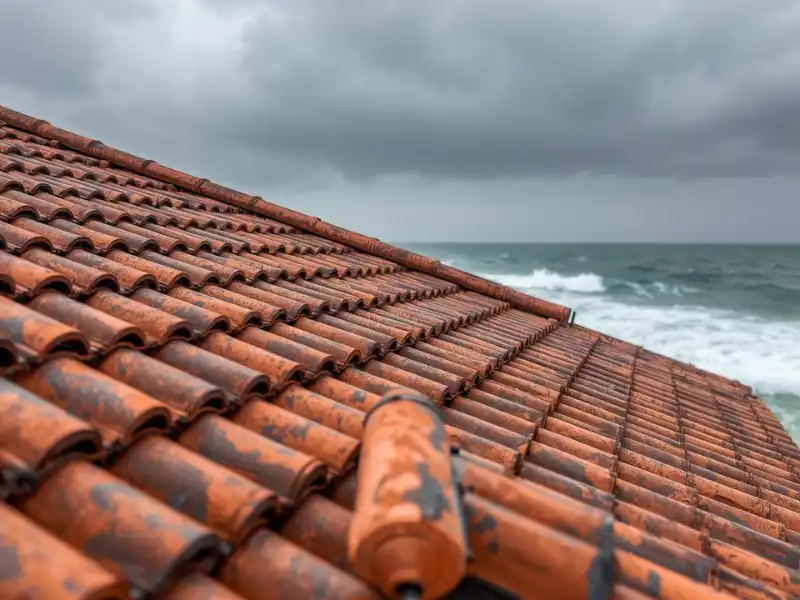
Heavy rain regions demand excellent drainage design and meticulous flashing work.
Energy Efficiency
Energy performance depends heavily on insulation thickness, thermal bridging, reflectivity, and ventilation/roof assembly design. Reflective membranes can reduce cooling demand, while upgraded insulation can help both heating and cooling efficiency year-round.
Flat vs. Low-Slope Considerations
Flat and low-slope roofs are all about water management. Even “flat” roofs must be designed to drain properly. Your system choice should match your drainage layout, slope, and the number of penetrations (HVAC units, skylights, vents).
Building Type Requirements
Warehouses: Often prioritize durability, fast installation, and cost efficiency over aesthetics.
Retail buildings: May prioritize energy performance and leak prevention to protect inventory and customer areas.
Offices: Comfort and insulation value matter; downtime and interior protection are critical.
Industrial facilities: Chemical exposure, exhaust, and heat loads may affect membrane choice and detailing.
Budget Considerations
Think in terms of total ownership cost, not just installation price. A lower upfront system can become expensive if it increases repairs, energy costs, or disrupts operations. Warranty options, expected lifespan, and maintenance requirements should be part of the financial decision.
Local Climate Factors
Local weather patterns, wind uplift requirements, hail risk, and rain intensity all influence the best assembly. This is where a professional inspection and local code knowledge make a major difference.
Pre-Installation Inspection
A proper evaluation includes moisture scanning (when applicable), deck assessment, drainage review, and checking penetrations and flashing conditions. This step helps prevent surprises after the project starts.
Permitting Requirements
Many jurisdictions require permits, inspections, and documentation, especially for large projects, structural changes, or energy-code upgrades. Your contractor should guide you through what’s needed.
Installation Timeline
Timelines depend on building size, weather, tear-off scope, and system complexity. Some installs can move quickly, while others require staged work to keep the building protected and operational.
Minimizing Business Disruption
Good planning reduces noise, odor, and access issues. Work staging, safety barriers, delivery scheduling, and clear communication help keep staff and customers safe while minimizing downtime.
Routine Maintenance Schedules
A smart plan usually includes inspections at least twice per year (often spring and fall), plus checks after major storms. Keeping drains clear and addressing small issues early can prevent major leaks.
Common Commercial Roofing Problems
Ponding water from poor drainage
Membrane seam separation or punctures
Flashing failures around penetrations
Clogged drains and scuppers
Wind damage at edges and corners
Hidden moisture trapped in insulation
When to Repair vs. Replace
Repair often makes sense when damage is localized, the system is relatively young, and moisture hasn’t spread. Replacement becomes more cost-effective when the roof has widespread wet insulation, recurring leaks, or is near the end of service life.
Extending Roof Lifespan
Regular inspections, prompt repairs, keeping foot traffic controlled, and maintaining drains can significantly extend performance. A well-managed commercial roofing system typically lasts longer and costs less over time.
Final Thought
If you’re evaluating commercial roofing options, start with a professional inspection and a plan that fits your building type, climate, and business priorities. A tailored recommendation can help you avoid unnecessary costs, prevent future disruptions, and choose a system you can rely on. Want a clear, no-pressure path forward? Contact us today to schedule a consultation so we can review your roof condition, compare system options, and build a plan around your budget and timeline.
Join Our Community
Join our community on Facebook, and don’t forget to subscribe to us on YouTube for new content each week.
FAQs
What is commercial roofing?
Commercial roofing covers flat/low-slope buildings using membranes or multi-layer systems designed for drainage, durability, and rooftop equipment.
Which commercial roofing system lasts the longest?
Lifespan varies by material, installation quality, and maintenance; metal and well-maintained multi-layer systems often last longer.
How do I choose the right roof for my building type?
Match roof system to slope, building use (warehouse/retail/office), rooftop traffic, budget, and local weather risks.
How long does installation usually take?
It depends on roof size, tear-off needs, and weather; staged work and planning help keep operations running.
When should I repair vs replace a commercial roof?
Repair for localized issues; replace when leaks recur, wet insulation is widespread, or the roof is near end-of-life.