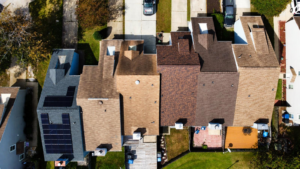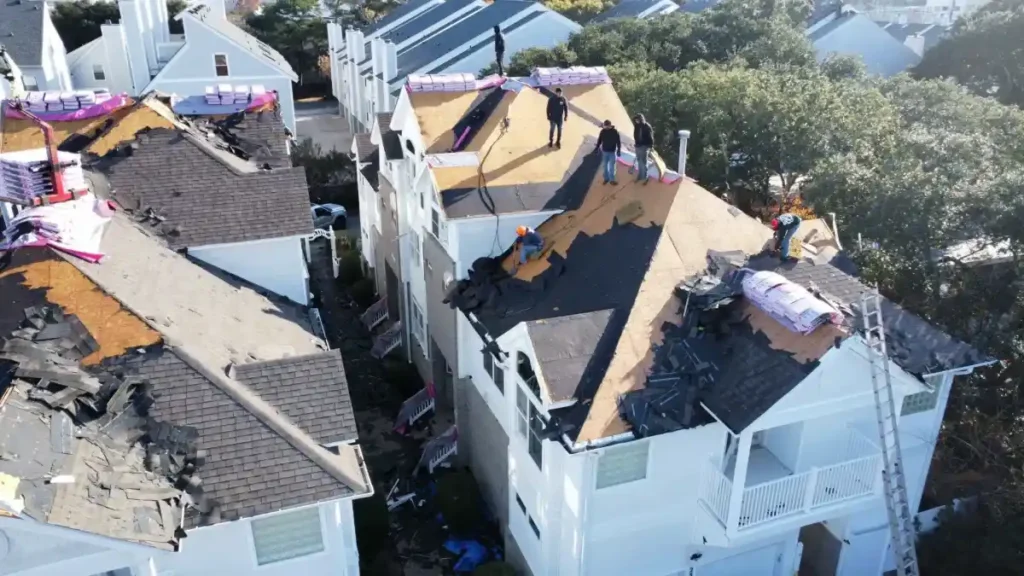
When it comes to home construction and renovation, one of the most critical aspects that often gets overlooked is the roof. The roof is not just a protective barrier; it plays a vital role in the overall aesthetics and functionality of your home. In particular, the point where two roofs meet, commonly referred to as a roof junction, can significantly impact both the appearance and integrity of the structure. This comprehensive guide will delve into the intricacies of roof design and construction, with a specific focus on the areas where two roofs intersect.
Understanding Roof Design
Before diving into the specifics of roof construction and the critical areas where two roofs meet, it’s essential to understand some basic concepts of roof design. Roofs can come in various styles, including gable, hip, flat, and shed roofs, each with its advantages and disadvantages. The design you choose will not only affect the aesthetic appeal of your home but also its functionality, longevity, and maintenance requirements.
Types of Roofs
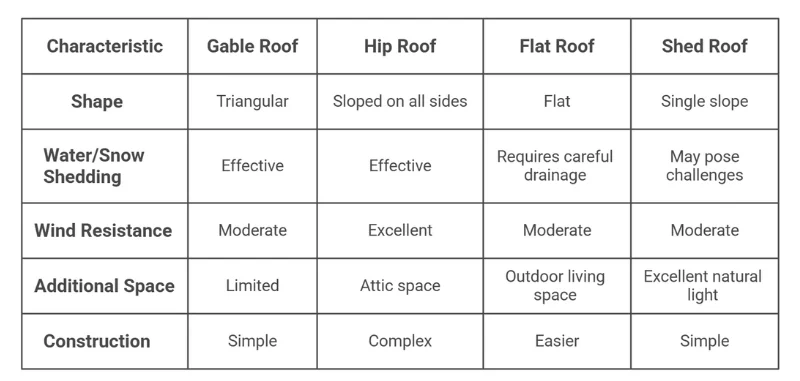
The Importance of Roof Design
The design of your roof can dramatically affect your home’s energy efficiency, aesthetics, and resale value. A well-designed roof will not only enhance curb appeal but also improve insulation, reduce energy bills, and provide a safe and secure environment for your family.
The Mechanics of Roof Construction
Once you have a clear understanding of roof design, it’s time to delve into the construction process. Building a roof involves several critical steps, especially in the areas where two roofs meet. Here, we’ll outline the primary components involved in roof construction, focusing on the junctions where 2 roofs meet.
Essential Components of Roof Construction
| Roof Component | Description |
|---|---|
| Framing | The roof structure begins with framing, including rafters, trusses, and beams. It supports the roof and defines its shape. Proper framing is especially important where two roofs meet to ensure stability and prevent sagging. |
| Sheathing | Installed over the framing, sheathing (usually plywood or OSB) provides a solid base for roofing materials and helps with insulation and moisture control. |
| Underlayment | This protective layer acts as a moisture barrier, shielding the sheathing from rain and snow. It is crucial at junction points where two roofs meet, as water tends to collect there. |
| Roofing Material | The outermost layer of the roof, which may include asphalt shingles, metal, tiles, or green roofing systems. The choice of material affects durability, weather resistance, and visual appeal. |
Common Roofing Techniques
At the junction where two roofs meet, various techniques can be employed to ensure a watertight seal and structural integrity.
Valleys
These are the areas where two roof slopes meet, typically forming a V shape. Valleys are crucial for directing water off the roof, and they require special attention during installation to prevent leaks. Learn more about proper roof valley installation techniques from IKO’s expert guide.
Ridge Caps
The ridge is the highest point of the roof, where two slopes meet at the top. Ridge caps are installed to provide a weather-tight seal and add a finishing touch to the overall look of the roof.
Flashings
Flashings are critical components that help direct water away from joints and seams. They are particularly important at the intersections where 2 roofs meet, as these areas are more susceptible to leaks.
Eaves and Overhangs
These are the edges of the roof that extend beyond the walls of the house. Properly designed eaves and overhangs can protect the home’s siding and foundation from water damage.
Challenges at the Junctions of Roofs
While the construction of a roof may seem straightforward, the areas where two roofs meet can pose unique challenges. Proper attention to detail is crucial to ensure that these intersections remain watertight and structurally sound.
Water Accumulation
One of the most significant challenges at roof junctions is water accumulation. When two roofs meet, water can pool, leading to leaks and potential damage. It’s vital to design these junctions carefully, incorporating valleys, proper drainage systems, and high-quality materials to mitigate this risk.
Structural Integrity
The areas where two 2 meet are often points of stress. If not framed and supported adequately, these junctions can sag or even collapse. Ensuring that the framing is robust and that the loads are distributed evenly is essential for maintaining structural integrity.
Aesthetic Considerations
From an aesthetic perspective, the junctions of roofs can enhance or detract from the overall look of your home. Poorly designed or executed junctions can lead to an unsightly appearance, diminishing your home’s curb appeal. It’s essential to choose roofing materials and designs that complement each other and align with your home’s architectural style.
Maintenance and Inspection
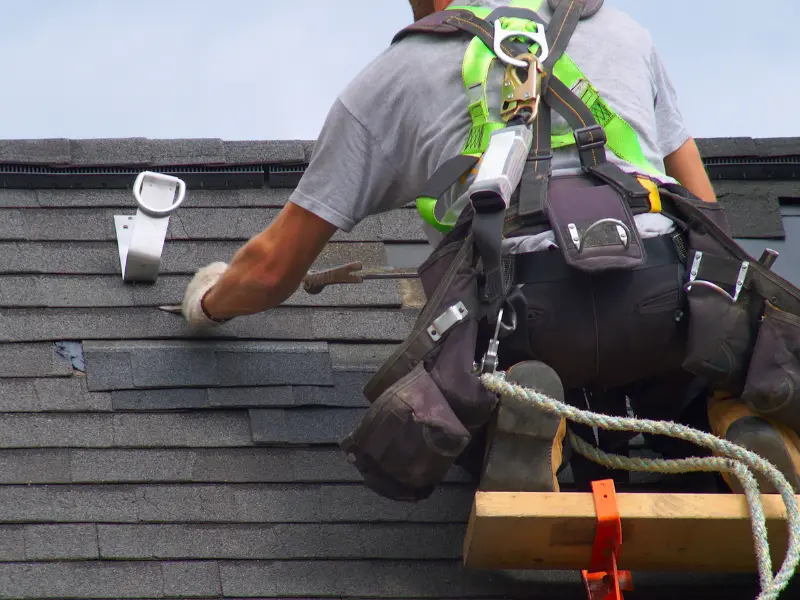
Once your roof is constructed, regular maintenance is paramount to ensure its longevity, especially at the points where two roofs meet.
Routine Inspections
Conducting routine inspections of your roof can help identify potential issues before they become significant problems. Look for signs of water damage, missing shingles, or any other irregularities, particularly at the junctions of two roofs.
Cleaning Gutters and Valleys
Keeping gutters and valleys clear of debris is crucial for proper drainage. Clogged gutters can lead to water overflow, which may accumulate at roof junctions and lead to leaks.
Professional Maintenance
While homeowners can handle some maintenance tasks, hiring a professional roofing contractor for more complex inspections and repairs is wise. A qualified contractor can assess the condition of your roof, particularly in challenging areas where 2 roofs meet.
Why Choose Reitzel Roofing & Exteriors
When it comes to roofing services in Virginia Beach, VA, Reitzel Roofing & Exteriors stands out as a trusted choice. Here are several reasons why homeowners should consider Reitzel Roofing & Exteriors for their roofing needs:
Expertise and Experience
Reitzel Roofing & Exteriors brings years of experience and expertise to every roofing project. Our team is well-versed in the complexities of roof design and construction, particularly in the areas where two roofs meet. We understand the intricacies involved and ensure that every detail is meticulously handled.
Quality Materials
We believe that quality materials are the foundation of a long-lasting roof. At Reitzel Roofing & Exteriors, we use only the best materials available, ensuring that your roof can withstand the elements and provide reliable protection for years to come.
Comprehensive Services
Our services extend beyond just new roof installations. We offer inspections, maintenance, and repairs, ensuring that your roof remains in peak condition throughout its lifespan. We specialize in addressing the unique challenges that arise at the junctions where 2 roofs meet.
Customer Satisfaction
At Reitzel Roofing & Exteriors, customer satisfaction is our top priority. We take the time to understand your needs and work closely with you to ensure that your vision is realized. Our dedication to quality craftsmanship and attentive service has earned us a reputation as a leading roofing contractor in the area.
Locally Owned and Operated
As a locally owned and operated business, we have a vested interest in the communities we serve. We understand the specific roofing challenges that homeowners in Virginia Beach face, and we are committed to providing solutions that meet those needs.
The roof is an essential component of your home, and the areas where two roofs meet are particularly critical to its overall integrity and appearance. By understanding the complexities of roof design and construction, homeowners can make informed decisions that will enhance their homes’ functionality and curb appeal.
Whether you’re considering a new roof installation, maintenance, or repairs, it’s crucial to choose a qualified contractor who understands the nuances of roof design, especially at the junctions where 2 roofs meet. Reitzel Roofing & Exteriors is here to assist you every step of the way, ensuring that your roof remains a source of pride and protection for years to come.
Join Our Community
Join our community on Facebook and don’t forget to subscribe to us on YouTube for new content each week.
Final Thoughts
When it comes to roofing, remember that two roofs meet at a critical juncture not only in construction but also in the choices you make for your home. Choose wisely and enjoy the benefits of a well-designed and expertly constructed roof.
FAQs
1. What is the junction between two roof sections called?
The junction between two roof sections is usually called a roof valley when the slopes angle inward, or a ridge when they meet at the peak. The term depends on the roof’s design.
2. Why is the connection between roof sections so important?
This connection is important because it directs rainwater and snowmelt off the roof. If not properly built, it can become a common source of leaks and structural damage.
3. How do roofers prevent leaks at roof intersections?
Roofers use waterproof underlayment, metal flashing, and proper slope alignment to guide water safely away from vulnerable areas at roof intersections.
4. What are common problems at roof junctions?
Common issues include water pooling, damaged flashing, debris buildup, and faster wear of roofing materials due to increased moisture exposure.
5. Do roof intersections require special materials or maintenance?
Yes, roof intersections often need additional waterproofing materials and regular inspections to ensure long-term durability and leak prevention.