If you’re house hunting in Virginia Beach, there’s a good chance you’ve walked through a dozen homes already, and the siding probably wasn’t the first thing on your checklist. Most buyers are thinking about kitchens, bathrooms, and square footage. But here’s something worth knowing before you sign on the dotted line: siding problems Virginia Beach homes deal with are often some of the most overlooked, and most expensive, issues buyers run into after closing.
Coastal living comes with a lot of perks, salty air, warm summers, easy beach access, but it also puts serious stress on a home’s exterior. Humidity, wind, storms, and constant sun exposure all take a toll on siding in ways that aren’t always obvious during a quick walkthrough. At Reitzel Roofing and Exteriors, we’ve inspected more homes than we can count across the area, and we’ve learned that siding almost always tells a story, if you know how to read it. This guide walks through the subtle warning signs, what they actually mean, and why paying attention to them now can save buyers a serious headache later.
Why Siding Problems Are So Common in Virginia Beach
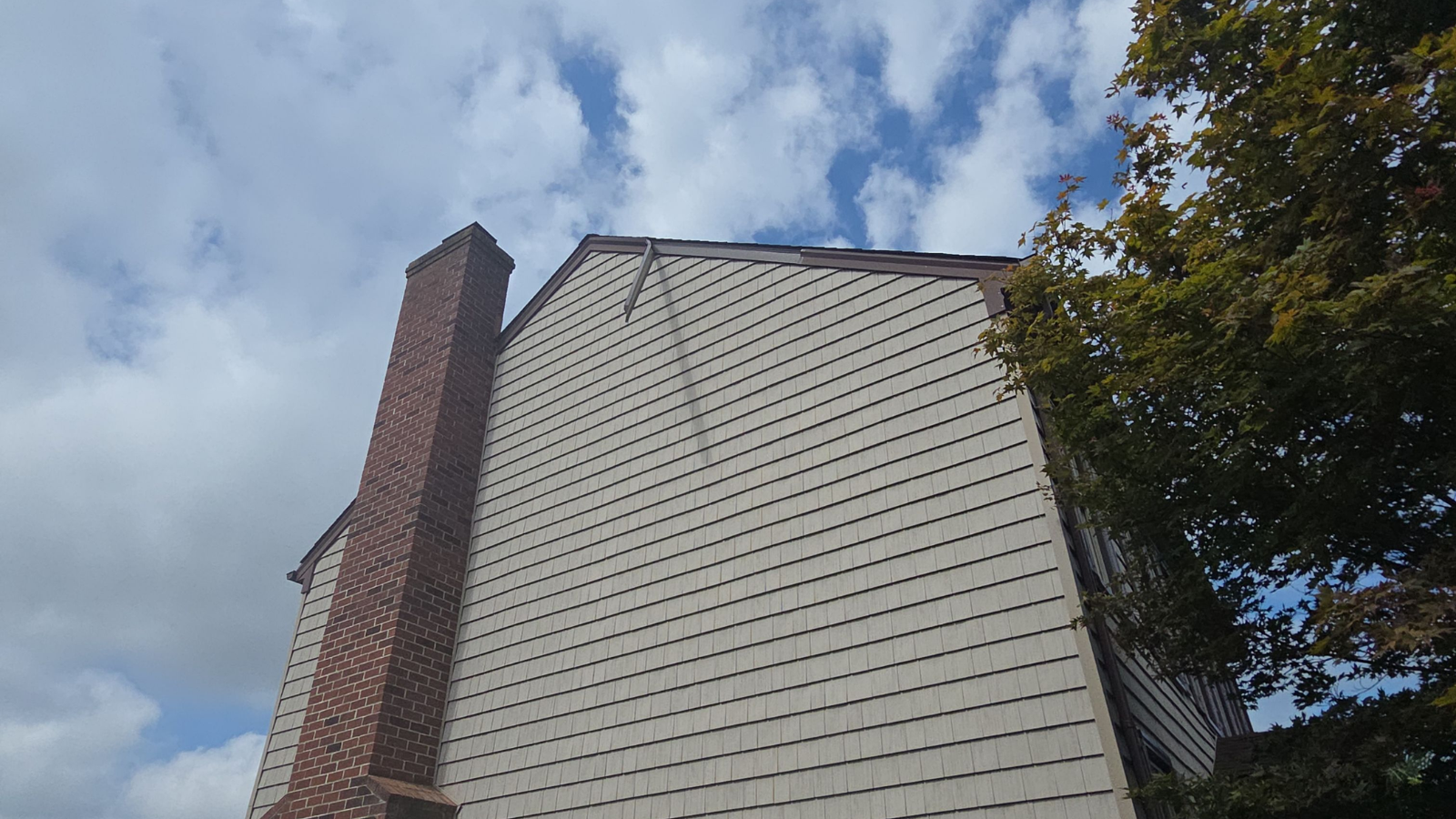
Virginia Beach sits right in that sweet spot of coastal beauty and coastal wear-and-tear. The combination of humidity, salt air, and seasonal storms creates conditions that most inland homes simply don’t deal with. That’s exactly why siding problems Virginia Beach homeowners experience tend to show up faster and more aggressively than in other parts of the state.
Salt air is corrosive, even to materials that are supposed to be weather-resistant. Add in intense summer humidity, and you’ve got a recipe for moisture getting trapped where it shouldn’t be. Then there’s hurricane season, bringing high winds and driving rain that can loosen panels, crack seams, or force water behind siding that looked perfectly fine the week before. For buyers evaluating a home, understanding this local context is key. A home that looks fine on the surface may already be dealing with the beginning stages of exterior damage that simply hasn’t become visible yet.
Subtle Sign #1: Slight Warping or Waviness
One of the easiest signs to miss is subtle warping. From a distance, siding can look completely normal, but when you get closer and look at it from an angle, you might notice a slight wave or ripple in the panels. This is one of the more common siding problems Virginia Beach homes face because of how heat and humidity interact with certain materials, especially vinyl.
Warping usually happens when siding has been exposed to prolonged heat or improper installation that didn’t leave room for natural expansion and contraction. It might seem cosmetic at first, but warped siding often means the material is no longer sealing properly against the elements, which opens the door to moisture problems down the line.
Subtle Sign #2: Small Cracks Near Seams and Corners
Cracks don’t always show up as big, obvious splits. Often, they start small, right at the seams where panels connect or around corners and trim. These tiny cracks are easy to dismiss, but they’re actually one of the most telling siding problems Virginia Beach inspectors look for during a walkthrough.
Once a crack forms, even a hairline one, it creates an entry point for water. Over time, that moisture works its way behind the siding, and that’s when things get expensive. What starts as a barely visible crack can eventually lead to rot, mold, or structural damage that isn’t cheap to fix. If you’re touring a home and notice cracking, even minor, it’s worth asking more questions.
Subtle Sign #3: Discoloration or Staining Patterns
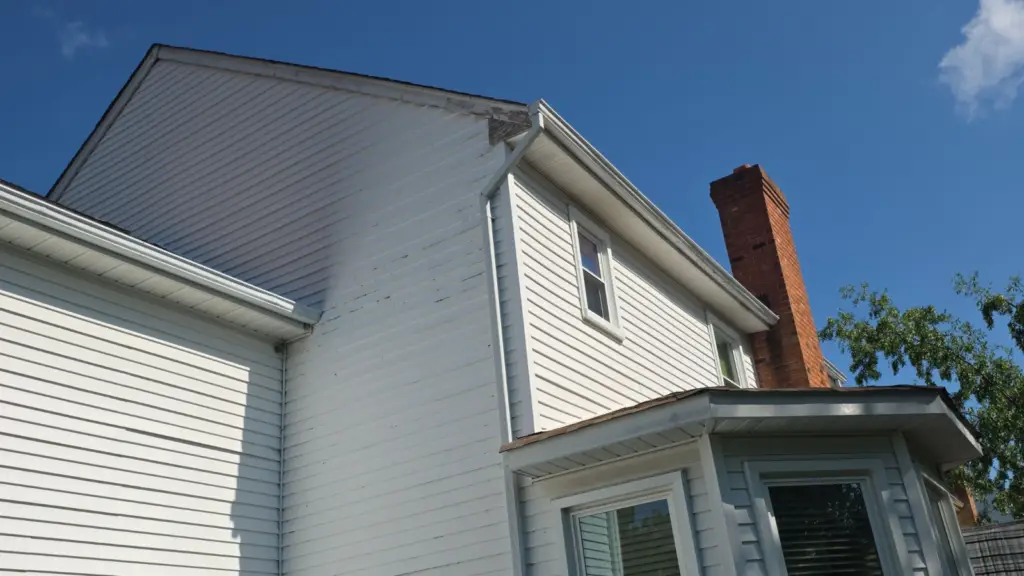
Not all discoloration is just dirt. Streaking, dark patches, or uneven staining can actually be a sign of trapped moisture or early mold growth happening beneath the surface. This is one of those siding problems Virginia Beach buyers often mistake for a simple cleaning issue, when it’s really pointing to something more serious underneath.
Pay close attention to areas near downspouts, under windows, and along the lower sections of the home, since these spots tend to hold moisture longer. If staining shows up consistently in the same areas, it’s usually not random. It’s the siding telling you exactly where water is collecting and lingering.
Subtle Sign #4: Soft Spots or Slight Give When Pressed
This one takes a bit more hands-on inspection, but it’s incredibly telling. If you gently press on siding, especially near the bottom of the home or around window and door trim, and it feels soft or gives slightly, that’s a red flag. Soft spots usually indicate water damage or rot happening underneath the surface material.
This is one of the more serious siding problems Virginia Beach homeowners can face because by the time you feel softness, the damage has often been developing for a while. It’s not something a quick paint job or surface cleaning will fix. It usually requires opening up the area to assess how far the damage has spread.
Subtle Sign #5: Loose or Buckling Panels
Panels that seem slightly loose, or that buckle a bit when the wind blows, are often more than just an aesthetic issue. This tends to happen after storms or high-wind events, which Virginia Beach sees plenty of throughout the year. Loose panels break the protective seal siding is supposed to provide, allowing wind-driven rain to get behind the exterior.
Buyers often assume a little movement in the siding is normal, but it’s actually one of the clearer siding problems Virginia Beach homes develop after repeated storm exposure. If several panels show looseness, it may point to a larger pattern of wind damage that hasn’t been fully addressed.
Subtle Sign #6: Fading That’s Uneven Across the Home
All siding fades over time due to sun exposure, that’s expected. But uneven fading, where one side of the home looks noticeably different from another, can be a clue about ventilation issues, moisture retention, or even previous repairs that used mismatched materials. This kind of inconsistency is worth noting because it often signals that parts of the exterior have been dealing with different conditions than the rest of the home.
A Quick Reference: Common Siding Issues and What They Really Mean
To make this easier to keep track of during a home tour, here’s a breakdown of what to look for and what it might indicate.
| Visible Sign | What It Might Mean | Urgency Level | Common Cause in Virginia Beach |
| Warping or waviness | Heat/moisture stress on material | Moderate | Humidity, improper installation |
| Small cracks near seams | Entry point for water | High | Storm impact, material fatigue |
| Discoloration/staining | Trapped moisture or early mold | High | Poor drainage, humidity exposure |
| Soft spots when pressed | Rot or water damage underneath | Severe | Long-term moisture intrusion |
| Loose or buckling panels | Compromised wind seal | High | Hurricane season wind exposure |
| Uneven fading | Ventilation or past repair inconsistencies | Low to Moderate | Sun exposure, mismatched materials |
Keeping a mental note of this table while touring homes can help buyers ask smarter questions and avoid being caught off guard after closing.
Why This Matters So Much for Home Buyers
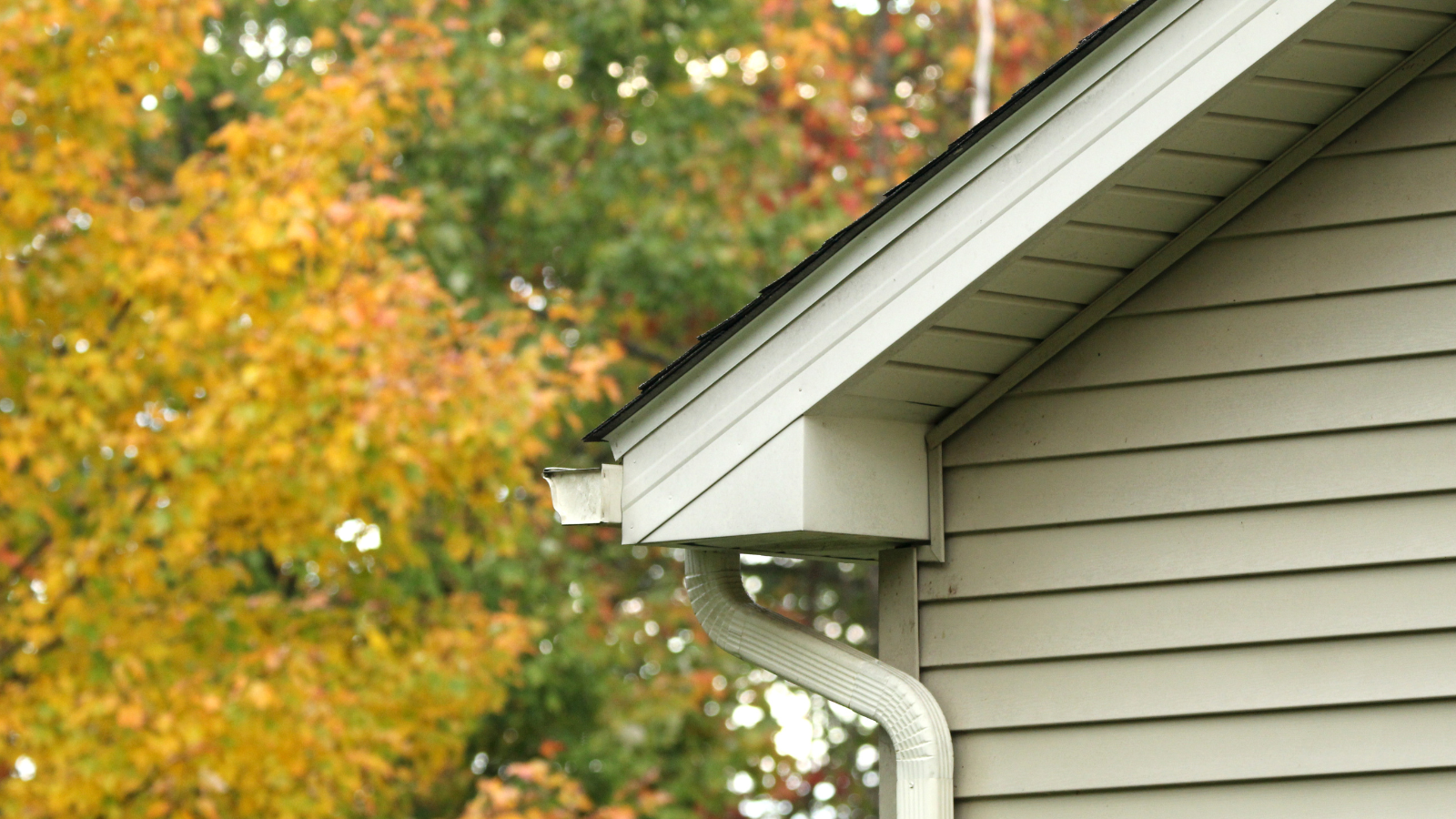
When you’re buying a home, you’re not just buying what you see today, you’re buying what that exterior will cost you over the next several years. Siding problems Virginia Beach homes experience don’t usually stay small. They tend to grow quietly behind the scenes until they become visible, and by that point, repairs are often more extensive and more expensive.
For buyers, catching these subtle signs early can be a serious negotiating tool. It might mean requesting a professional exterior inspection before finalizing an offer, asking the seller for repairs or credits, or simply going in with realistic expectations about upcoming maintenance costs. Either way, knowledge is leverage, and understanding these warning signs puts buyers in a much stronger position.
What to Do If You Spot These Signs
If you notice any of these subtle indicators while touring a home, don’t panic, but don’t ignore them either. The smartest move is bringing in a professional for a closer inspection before you finalize your decision. A trained eye can tell the difference between minor cosmetic wear and something that points to deeper structural concerns.
At Reitzel Roofing and Exteriors, we specialize in identifying siding problems Virginia Beach homes commonly face, whether you’re a buyer wanting peace of mind before closing, or a current homeowner noticing changes in your exterior. Our team knows exactly what local weather patterns do to different siding materials, and we can give you a clear, honest assessment of what you’re really looking at.
Final Thoughts
Your home’s siding does a lot more than just look good, it’s the first line of defense against everything the coastal climate throws at it. Learning to recognize the subtle signs of siding problems Virginia Beach homes tend to develop can save you from costly surprises down the road, whether you’re buying your first home or your fifth.
FAQs
1: What are the most common siding problems Virginia Beach homeowners experience?
A: The most frequent issues include warping from heat and humidity, small cracks near seams and corners, moisture-related staining, soft spots from underlying rot, and loose or buckling panels caused by storm and wind exposure. Because of the coastal climate, these issues tend to develop faster here than in inland areas.
2: How can I tell if siding damage is cosmetic or a serious structural concern?
A: A good rule of thumb is to look beyond the surface. Cosmetic issues, like minor fading, usually don’t affect the integrity of the siding. However, cracking, softness when pressed, and staining often point to moisture intrusion, which can lead to structural damage if left unaddressed. When in doubt, a professional inspection is the safest way to know for sure.
3: Should I get a siding inspection before buying a home in Virginia Beach?
A: Yes, it’s highly recommended. Given how common siding problems Virginia Beach homes face due to humidity and storm exposure, a professional exterior inspection can reveal issues that aren’t obvious during a standard walkthrough. This can also give you leverage during price negotiations if repairs are needed.
4: How much does it typically cost to repair storm-related siding damage?
A: Costs vary depending on the extent of the damage and the type of siding material involved. Minor repairs, like fixing a few loose panels, are relatively affordable, while damage involving rot or water intrusion behind the siding can be significantly more costly. Getting an early assessment helps prevent small issues from turning into major expenses.
5: Can siding problems affect a home’s resale value?
A: Absolutely. Visible siding damage, or damage discovered during a buyer’s inspection, can lower a home’s perceived value and slow down the selling process. Addressing siding problems Virginia Beach homes commonly face before listing can help maintain a stronger sale price and avoid last-minute negotiation issues.