Buying a home in Virginia Beach comes with plenty of advantages. From beautiful coastal views and ocean breezes to a vibrant community and strong property values, it’s easy to see why so many people choose to call this area home.
However, living near the Atlantic Ocean also presents challenges that many home buyers don’t fully understand until years later. One of the most overlooked threats to a home’s exterior isn’t a hurricane, hailstorm, or fallen tree. It’s the salt in the air.
Every day, tiny airborne salt particles travel inland from the ocean. While nearly invisible, these particles can slowly impact roofing materials, metal components, fasteners, flashing, gutters, and ventilation systems. Over time, salt air roof damage Virginia Beach homeowners experience can significantly shorten the lifespan of an otherwise healthy roof.
Why Salt Air Is More Damaging Than Most Homeowners Realize
When people think about roof damage, they usually imagine severe weather events.
Common concerns include:
- Wind damage
- Heavy rain
- Hurricanes
- Falling branches
- Hail
While these certainly matter, salt air roof damage Virginia Beach properties experience is often far more subtle.
The problem develops gradually.
Tiny salt particles settle on roofing surfaces day after day. Combined with moisture from humidity, rain, and coastal fog, these particles can accelerate wear and deterioration.
The process is slow enough that many homeowners don’t notice it until visible damage appears.
Understanding How Salt Travels Inland
Many buyers assume only oceanfront homes face salt exposure.
That’s not true.
Wind carries airborne salt miles inland.
Depending on weather patterns and proximity to the coast, salt particles can affect homes located throughout:
- Virginia Beach
- Chesapeake
- Norfolk
- Portsmouth
- Suffolk
This means salt air roof damage Virginia Beach homeowners face is not limited to beachfront properties.
Even neighborhoods several miles from the shoreline can experience accelerated roof aging.
The Science Behind Salt Air Roof Damage
Salt itself isn’t always the direct cause of roofing failures.
Instead, salt creates conditions that speed up deterioration.
Salt attracts and holds moisture.
When roofing materials remain damp longer, they become more vulnerable to:
- Corrosion
- Oxidation
- Material breakdown
- Surface degradation
This combination is one reason salt air roof damage Virginia Beach homes experience can be difficult to detect early.
How Salt Air Affects Asphalt Shingle Roofs
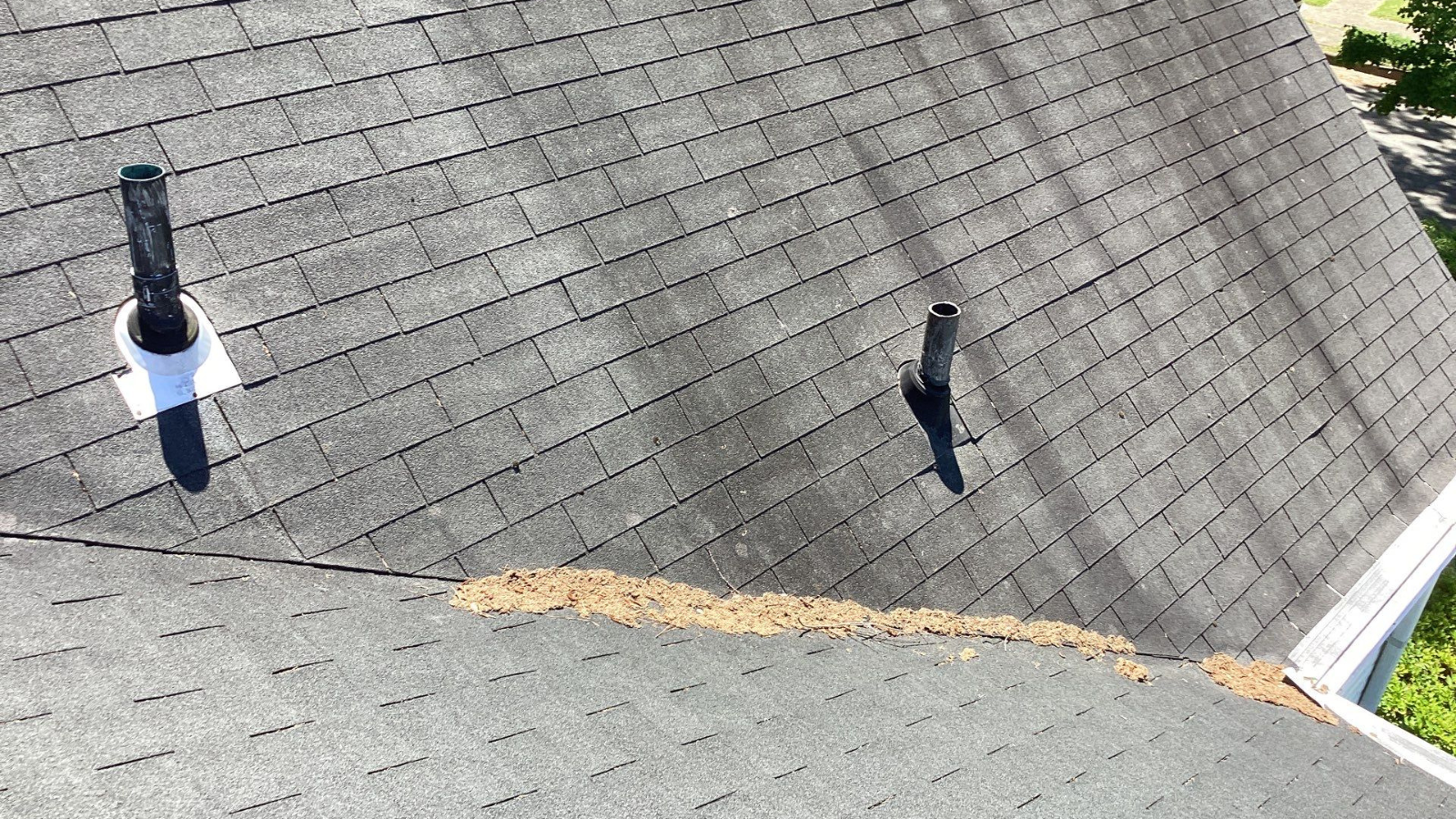
Asphalt shingles remain one of the most common roofing materials in Virginia Beach.
While durable and cost-effective, they are not immune to coastal conditions.
Salt exposure can contribute to:
Faster Granule Loss
Protective granules shield shingles from UV rays.
Salt and moisture can gradually weaken the bond holding these granules in place.
Increased Surface Wear
Constant exposure may accelerate aging of the asphalt layer.
Reduced Lifespan
A roof expected to last 25 to 30 years may require replacement sooner under severe coastal conditions.
This is one of the most common examples of salt air roof damage Virginia Beach homeowners encounter.
How Salt Air Impacts Metal Roofing
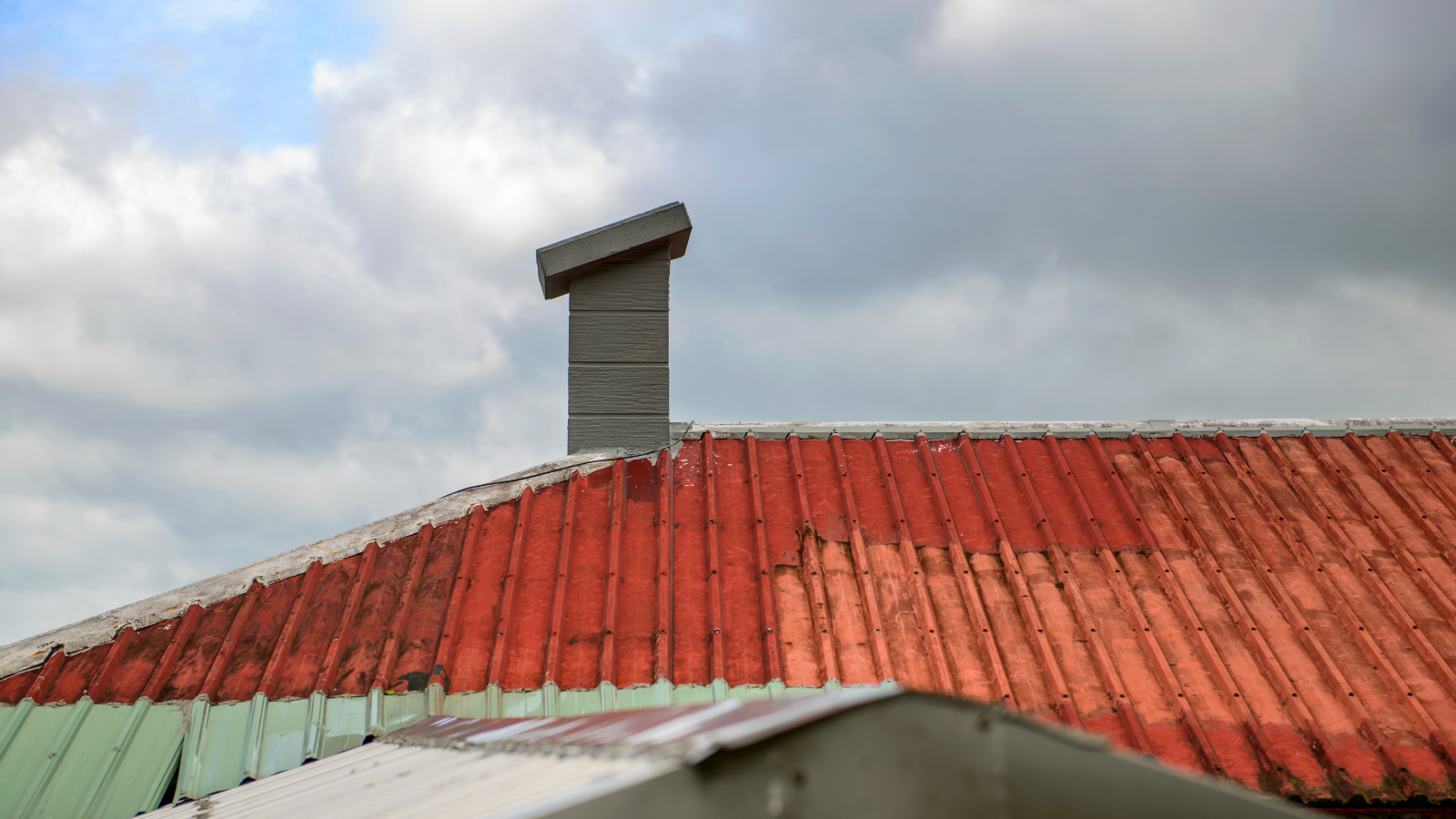
Metal roofs are often chosen for coastal homes because of their durability.
However, they still require protection.
Salt exposure can cause:
Corrosion
Salt speeds up oxidation on exposed metal surfaces.
Fastener Deterioration
Even small screws and connectors can weaken over time.
Coating Failure
Protective finishes may eventually wear down, exposing metal underneath.
Without proper maintenance, salt air roof damage Virginia Beach properties experience can significantly affect metal roofing systems.
Why Flashing Is Especially Vulnerable
Roof flashing is one of the most important yet overlooked components of a roofing system.
Flashing protects areas around:
- Chimneys
- Skylights
- Roof valleys
- Dormers
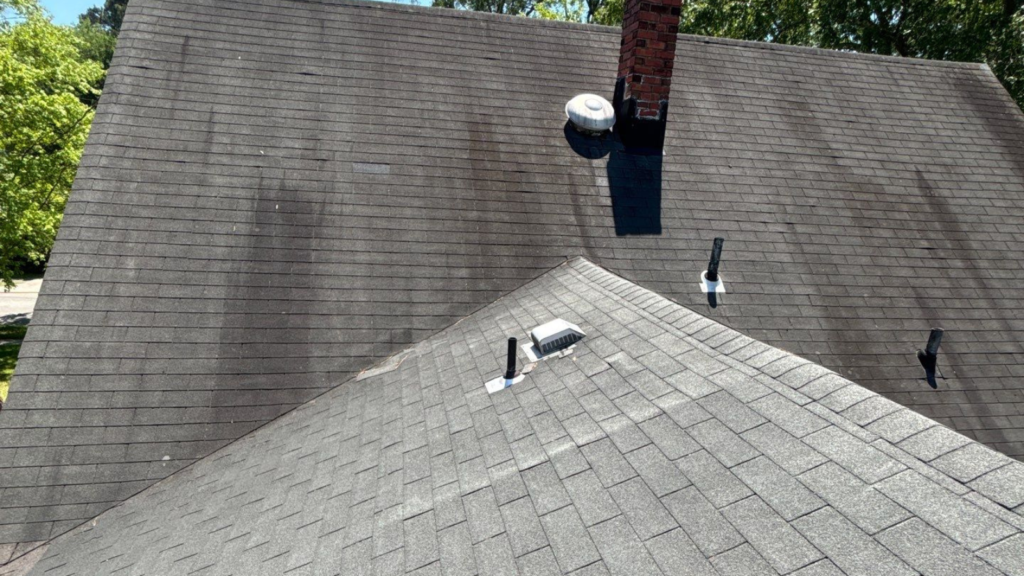
- Vents
Because flashing is often metal, it becomes particularly susceptible to corrosion.
Many roof leaks begin when flashing deteriorates due to salt air roof damage Virginia Beach homeowners never knew existed.
Roof Vents and Salt Exposure
Ventilation systems help regulate attic temperatures and moisture levels.
Unfortunately, roof vents are constantly exposed to coastal conditions.
Salt accumulation can contribute to:
- Rust
- Corrosion
- Reduced airflow
- Component failure
Proper maintenance helps minimize salt air roof damage Virginia Beach roofing systems experience around vent openings.
How Salt Air Affects Gutters and Drainage Systems
While technically not part of the roof itself, gutters play a critical role in roof protection.
Salt exposure can weaken:
- Metal gutters
- Downspouts
- Fasteners
- Brackets
When drainage systems fail, water may back up onto roofing materials, compounding salt air roof damage Virginia Beach homes already face.
Humidity Makes the Problem Worse
Virginia Beach is known for its humid climate.
Humidity amplifies salt-related issues because salt attracts moisture.
This creates a cycle:
- Salt accumulates.
- Moisture collects.
- Materials remain damp.
- Deterioration accelerates.
This ongoing cycle is a major contributor to salt air roof damage Virginia Beach homeowners often underestimate.
Common Signs of Salt Air Roof Damage
Home buyers should look for warning signs when evaluating a property.
Potential indicators include:
- Rusted flashing
- Corroded fasteners
- Premature shingle wear
- Discolored metal surfaces
- Loose roofing components
- Granule loss
- Water stains in attics
Recognizing these signs early can help identify salt air roof damage Virginia Beach homes may already have.
Roof Components Most Vulnerable to Salt Air
| Roof Component | Risk Level | Common Issues |
| Flashing | Very High | Corrosion and leaks |
| Fasteners | Very High | Rust and weakening |
| Roof Vents | High | Reduced performance |
| Gutters | High | Corrosion and failure |
| Metal Roofing | Moderate-High | Surface oxidation |
| Asphalt Shingles | Moderate | Accelerated aging |
| Skylight Flashing | High | Water intrusion |
This table illustrates how salt air roof damage Virginia Beach properties experience can affect multiple parts of a roofing system simultaneously.
Why Home Buyers Should Pay Attention
A roof may look perfectly fine from the street.
However, hidden coastal wear can significantly reduce its remaining lifespan.
For buyers, understanding salt air roof damage Virginia Beach homes face helps with:
- Negotiating repairs
- Budgeting future replacements
- Scheduling inspections
- Evaluating long-term value
A roof nearing failure may not show obvious symptoms until major problems develop.
How Regular Inspections Extend Roof Life
Routine inspections help identify problems before they become expensive.
Professional inspections can uncover:
- Corrosion
- Loose flashing
- Deteriorated sealants
- Vent issues
- Drainage concerns
Because salt air roof damage Virginia Beach homeowners face develops gradually, regular evaluations are one of the best preventive measures.
The Importance of Coastal-Grade Roofing Materials
Not all roofing products perform equally near the coast.
Many modern systems include:
- Enhanced protective coatings
- Corrosion-resistant fasteners
- Improved sealants
- Coastal-rated metal components
When replacing a roof, selecting materials designed to resist salt air roof damage Virginia Beach conditions create can dramatically improve longevity.
Maintenance Tips for Coastal Homeowners
Preventive maintenance goes a long way.
Recommended practices include:
Schedule Annual Roof Inspections
Small issues are easier and less expensive to fix.
Clean Debris Promptly
Leaves and debris trap moisture against roofing materials.
Monitor Metal Components
Watch for signs of rust and corrosion.
Check Attic Ventilation
Proper airflow helps reduce moisture buildup.
Inspect After Major Storms
Coastal weather can accelerate wear.
These simple steps help reduce salt air roof damage Virginia Beach homeowners commonly encounter.
Why Roof Age Matters More Near the Coast
Inland roofs and coastal roofs often age differently.
Two roofs installed in the same year may perform very differently depending on their environment.
Because of salt exposure, humidity, and storm activity, salt air roof damage Virginia Beach homes experience may shorten expected service life.
This is why roof age alone doesn’t tell the whole story.
Condition matters just as much.
How Reitzel Roofing and Exteriors Helps Home Buyers
At Reitzel Roofing and Exteriors, we understand the unique demands of coastal living.
Our inspections focus on identifying:
- Hidden corrosion
- Flashing deterioration
- Moisture concerns
- Ventilation issues
- Signs of salt-related wear
We help buyers understand the true condition of a roof before making one of the biggest investments of their lives.
Long-Term Financial Impact of Salt Air Damage
Ignoring coastal wear can become expensive.
Potential costs include:
- Roof repairs
- Flashing replacement
- Vent replacement
- Interior water damage
- Full roof replacement
Understanding salt air roof damage Virginia Beach homeowners face can help buyers avoid unexpected expenses and protect their investment.
Final Thoughts
Virginia Beach offers an incredible lifestyle, but coastal living comes with responsibilities.
One of the most important is understanding how salt exposure affects your home’s roofing system.
Unlike sudden storm damage, salt air roof damage Virginia Beach properties experience develops quietly over many years. By the time visible signs appear, significant deterioration may already be underway.
For home buyers, proactive inspections and informed decisions are the best defense.
FAQs
1: How far inland can salt air affect a roof in Virginia Beach?
A: Many homeowners are surprised to learn that salt air can travel several miles inland. While oceanfront homes experience the highest exposure, neighborhoods throughout Virginia Beach, Chesapeake, and Norfolk can still be affected. Wind patterns, humidity levels, and storm activity all influence how far salt particles travel. Even if a home isn’t directly on the water, salt air roof damage Virginia Beach properties experience can still occur over time.
2: Can salt air really shorten the lifespan of a roof?
A: Yes. Salt accelerates corrosion and helps materials retain moisture for longer periods. Over many years, this can speed up deterioration of flashing, fasteners, vents, gutters, and roofing materials. In coastal environments, roofs often require closer monitoring and maintenance than similar roofs located farther inland.
3: What roofing materials perform best near the coast?
A: Metal roofs with marine-grade coatings, architectural asphalt shingles designed for coastal environments, and corrosion-resistant flashing systems generally perform well. The key is using high-quality materials combined with professional installation and routine maintenance. A coastal roofing specialist can recommend systems specifically designed to resist salt air roof damage Virginia Beach homeowners face.
4: How often should a Virginia Beach roof be inspected?
A: For most coastal homes, a professional inspection at least once per year is recommended. Homes located directly on the oceanfront may benefit from inspections every six months. Regular evaluations can identify corrosion, loose components, and early signs of deterioration before they become major repair issues.
5: What are the earliest signs of salt air roof damage?
A: Some of the first warning signs include rust on flashing, corrosion around fasteners, fading metal surfaces, loose roof vents, excessive granule loss on shingles, and minor water stains in the attic. Because these symptoms can be subtle, many homeowners don’t notice them until damage becomes more advanced. Regular inspections are the most effective way to catch problems early.