Residential roof trusses are one of the most important structural elements in modern home construction. They support the roof, distribute weight safely, and help define the overall shape of a house. Because of their strength and efficiency, most new homes today are built using Home roof trusses instead of traditional stick framing.
What Are Residential Roof Trusses, and Why Do They Matter?
Residential roof trusses are pre-engineered triangular frameworks designed to support roofing systems. They transfer the weight of the roof, weather loads, and other forces directly to the exterior walls. In earlier construction methods, roofs were built piece by piece on site, which required more labor and materials. Over time, truss construction evolved with better engineering and manufacturing, making roofs stronger, more consistent, and faster to install.
Understanding Home Roof Trusses: Basic Components
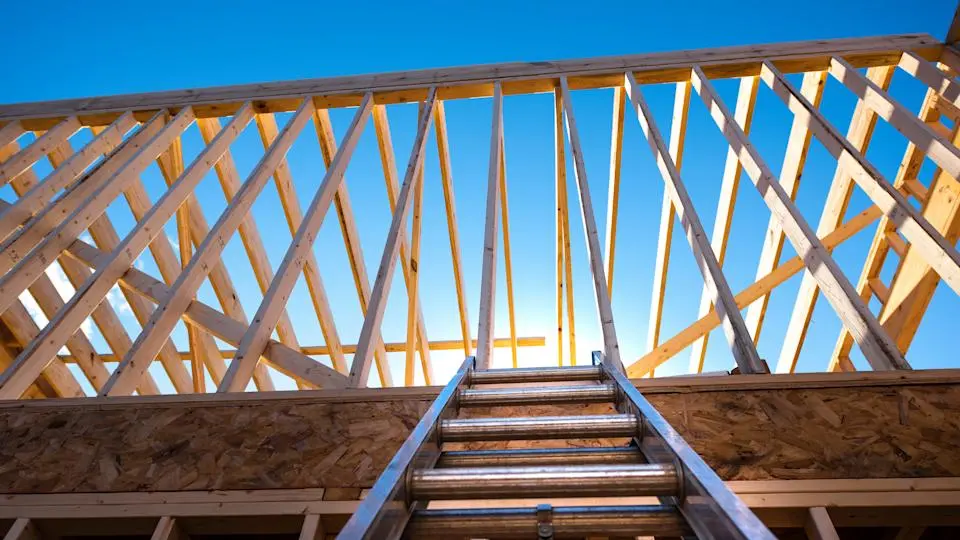
Every truss is made up of top chords, bottom chords, and internal webbing. The top chords form the slope of the roof and carry loads from shingles, rain, and snow. The bottom chords support the ceiling structure and help keep the walls from spreading.
The webbing connects these parts and evenly distributes pressure throughout the truss. The triangular design is what gives Residential Roof Trusses their exceptional strength, allowing them to remain stable under heavy loads.
Trusses are commonly made from wood roof trusses, which is widely used in residential construction due to their affordability and ease of fabrication. Engineered lumber offers added strength and uniformity, while steel trusses are sometimes used in special residential applications where extra durability is required.
Common Types of Home Roof Trusses
Several truss types are used in residential construction, each serving a specific purpose. The king post truss is simple and cost-effective, making it suitable for small spans. The queen post truss allows for wider spans and more interior space. The fink truss is the most popular style for homes because it provides excellent strength while keeping material costs low.
Scissor trusses are often chosen for vaulted ceilings, creating a more open and decorative interior look. Attic trusses are designed to add usable storage or living space within the roof structure. Hip and gable variations are selected based on home design and are often used to improve appearance and wind resistance.
Key Benefits of Residential Roof Trusses
Structural roof trusses offer excellent structural integrity by distributing loads evenly across the building. They are more cost-effective than traditional stick framing because they use materials efficiently and reduce on-site labor. Installation is faster since trusses are pre-built and delivered ready to place.
They also provide greater design flexibility, allowing open floor plans and consistent roof framing. Because trusses are pre-engineered, they deliver accuracy and reliability that helps minimize construction errors.
How to Choose the Right Residential Roof Trusses
Choosing the correct truss depends on several factors, including the span of the roof, its pitch, and the total load requirements. Climate plays an important role, especially in areas with heavy snow or high winds, where stronger designs are needed. The truss style should also complement the home’s architectural design so that both structure and appearance work together.
Selecting the right Residential truss systems ensures long-term safety and performance.
Installation and Code Requirements
Proper installation is critical for roof truss performance. Professional installers follow building codes that regulate spacing, load capacity, and bracing. Correct bracing keeps trusses stable during and after installation, preventing movement or failure over time. Poor installation can weaken the roof framing system and lead to costly repairs later.
Cost Considerations
The cost of residential roof trusses depends on the size of the roof, material choice, and design complexity. Standard wood trusses are generally the most affordable, while custom designs and specialized materials increase the price. However, the long-term value is high because trusses reduce labor costs, speed up construction, and provide durable roof support that lasts for decades.
Join Our Community
Join our community on Facebook, and don’t forget to subscribe to us on YouTube for new content each week.
Final Thought and Next Steps
Residential roof trusses are a smart and proven solution for modern homes. They combine strength, efficiency, and design flexibility while keeping construction costs under control. Whether you are building a new home or planning a roof upgrade, working with a professional to select and install the right Structural roof trusses will help protect your investment and ensure lasting performance.
Ready to get started? Trust Reitzelexteriors for expert guidance, precision installation, and dependable craftsmanship. Contact Reitzelexteriors today to schedule a consultation and make sure your roof is built strong, safe, and made to last.
FAQs
1. What are Home roof trusses?
Residential truss systems are pre-engineered triangular frames that support roofs and transfer loads safely to exterior walls.
2. Are Engineered roof trusses stronger than stick framing?
Yes, Residential roof framing systems distribute loads evenly and offer better structural stability than traditional stick framing.
3. How long do Residential roof framing systems last?
When installed correctly, House roof trusses can last 50 years or more with minimal maintenance.
4. Can House roof trusses support attic space?
Yes, attic trusses are specially designed to create usable storage or living space within the roof structure.
5. Do Roof truss systems for homes meet building code requirements?
Properly engineered and installed Roof truss systems for homes are designed to meet local and national building codes.