You’re standing in front of your dream home. The landscaping is immaculate, the paint looks fresh, and the roof appears to be in great shape. Everything checks out at first glance. But what if the biggest problem with the house is the one you can’t see?
For many home buyers, the roof is one of the most overlooked parts of a property. Most people admire it from the driveway or glance at it during the home inspection, assuming that if there aren’t any missing shingles, everything must be fine. Unfortunately, roofing problems rarely announce themselves so openly. Water intrusion, deteriorating flashing, storm damage, and aging shingles often remain hidden until they become expensive repairs.
That’s why an aerial roof inspection has become one of the smartest investments a home buyer can make before signing on the dotted line.
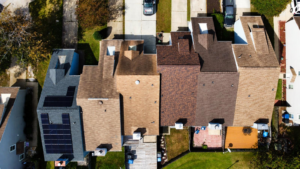
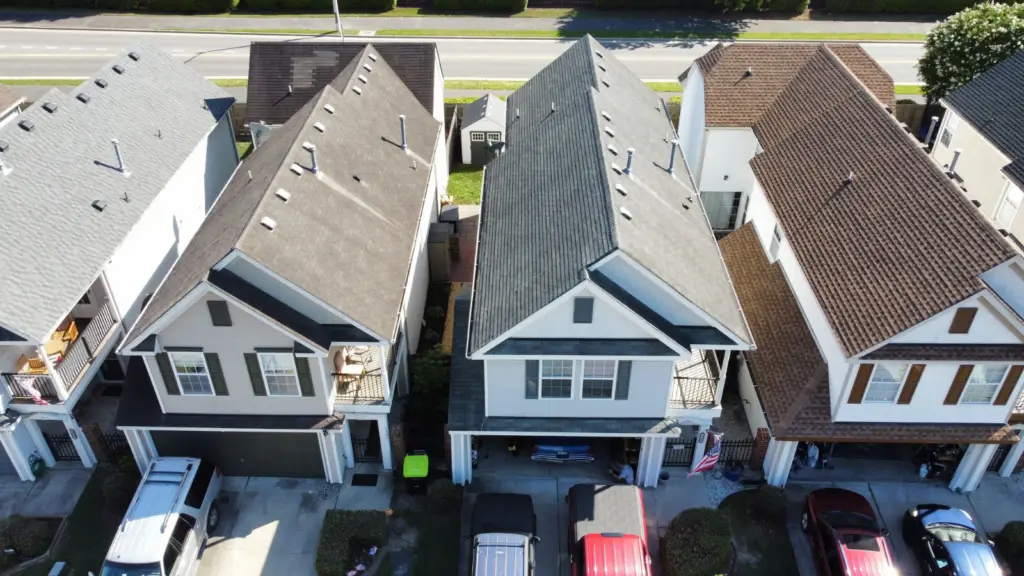
Using advanced drone technology, an aerial roof inspection captures detailed, high-resolution images of every section of the roof without anyone needing to climb a ladder. It provides a safer, faster, and more comprehensive assessment than what can typically be seen from ground level, helping buyers uncover issues that might otherwise go unnoticed.
At Reitzel Roofing & Exteriors, we’ve inspected countless roofs throughout Virginia Beach and the surrounding communities. Time and time again, we’ve found hidden damage on roofs that appeared perfectly healthy from the ground. In many cases, those discoveries have helped buyers negotiate repairs, avoid unexpected expenses, or simply gain confidence that they were making a sound investment.
Why the Roof Deserves More Attention Than You Think
When purchasing a home, it’s easy to focus on kitchens, bathrooms, flooring, and curb appeal. While those features certainly matter, none of them protects your investment quite like the roof.
Your roof shields your home from:
- Heavy rain
- Strong winds
- Coastal humidity
- Intense sunlight
- Falling debris
- Seasonal weather changes
If the roof fails, water can quickly find its way into the attic, insulation, ceilings, walls, and even the structural framing of the home. What begins as a minor leak can eventually lead to mold growth, wood rot, damaged electrical systems, and costly interior repairs.
The challenge is that many roofing problems aren’t visible from the ground. A roof may appear uniform and well-maintained while concealing issues that only become apparent with a closer look.
An aerial roof inspection helps eliminate that uncertainty by providing a complete view of the roof’s condition before problems become your responsibility.
What Is an Aerial Roof Inspection?
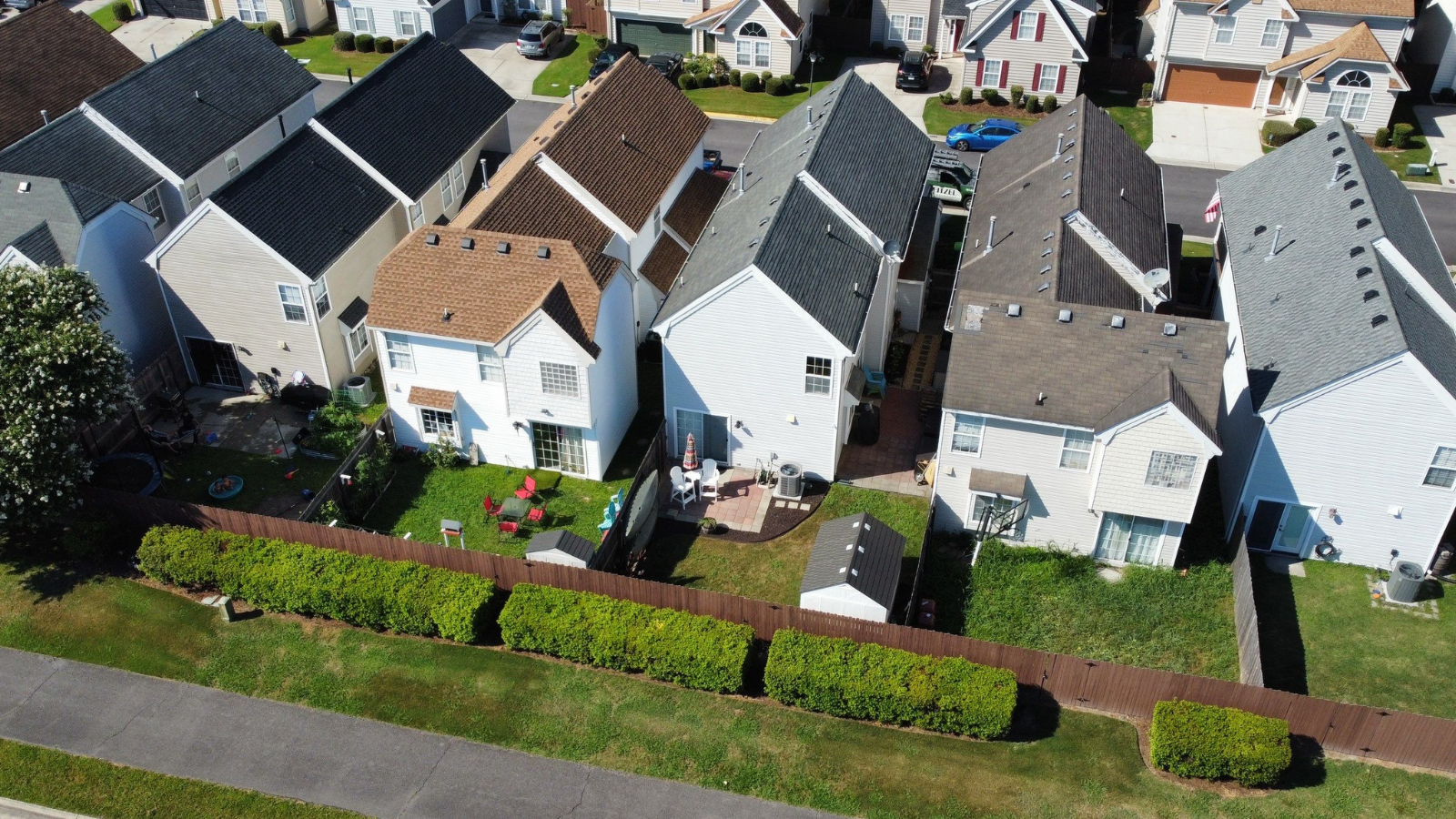
An aerial roof inspection is a professional evaluation of a roof using drone technology equipped with high-definition cameras and, in some cases, thermal imaging sensors.
Instead of relying solely on binoculars, ladders, or physically walking across the roof, certified operators fly the drone over the entire roofing system to capture detailed images and video from multiple angles.
These images allow roofing professionals to inspect areas that are difficult or unsafe to access manually, including:
- Roof ridges
- Valleys
- Flashing
- Chimneys
- Skylights
- Vents
- Gutters
- Steep slopes
- Multi-story roof sections
After the flight, roofing specialists carefully review every image to identify signs of wear, storm damage, installation issues, moisture intrusion, and other conditions that may affect the roof’s performance.
The result is a detailed report that gives home buyers a much clearer understanding of the property’s condition before they move forward with a purchase.
Why Drone Technology Has Changed Roof Inspections
Roof inspections have come a long way over the past decade.
Traditional inspections often required contractors to climb onto the roof, which wasn’t always practical or safe. Steep slopes, fragile roofing materials, wet conditions, and complex roof designs could make manual inspections difficult while increasing the risk of accidents.
Modern drone technology has transformed that process.
Today’s drones can capture incredibly detailed images while flying safely above the home. Some systems even include thermal imaging that detects temperature differences associated with trapped moisture or insulation problems.
An aerial roof inspection offers several advantages over older inspection methods:
- Safer for both homeowners and inspectors
- Faster completion times
- Better access to hard-to-reach areas
- High-resolution photographic documentation
- Reduced risk of accidental roof damage
- More accurate evaluation of overall roof condition
This combination of safety and precision has made drone inspections an increasingly popular choice for both homeowners and real estate professionals.
Key Benefits of an Aerial Roof Inspection
Whether you’re purchasing your first home or your fifth, understanding the roof’s true condition can help you avoid costly surprises.
Here are some of the biggest advantages of scheduling an aerial roof inspection before buying.
Safety Comes First
Walking on a roof always involves risk.
Loose shingles, steep slopes, wet surfaces, and aging materials can create hazardous conditions, even for experienced inspectors.
Drone inspections eliminate those risks by keeping the operator safely on the ground while still collecting detailed information about the roof’s condition.
Just as importantly, because no one walks on the roof, there’s no chance of damaging delicate roofing materials during the inspection itself.
Complete Roof Coverage
One of the biggest limitations of ground-level inspections is visibility.
Certain areas may be blocked by trees, neighboring buildings, or the roof’s design.
An aerial roof inspection captures every major section of the roof, including places that are difficult or impossible to evaluate from below.
This comprehensive view provides greater confidence that no significant issues have been overlooked.
High-Resolution Documentation
A major advantage of drone technology is the ability to create a permanent visual record.
Each inspection produces detailed photographs and videos that clearly document the roof’s condition at the time of the inspection.
These images can be valuable for:
- Real estate negotiations
- Insurance documentation
- Future maintenance planning
- Warranty discussions
- Comparing roof condition over time
Instead of relying solely on written observations, homeowners receive visual evidence they can easily understand and reference later.
Faster Results
A traditional roof inspection can sometimes require significant setup time, especially on large or complex homes.
Most aerial roof inspection appointments can be completed in as little as 20 to 30 minutes, depending on roof size and complexity.
Once the images are analyzed, homeowners receive a detailed report outlining any concerns and recommendations for repairs or maintenance.
This quick turnaround is especially valuable during the fast-moving home-buying process.
A Smart Investment That Can Save Thousands
Compared to the cost of repairing water damage or replacing a roof shortly after moving in, an aerial roof inspection is a relatively small investment.
Identifying hidden issues before closing allows buyers to:
- Request repairs
- Negotiate the purchase price
- Ask for seller credits
- Plan future maintenance
- Make informed buying decisions
In many cases, the inspection pays for itself by preventing unexpected expenses after closing.
What Can an Aerial Roof Inspection Actually Reveal?
This is where drone inspections truly stand out.
From the ground, a roof might appear clean, uniform, and free of damage.
From above, the story can be very different.
A professional aerial roof inspection can identify issues such as:
- Missing or lifted shingles
- Cracked or curling shingles
- Granule loss caused by aging
- Damaged ridge caps
- Rusted or separated flashing
- Loose vent boots
- Clogged gutters
- Standing water
- Storm-related damage
- Improper previous repairs
- Early signs of roof deterioration
Many of these problems develop gradually and remain invisible until water begins entering the home.
Detecting them early allows buyers to address concerns before they become expensive emergencies.
Hidden Roof Damage You Can’t See from the Ground
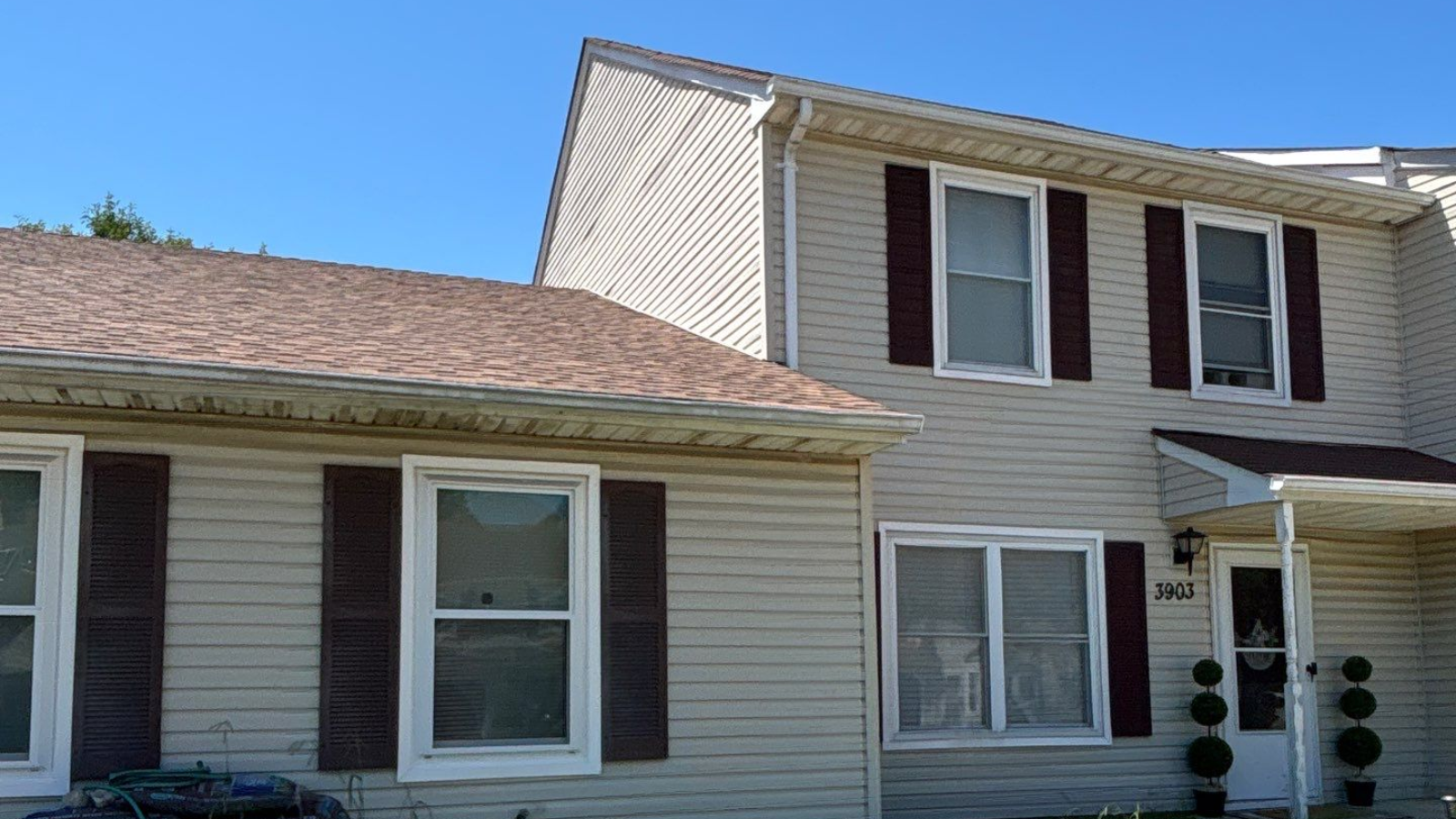
One of the biggest advantages of an aerial roof inspection is its ability to uncover problems long before they become obvious from inside the home.
From the street, a roof may look perfectly intact. The shingles appear evenly spaced, the gutters seem straight, and there are no visible signs of trouble. But roofing professionals know that serious issues often begin in places homeowners never see.
Small cracks, lifted shingles, deteriorating flashing, and minor storm damage can quietly allow moisture to enter the roofing system. Over time, these seemingly minor defects can lead to costly structural repairs if they’re left unaddressed.
An aerial roof inspection captures detailed overhead images that allow roofing specialists to spot these early warning signs before they develop into major problems.
Shingle Damage That Often Goes Unnoticed
Shingles serve as your home’s first line of defense against the elements, but they naturally wear down over time.
Even if the roof appears uniform from ground level, close-up aerial images may reveal issues such as:
- Curling shingle edges
- Cracked or split shingles
- Missing protective granules
- Lifted tabs caused by wind
- Impact marks from hail
- Missing shingles
- Improper previous repairs
- Uneven aging patterns
Granule loss, in particular, is an important indicator of roof age. As asphalt shingles lose their protective surface, they become more vulnerable to UV exposure, moisture intrusion, and premature deterioration.
A professional aerial roof inspection allows roofing experts to evaluate the overall condition of the roofing material and determine whether repairs or replacement may be necessary.
Flashing Problems That Lead to Hidden Leaks
Many homeowners assume shingles are the primary cause of roof leaks.
In reality, flashing failures are responsible for many roofing problems.
Flashing is installed around roof penetrations and transition points, including:
- Chimneys
- Plumbing vents
- Skylights
- Roof valleys
- Dormers
- Wall intersections
Its purpose is to direct water safely away from vulnerable areas.
Over time, flashing can:
- Separate from surrounding materials
- Rust or corrode
- Crack from temperature changes
- Pull away during storms
- Develop gaps in sealant
These small defects often remain invisible from the ground but become immediately apparent during an aerial roof inspection.
Identifying flashing problems early helps prevent water from entering the attic and damaging insulation, drywall, and structural framing.
Moisture Intrusion: The Hidden Threat Above Your Ceiling
Water doesn’t always drip through the ceiling as soon as a leak develops.
In many cases, moisture slowly accumulates beneath roofing materials, quietly damaging the roof deck before homeowners notice any interior symptoms.
Over time, trapped moisture may cause:
- Wood rot
- Mold growth
- Damaged insulation
- Warped roof decking
- Ceiling stains
- Interior humidity issues
This hidden deterioration can continue for months before becoming visible inside the home.
One reason an aerial roof inspection is so valuable is that it often identifies conditions that allow moisture to enter before significant interior damage occurs.
How Thermal Imaging Adds Another Layer of Protection
Some aerial inspections include advanced thermal imaging technology.
Instead of simply capturing photographs, thermal cameras detect temperature differences across the roof surface.
Why does this matter?
Moisture retains heat differently than dry materials.
As a result, thermal imaging may reveal:
- Trapped moisture beneath shingles
- Wet insulation
- Hidden leaks
- Areas of poor ventilation
- Uneven roof temperatures
These issues are often impossible to detect with the naked eye.
When combined with high-resolution photography, thermal imaging provides one of the most comprehensive evaluations available during an aerial roof inspection.
Drainage Problems Can Shorten the Life of Your Roof
Water should move efficiently off your roof and into the gutter system.
When drainage problems develop, standing water begins to collect in vulnerable areas.
An aerial inspection can reveal:
- Low spots
- Ponding water
- Clogged gutters
- Overflowing downspouts
- Debris accumulation
- Improper roof slope
- Sagging gutter sections
Poor drainage accelerates roof deterioration by increasing moisture exposure and placing additional stress on roofing materials.
For home buyers, these issues are important because correcting drainage problems early often prevents much larger repairs later.
Storm Damage Isn’t Always Obvious
Virginia Beach experiences strong coastal storms, heavy rainfall, and occasional hurricanes.
Even when a roof appears undamaged after severe weather, hidden issues may still exist.
An aerial roof inspection can identify:
- Wind-lifted shingles
- Hail impact marks
- Ridge cap damage
- Bent flashing
- Torn sealants
- Debris impact
- Damaged roof accessories
Because these problems often begin small, homeowners may not notice them until water starts entering the home months later.
Early detection helps extend the roof’s lifespan while reducing future repair costs.
Structural Issues Can Be Spotted Early
Roof problems aren’t always limited to shingles.
Drone imagery can also reveal subtle structural concerns such as:
- Sagging rooflines
- Uneven ridges
- Soft roof decking
- Settlement movement
- Framing irregularities
These warning signs may indicate underlying structural issues requiring further evaluation.
While an aerial roof inspection doesn’t replace structural engineering when serious concerns exist, it provides valuable visual evidence that helps identify areas needing closer attention.
Aerial Roof Inspection vs. Traditional Roof Inspection
Homebuyers often wonder whether a drone inspection is really better than traditional inspection methods.
The answer depends on the property’s design and condition, but in many situations, aerial technology provides greater safety and more complete documentation.
| Inspection Method | Coverage | Safety | Accuracy | Best For |
| Aerial Roof Inspection | Excellent | Excellent | Excellent | All roof types, steep slopes, large homes, difficult access |
| Ground-Level Inspection | Limited | Excellent | Basic | Quick visual overview |
| Ladder Inspection | Moderate | Moderate | Good | Accessible roof edges |
| Walk-On Roof Inspection | Very Good | Lower | Very Good | Low-slope roofs when conditions are safe |
Rather than replacing experienced roofing professionals, drone technology gives them better tools to document and evaluate roof conditions safely and thoroughly.
What Happens During an Aerial Roof Inspection?
Many homeowners are surprised by how simple and efficient the process is.
Here’s what you can expect when scheduling an inspection with Reitzel Roofing & Exteriors.
1. Scheduling Your Inspection
We arrange a convenient appointment and monitor weather conditions to ensure the clearest possible images.
2. Drone Flight
A certified drone operator flies the aircraft over the entire roofing system, capturing detailed photographs and video from multiple elevations and angles.
3. Detailed Analysis
Our experienced roofing specialists carefully examine every image for signs of aging, storm damage, installation issues, moisture intrusion, and other concerns.
4. Professional Report
You’ll receive a comprehensive report that includes:
- High-resolution photographs
- Documented findings
- Roof condition assessment
- Recommended repairs (if needed)
- Maintenance recommendations
5. Expert Consultation
We’ll review the results with you, explain our findings in plain language, and answer any questions you have about the roof’s condition or recommended next steps.
Why More Home Buyers Are Choosing Drone Inspections
Buying a home is one of life’s biggest investments, and today’s buyers want as much information as possible before closing.
A professional aerial roof inspection provides peace of mind by replacing uncertainty with clear, visual evidence.
Instead of relying solely on what can be seen from the ground, buyers gain a complete understanding of the roof’s overall condition, helping them make confident decisions and avoid unexpected repair costs after moving in.
How an Aerial Roof Inspection Gives Home Buyers a Stronger Negotiating Position
Buying a home is exciting, but it’s also one of the biggest financial commitments you’ll ever make. The last thing you want is to discover expensive roofing problems after you’ve already closed on the property.
This is where an aerial roof inspection becomes more than just an evaluation—it becomes a powerful negotiating tool.
When the inspection uncovers roofing concerns, you’ll have clear, high-resolution documentation to support conversations with the seller. Instead of relying on assumptions or verbal opinions, you’ll have visual evidence that helps everyone understand the roof’s actual condition.
Depending on the findings, you may be able to:
- Request that the seller complete necessary roof repairs before closing.
- Negotiate a lower purchase price.
- Ask for a repair credit at closing.
- Budget accurately for future maintenance.
- Decide whether the property remains the right investment.
Many buyers successfully save thousands of dollars simply because they had a professional aerial roof inspection completed before finalizing the purchase.
Why Documentation Matters
One of the greatest advantages of drone technology is the detailed documentation it provides.
Unlike a standard visual inspection, an aerial inspection creates a permanent digital record of the roof’s condition.
Your report typically includes:
- High-resolution photographs
- Close-up images of damaged areas
- Roof condition summary
- Maintenance recommendations
- Repair priorities
- Supporting notes from experienced roofing professionals
This documentation can be valuable long after the purchase is complete.
Homeowners often use these reports for:
- Insurance claims after severe weather
- Warranty documentation
- Future maintenance planning
- Comparing roof condition over time
- Contractor estimates
Having a detailed record makes future decisions much easier and helps eliminate uncertainty.
Common Myths About Aerial Roof Inspections
Although drone inspections have become increasingly popular, there are still a few misconceptions surrounding the technology.
Let’s clear up some of the most common myths.
Myth #1: Drone Inspections Are Too Expensive
Many homeowners assume advanced technology comes with a high price tag.
In reality, an aerial roof inspection is often very affordable, especially when compared to the cost of repairing hidden roof damage after purchasing a home.
Considering that a roof replacement can cost several thousand dollars, the inspection itself is a relatively small investment that may prevent much larger expenses.
Myth #2: Walking on the Roof Is Always Better
While physical inspections remain valuable in certain situations, they aren’t always safer—or more informative.
Modern drones capture incredibly detailed images without anyone stepping on the roof.
For steep, fragile, or weathered roofs, aerial inspections may actually reduce the risk of accidental damage while providing outstanding photographic detail.
Many professional roofing companies now combine drone technology with traditional inspection methods to provide the most comprehensive evaluation possible.
Myth #3: Drone Inspections Are Only for Large Homes
Not at all.
Whether you’re purchasing a small starter home, a historic property, or a large custom-built residence, drone inspections provide valuable insight into the condition of virtually any roofing system.
The technology works equally well on:
- Single-story homes
- Two-story homes
- Complex roof designs
- Steep roofs
- Multi-family properties
Every homeowner benefits from having a clearer understanding of their roof’s condition.
Myth #4: If There Isn’t a Leak, the Roof Must Be Fine
One of the biggest misconceptions homeowners have is believing a roof is healthy simply because there aren’t any visible leaks.
Unfortunately, many roofing issues develop silently.
Minor flashing failures, lifted shingles, deteriorating sealants, and trapped moisture can all exist without producing noticeable interior symptoms.
A professional aerial roof inspection identifies these problems early, allowing homeowners to address them before they become much more expensive repairs.
Why Home Buyers Trust Reitzel Roofing & Exteriors
At Reitzel Roofing & Exteriors, we understand that buying a home requires confidence.
That’s why we combine years of roofing expertise with advanced drone technology to deliver inspections that are thorough, honest, and easy to understand.
Our goal isn’t simply to point out problems—it’s to help buyers make informed decisions.
Every inspection includes careful evaluation of:
- Shingle condition
- Flashing performance
- Roof penetrations
- Drainage systems
- Gutters
- Ventilation components
- Storm damage
- General roof health
We believe every homeowner deserves complete transparency before making one of life’s biggest investments.
When you choose our team, you’re choosing experienced professionals committed to protecting your investment from the very beginning.
Conclusion: See Beyond the Surface Before You Buy
A roof may look perfectly fine from the driveway, but appearances don’t always tell the whole story. Hidden damage, aging materials, compromised flashing, and moisture intrusion can exist long before visible leaks appear inside the home.
That’s why an aerial roof inspection is one of the smartest investments a home buyer can make. By providing a detailed, bird’s-eye view of the roof, drone technology helps uncover problems that traditional ground-level inspections often miss. The result is greater confidence, stronger negotiating power, and fewer unexpected expenses after closing.
At Reitzel Roofing & Exteriors, we’re committed to helping homeowners and home buyers make informed decisions with professional inspections backed by experience, advanced technology, and honest recommendations. Whether you’re purchasing your first home or evaluating the condition of your current roof, our team is here to provide the clear answers you deserve.
Don’t leave one of your biggest investments to chance. Schedule your aerial roof inspection with Reitzel Roofing & Exteriors today and discover what’s really protecting the home you’re about to call your own.
FAQs
1: How long does an aerial roof inspection take?
A: Most inspections are completed within 20 to 30 minutes, depending on the size and complexity of the roof. After the flight, our roofing specialists carefully review the images, prepare a detailed report, and provide recommendations. In most cases, homeowners receive their completed inspection report within 24 to 48 hours, allowing them to move forward with confidence during the home-buying process.
2: Is an aerial roof inspection safe for my roof?
A: Yes. In fact, it’s one of the safest inspection methods available. Because no one walks on the roof, there’s no risk of damaging shingles, flashing, gutters, or other roofing components during the inspection. Certified drone operators conduct the flight safely from the ground while capturing detailed images from multiple angles, making it an ideal option for older, steeper, or more delicate roofing systems.
3: Can an aerial roof inspection detect problems that aren’t visible from the ground?
A: Absolutely. A professional aerial roof inspection can identify issues such as missing or damaged shingles, deteriorated flashing, clogged gutters, storm damage, granule loss, poor drainage, lifted roofing materials, and early signs of roof deterioration. When thermal imaging is included, it may also reveal trapped moisture, hidden leaks, and ventilation concerns that aren’t visible during a standard visual inspection.
4: Will mortgage lenders or insurance companies accept an aerial roof inspection report?
A: Yes. Many mortgage lenders, insurance providers, and real estate professionals recognize professionally prepared drone inspection reports because they include clear photographic documentation of the roof’s condition. These reports can support insurance claims, assist during real estate negotiations, and provide valuable documentation for future maintenance planning.
5: How often should homeowners schedule an aerial roof inspection?
A: For most homeowners, scheduling an aerial roof inspection every two to three years is a smart preventive maintenance strategy. It’s also highly recommended after severe weather events such as hurricanes, hailstorms, or strong windstorms. Regular inspections help identify small issues early, reducing the likelihood of costly repairs and extending the life of your roofing system.