When you’re buying a home, it’s easy to get distracted by the kitchen layout, hardwood floors, or backyard space. But one of the biggest factors in how your home will look and perform over the next 20 to 50 years is something many buyers overlook: the siding.
Will it hold up to Virginia’s humid summers? How much maintenance will it require? Will it still look great a decade from now?
These are smart questions to ask, and that’s where a vinyl fiber cement siding comparison becomes incredibly helpful.
Both vinyl and fiber cement are excellent siding options, and both are common throughout Virginia Beach and the surrounding coastal communities. But they have very different strengths, costs, and maintenance requirements.
Why Siding Matters More Than Most Buyers Realize
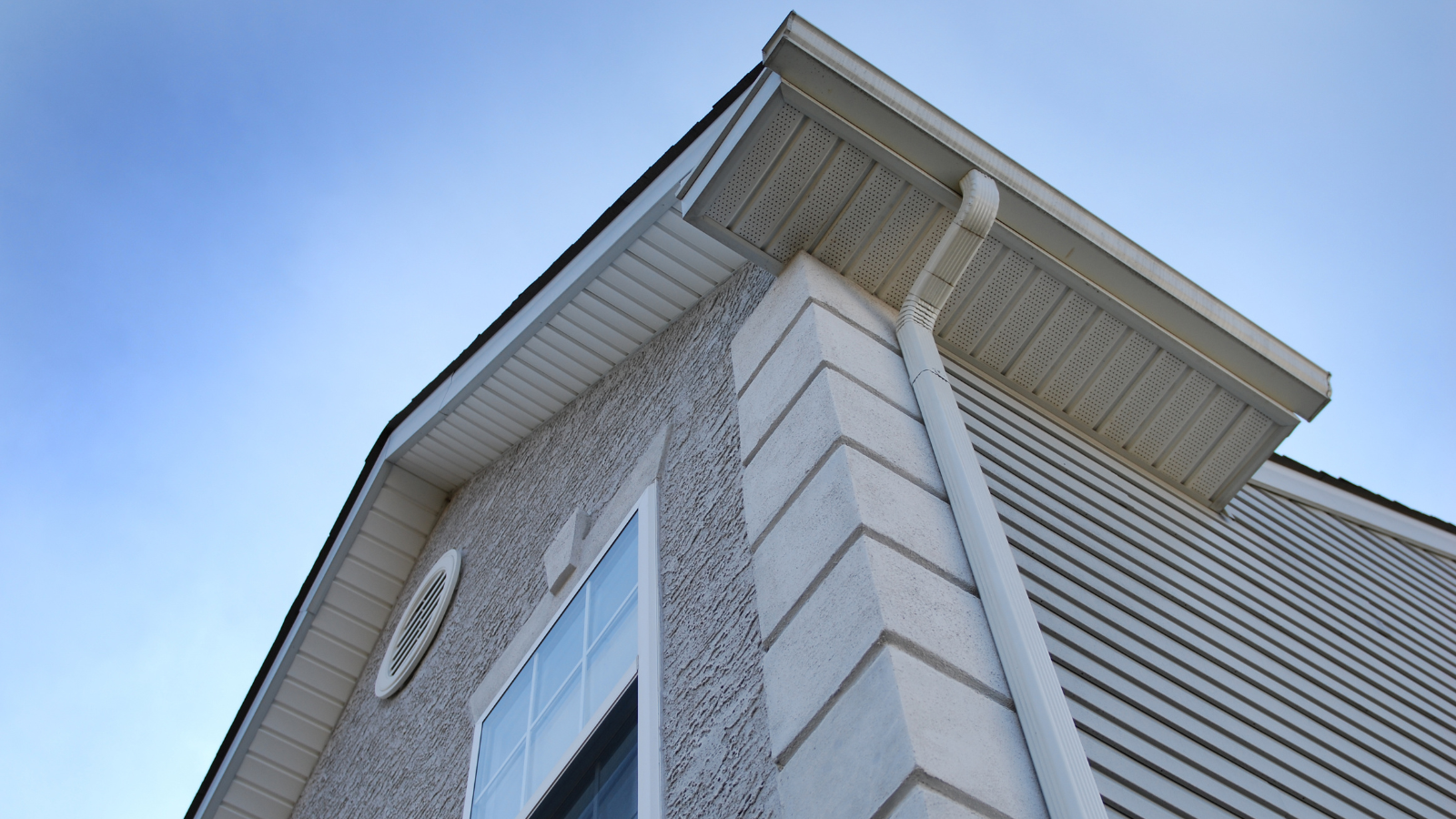
Siding does much more than make a home look attractive.
It protects the framing and insulation from:
- Wind-driven rain
- Humidity
- Salt air
- UV exposure
- Pests
- Temperature swings
It also plays a major role in:
- Curb appeal
- Energy efficiency
- Maintenance costs
- Resale value
A home with high-quality, properly installed siding can save you thousands of dollars over time.
That’s why a thoughtful vinyl fiber cement siding comparison is one of the smartest things a home buyer can do.
Why Virginia Beach Climate Makes Siding Choice So Important
Homes in Virginia Beach deal with unique environmental conditions.
These include:
- High humidity
- Salt-laden coastal air
- Heavy rain
- Hurricane-force winds
- Intense summer sun
Those conditions can wear down exterior materials faster than in many other parts of the country.
A siding product that performs well in a dry inland climate may not hold up nearly as well near the coast.
That’s why your vinyl fiber cement siding comparison should always take local weather into account.
What Is Vinyl Siding?
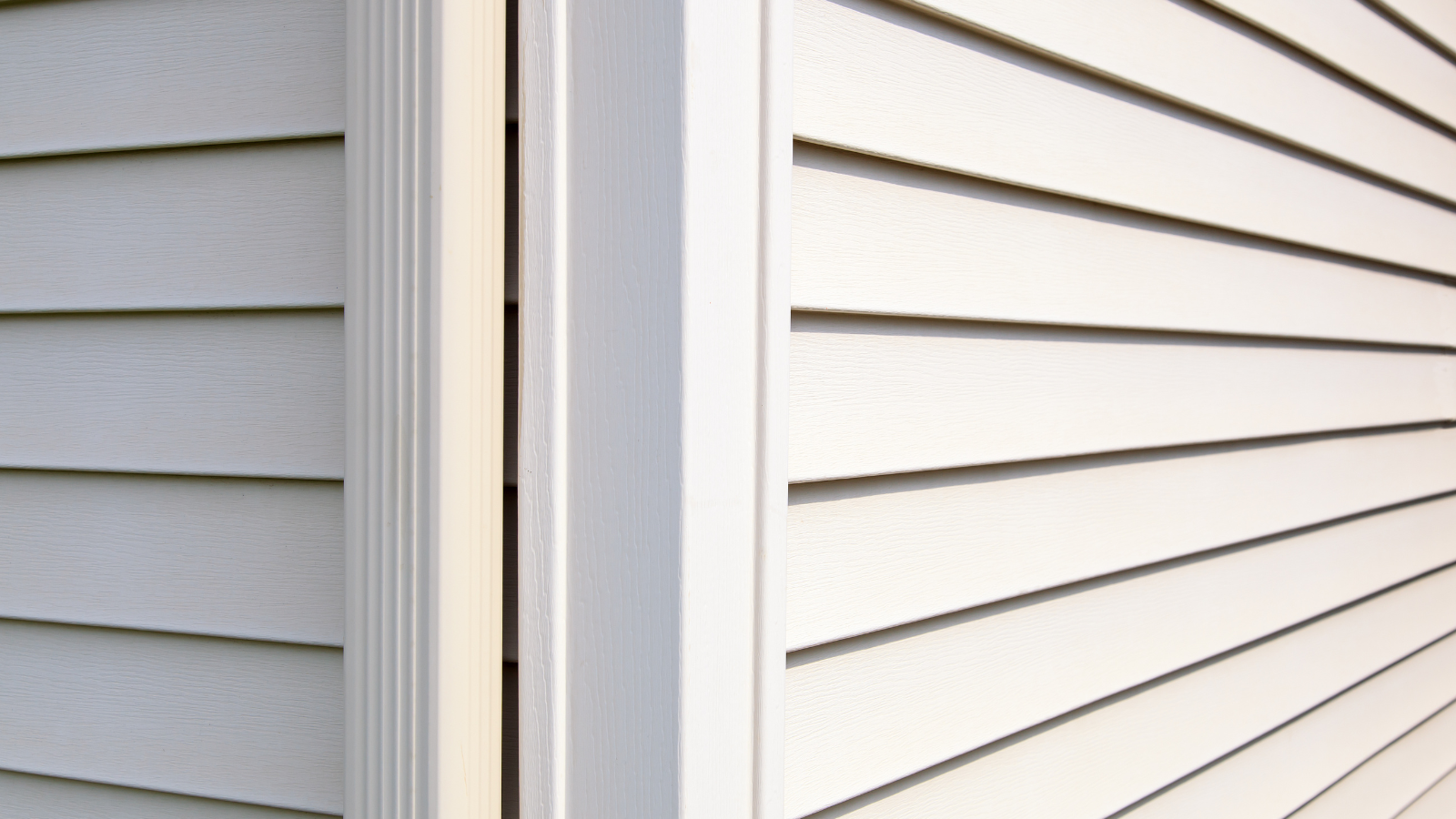
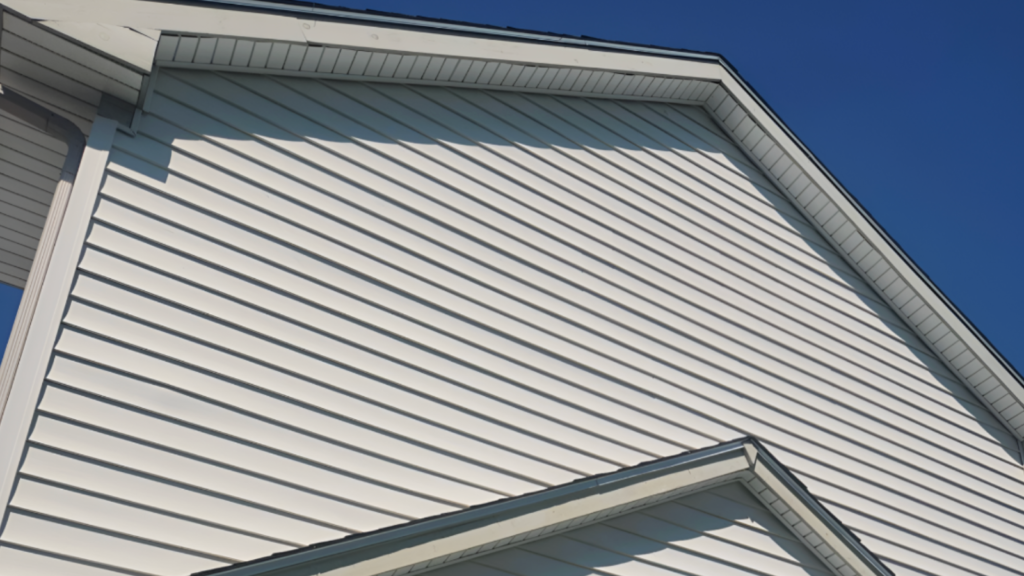
Vinyl siding is made from PVC and has been a favorite among homeowners for decades.
It remains popular because it offers:
- Affordable pricing
- Minimal upkeep
- Many color options
- Resistance to rot and insects
Modern vinyl siding can mimic wood grain and comes in insulated versions that improve energy performance.
What Is Fiber Cement Siding?
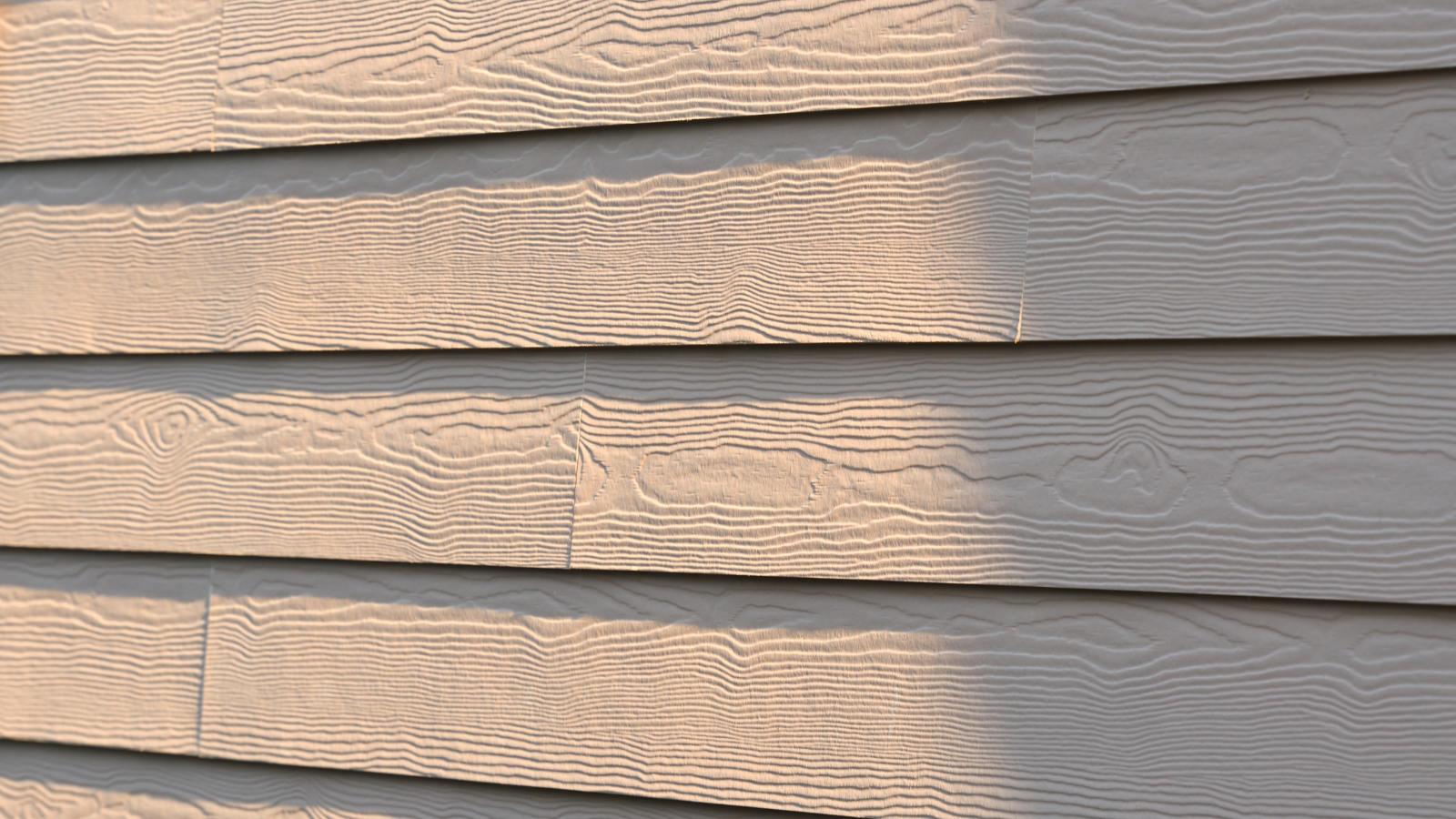
Fiber cement siding is manufactured from cement, sand, and cellulose fibers.
Products like James Hardie siding are known for combining beauty with exceptional durability.
Fiber cement can replicate the appearance of:
- Cedar lap siding
- Wood shingles
- Board and batten
- Smooth contemporary panels
In most vinyl fiber cement siding comparison discussions, fiber cement is considered the premium choice.
Quick Comparison Table
| Feature | Vinyl Siding | Fiber Cement Siding |
| Upfront Cost | Lower | Higher |
| Lifespan | 20–30 years | 30–50+ years |
| Maintenance | Very low | Moderate |
| Moisture Resistance | Good | Excellent |
| Fire Resistance | Limited | Outstanding |
| Wind Resistance | Good | Excellent |
| Appearance | Attractive | Premium |
| Repainting | No | Yes, every 10–15 years |
| ROI | Strong | Excellent |
Cost: What Will You Pay?
For many buyers, price is the starting point.
Vinyl Siding Costs Less Upfront
Vinyl is typically one of the most budget-friendly siding options available.
It’s a great fit for buyers who want:
- Lower initial investment
- Fast installation
- Low ownership costs
Fiber Cement Costs More Initially
Fiber cement generally costs more due to:
- Heavier materials
- More labor-intensive installation
- Specialized cutting tools
However, in a full vinyl fiber cement siding comparison, many buyers find the longer lifespan offsets the higher upfront cost.
Durability: Which Lasts Longer?
Vinyl Durability
Vinyl siding performs well, but it can:
- Crack if hit in cold weather
- Warp under extreme heat
- Fade after many years
Fiber Cement Durability
Fiber cement is exceptionally durable.
It resists:
- Rot
- Insects
- Moisture
- UV damage
- Fire
When durability is the top priority, the vinyl fiber cement siding comparison often favors fiber cement.
Performance in Virginia Beach Storms
Storm resistance is a major concern for coastal homeowners.
Vinyl in Storm Conditions
High-quality vinyl can withstand strong winds, but severe storms may loosen panels or crack sections from flying debris.
Fiber Cement in Storm Conditions
Fiber cement is denser and more impact-resistant, making it a strong performer during coastal weather events.
For homes near the Chesapeake Bay or Atlantic Ocean, this part of the vinyl fiber cement siding comparison matters greatly.
Maintenance Requirements
Vinyl Maintenance
Vinyl siding is one of the easiest materials to maintain.
Typically, it only needs:
- Occasional washing
- Inspection after storms
Fiber Cement Maintenance
Fiber cement is also low maintenance but usually requires:
- Repainting every 10–15 years
- Caulk touch-ups
- Routine inspections
In terms of day-to-day care, the vinyl fiber cement siding comparison gives vinyl a slight advantage.
Appearance and Curb Appeal
Vinyl Looks Better Than Ever
Today’s premium vinyl products feature realistic textures and rich colors.
Fiber Cement Offers a More Authentic Look
Fiber cement closely resembles painted wood and tends to deliver a more upscale appearance.
For buyers focused on resale value and architecture, the vinyl fiber cement siding comparison often tips toward fiber cement.
Moisture Resistance
Virginia’s humidity makes moisture resistance critical.
Vinyl itself does not absorb water, but poor installation can trap moisture behind panels.
Fiber cement is highly moisture-resistant when properly painted and maintained.
A professional vinyl fiber cement siding comparison should always emphasize installation quality.
Fire Resistance
Fiber cement is non-combustible and offers excellent fire protection.
Vinyl can melt under extreme heat.
For buyers concerned about safety, this is one of the strongest arguments in favor of fiber cement.
Energy Efficiency
Insulated vinyl siding can boost thermal performance.
Fiber cement itself does not provide much insulation, but when paired with quality house wrap, both systems can be highly efficient.
This portion of the vinyl fiber cement siding comparison often comes down to the full wall assembly rather than the siding alone.
Environmental Impact
Fiber cement is made from abundant natural materials and has a longer service life.
Vinyl manufacturing relies on petroleum-based products.
For environmentally conscious buyers, fiber cement may be the more appealing option.
Which Adds More Home Value?
Both materials improve curb appeal and resale value.
Vinyl offers excellent return on investment because of its lower cost.
Fiber cement often commands a premium because buyers associate it with quality and durability.
A complete vinyl fiber cement siding comparison shows both are smart investments.
Best Choice for Budget-Conscious Buyers
Choose vinyl siding if you want:
- Lower upfront cost
- Minimal maintenance
- Attractive appearance
- Solid long-term value
Best Choice for Premium Performance
Choose fiber cement if you want:
- Superior durability
- Exceptional storm resistance
- Better fire protection
- High-end curb appeal
Why Installation Quality Matters
Even the best siding can fail if installed incorrectly.
Proper installation includes:
- Moisture barriers
- Flashing
- Expansion gaps
- Secure fastening
At Reitzel Roofing and Exteriors, we ensure every siding system is installed to perform in Virginia’s coastal climate.
Our Recommendation for Virginia Beach Home Buyers
For many buyers, vinyl offers excellent value and reliable performance.
If your priorities are luxury appearance, durability, and storm resistance, fiber cement may be worth the additional investment.
The right decision depends on your budget, maintenance preferences, and how long you plan to stay in the home.
That’s why a personalized vinyl fiber cement siding comparison is so valuable.
Final Thoughts
Choosing between vinyl and fiber cement siding isn’t about finding one universal winner. It’s about deciding which material aligns best with your goals.
Vinyl offers affordability and convenience.
Fiber cement offers premium durability and aesthetics.
Both can perform beautifully in Virginia when professionally installed and properly maintained.
FAQs
1. Which siding is better for homes in Virginia Beach?
Both vinyl and fiber cement perform well in coastal Virginia, but fiber cement generally offers better long-term durability. In areas like Virginia Beach, homes are exposed to high humidity, salty air, strong winds, and occasional tropical storms. Fiber cement stands up exceptionally well to these conditions because it resists moisture, rot, and insect damage. Vinyl is also a solid choice for buyers who want a lower-maintenance and more budget-friendly option. In this vinyl fiber cement siding comparison, the best choice depends on whether you prioritize upfront savings or long-term performance.
2. Is fiber cement siding worth the higher cost?
For many home buyers, yes. Fiber cement costs more initially, but it offers a longer lifespan, superior weather resistance, and a premium appearance that can increase resale value. If you plan to stay in your home for many years or want the most durable exterior possible, fiber cement is often worth the investment. Buyers who are focused on keeping costs down may still find vinyl to be the better fit.
3. Which siding requires less maintenance?
Vinyl siding requires less maintenance overall. It never needs painting and usually only needs to be cleaned once or twice a year with a garden hose or mild detergent. Fiber cement is also relatively low maintenance, but it will need repainting and caulk touch-ups over time. If convenience is your top priority, vinyl has the advantage in this vinyl fiber cement siding comparison.
4. How long do vinyl and fiber cement siding last in Virginia?
With proper installation and routine care, vinyl siding typically lasts 20 to 30 years in Virginia. Fiber cement often lasts 30 to 50 years or more. In coastal areas like Virginia Beach, lifespan depends heavily on installation quality and regular inspections after major storms. Homes that are professionally maintained tend to get the best performance from either material.
5. How do I know which siding is right for my home?
The right siding depends on your budget, maintenance preferences, design goals, and how long you plan to own the home. Vinyl is a great option for affordability and easy upkeep, while fiber cement is ideal for buyers who want maximum durability and a more upscale appearance. The best way to decide is to schedule a professional consultation with Reitzel Roofing and Exteriors, where we can evaluate your home and provide a personalized recommendation based on your needs and Virginia’s climate.