You’ve found the house. The layout is perfect, the neighborhood feels right, and you’re already picturing weekend mornings on the back porch. But here’s something most Virginia homebuyers overlook entirely — the color of the roof above your head could be quietly inflating your energy bills by hundreds of dollars every single year.
It sounds surprising, but roof color energy efficiency Virginia experts consistently point to is one of the most underestimated factors in a home’s overall performance. Whether you’re purchasing a new building in Northern Virginia, a Colonial in Richmond’s suburbs, or a craftsman bungalow in the Shenandoah Valley, the shade of your roof plays a direct, measurable role in how hard your HVAC system has to work every season.
Why Roof Color Matters More Than You Think in Virginia
Virginia sits in a climate zone that demands a lot from residential roofing systems. Summers in Hampton Roads hit brutal humidity. Northern Virginia bakes under weeks of 90°F-plus temperatures. The Piedmont and the Valley experience wide seasonal swings. In short, your roof isn’t just a structural feature — it’s a thermal barrier that interacts with Virginia’s climate every single day.
The science is straightforward. Dark-colored roofs absorb more solar radiation and convert it into heat. Light-colored or reflective roofs bounce that solar energy back into the atmosphere instead of pulling it into your attic. The difference in roof surface temperature between a dark charcoal shingle and a light gray or white option on a sunny July afternoon in Virginia can exceed 50°F.
That’s not a minor detail. That’s the difference between an attic sitting at 130°F and one at 80°F. And when your attic is cooler, your air conditioning system runs less, works more efficiently, and lasts longer.
This is the heart of roof color energy efficiency Virginia homebuyers need to understand before making a decision.
The 7 Key Ways Roof Color Directly Affects Your Energy Bills
1. Solar Heat Gain and Attic Temperature
Every roofing material has what’s called a solar reflectance index (SRI) — a measurement of how well it reflects sunlight and releases absorbed heat. A standard dark asphalt shingle has an SRI as low as 10–20. A cool-roof-rated white or light-colored shingle can reach 75 or higher.
In practical terms, this means your attic insulation doesn’t have to fight as hard. The less heat that penetrates your attic floor, the more stable your living spaces stay — and the less your air conditioner struggles on those relentless Virginia summer afternoons.
Roof color energy efficiency Virginia contractors measure in real cooling savings: studies from the Department of Energy estimate that cool roofs can reduce cooling energy use by 10 to 15 percent in hot climates — and Virginia’s summers absolutely qualify.
2. HVAC System Load and Longevity
Here’s something most first-time buyers don’t consider: when your HVAC runs harder because of excessive heat gain through the roof, the system ages faster. Compressors that cycle on and off constantly wear out sooner. Ductwork in unconditioned attic spaces — already a problem in many Virginia homes — gets subjected to extreme temperature stress.
Choosing a lighter or more reflective roof color is, in a very real sense, extending the life of your HVAC equipment. For a homebuyer factoring long-term ownership costs, this is a value proposition that often gets overlooked in favor of pure curb appeal.
3. Seasonal Balance: Winter Considerations
Lighter roofs are more energy-efficient in summer, but what about Virginia winters? It’s a fair and important question. In colder months, a dark roof does absorb more solar heat, which can slightly reduce heating loads. However, Virginia’s climate is considered mixed-humid — classified by the EPA as IECC Climate Zones 3 and 4 — which means cooling costs significantly outweigh heating costs for most homeowners.
The consensus among energy specialists is that, for the vast majority of Virginia homes, the summer cooling savings from a lighter, more reflective roof far exceed any marginal winter heating benefit from a darker one. In Northern Virginia, where winters can be genuinely harsh, this balance is worth discussing with a roofing expert before deciding.
4. Attic Ventilation Interaction
Roof color doesn’t operate in isolation. It interacts directly with your attic ventilation system. A well-ventilated attic with a light-colored roof creates a dramatically more efficient thermal envelope than a poorly ventilated attic with a dark roof.
If the home you’re buying has aging or inadequate attic ventilation — and many older Virginia homes do — switching to a more reflective shingle color during a re-roof can compound the energy savings significantly. At Reitzel Roofing and Exteriors, we always evaluate ventilation alongside color recommendations because the two work together.
5. Local Utility Costs and Virginia Energy Programs
Virginia homeowners pay competitive electricity rates, but costs vary by provider — Dominion Energy, Appalachian Power, NOVEC, and others serve different parts of the state. The more your AC runs, the more you pay — and those summer bills can be eye-opening for buyers moving from cooler climates.
It’s also worth noting that Virginia’s energy efficiency programs sometimes incentivize cool roofing materials. The Department of Energy’s ENERGY STAR program certifies roofing products based on reflectance and emittance ratings. Choosing a qualifying product can potentially unlock rebates or credits depending on your utility provider.
Roof color energy efficiency Virginia homebuyers should check current Dominion Energy or local utility incentive programs before selecting a roofing material — the savings can be meaningful.
6. Neighborhood HOA and Aesthetic Constraints
Here’s where it gets nuanced. Many Virginia communities — particularly in planned neighborhoods across Loudoun County, Fairfax County, Chesterfield, and Virginia Beach — have HOA guidelines that restrict roof color choices. Historic districts in Alexandria, Fredericksburg, and parts of Richmond add another layer of constraint.
This means the most energy-efficient choice isn’t always the one you can freely make. The good news: roofing technology has advanced substantially. Today’s cool roof shingles come in a wide range of colors — including darker tones like weathered wood and slate gray — that still carry meaningful Energy Star ratings thanks to special granule coatings that reflect infrared light even when they appear dark to the naked eye.
This is a critical point for buyers in HOA communities: the visual color and the thermal performance of a shingle are no longer the same thing.
7. Resale Value and Buyer Perception
If you’re buying a home as an investment — or simply thinking ahead — roof color energy efficiency Virginia trends have begun to influence buyer perceptions and resale conversations. As energy costs rise and climate awareness grows, more buyers are asking pointed questions about a home’s thermal performance before making an offer.
A home with a documented energy-efficient roof, whether through an ENERGY STAR product certification, a Home Energy Score, or simply a well-chosen cool-roof shingle, carries a marketable story. Reitzel Roofing and Exteriors provides product documentation that homeowners can present to future buyers — a small detail that adds real value.
Roof Color Comparison: Energy Performance at a Glance
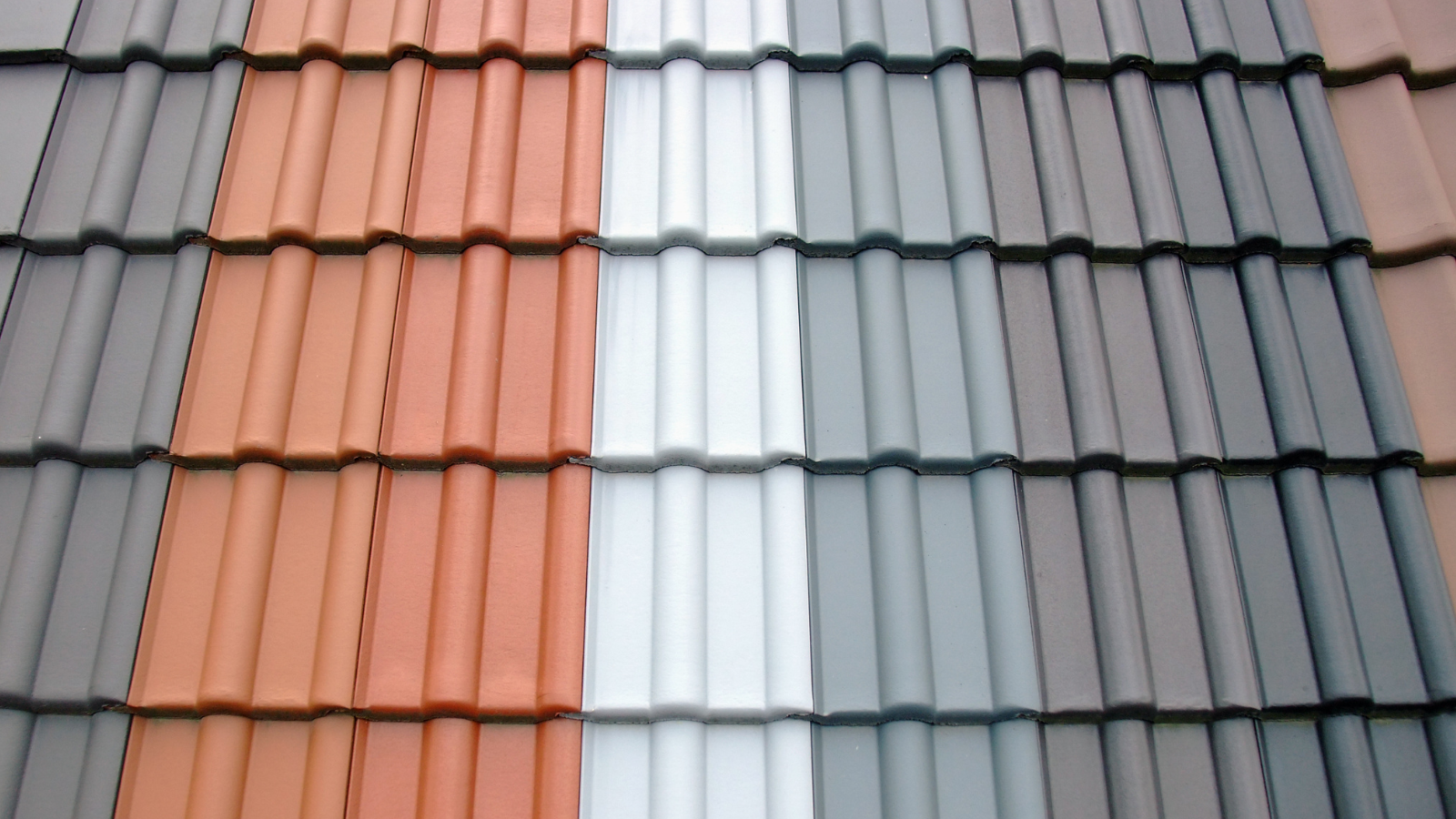
The table below summarizes common residential shingle colors, their approximate solar reflectance, and their general energy performance profile for Virginia’s mixed-humid climate.
| Shingle Color | Approx. Solar Reflectance | Attic Temp Reduction | Summer Efficiency | Best For |
| White / Light Beige | 65–80% | High (20–30°F+) | Excellent | High-sun coastal & urban VA |
| Light Gray | 55–70% | Moderate–High | Very Good | Northern VA, Richmond suburbs |
| Medium Gray / Taupe | 35–50% | Moderate | Good | Balanced VA climate zones |
| Weathered Wood / Tan | 25–40% | Moderate | Fair–Good | HOA areas; use cool-roof granules |
| Dark Brown | 15–25% | Low | Fair | Mountain/Valley areas with cold winters |
| Charcoal / Black | 10–20% | Minimal | Poor for cooling | Coldest VA zones only |
| Cool-Roof Dark Shingle* | 30–45% | Moderate | Good | HOA areas requiring dark tones |
*Cool-roof dark shingles use advanced infrared-reflective granules to achieve energy ratings above their visual color suggests.
What Virginia Homebuyers Should Ask Before Closing
If you’re in the due diligence phase of purchasing a Virginia home, here are the questions worth raising about the roof:
- How old is the current roof? If it’s nearing the end of its lifespan (15–20 years for standard asphalt), a re-roof may be in your near-term future — and that’s your opportunity to choose wisely.
- What shingle product is currently installed? You can often look up the product’s ENERGY STAR rating online.
- What is the attic’s current temperature range? A home inspector can assess this.
- Is the attic ventilation adequate? Ridge vents, soffit vents, and overall airflow make or break the thermal picture.
- Are there any HOA color restrictions? Know your constraints before falling in love with a specific shingle.
At Reitzel Roofing and Exteriors, we offer pre-purchase roof consultations for buyers who want an honest, professional assessment before committing — not a sales pitch, just clarity.
Regional Nuances: Roof Color Across Virginia’s Climate Zones
Virginia is a geographically diverse state, and roof color energy efficiency Virginia considerations genuinely differ by region.
Northern Virginia (Zones 4A/5A)
Fairfax, Loudoun, Arlington, and Prince William counties experience cold winters and hot, humid summers. Medium-to-light shingle colors offer the best balance. Cool-roof products in lighter gray or beige tones perform exceptionally well here, managing summer heat while not sacrificing too much winter solar gain.
Richmond and Central Virginia (Zone 4A)
Hot summers dominate the energy calendar here. Light and medium tones with Energy Star ratings are strongly recommended. The Richmond metro’s urban heat island effect — where dense development traps heat — makes cool-roof considerations even more impactful.
Hampton Roads / Virginia Beach (Zone 3A)
Coastal Virginia gets intense summer sun and high humidity. This is arguably where roof color energy efficiency Virginia choices matter most. Light-colored, high-reflectance shingles can deliver meaningful monthly savings. Salt air and wind also factor into material selection, making a combined material-and-color conversation with a professional especially valuable.
Shenandoah Valley and Southwest Virginia (Zone 4A–5A)
Here, winters are colder and summers milder than the coast. Dark and medium-dark shingle colors make more sense in these zones, where heating loads are higher relative to cooling. The energy efficiency calculus shifts — and it’s worth discussing with a local expert who understands your specific microclimate.
How Reitzel Roofing and Exteriors Approaches Color and Energy
We don’t just sell shingles. We help Virginia homeowners and homebuyers make informed, long-term decisions about one of the most impactful components of their home.
Our process for color and energy consultation includes:
- Climate zone assessment for your specific Virginia location
- HOA and neighborhood guideline review
- Product comparison across Energy Star-rated shingle lines
- Attic ventilation evaluation to maximize whatever color choice you make
- Detailed written estimates with transparent product documentation
We work with leading shingle manufacturers — including GAF, Owens Corning, and CertainTeed — whose product lines include high-performance cool-roof options across a full spectrum of colors. There is no reason to sacrifice curb appeal for energy efficiency in today’s market. You can genuinely have both.
Roof color energy efficiency Virginia homebuyers deserve a contractor who understands both the science and the aesthetics — and that’s exactly the expertise Reitzel Roofing and Exteriors brings to every project.
The Real Cost of Getting This Wrong
Let’s put some numbers around this. Assume a 2,200 square foot Virginia home with a dark charcoal roof in the Richmond area. Summer cooling costs run roughly $180–$220 per month from June through September. A switch to a cool-roof-rated lighter shingle — combined with proper attic ventilation — can realistically reduce that load by 10–15%.
Over a 12-month period, that’s potentially $80–$130 in annual savings. Over the life of a new roof — typically 25–30 years — that represents $2,000–$3,900 in cumulative energy savings, not accounting for rising energy costs. Factor in the extended HVAC life and the equation gets even more compelling.
For a homebuyer already stretching a budget to cover a down payment, closing costs, and moving expenses, that ongoing savings stream matters. Roof color isn’t just an aesthetic preference — it’s a financial decision.
Final Thoughts: Make Your Roof Work Smarter, Not Just Harder
Your roof is the first line of defense against Virginia’s sun, heat, rain, and cold. But it’s also one of the most powerful energy management tools your home has — if you choose wisely.
Understanding roof color energy efficiency Virginia homebuyers and owners need to prioritize isn’t complicated, but it does require thinking beyond aesthetics. The right color, paired with the right product and proper attic systems, can deliver meaningful savings, a more comfortable home, and real long-term value.
FAQs
1: Does roof color really make a measurable difference in Virginia energy bills?
A: Yes — and the data backs it up. The Department of Energy’s Lawrence Berkeley National Laboratory has documented cooling energy reductions of 10–15% in warm climates from cool-roof materials. Virginia’s hot, humid summers mean that roof color energy efficiency Virginia homeowners prioritize genuinely translates to real monthly savings. The exact impact depends on your home’s insulation, attic ventilation, HVAC efficiency, and shading — but the directional effect is well-established and consistent.
2: Are dark roofs always a bad choice in Virginia?
A: Not always — it depends on your region and priorities. In Southwest Virginia and the Shenandoah Valley, where heating seasons are longer, a darker shingle can offset some winter heating costs. However, for most of Virginia’s population — concentrated in the Northern Virginia suburbs, Richmond metro, and Hampton Roads — the summer cooling burden is dominant, and lighter or cool-roof-rated shingles are the smarter energy choice. Modern cool-roof technology also means darker-looking shingles can carry respectable reflectance ratings, narrowing the gap considerably.
3: What is a “cool roof” and does it have to be white?
A: A cool roof is any roofing product engineered to reflect more sunlight and release absorbed heat more efficiently than standard materials. It absolutely does not have to be white. Thanks to advanced granule technology, manufacturers now produce cool-roof-certified shingles in charcoal, slate, brown, and weathered wood tones. These shingles use infrared-reflective granule coatings that bounce back the heat-generating portion of sunlight even when the shingle appears dark visually. For Virginia homeowners in HOA communities with color restrictions, this is game-changing. Ask your roofing contractor specifically for ENERGY STAR-certified shingles in your preferred color range.
4: Does roof color affect home resale value in Virginia?
A: Increasingly, yes — especially as energy costs rise and buyers become more informed. Homes with Energy Star-certified roofing, documented low utility costs, and modern shingle systems command attention in competitive Virginia markets. While roof color alone won’t make or break a sale, buyers who are factoring in long-term operating costs — a growing segment, particularly among millennials purchasing in Northern Virginia and Richmond — will notice and appreciate a home with a thoughtfully chosen, energy-efficient roof. Providing product documentation and energy ratings at the time of listing is a simple way to make this a selling point.
5: Is there financial assistance available for energy-efficient roofing in Virginia?
A: Several programs may be available depending on your utility provider and location. Dominion Energy Virginia has historically offered energy efficiency incentives for qualifying upgrades. The federal Inflation Reduction Act also introduced tax credits for certain energy efficiency home improvements — consult a tax advisor for current applicability to roofing. ENERGY STAR-certified products are the baseline qualification for most incentive programs. Reitzel Roofing and Exteriors stays current on available Virginia and federal programs and can point you toward the right resources during your consultation.