When a powerful coastal storm rolls through Virginia Beach, it rarely leaves homes untouched. From hurricane-force winds and torrential rain to hail and flying debris, severe weather can compromise your roofing system in minutes. While it may be tempting to grab a ladder and inspect things yourself or hire the cheapest contractor available, the truth is clear: after storm damage, your first call should always be to a professional roofing company.
If you want to protect your home, your finances, and your peace of mind, choosing a qualified expert matters more than ever. In this guide, we’ll explain why working with a roofing company is critical after a storm, what to expect during the repair process, and why homeowners throughout Virginia Beach trust Reitzel Roofing & Exteriors when it matters most.
The Reality of Storm Damage in Virginia Beach
Living in Virginia Beach offers the beauty of the coast, but it also means facing unpredictable weather. Hurricanes, tropical storms, nor’easters, high winds, and heavy rain are common along the Hampton Roads coastline, and over time, this weather can significantly impact roofing systems.
Common Types of Storm Damage
A certified roofing company will typically look for issues such as missing or lifted shingles, cracked or bruised shingles from hail, granule loss on asphalt shingles, damaged flashing around chimneys and vents, water intrusion or active leaks, sagging decking due to moisture saturation, fallen tree limbs puncturing the roof, and clogged or detached gutters.
Many homeowners assume that if there’s no visible leak, their roof is fine. However, storm damage is not always obvious. Micro-fractures in shingles or minor flashing damage can allow water intrusion weeks or even months later, which is why contacting a professional roofing company immediately after severe weather is essential.
Why Coastal Homes Are Especially Vulnerable
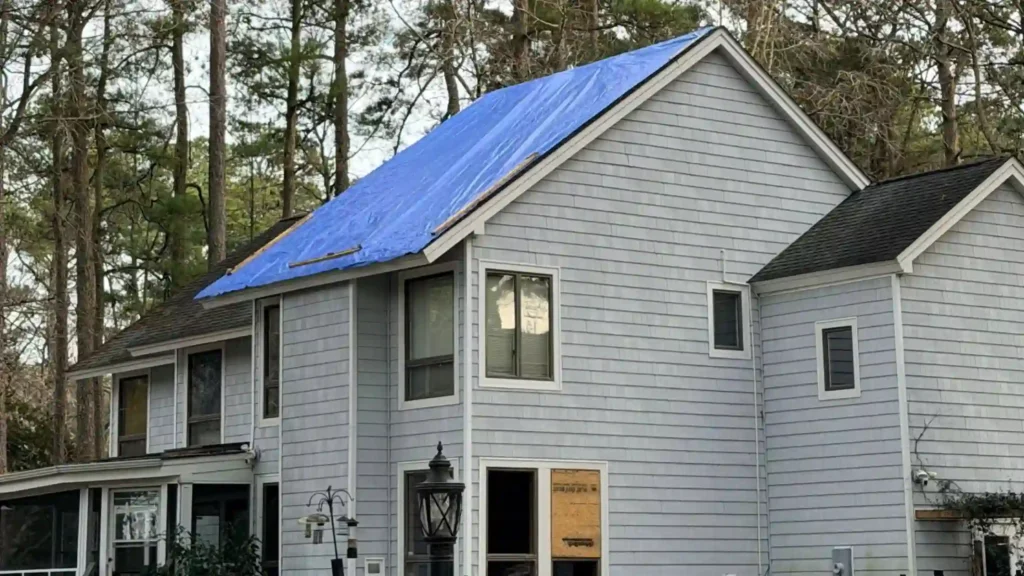
Virginia Beach homes are exposed to salt air corrosion, high humidity, wind-driven rain, and rapid pressure changes during storms. These factors accelerate roof wear and tear. If your roof was already aging before the storm, damage may be more extensive than you realize. A trained roofing contractor can evaluate whether you need targeted roof repair, emergency tarping, or a full roof replacement.
Why You Should Never DIY Storm Roof Repairs
Many homeowners feel pressure to act quickly after a storm, especially if they see shingles in the yard or water stains on the ceiling. While fast action is important, DIY repairs can create bigger problems. Roof inspections and repairs are dangerous, particularly after a storm when surfaces are wet and unstable.
A professional roofing company has fall protection equipment, safety harnesses, OSHA-compliant procedures, proper footwear, and stabilization tools. Climbing onto a compromised roof without proper training puts you at serious risk.
Improper temporary repairs can also affect insurance claims. If you unintentionally cause further damage, your insurance company may deny portions of your claim. A certified roofing company documents storm damage thoroughly, takes clear photos and measurements, provides written inspection reports, and can communicate directly with your insurance adjuster. This documentation strengthens your claim and ensures you receive fair compensation.
The Risk of Incomplete Repairs
Storm damage often affects more than just shingles. Underlayment, flashing, decking, ventilation systems, and ridge caps may all be impacted. A handyman or unlicensed contractor may patch visible issues but miss structural problems beneath the surface. Only a certified roofing company has the training to evaluate your entire roofing system.
What a Professional Roofing Company Does After a Storm
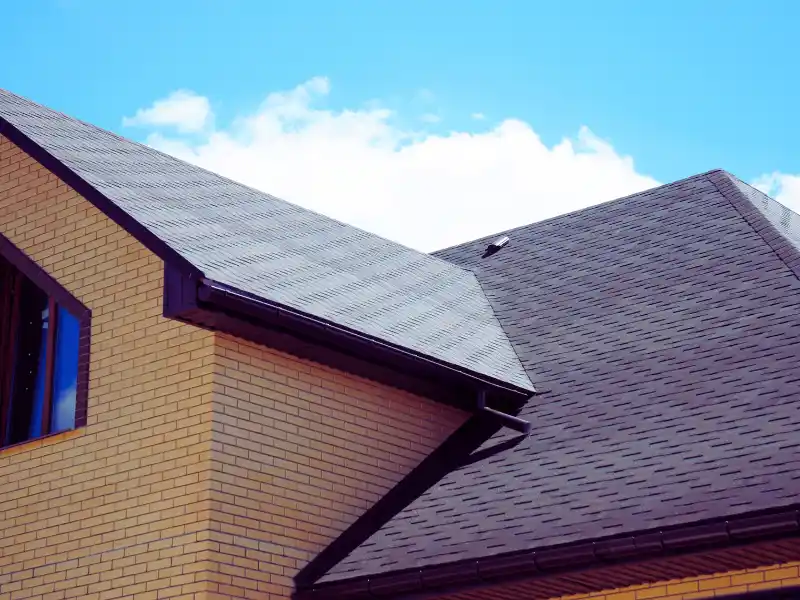
When you contact a professional roofing company after storm damage, the process is thorough and systematic. Emergency response and tarping protect your home from further water damage. A comprehensive roof inspection evaluates shingle integrity, flashing, underlayment, attic moisture, decking, and gutter systems, often using advanced tools like drones or moisture detection devices.
Detailed documentation supports insurance claims and helps ensure no damage is overlooked. Finally, the company recommends targeted repairs, partial reroofing, or full replacement depending on structural integrity.
Long-Term Benefits of Hiring a Certified Roofing Company
Storm damage isn’t just about fixing what’s broken; it’s about ensuring your home is protected for years to come. Licensed professionals follow manufacturer guidelines and Virginia building codes to guarantee proper shingle alignment, nail placement, ventilation, flashing installation, and weather-tight sealing.
Reputable companies provide manufacturer and workmanship warranties, maintain attic ventilation for energy efficiency, prevent mold growth, and improve property value.
Why Choose Reitzel Roofing & Exteriors in Virginia Beach?
When severe weather hits Hampton Roads, you need a trusted local partner, not a “storm chaser.” Reitzel Roofing & Exteriors is a leading professional roofing company serving Virginia Beach, Chesapeake, Norfolk, and surrounding areas. Our team brings local expertise, licensing, and insurance compliance, transparent communication, insurance claim assistance, high-quality materials, and a commitment to customer satisfaction. We don’t just repair roofs, we restore peace of mind.
Final Thoughts: Don’t Wait After Storm Damage
Storm damage rarely improves on its own. Small problems become leaks, leaks become mold, and mold becomes structural repairs. The smartest move after severe weather in Virginia Beach is to contact a trusted certified roofing company immediately. Reitzel Roofing & Exteriors is ready to inspect your roof, document storm damage, and provide expert guidance for repairs or replacement. Protect your home, family, and investment.
FAQs
1. When should I call a professional roofing company after a storm?
Immediately. Even minor damage can lead to leaks or structural issues if not inspected by a licensed roofing expert.
2. Can I do storm roof repairs myself?
DIY repairs are risky. Wet, unstable surfaces and hidden damage make a professional assessment essential for safety and insurance compliance.
3. What types of storm damage should I look for?
Missing or lifted shingles, cracked or bruised shingles, granule loss, damaged flashing, leaks, sagging decking, fallen limbs, and gutter damage.
4. Will a roofing company help with insurance claims?
Yes. They document damage, provide reports and photos, and communicate with adjusters to ensure your claim covers all legitimate repairs.
5. How do professional roofing repairs protect my home long-term?
Licensed contractors follow code and manufacturer standards, prevent leaks and mold, improve energy efficiency, maintain warranties, and enhance property value.