For any business owner, the roof over your building is more than just a structure; it’s protection for your assets, employees, inventory, and daily operations. Knowing when and how to repair commercial roof systems can save you from costly downtime, interior damage, and unexpected capital expenses. In 2025, proactive roof care is no longer optional; it’s a smart business decision.
This guide explains why commercial roof repairs matter, common problems to watch for, repair methods by roof type, costs, and how to choose the right contractor.
Why Commercial Roof Repairs Matter for Business Continuity
A neglected roof can quietly disrupt your entire operation. Even minor leaks can damage insulation, electrical systems, and interior finishes. Delaying action often leads to mold growth, higher energy bills, and safety concerns that may violate building standards set by organizations like the Occupational Safety and Health Administration.
The cost of delayed repairs is almost always higher than that of timely intervention. Businesses that repair commercial roof issues early typically extend roof lifespan by years while maintaining a safe, energy-efficient workspace.
Common Problems That Require You to Repair a Commercial Roof
Commercial roofs face constant exposure to weather, UV radiation, and foot traffic. Some issues appear gradually, while others happen suddenly.
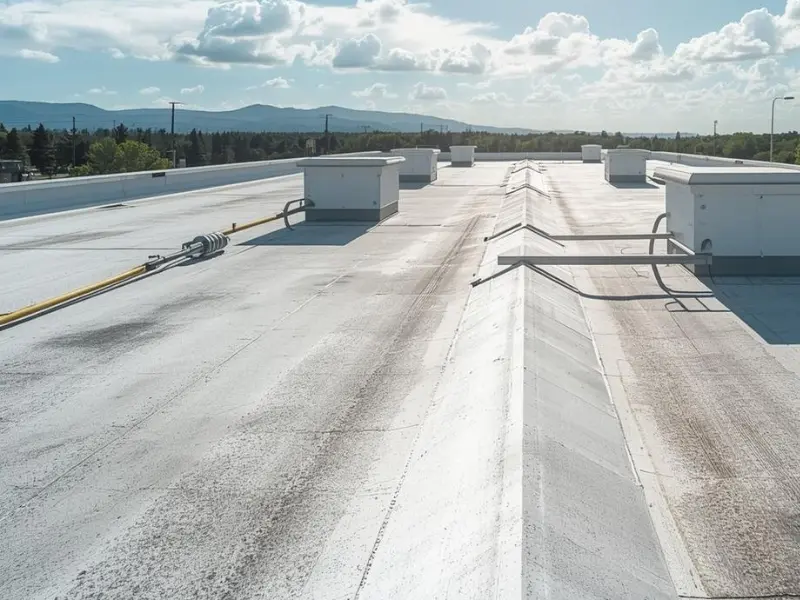
Leaks and water intrusion are among the most common reasons owners repair commercial roof systems. Small openings can spread moisture across insulation layers, causing structural damage. Ponding water is another serious issue, especially on flat roofs, where standing water accelerates membrane breakdown. Membrane blistering, flashing separation, punctures from tools or debris, and seam failures also frequently require professional attention.
Ignoring these problems increases the risk of full roof replacement instead of repair.
When to Repair Commercial Roof: Key Warning Signs
Knowing when to act is critical. Interior water stains, musty odors, or peeling paint often indicate hidden leaks. A noticeable rise in heating or cooling costs may signal insulation damage caused by moisture. After major storms, visible membrane damage, loose flashing, or debris impact points should be inspected immediately.
Age also matters. Most commercial roofing systems require regular maintenance once they pass the midpoint of their expected lifespan. At that stage, it’s often smarter to repair commercial roof damage proactively rather than wait for failure.
Types of Commercial Roofing Systems and Their Repairs
Different roofing systems require different repair approaches. Single-ply membranes like TPO, EPDM, and PVC usually involve seam resealing, membrane patches, or flashing reinforcement. Built-up roofing systems often need surface repairs, blister removal, or re-coating. Metal roofs may require fastener replacement, seam sealing, or corrosion treatment. Modified bitumen roofs typically involve heat-welded patches or localized membrane replacement.
Understanding your roof type helps ensure the correct repair method is applied and prevents compatibility issues with materials.
The Commercial Roof Repair Process
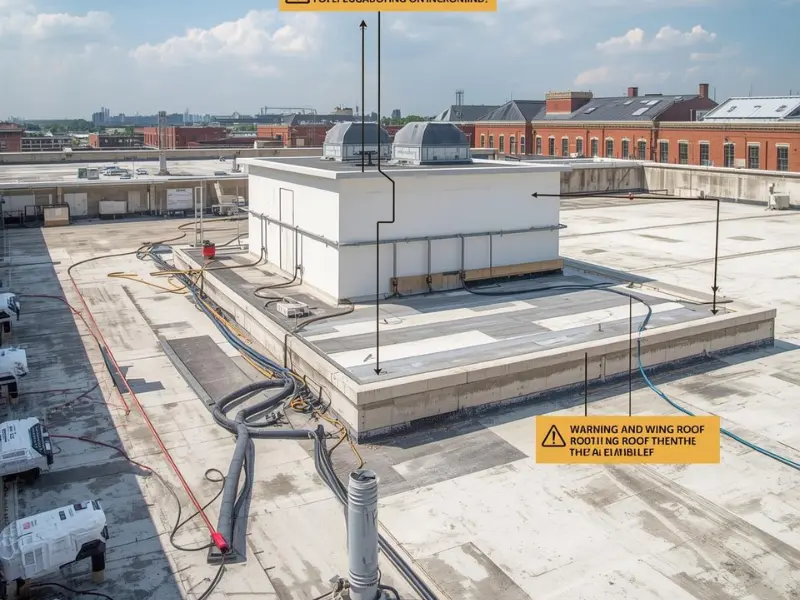
A professional repair process begins with a detailed inspection to identify both visible and hidden damage. Contractors then assess the severity of the issue and determine whether repair or replacement is the most cost-effective solution. Once repairs are approved, a clear timeline is established so your business operations face minimal disruption.
When you repair commercial roof systems correctly, most projects are completed efficiently, with safety protocols in place and minimal interference to daily work.
Cost Factors When You Repair a Commercial Roof
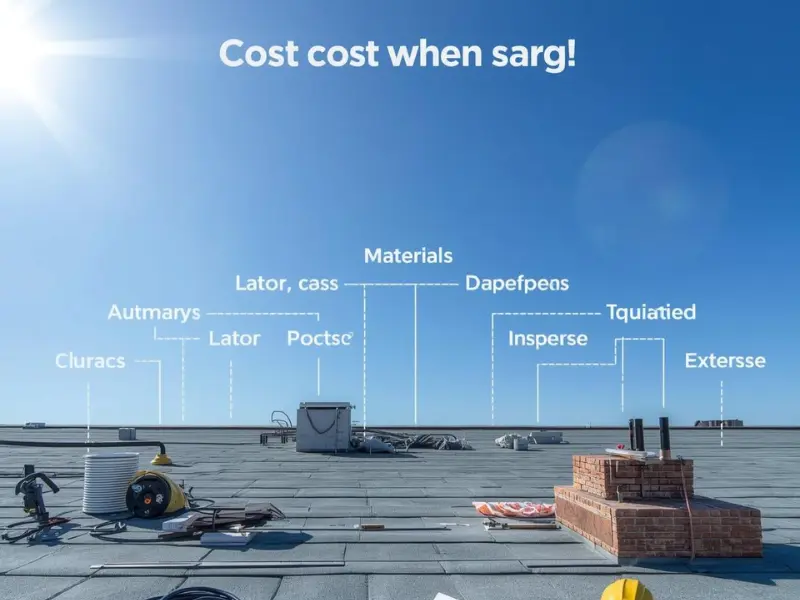
Repair costs vary based on several factors. Material type plays a major role, as some membranes and metals require specialized labor. The extent of damage, roof accessibility, building height, and local permit requirements also influence pricing. While cost matters, focusing solely on the lowest bid can lead to repeat repairs and higher long-term expenses.
Choosing the Right Contractor
Selecting the right contractor is as important as the repair itself. Look for experience with your specific roof system, proper licensing, insurance coverage, and transparent repair recommendations. Reputable contractors will document findings, explain repair options clearly, and never pressure you into unnecessary replacements.
Preventative Maintenance Tips
Routine inspections, debris removal, proper drainage management, and timely minor repairs are the best ways to reduce long-term costs. Scheduled maintenance plans help businesses identify small issues before they become major disruptions, making it easier to repair commercial roof problems efficiently.
Final Thought
Your roof protects everything beneath it. Don’t wait for a crisis to take action. When you repair commercial roof issues early, you protect your investment, control costs, and keep your business running without interruption. If you’ve noticed warning signs or your roof is aging, now is the right time to contact us for a professional inspection and take control of your building’s future.
Join Our Community
Join our community on Facebook, and don’t forget to subscribe to us on YouTube for new content each week.
FAQs
1. When should I repair a commercial roof?
You should repair a commercial roof when leaks, water stains, rising energy bills, or storm damage appear to prevent costly structural issues.
2. Is it better to repair or replace a commercial roof?
If damage is localized and the roof is structurally sound, repair is usually more cost-effective than full replacement.
3. How long does a commercial roof repair take?
Most commercial roof repairs take a few hours to several days, depending on damage severity and roof type.
4. What is the biggest risk of delaying roof repairs?
Delaying repairs can lead to insulation failure, mold growth, interior damage, and higher long-term costs.
5. Can regular maintenance reduce commercial roof repair costs?
Yes. Routine inspections and maintenance help identify small issues early and significantly reduce major repair expenses.