A leaking roof can cause serious damage to your home if left unchecked. Understanding the common causes of roof leaks is the first step in preventing costly repairs. From worn-out shingles and damaged flashing to clogged gutters and poor installation, identifying the source of a leak early can save both time and money.
In this guide, we’ll explore the most frequent reasons roofs fail and how you can protect your home before small issues turn into major problems.
What Causes a Roof to Leak
Understanding what causes a roof to leak is essential for preventing water damage in your home. Most leaks occur due to worn-out shingles, damaged flashing, clogged gutters, or poor installation. Weather conditions like heavy rain, snow, or strong winds can also weaken roofing materials over time. Regular inspections can help identify the early signs of trouble. By knowing what causes a roof to leak, homeowners can take proactive steps to repair small issues before they become costly problems.
Missing, Cracked, or Damaged Shingles
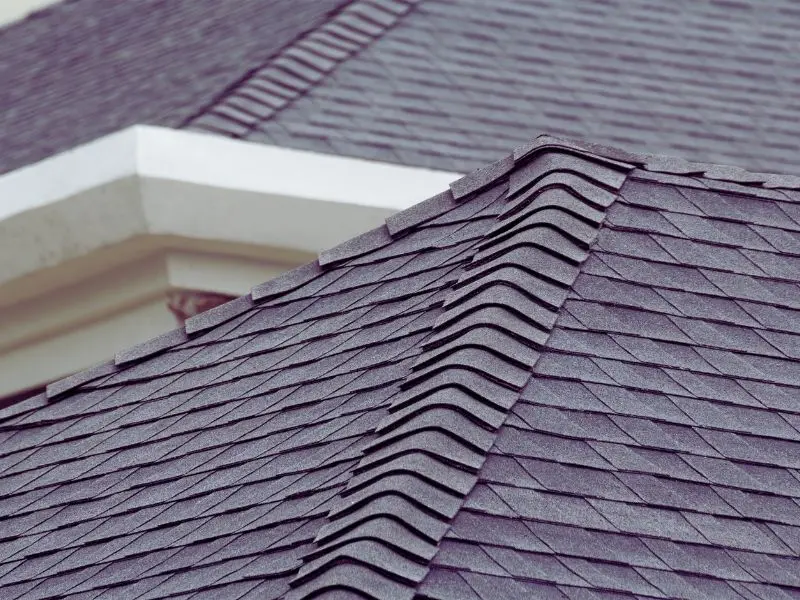
One of the most common causes of roof leaks is damaged or missing shingles. Shingles form the first line of defense against rain, hail, and debris. When they’re cracked, curled, or blown away by strong winds, your roof becomes vulnerable to water intrusion.
Why Shingles Fail
Several factors can lead to shingle damage. Over time, age and wear take their toll—asphalt shingles typically last 20–30 years, and constant UV exposure and temperature changes make them brittle while causing protective granules to wear away. Storm damage from high winds, hail, or flying debris can lift, crack, or remove shingles entirely. Improper installation, such as poorly nailed or overlapped shingles, creates gaps where water can seep in. Even foot traffic on the roof without proper care can loosen shingles and break their seals, increasing the risk of leaks.
How to Spot the Problem
Shingle issues are often easy to spot if you know what to look for. Signs include missing or dislodged shingles after a storm, curling or cracked shingle edges, piles of shingle granules in gutters or near downspouts, and dark patches or “bald spots” where granules have worn away. Even a few damaged shingles can allow water to penetrate the roof, eventually spreading through insulation and drywall. Early detection is key to preventing extensive damage.
Prevention Tips
Preventing shingle failure starts with regular care and timely repairs. Schedule annual inspections with a professional roofing company, especially after severe weather. Replace damaged shingles immediately to stop water from infiltrating the underlayment and decking. Investing in impact-resistant shingles is another smart move—modern shingles are engineered to withstand hail, wind, and UV damage far better than traditional options. Taking these steps ensures your roof stays strong and leak-free.
Shingle Damage Summary Table
| Cause/Sign | Description |
|---|---|
| Age and Wear | Shingles become brittle over 20–30 years; granules wear off due to UV/heat |
| Storm Damage | High winds, hail, or debris can lift, crack, or remove shingles |
| Improper Installation | Poor nailing or overlapping allows water to seep through |
| Foot Traffic | Walking on the roof can loosen shingles and break seals |
| Signs of Damage | Missing shingles, curling edges, granule buildup, bald patches |
| Prevention Tips | Regular inspections, prompt repair, and impact-resistant shingles |
Damaged Flashing Around Roof Penetrations
Flashing is the thin metal material installed around roof features like chimneys, vents, skylights, and valleys. Its job is to create a watertight seal where shingles can’t. When flashing cracks, rusts, or separates, it creates one of the most common points of entry for water.
How Flashing Causes Leaks
When installed incorrectly or allowed to deteriorate over time, flashing can become a major entry point for rainwater, allowing moisture to seep into your roof deck or attic. Coastal homes in Virginia Beach face an added risk because salty air accelerates corrosion, making flashing failures more common without regular maintenance.
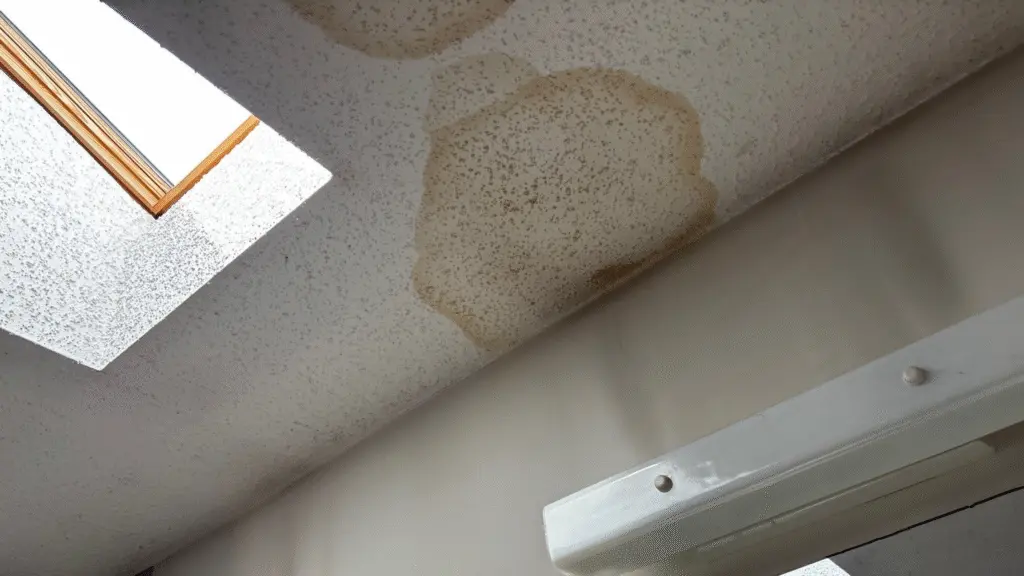
Typical flashing issues include rusted or corroded metal, loose or missing fasteners, gaps created by shifting roofing materials, and deteriorated caulking or sealant. Homeowners may notice warning signs such as water stains on ceilings near chimneys or vents, damp attic insulation, crumbling mortar around chimney bases, or visible rust and lifting metal around roof penetrations.
Preventing these problems starts with using corrosion-resistant materials like stainless steel or aluminum, properly sealing all joints and seams with high-quality roofing cement, and inspecting flashing annually, especially after storms, to catch early signs of damage. Professional roofing teams like Reitzel Roofing & Exteriors have the expertise to repair or replace flashing correctly, helping keep your roof watertight year-round.
Clogged Gutters and Poor Drainage
Gutters and downspouts play a critical role in directing water away from your roof and foundation, but when they become clogged with leaves, pine needles, or debris, water can back up beneath your shingles and cause roof leaks and wood rot. Because water always seeks the path of least resistance, overflowing gutters allow water to pool along the roof’s edge and seep under roofing materials. Over time, this can lead to damaged fascia boards, leaks inside walls, and even foundation erosion.
Common signs of gutter problems include overflowing gutters during rainstorms, peeling paint or stains on siding, sagging or detached gutter sections, and water pooling near the foundation. To prevent these issues, gutters should be cleaned at least twice a year, more often if trees surround your home, while gutter guards can help reduce debris buildup.
It’s also important to ensure downspouts direct water at least three to four feet away from the foundation and to inspect gutters after heavy storms for loosened brackets or misalignment. Keeping gutters clear and functional eliminates one of the simplest causes of roof leaks and protects your entire home.
Cracked Vent Boots, Skylights, and Roof Valleys
Certain areas of your roof are naturally more prone to leaks — especially where surfaces meet, or materials overlap. Vent boots, skylights, and valleys are three common culprits for allowing water into your home. While inspecting your roof, it’s also a good time to consider overall exterior maintenance. Choosing the best siding for beach house can protect your walls from coastal moisture and complement your roof’s durability.
Cracked or Worn Vent Boots
Vent boots are rubber or metal sleeves designed to seal the base of plumbing and HVAC vents, but prolonged sun exposure and temperature changes can cause them to crack, shrink, or separate from the pipe. Homeowners may notice water stains near vent pipes, damp attic insulation, or visible cracks and dry rot around the rubber collar.
Preventing vent boot leaks involves inspecting them annually, replacing any cracked or deteriorated boots immediately, using UV-resistant materials for longer durability, and sealing base joints with waterproof roofing caulk.
Skylight Leaks
While skylights bring in natural light, they can also become a significant source of leaks if flashing or seals fail due to age or improper installation. Warning signs include condensation between panes, water stains or bubbling drywall around the skylight, and mold or mildew growth near the opening.
Regular annual inspections of skylight flashing are essential, and replacements should always be handled by professionals, as poor DIY installation is one of the leading causes of skylight leaks.
Roof Valley Leaks
Roof valleys, where two roof slopes meet, channel large volumes of water during storms and are especially prone to leaks if not properly sealed or maintained. Damage may appear as dark streaks along valley seams, missing shingle granules that expose underlayment, or water spots on ceilings directly beneath the valleys.
Preventive care includes keeping metal valley flashing free of rust and debris, replacing old or cracked sealant, and clearing leaves and branches that can trap moisture. Because roof valleys and penetrations are complex areas, they are best handled by professionals. A qualified roofing repair contractor in Virginia Beach, such as Reitzel Roofing & Exteriors, can identify and repair these vulnerable areas before they lead to costly interior damage. While maintaining your roof, pairing it with the best siding for beach house ensures full exterior protection against coastal elements.

Age and General Wear Over Time
Why Virginia Beach Homeowners Choose Reitzel Roofing & Exteriors
When it comes to precision projects like installing Schluter trim, attention to detail and craftsmanship matter, Reitzel Roofing & Exteriors is proud to be Virginia Beach’s trusted choice for exterior and interior remodeling, offering quality, professionalism, and long-term results.
Experienced Professionals
Our expert installers understand that every detail counts. Whether we’re working on roofing, siding, or intricate tile installations, our precision-driven approach ensures flawless outcomes every time.
Locally Trusted Craftsmanship
As a Virginia Beach company, we understand the region’s coastal environment—humidity, salt air, and temperature swings can all affect materials. We use premium products and installation methods that stand up to the elements.
Quality Materials and Finishes
We partner with top manufacturers like Schluter, CertainTeed, and James Hardie to deliver projects that blend durability and beauty. Our siding, roofing, and interior finish work are built to last—and look stunning for years.
Transparent Pricing and Communication
From your first consultation to the final walkthrough, our process is transparent and client-focused. We provide detailed estimates, clear timelines, and no hidden costs—so you always know exactly what to expect.
Full-Service Exterior and Interior Solutions
Reitzel Roofing & Exteriors offers comprehensive home improvement solutions
roofing, siding, gutters, decks, and tile installations. Whether you need a small repair or a full renovation, our team delivers cohesive design and exceptional craftsmanship.
Proven Reputation for Excellence
Our clients trust us for reliable results and outstanding service. With five-star reviews and repeat customers across Hampton Roads, we’ve built our reputation on integrity and skill.
If you’re also planning exterior upgrades, be sure to check out our guide on roof replacement in Virginia Beach for expert tips and local insights.
Join Our Community
Join our community on Facebook and don’t forget to subscribe to us on YouTube for new content each week.
Final Thoughts
A leak in roof doesn’t just threaten your home — it threatens your peace of mind. Fortunately, most leaks can be prevented through regular maintenance, professional inspections, and prompt repairs when problems arise. By understanding the top causes of a leak in roof, you can take proactive steps to protect your home and avoid expensive water damage. Whether it’s damaged shingles, corroded flashing, or poor ventilation, every issue is fixable when addressed early.
Call today or schedule your free inspection online! Your home deserves the best protection — and Reitzel Roofing & Exteriors delivers exactly that.
FAQs
1. What are the most common signs of a leak in the roof?
Water stains, peeling paint, damp insulation, mold, and dripping ceilings are key signs of a leak in the roof.
2. Can a small leak in the roof cause major damage?
Yes, even a small leak in the roof can lead to mold, wood rot, and structural damage if left untreated.
3. How quickly should I repair a leak in the roof?
A leak in roof should be repaired immediately to prevent water damage and costly repairs.
4. What causes a leak in the roof in coastal areas?
Salt air, humidity, strong winds, and heavy rain accelerate corrosion and wear, increasing leak in roof risks.
5. Can I prevent a leak in the roof with regular inspections?
Yes, routine inspections, maintenance, and prompt repairs help prevent leaks in the roof and extend its life.