Every roof gets older, that part’s inevitable. But how do you actually know when “older” has quietly turned into “overdue for attention”? If you’ve caught yourself glancing up at your roofline lately, noticing a little more wear than you remember, a little more curling at the edges, you’re already asking the exact question this article is here to answer. An aging roof Virginia homeowners live under doesn’t always announce itself with a dramatic leak. More often, it whispers, through small, easy-to-miss signs that add up over time.
At Reitzel Roofing and Exteriors, we inspect roofs across Hampton Roads every week, and we can tell within minutes whether a roof is aging gracefully or aging in a way that’s quietly setting up bigger problems down the road. This article walks through everything we look for during that assessment, translated into plain language so you can do a reasonably informed check of your own roof before ever picking up the phone. If you’re wondering what your own weathered shingles are actually telling you, let’s walk through exactly what an aging roof Virginia weather and climate conditions really looks like, and what it means for your home.
Why an Aging Roof Virginia Homeowners Own Wears Differently Than It Would Elsewhere
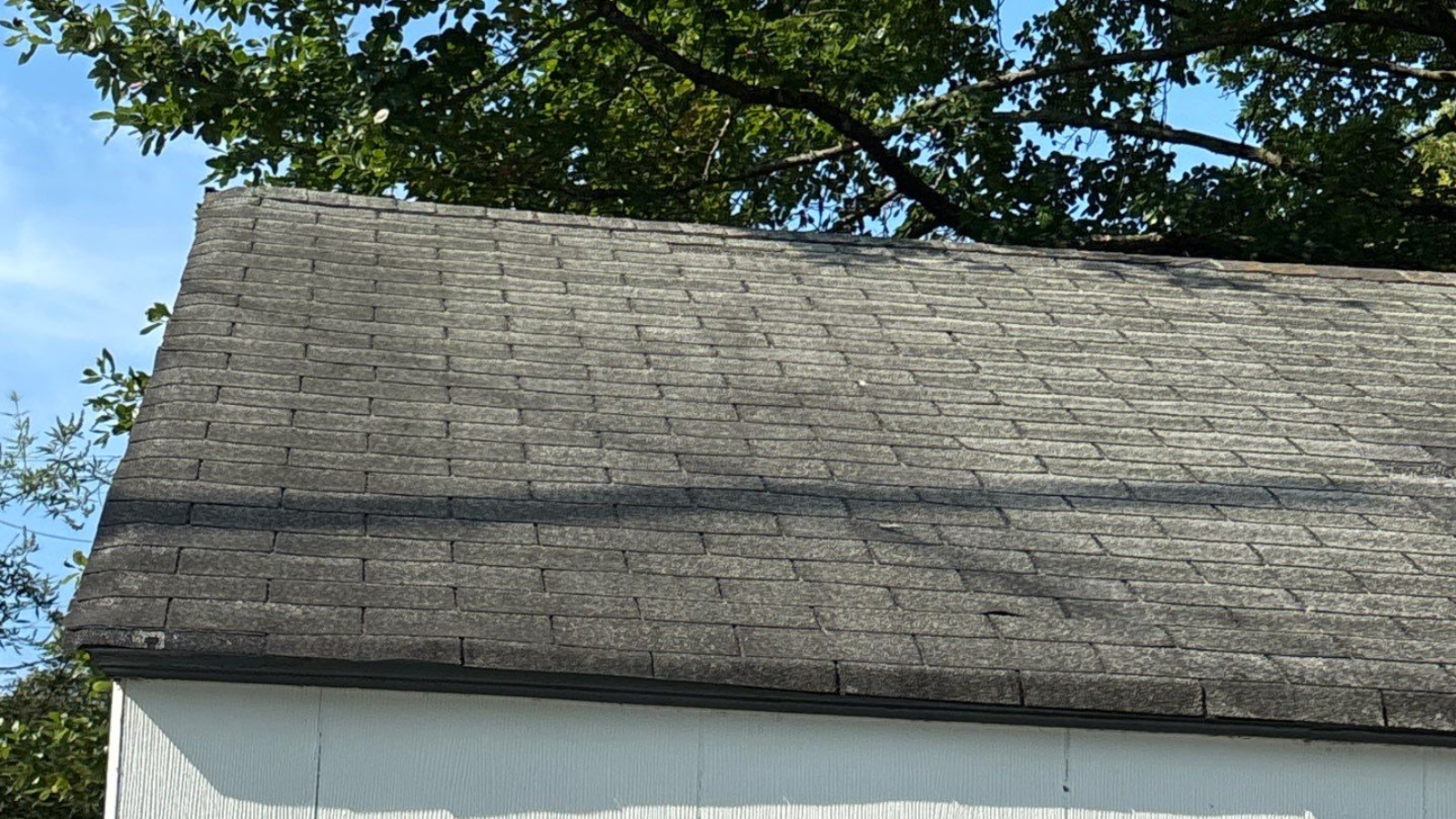
Roofs don’t age in a vacuum. Climate plays an enormous role in how quickly a roof moves from “new” to “showing its age,” and Virginia, particularly here in the coastal Hampton Roads region, presents a genuinely tough combination of conditions. Humid summers, salt-laden coastal air, intense UV exposure, and a hurricane season that runs from June through November all work together to accelerate wear in ways that homeowners in drier, more moderate climates simply don’t experience at the same rate.
That’s part of why an aging roof Virginia properties develop can look considerably more worn at fifteen years than a similar roof might look in a milder climate. Understanding this regional reality helps set realistic expectations, rather than assuming your roof should automatically perform to the exact number printed on the shingle packaging years ago.
What “Aging” Actually Means for a Roof
It helps to separate cosmetic wear from performance-affecting wear, since not every sign of age means your roof is failing. Asphalt shingles are built with a protective granule layer that shields the underlying material from UV rays and moisture. Over time, that layer naturally wears down, which is a normal part of aging. The real concern arises when granule loss becomes severe enough that the shingle’s base material is exposed, since that’s when a roof shifts from merely looking old to actually losing its protective function.
Similarly, minor discoloration from algae growth is largely cosmetic, while curling, cracking, or missing shingles point to more serious deterioration that affects how well your roof actually keeps water out. Recognizing this distinction is the first step toward accurately assessing what an aging roof Virginia home is dealing with, rather than either panicking over cosmetic wear or ignoring genuinely concerning signs.
Table: Roof Age Milestones and What to Expect
| Roof Age | What’s Typically Happening | Recommended Action |
| 0-10 years | Roof performing as expected, minimal visible wear | Routine annual inspection |
| 10-15 years | Early granule loss, minor wear may begin appearing | Inspect after major storms, monitor closely |
| 15-20 years | Noticeable wear, possible curling or discoloration | Schedule a professional inspection; begin budgeting for replacement |
| 20-25 years | Roof nearing end of expected lifespan for standard asphalt shingles | Get a full assessment; replacement likely needed soon |
| 25+ years | High risk of leaks, insurance complications, and structural concern | Replacement strongly recommended |
According to industry lifespan guidance from the National Roofing Contractors Association and the Asphalt Roofing Manufacturers Association, standard three-tab asphalt shingles typically perform well for 15 to 20 years, while architectural shingles often reach 25 to 30 years under favorable conditions. An aging roof Virginia homeowners are evaluating should be measured against these industry benchmarks, adjusted for our regional climate, rather than the longest number printed on the original packaging.
Common Visible Signs Your Roof Is Aging
A few specific signs tend to show up consistently as roofs move through their lifespan, and knowing what to look for helps you catch problems before they escalate.
Granule Loss
Bald or shiny patches on your shingles, along with a noticeable buildup of granules in your gutters, indicate that the protective coating is wearing away. This is one of the earliest and most reliable indicators of an aging roof Virginia properties commonly display, particularly on the sections of roof that receive the most direct sun exposure.
Curling or Cupping Shingles
When shingles lose their flat, uniform shape and begin curling at the edges or cupping in the middle, it typically signals that the material has become brittle from years of heat and UV exposure. Curled shingles are more vulnerable to wind uplift and water infiltration.
Dark Streaking or Algae Growth
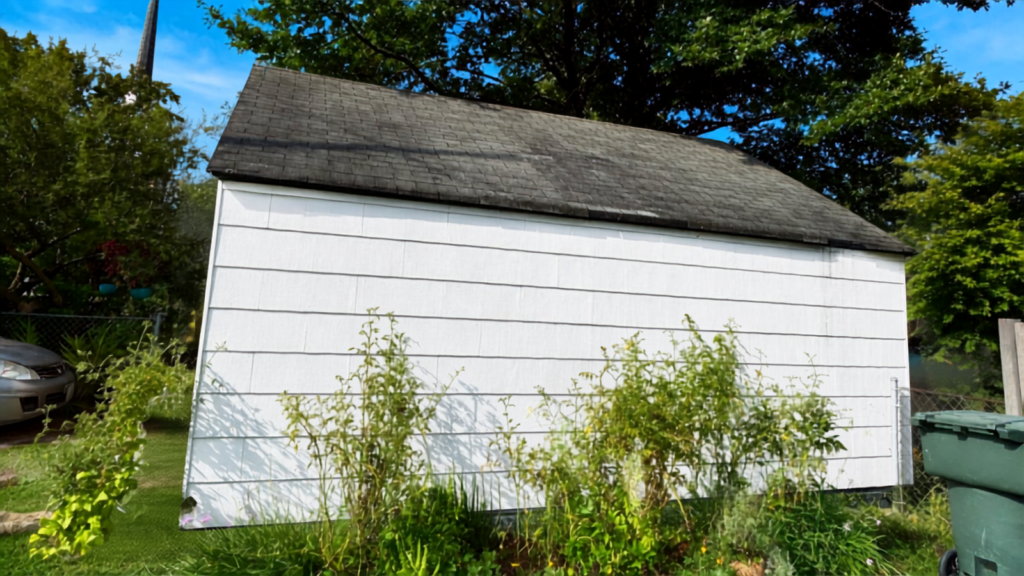
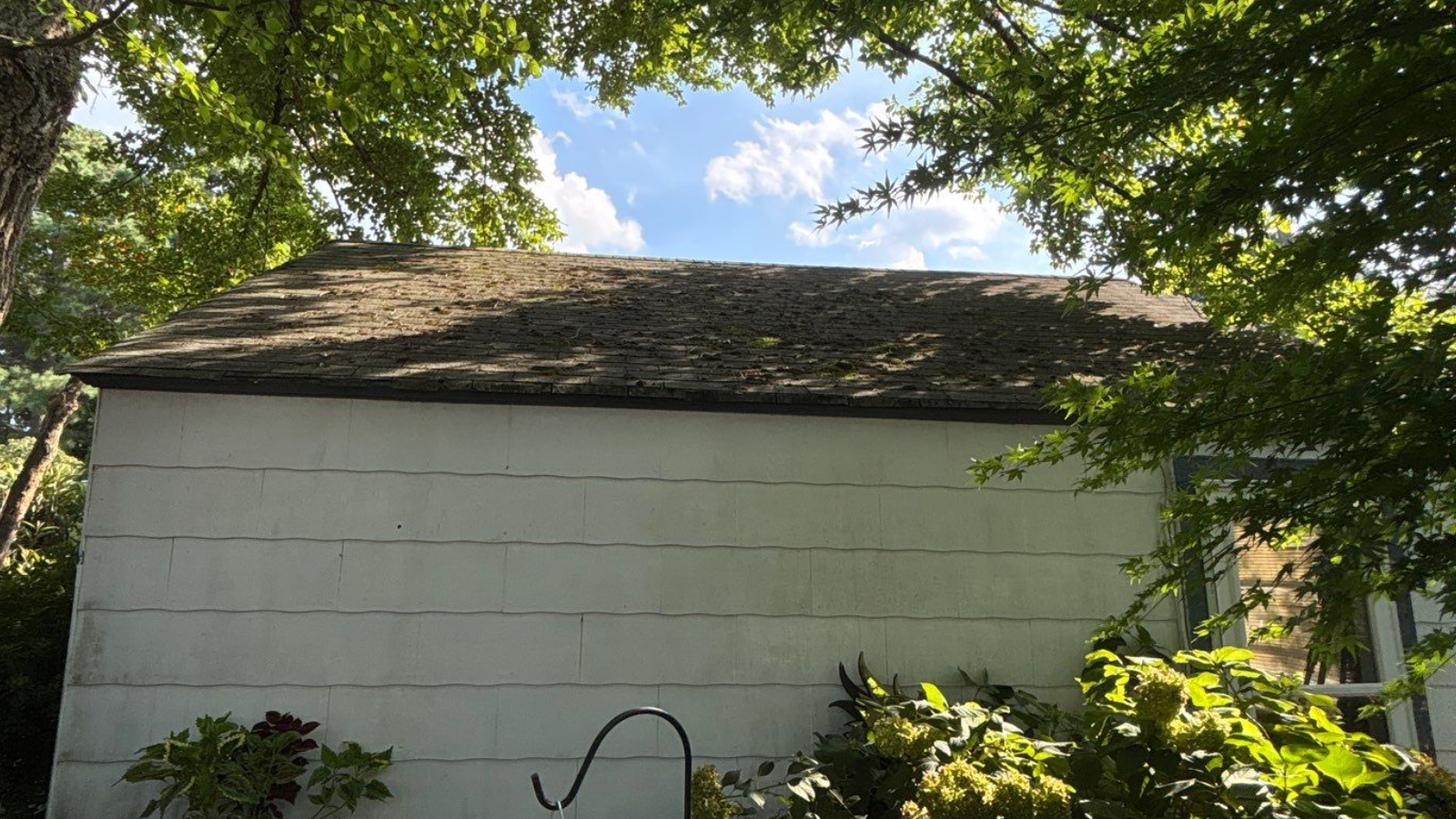
Streaks of black or dark green discoloration are usually caused by algae, which thrives in humid climates like ours. While largely cosmetic on its own, persistent algae growth can trap moisture against the shingle surface, compounding other forms of wear over time.
Missing or Cracked Shingles
Gaps where shingles have blown off entirely, or visible cracks across individual shingles, represent a more advanced stage of wear that leaves the roof deck directly exposed to the elements in that specific area.
Sagging Rooflines
A visibly sagging section of roof is one of the more serious signs, often pointing to structural issues with the decking underneath rather than simply worn shingles, and warrants immediate professional attention.
How an Aging Roof Affects Your Insurance and Resale Value
This is where the conversation moves beyond aesthetics into real financial territory. According to the Insurance Information Institute, the age of a roof is one of the most significant factors insurers weigh when assessing wind and storm-related risk, since older asphalt shingle roofs are statistically more likely to fail during severe weather events. Many insurance carriers begin requiring inspections, adjusting premiums, or restricting certain types of coverage once a roof passes the fifteen to twenty year mark, and some may decline to write new policies altogether on roofs beyond twenty years old.
This isn’t unique to any one insurer, either. It’s a broader industry pattern, and it means that even a roof that’s never leaked can still become a liability from a purely underwriting standpoint once it crosses a certain age threshold. Homeowners are often surprised to learn that a roof’s age matters just as much to their insurer as its actual physical condition, which is exactly why proactive inspections and documentation carry real financial weight, not just peace of mind.
This matters enormously for resale as well. Real estate and appraisal data consistently show that buyers factor an aging roof directly into their offers, sometimes requesting significant price reductions or requiring roof replacement as a condition of closing. On the flip side, industry cost-versus-value research has consistently shown that roof replacement recovers a substantial share of its cost at resale, typically in the 60 to 70 percent range, making it one of the more financially sensible upgrades for homeowners preparing to sell. An aging roof Virginia homeowners are trying to sell around isn’t just a cosmetic concern, it’s a genuine factor in financing, insurability, and negotiating power during a home sale.
How Different Materials Age Differently
Not all roofing materials wear at the same pace, which is worth understanding whether you’re assessing your current roof or planning a future replacement.
Asphalt Shingles
The most common roofing material in our region, asphalt shingles generally show visible aging signs, granule loss, curling, discoloration, earliest among common materials, typically within fifteen to twenty-five years depending on shingle grade and installation quality.
Metal Roofing
Properly installed and coated metal roofing tends to age far more gracefully, often performing well for forty years or more, with fading and minor surface wear being the primary signs of aging rather than structural degradation.
Wood Shake
Wood shake roofing shows aging through splitting, warping, and increased vulnerability to moisture and insect damage, generally requiring closer monitoring in our humid climate than in drier regions.
Tile and Slate
These premium materials can last well beyond fifty years, though the underlayment beneath them typically needs attention sooner, meaning visible tile can look fine while the material protecting your roof deck underneath is quietly aging out of its usable life.
Local Factors That Accelerate Roof Aging in Hampton Roads
A few conditions specific to our region genuinely speed up the aging process compared to more moderate climates elsewhere in the country. Intense summer heat causes repeated expansion and contraction of roofing materials, gradually weakening seals and adhesives. Coastal humidity creates favorable conditions for algae and moss growth, while properties closer to the oceanfront also contend with salt air, which accelerates corrosion of metal flashing and fasteners.
Hurricane season adds another layer of stress, since even roofs that aren’t directly damaged during a storm often endure wind stress and debris impact that quietly shortens their functional lifespan over several seasons. All of these factors combine to make an aging roof Virginia climate produces genuinely different, and often faster progressing, than the same roof would experience in a drier, more temperate part of the country.
Maintenance Steps That Slow Down the Aging Process
While no maintenance routine stops a roof from aging entirely, a few consistent habits genuinely slow the process and help you get closer to the upper end of your roof’s expected lifespan. Scheduling a professional inspection annually, and always after a major storm, catches small issues, a lifted shingle, a small crack, minor flashing wear, before they compound into larger problems. Keeping gutters clear prevents water from backing up under the shingle edges, which is a surprisingly common contributor to premature wear along roof eaves.
Trimming back overhanging trees reduces both physical impact risk and the amount of moisture-trapping debris that accumulates on the roof surface. And addressing minor repairs promptly, rather than waiting, keeps small issues from turning into the kind of widespread damage that pushes an aging roof Virginia homeowner might have otherwise maintained for several more years into premature replacement territory instead.
Budgeting Ahead for an Eventual Replacement
One of the most practical things a homeowner can do once a roof starts showing real signs of age is start budgeting for replacement before it becomes an emergency. Roofs rarely fail conveniently, and homeowners who wait until a leak forces the issue often end up making rushed decisions under pressure, sometimes settling for a less thorough contractor or a less durable material simply because they need a fix immediately.
Getting a written estimate once your roof reaches the fifteen-year mark, even if you’re not ready to replace it yet, gives you a realistic number to plan around. Many homeowners choose to set aside funds gradually or explore financing options once they know their roof is approaching the upper end of its expected lifespan, rather than being caught financially unprepared when an aging roof Virginia storms have already stressed for years finally reaches a point where repair is no longer a realistic option.
What to Do If You Suspect Your Roof Is Aging
If you’re noticing any of the signs covered above, the smartest first step is a professional inspection rather than guessing based on appearance alone from the ground. A thorough inspection assesses not just the visible shingle surface, but also flashing condition, attic ventilation, and any signs of moisture that might not be obvious from a quick glance.
From there, a reputable contractor should walk you through your realistic options, whether that’s continued monitoring, targeted repairs, or a conversation about full replacement, based on the actual condition found rather than a generic recommendation. Getting ahead of an aging roof Virginia homeowners might otherwise ignore until a leak forces the issue almost always leads to a more manageable, less stressful process than waiting for a crisis.
What First-Time Home Buyers Should Check
If you’re purchasing a home in Virginia, roof age deserves serious attention during your due diligence, not just a passing mention in the inspection report. Ask the seller directly for the roof’s installation date, any warranty documentation, and whether it’s ever been repaired or replaced in sections. A roof that looks fine from the street can still be nearing the end of its functional life, particularly if it’s an older asphalt roof that hasn’t had recent maintenance.
Bringing in an independent roofing inspection, separate from your general home inspector’s assessment, gives you a much clearer, more specific picture of what you’re actually buying into. Understanding whether you’re purchasing a home with several years of roof life remaining, or one where replacement is likely just around the corner, meaningfully affects your budgeting and negotiating position as a buyer.
It’s also worth asking specifically whether any past repairs were done by a licensed contractor, since patchwork repairs completed by unlicensed handymen sometimes mask more significant underlying issues rather than genuinely resolving them. A seller who can provide documentation, receipts, warranty paperwork, or a recent inspection report, is generally giving you a much more trustworthy picture of an aging roof Virginia home’s actual condition than one who can only offer a verbal assurance that “the roof is fine.”
Final Thoughts on Recognizing an Aging Roof Virginia Weather Has Worn Down
A roof rarely fails all at once. It ages gradually, through granule loss, curling shingles, and small signs most homeowners don’t think twice about until they add up into something bigger. Knowing what an aging roof Virginia climate conditions actually looks like, and understanding how that aging affects your insurance, resale value, and day-to-day protection, puts you in a much stronger position to act before a minor issue becomes a major one.
The homeowners who fare best over the long run aren’t necessarily the ones with the newest roofs, they’re the ones who pay attention early, ask informed questions, and bring in a professional assessment before small wear turns into a costly emergency. Whether your roof is five years old or twenty-five, understanding where it actually stands, rather than guessing based on a quick glance from the driveway, is the difference between staying ahead of the problem and getting caught off guard by it.
FAQs
1: How do I know if my roof is actually aging or just needs cleaning?
A: In Virginia Beach, dark streaks and discoloration are common because our humid coastal climate can encourage algae and surface buildup, so a roof that looks dirty is not automatically worn out. Professional cleaning may improve the appearance if the issue is mostly cosmetic, but if you also notice curling shingles, cracking, bald spots, exposed fiberglass, or heavy granule loss in the gutters, those are stronger signs that the roof is truly aging. A local roof inspection can help separate simple staining from material deterioration so you do not replace a roof too early or ignore damage that needs attention.
2: At what age should I start seriously considering roof replacement?
A: For many asphalt shingle roofs in Virginia Beach and Coastal Virginia, the 15-year mark is a good time to start paying closer attention, especially if the roof has been through years of strong sun, humidity, salt air, heavy rain, or coastal storms. Many roofs can continue performing well beyond that point, while others may show significant wear earlier depending on the shingle quality, ventilation, installation, and maintenance history. Once a roof reaches roughly 20 to 25 years old, it is smart to have it evaluated more regularly so you can plan ahead instead of being forced into an emergency replacement after a leak or storm.
3: Will an aging roof affect my ability to get homeowners insurance?
A: It can, particularly as a roof gets older or begins showing visible signs of wear. Insurance companies serving Virginia Beach may look more closely at older roofs because coastal homes face higher exposure to wind, rain, and storm-related damage, and some carriers may request roof documentation or an inspection before issuing or renewing coverage. Requirements vary by insurer, so the best approach is to ask your carrier what they need and have a qualified local roofer document the roof’s current condition if necessary. Knowing where your roof stands can help you avoid surprises when renewing coverage or buying a home.
4: Can I repair an aging roof instead of replacing it?
A: Yes, in many cases an aging roof can still be repaired if the damage is limited to a small area and the rest of the roofing system is still in solid condition. For example, a few missing shingles, a localized flashing issue, or a small leak may be repairable without replacing the entire roof. However, if the roof has widespread granule loss, repeated leaks, extensive cracking, or multiple failing sections, continuing to patch it may cost more over time than planning a full replacement. A professional Virginia Beach roof inspection can help determine whether repair is still a smart investment or whether replacement offers better long-term value.
5: Does roof age matter if I’m not planning to sell my home anytime soon?
A: Yes, because roof age affects how well your home is protected whether you plan to sell next year or stay for another twenty years. As roofing materials age, they become more vulnerable to wind, moisture intrusion, UV exposure, and the repeated weather changes we experience here in Virginia Beach. An older roof may still look acceptable from the street while developing small leaks or weakened areas that can eventually damage insulation, ceilings, decking, and interior finishes. Keeping track of your roof’s age and condition gives you time to plan repairs or replacement on your terms instead of waiting for a storm or major leak to make the decision for you.