Choosing the best siding for beach house is crucial for both durability and style. Beachfront properties face unique challenges, from salty air and high humidity to strong winds and intense sun exposure. Selecting the right siding not only protects your home from these harsh elements but also enhances its curb appeal and long-term value. In this guide, we’ll explore the top siding options that combine resilience, low maintenance, and aesthetic charm for your coastal retreat.
Why Choosing the Best Siding for Beach House Based on Virginia Matters
When you’re building or renovating a beach house in Virginia, selecting the best siding for beach house isn’t just about curb appeal — it’s about resilience. The salty Atlantic air around coastal Virginia accelerates corrosion and moisture damage, while persistent humidity can lead to mildew and rot.
Plus, Virginia Beach’s own flood‑resiliency guidelines recommend siding materials like fiber cement and high-wind vinyl to withstand both wind-driven rain and salt spray.
Understanding the Beach Environment and Its Impact on Siding
Before diving into specific siding options for beach houses, it’s important to understand the unique environmental challenges faced by homes located in Beach areas. The combination of saltwater, humidity, high winds, and intense UV exposure can cause significant damage to siding materials that are not specifically designed for these conditions.
Saltwater Exposure: Salt from the ocean air can accelerate the deterioration of siding materials, causing rust, corrosion, and erosion. Materials that are porous or have a tendency to absorb moisture, such as wood, can be particularly vulnerable.
High Winds: Beach areas often experience storms with high winds, which can cause siding to crack, warp, or even be torn off entirely. The coastal siding needs to be secure enough to withstand these conditions without compromising the integrity of your home.
Humidity and Mold: Beach house siding is often exposed to high humidity levels, which can contribute to mold growth, rotting, and other forms of decay, especially in materials that are not treated to withstand these conditions.
UV Exposure: Beach areas receive plenty of sunlight, and UV rays can cause many materials to fade, crack, or weaken over time. Choosing siding materials that can resist UV degradation is crucial for maintaining the appearance and longevity of your home.
Given these environmental factors, it’s essential to choose a siding material designed to resist these challenges. Below are some of the best coastal siding options for a beach house that combine beauty, durability, and long-term performance.
Vinyl Siding: Affordable and Weather-Resistant
Vinyl siding is one of the most popular & Premium Beachfront Home Siding, and for good reason. Known for its durability and low-maintenance nature, vinyl siding offers an excellent balance between cost, appearance, and performance in harsh coastal conditions.
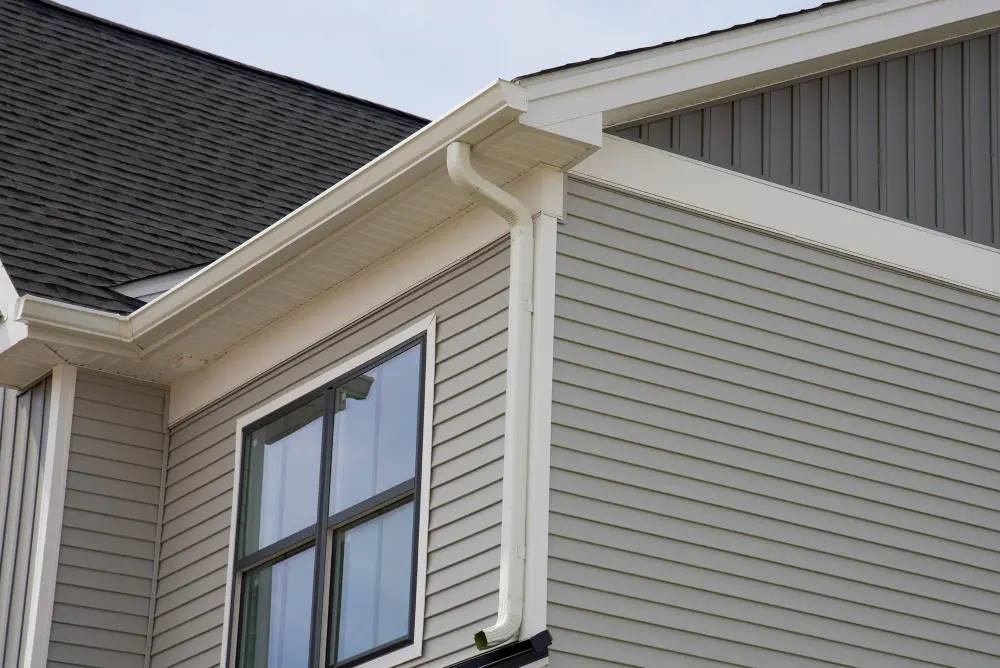
Why is Vinyl Siding is best Siding for Beach house
Weather Resistance
Vinyl siding is non-porous, meaning it resists moisture, which is a critical factor for homes near the coast. Unlike wood, which can rot or warp from water exposure, vinyl siding will not absorb water or swell over time. This makes it ideal for areas that experience heavy rainfall and humidity.
Saltwater Resistant
Vinyl is impervious to saltwater, one of the most corrosive forces in coastal environments. It won’t rust, corrode, or deteriorate from salt exposure, making it an excellent choice for homes near the beach.
Low Maintenance
One of the standout features of vinyl siding is its minimal maintenance requirements. It doesn’t need to be painted and can simply be washed with soap and water to maintain its appearance.
UV Protection
Modern vinyl siding is designed with UV inhibitors that protect it from fading due to sun exposure. Beach house siding benefits from this feature, as it ensures your siding retains its color for years to come.
Cost-Effective
Vinyl siding is one of the most affordable siding options for a Beach house. When compared to other materials like fiber cement or wood, vinyl offers significant savings while still providing strong protection against the elements.
Drawbacks of Vinyl Siding
While vinyl siding has many benefits, it does have some drawbacks. It can become brittle in extreme cold temperatures, which is a concern for homes in northern coastal regions. Additionally, while it’s durable, vinyl siding may be prone to cracking or warping if subjected to very high winds or physical impact.
Fiber Cement Siding: Ultimate Durability and Aesthetic Appeal
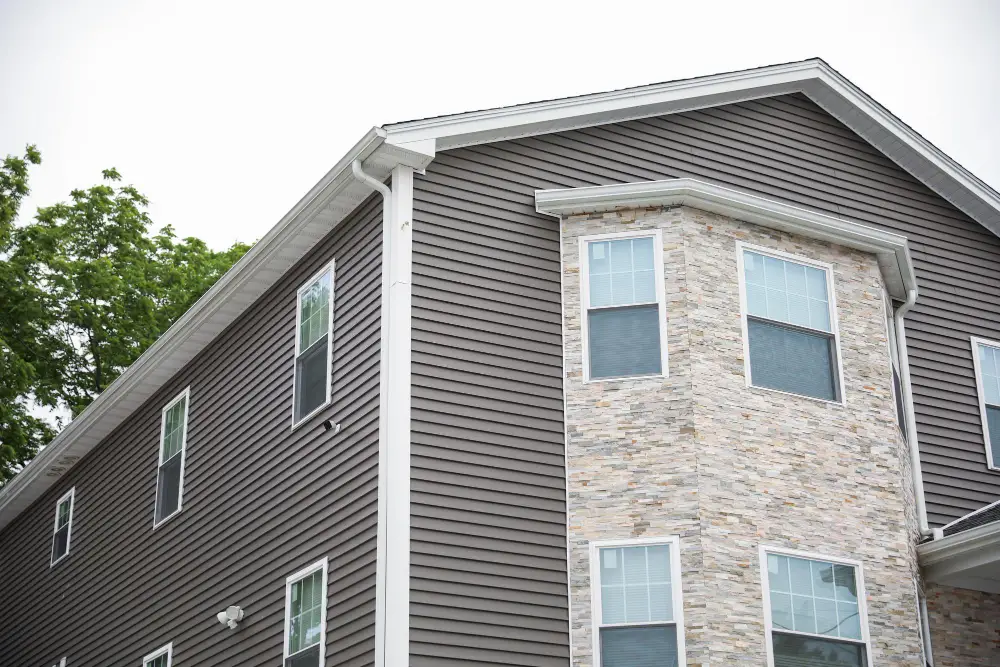
For homeowners looking for a siding material that offers both exceptional durability and an upscale look, fiber cement is a Top Coastal Home Siding option. Made from a combination of cement, sand, and cellulose fibers, fiber cement is incredibly strong and resistant to many of the issues that affect other siding materials in beach environments.
Benefits of Fiber Cement Siding for Beach Houses
Water and Moisture Resistance
Fiber cement siding is highly resistant to moisture and will not rot or warp when exposed to saltwater or humidity. This makes it one of the best beach house siding, especially in areas that experience heavy rainfall.
Salt and Wind Resistant
Unlike wood, fiber cement is not susceptible to corrosion from saltwater. It is also highly resistant to wind damage, making it an ideal option for homes in areas that are prone to hurricanes or tropical storms.
Fire-Resistant
Fiber cement is non-combustible, which is an added benefit for beach areas where wildfires may be a concern. It won’t catch fire if exposed to high temperatures or embers from nearby fires.
Low Maintenance
While fiber cement may require some maintenance, such as periodic painting or sealing, it’s far less demanding than wood siding. It does not need to be replaced frequently, and it maintains its structural integrity over time.
Aesthetic Variety
Fiber cement can be made to mimic the appearance of wood, brick, or stone, giving you flexibility in terms of style. Whether you’re going for a traditional or contemporary look, fiber cement can be customized to match your vision.
Drawbacks of Fiber Cement Siding
The main drawback of fiber cement siding is its installation cost, which is higher than vinyl siding. Additionally, the material is heavy, which can make installation more labor-intensive. However, the added durability and low maintenance make fiber cement a long-term investment that pays off in the long run.
Composite Siding: The Best of Both Worlds
Composite siding is another option that has gained popularity in coastal areas due to its combination of natural and engineered materials. Typically made from a blend of wood fibers, polymers, and resins, composite siding offers the aesthetic appeal of wood without many of the maintenance challenges.
Benefits of Composite Siding for a Beach
Moisture Resistance
Composite siding resists moisture absorption, which is critical for a beach house where humidity and saltwater can quickly cause wood to rot or warp. It’s also less likely to buckle or swell due to water exposure.
Durable and Low Maintenance
Composite materials are engineered to withstand harsh weather conditions, making them a durable option for beach areas. They require minimal maintenance and can last for many years without needing to be replaced.
Aesthetic Appeal
Composite siding can be designed to resemble natural wood, offering a warm, traditional appearance while still providing superior performance. It can be painted to achieve any look you desire, and many manufacturers offer pre-painted options that resist fading.
Environmentally Friendly
Many composite siding materials are made from recycled wood fibers and resins, making them an eco-friendly choice for homeowners who want to reduce their environmental impact.
Drawbacks of Composite Siding
Composite siding can be more expensive than vinyl, though it is generally less costly than fiber cement. The material may also be susceptible to damage from extreme temperatures, particularly in very hot climates.
Beach House Siding Ideas
Choosing the right siding can completely transform the look and feel of your coastal retreat. When it comes to beach house siding ideas, there are options that blend durability with style, from classic wood shingles and cedar clapboard to low-maintenance fiber cement and vinyl. Light, airy colors like soft blues, whites, and sandy neutrals not only reflect the beach vibe but also help protect your home from sun damage.
Incorporating textures, such as board-and-batten or shiplap, adds character while standing up to the coastal elements, making your beach house both beautiful and built to last.
Why Choose Reitzel Roofing & Exteriors for Your Beach House Siding
When it comes to choosing the best siding for a Beach house, Reitzel Roofing & Exteriors stands out as a trusted provider in Virginia Beach, VA. With years of experience in roofing and exterior services, Reitzel Roofing offers expert guidance and top-notch installation to ensure your beach house siding is properly protected from the elements. Whether you’re planning a complete roof replacement or precision tile work?
Expertise and Knowledge
Our team understands the unique challenges that beach environments pose for your home. We specialize in providing the best coastal siding for beach houses, offering expert advice on the most suitable materials for your specific needs. Whether you’re looking for vinyl, fiber cement, or composite siding, we can help you choose the best option that suits both your aesthetic preferences and practical needs.
Quality Products and Installation
At Reitzel Roofing & Exteriors, we only work with the highest quality materials to ensure your home’s siding is built to last. Our professional installation team is experienced in working with a wide range of siding options and ensures your siding is installed securely to withstand beach weather conditions. From preventing moisture buildup to ensuring proper ventilation, we take every detail into account to protect your home.
Local Knowledge
As a local company based in Virginia Beach, we understand the specific needs of homeowners in this region. Our team is familiar with the local climate and the impact of coastal storms, humidity, and saltwater air on building materials. We can provide tailored solutions that ensure your home is both beautiful and resilient in the face of these challenges.
Customer Satisfaction
Our commitment to customer satisfaction is at the core of everything we do. From the initial consultation to post-installation care, we strive to provide the highest level of service. We’re proud of the relationships we’ve built with local homeowners and are dedicated to making sure your siding investment protects your property for years to come.
Join Our Community
Join our community on Facebook and don’t forget to subscribe to us on YouTube for new content each week.
Final Thoughts
Choosing the right & Top Coastal Home Siding Options is crucial to ensuring it stands the test of time against the harsh environmental elements found near the water. Whether you opt for vinyl, fiber cement, or composite siding, it’s important to consider factors like moisture resistance, wind resistance, and UV protection when making your decision. By investing in high-quality, durable siding materials, you can protect your home from saltwater, humidity, and other coastal hazards, while enhancing its curb appeal and overall value.
If you’re ready to explore coastal siding options for your coastal home, contact Reitzel Roofing & Exteriors today. Our team of experts is here to help you choose the best siding material for your coastal property, providing you with the right balance of durability, aesthetic appeal, and long-term protection. With years of experience serving homeowners in Virginia Beach, VA, we understand the unique needs of coastal homes and are committed to delivering the highest quality products and services.
Whether you need new siding installed or you’re looking to replace or upgrade your existing exterior, Reitzel Roofing & Exteriors offers reliable solutions backed by superior craftsmanship. Don’t let the harsh coastal environment compromise the integrity of your home—let us help you make the right choice for your property. Contact us Today to schedule a free consultation, and let’s work together to protect your home with the best siding for a beach house.
FAQs
1. What is the best siding for a beach house?
Vinyl, fiber cement, and composite siding are ideal for coastal homes due to their durability, moisture resistance, and low maintenance.
2. Why is coastal siding important?
Beach environments expose homes to salt, wind, humidity, and UV rays, which can damage regular siding. Coastal siding protects your investment and prolongs your home’s lifespan.
3. Best siding option for coastal climates?
Fiber cement and vinyl are top choices—they resist moisture, wind, and salt damage while staying low-maintenance.
4. What’s the best lap siding for humid or coastal climates?
Fiber cement and PVC lap siding handle humidity well, resist rot, and endure salty coastal air without warping.
5. Which shingle siding offers the best value for coastal homes?
Engineered cedar shingles balance cost, durability, and coastal resistance, making them a great value for seaside homes.