A roof can have beautiful shingles, clean gutters, and plenty of life left in it, yet still develop a frustrating leak because of one small detail most home buyers never think to inspect: the flashing.
For anyone buying a home in Virginia Beach, that detail deserves much more attention. Between coastal wind, heavy rain, humidity, and seasonal storms, water does not need a large opening to create a costly problem. It only needs one vulnerable transition around a chimney, vent, skylight, valley, or wall.
That is why understanding roof flashing Virginia Beach homeowners depend on can make a major difference before you close on a property. Flashing may represent only a small portion of the roofing system, but when it fails, moisture can reach roof decking, insulation, ceilings, walls, and structural framing before the damage becomes obvious inside.
What Is Roof Flashing, Exactly?
Roof flashing is a thin, water-resistant material installed in areas where the roof changes direction, meets another surface, or has an opening.
Think of your shingles as the broad shield covering most of your roof. Flashing protects the seams, joints, edges, and penetrations where water has a greater opportunity to work its way underneath that shield.
You’ll commonly find flashing around:
- Chimneys
- Skylights
- Plumbing vents
- Roof valleys
- Dormers
- Roof-to-wall intersections
- Eaves and edges
- Certain HVAC or exhaust penetrations
Metal such as galvanized steel or aluminum is commonly used, although the exact flashing material and design depend on the roof system and location.
A quality roof flashing Virginia Beach installation is designed to direct rainwater away from vulnerable transitions and toward the roof’s drainage system rather than allowing moisture beneath the roofing materials.
It sounds simple, but this small component carries a tremendous amount of responsibility.
Why Flashing Matters Even More in Virginia Beach
Living near the coast changes what your home’s exterior has to endure.
Virginia Beach homes can experience strong winds, wind-driven rain, humid conditions, and severe storms. Instead of rain simply falling vertically onto a roof and flowing into the gutters, strong winds can push water toward roof-to-wall joints and other vulnerable areas.
That makes installation details especially important.
Virginia’s building regulations specifically recognize the role of flashing in preventing water intrusion. The Virginia Maintenance Code states that roofs and flashing should remain sound, tight, and free from defects that admit rain, while roof drainage must be adequate to prevent dampness and deterioration inside the structure.
For someone shopping for a home, that is an important reminder: shingles are only one part of a properly functioning roofing system.
The condition of roof flashing Virginia Beach properties rely on deserves attention during your roof inspection, particularly if the house is older, has undergone previous repairs, or has a complicated roofline.
Where Is Roof Flashing Most Important?
Not all parts of your roof face the same risk of water intrusion. Flat, uninterrupted sections are relatively straightforward because shingles are layered to move water downward.
Problems become more likely wherever that natural flow is interrupted.
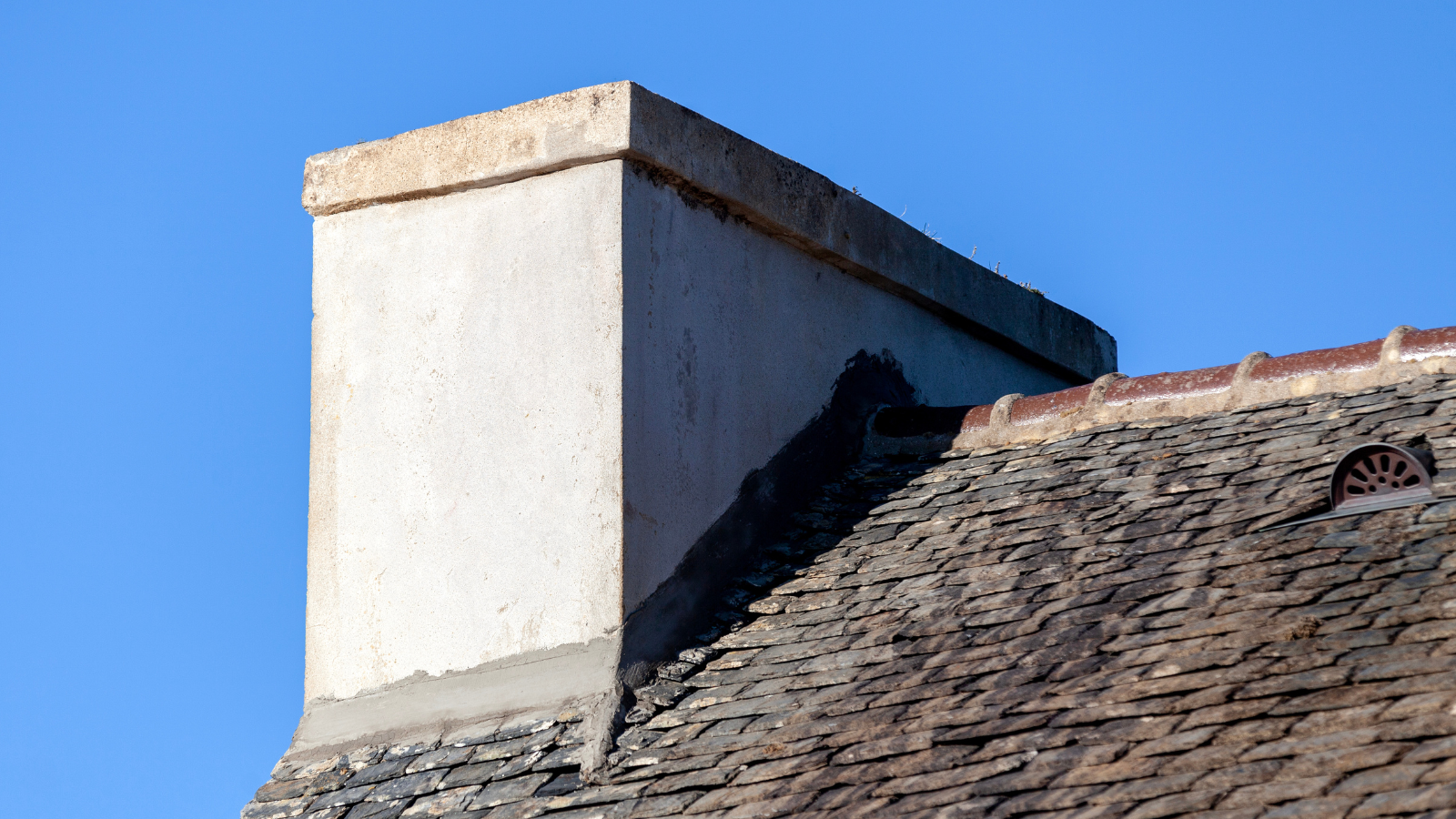
Chimney Flashing
A chimney creates a large opening through the roofing system. Flashing is installed where the chimney meets the roof to prevent rainwater from entering the joint.
Depending on the design, this system may incorporate step flashing, counter flashing, and a cricket or saddle behind larger chimneys.
If chimney flashing separates, corrodes, or was poorly installed, water can travel behind it and enter the home.
A ceiling stain near a fireplace does not automatically mean the shingles are failing. The real problem may be the flashing surrounding the chimney.
Step Flashing
Step flashing is commonly used where a sloped roof meets a vertical wall. Individual pieces overlap in a stepped pattern alongside the shingles, helping guide water down the roof.
When installed correctly, each piece works with the shingle course below it.
If pieces are missing, damaged, reused improperly, or poorly integrated with the wall system, water may reach the roof deck or wall assembly.
The National Roofing Contractors Association specifically identifies flashing at asphalt-shingle and sidewall intersections as an important roof-leak-prevention detail.
Valley Flashing
Roof valleys are where two sloping roof sections meet.
Because rainwater from two sections of the roof is directed into one channel, valleys can handle a substantial amount of runoff during Virginia Beach downpours.
Depending on the roofing system, valleys may use metal flashing or another approved valley installation method. Damage, debris buildup, improper installation, or corrosion in this area can quickly create water problems.
Vent and Pipe Flashing
Every pipe or vent passing through your roof creates a penetration that must be properly sealed.
Boot flashing is commonly installed around plumbing vent pipes. Over time, rubber components can deteriorate, metal can corrode, or seals can fail.
A small opening around a plumbing vent may not look dramatic, but it can allow water to drip into the attic every time it rains.
Skylight Flashing
Skylights can bring beautiful natural light into a home, but they also create another transition where the roofing system must carefully manage water.
Proper flashing directs rain around the skylight instead of allowing it beneath the frame. If you’re considering buying a Virginia Beach home with skylights, make sure the surrounding flashing is part of the roof inspection.
Roof Flashing Problems Home Buyers Should Watch For
You do not need to climb onto the roof yourself to recognize that something may be wrong.
Several warning signs can suggest flashing or another roof component needs professional attention:
- Water stains near chimneys or exterior walls
- Ceiling discoloration after heavy rain
- Rust or corrosion on visible metal
- Loose or bent flashing
- Missing flashing sections
- Cracked sealant around roof penetrations
- Damp insulation in the attic
- Peeling paint near roof-to-wall intersections
- Recurring leaks that previous repairs did not solve
One of the most important things to understand about roof flashing Virginia Beach homes have installed is that failure does not always produce an immediate, obvious leak.
Water can travel along decking, rafters, or framing before finally appearing on a ceiling. The location of an interior stain may therefore be several feet away from the actual entry point.
That is why simply painting over a stain or adding caulk where the leak appears to be located may not solve the underlying problem.
Roof Flashing Types and Their Jobs
| Flashing Type | Where It’s Commonly Used | What It Protects | Common Warning Signs |
| Step flashing | Roof-to-wall intersections | Prevents water entering between roof and vertical walls | Missing pieces, lifting, improper overlap |
| Chimney flashing | Around chimneys | Seals the roof and chimney transition | Rust, gaps, loose counter flashing |
| Valley flashing | Roof valleys | Channels concentrated runoff | Corrosion, debris, damaged metal |
| Vent pipe flashing | Plumbing and exhaust penetrations | Seals openings around pipes | Cracked boots, gaps, deteriorated seals |
| Skylight flashing | Around skylights | Directs water around the frame | Interior staining, gaps, damaged components |
| Drip edge | Roof perimeter | Helps direct runoff away from roof edges | Bending, corrosion, improper placement |
Understanding the differences helps home buyers realize why a roofing inspection needs to examine more than the condition of the shingles.
The Expensive Chain Reaction a Small Flashing Failure Can Create
Here is what makes flashing problems particularly frustrating: the defective component itself may be relatively small, while the resulting damage can become extensive.
Imagine a tiny gap developing near a roof-to-wall intersection.
During the first storm, only a small amount of water enters. Nothing appears inside the house.
Then it happens again.
And again.
Eventually, the roof decking begins absorbing moisture. Insulation becomes damp. Wood remains wet longer than it should. Interior drywall may finally develop a brown stain.
What started as a localized flashing problem has now become a roof, attic, insulation, and interior repair.
For home buyers, evaluating roof flashing Virginia Beach properties in place can therefore help identify potentially expensive issues before ownership changes hands.
Why Caulk Is Not a Substitute for Proper Flashing
One of the biggest red flags during an inspection is seeing excessive sealant applied around a problem area.
Roofing sealants certainly have legitimate uses, but caulk should not be expected to compensate indefinitely for missing, damaged, or incorrectly installed flashing.
Sealants age.
They can crack, separate, shrink, or lose adhesion as temperatures and roofing materials change.
Proper flashing uses overlapping materials and water-shedding principles to direct water away from vulnerable areas. It is part of the roofing system rather than merely a patch applied over a gap.
If you’re looking at a home where flashing areas appear heavily coated in old roofing cement or layers of sealant, ask why those repairs were needed and whether the underlying flashing was properly evaluated.
What Causes Roof Flashing to Fail?
Even correctly installed flashing can eventually develop problems.
Age and Weather Exposure
Years of sun, rain, temperature changes, and coastal weather can gradually deteriorate roofing components.
Metal may corrode. Sealants may crack. Fasteners may loosen.
Poor Installation
Flashing has to be integrated correctly with shingles, underlayment, siding, and other surrounding materials.
A piece of metal simply placed over a joint is not necessarily proper flashing.
The details matter.
Previous Roof Repairs
A previous contractor may have reused damaged flashing during a reroofing project or relied too heavily on sealant.
This is one reason home buyers should ask about the roof’s installation and repair history when possible.
Storm Damage
Strong winds can loosen roofing materials and expose vulnerable transitions. Flying debris can also damage flashing or nearby shingles.
Virginia’s current building-code framework includes wind-design requirements for roof coverings and other exterior components, reinforcing how important wind resistance is to roof performance.
Corrosion
Coastal conditions make material selection and installation especially important. Once flashing begins to deteriorate, small holes or weakened areas can compromise its ability to redirect water.
Why Home Buyers Should Have Flashing Inspected Before Closing
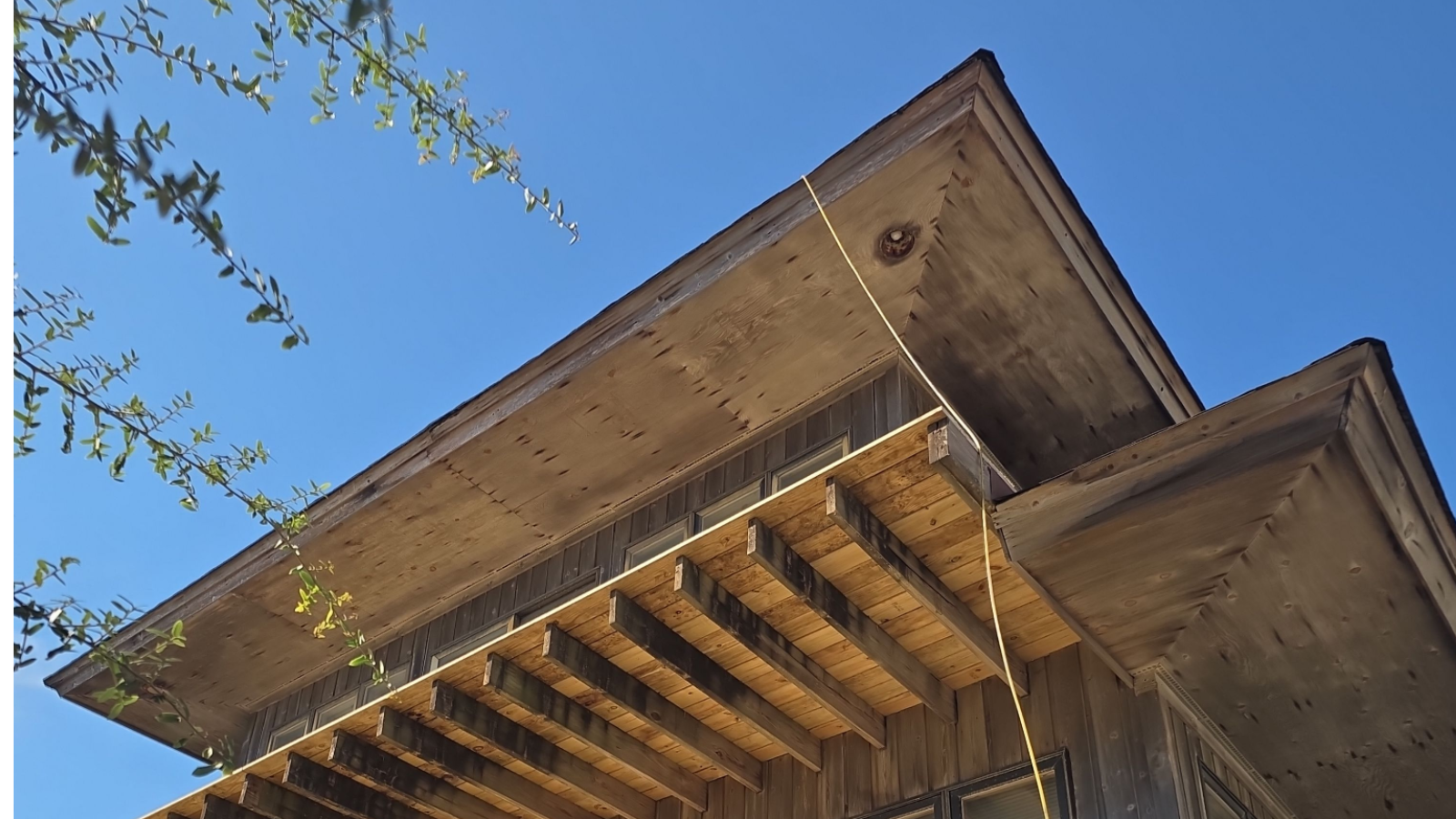
When you are already paying for inspections, appraisals, closing costs, and moving expenses, it is tempting to assume a roof that “looks okay” does not need additional attention.
That assumption can become expensive.
If you’re considering an older home, a property with a complicated roof, or a house that has experienced previous storm damage, having the roofing system professionally evaluated can provide valuable information before closing.
A roof flashing Virginia Beach inspection should look closely at chimneys, valleys, vents, skylights, wall intersections, and other penetrations.
The goal is not to scare you away from a home because one component needs repair. It is to give you enough information to understand what you’re buying.
If a localized flashing repair is needed, you can plan for it.
If there is evidence that water has already damaged the roof deck or interior, you can investigate further before making one of the largest financial commitments of your life.
Can Flashing Be Repaired Without Replacing the Entire Roof?
Often, yes.
A flashing issue does not automatically mean you need a new roof.
If the surrounding shingles, roof deck, and other roofing components remain in good condition, a qualified roofer may be able to remove the affected materials, replace or repair the flashing, and correctly integrate everything back into the roof system.
However, the decision becomes more complicated when:
- The roof is approaching the end of its service life
- Multiple flashing locations are failing
- Water has damaged the decking
- Shingles are brittle or deteriorated
- Previous repairs were poorly completed
- The roof has widespread storm damage
This is why professional diagnosis matters.
At Reitzel Roofing & Exteriors, we want homeowners to understand the difference between a repairable problem and a roofing system that is showing broader signs of failure.
Why Flashing Deserves Attention During Roof Replacement
If you’re replacing an aging roof after buying a home, do not focus only on shingle color and manufacturer warranties.
Ask about the flashing.
A professional roof replacement should address critical transitions and penetrations rather than simply cover them with new roofing material.
Virginia’s current regulations require materials and methods used for reroofing and roof repairs to comply with applicable roof-assembly requirements.
For roof flashing Virginia Beach installations, careful workmanship is particularly valuable because the system must manage both ordinary rainfall and the wind-driven rain that can accompany coastal storms.
Repair vs. Replacement: What Should You Expect?
| Roof Condition | Possible Approach | Why |
| One localized flashing defect | Targeted repair may be appropriate | Limits work to the affected transition |
| Cracked vent boot on otherwise healthy roof | Replace flashing/boot | Addresses the penetration without unnecessary reroofing |
| Chimney flashing repeatedly leaking | Detailed flashing evaluation and repair | Recurring leaks may indicate improper integration |
| Multiple failing flashing areas on an old roof | Consider broader roof evaluation | Problems may reflect overall roof age |
| Flashing failure with rotten decking | Repair damaged structure and flashing | Covering the problem will not stop deterioration |
| Extensive roof and flashing deterioration | Roof replacement may be more practical | Addresses the roofing system as a whole |
The right solution depends on what an inspection reveals, not simply the age of the house.
What Should You Ask About Flashing During a Home Purchase?
When you’re reviewing a home inspection or speaking with a roofing contractor, ask direct questions.
Has the chimney flashing been inspected?
Are there signs of previous leaks around skylights or vents?
Is there evidence of repeated caulking?
Does the attic show moisture staining?
Were flashing components replaced during the last roof replacement?
Has the property experienced recent storm damage?
These questions can reveal much more than asking whether the roof is simply “good” or “bad.”
A professional assessment of roof flashing Virginia Beach homes should explain where the vulnerable areas are, whether there is evidence of active leakage, and whether repair is recommended.
The Attic Can Tell Part of the Story
A good roofing evaluation does not always stop at the exterior.
When accessible, the attic can provide important clues about previous or ongoing water intrusion.
A roofer may look for:
- Dark staining on decking
- Damp insulation
- Water trails
- Rusted fasteners
- Mold-like growth
- Daylight through unexpected openings
- Signs of repeated repairs
An attic stain does not automatically prove that flashing is currently leaking. It could be evidence of an older problem that has already been corrected.
But it does tell you where further investigation may be worthwhile.
For a home buyer, that context is valuable.
Flashing and Your Home’s Long-Term Value
Most buyers notice kitchens, flooring, siding, landscaping, and fresh paint before they ever think about flashing.
Yet a beautifully renovated interior can still be damaged by a poorly protected roof penetration.
Taking care of flashing contributes to the bigger picture: maintaining a watertight roofing system and protecting the structure underneath it.
When roof flashing Virginia Beach homeowners rely on is installed and maintained correctly, it helps preserve roof decking, attic insulation, interior finishes, and other parts of the home that are far more expensive to repair after prolonged moisture exposure.
That makes flashing maintenance less about a small strip of metal and more about protecting the investment beneath it.
Why Local Roofing Experience Matters
Virginia Beach roofing is not exactly the same as roofing in a dry inland climate.
Local homes experience coastal moisture, storms, strong winds, humid summers, and periods of wind-driven rain. Contractors familiar with the area understand why roof transitions deserve careful attention.
At Reitzel Roofing & Exteriors, we approach roofing as a complete system.
That means looking beyond the obvious missing shingle and examining the areas where leaks frequently begin, including flashing, valleys, vents, roof-to-wall transitions, and penetrations.
If you’re purchasing a home and have questions about roof flashing Virginia Beach, getting answers before closing can help you understand whether you’re dealing with routine maintenance, a repair that should be addressed soon, or evidence of a larger roofing concern.
The Small Detail That Can Make a Big Difference
When you look at a roof from the driveway, flashing probably is not the first thing that catches your eye.
But some of the most important parts of a home are the ones designed to quietly do their job without being noticed.
Roof flashing protects the vulnerable places where water is most likely to find a way inside. Around chimneys, vents, skylights, valleys, and wall intersections, correctly installed flashing helps turn potentially troublesome openings into properly managed parts of the roofing system.
For Virginia Beach homeowners and buyers, that protection matters even more when coastal winds and heavy rain put the exterior to the test.
If you’re considering purchasing a home, noticing a ceiling stain, or simply unsure about the condition of an aging roof, don’t wait for the next hard rain to give you the answer.
FAQS
1: How do I know if the flashing on a Virginia Beach home is failing?
A: Some flashing problems are visible from the exterior, such as rust, bent metal, loose sections, cracked sealant, or obvious gaps around a chimney or vent, but others are much harder to spot without a professional inspection. Inside the home, watch for ceiling stains near chimneys, skylights, or exterior walls, damp attic insulation, peeling paint, or water marks on roof decking. Here in Virginia Beach, wind-driven rain can expose small weaknesses that may remain unnoticed during calmer weather, so recurring moisture after storms deserves attention. A professional evaluation of roof flashing Virginia Beach homes use can identify whether the issue is limited to flashing or connected to a larger roofing problem.
2: Does damaged roof flashing mean I need a complete roof replacement?
A: Not necessarily. If your shingles and roof deck are still in good condition and the flashing problem is isolated, a targeted repair may be all that’s needed. For example, a deteriorated vent boot or localized chimney flashing issue can sometimes be corrected without replacing the entire roofing system. However, if you’re buying an older Virginia Beach home with brittle shingles, multiple leaking transitions, damaged decking, or repeated patchwork repairs, it may make more financial sense to evaluate the roof as a whole. The important thing is to diagnose the source correctly instead of assuming either a small patch or a complete replacement is automatically the answer.
3: How often should roof flashing be inspected in Virginia Beach?
A: There is no single inspection interval that fits every home, but flashing should be checked as part of routine roof inspections and after significant storms when damage is suspected. Virginia Beach homes can experience heavy rain and strong coastal winds, so paying particular attention to chimneys, skylights, vents, valleys, and roof-to-wall intersections is worthwhile. If you’re purchasing a home, an inspection before closing is especially valuable because you may not know how well the roof was maintained by previous owners. Catching a loose flashing section or deteriorated seal early can be much easier than repairing roof decking and interior water damage later.
4: Can I just seal leaking flashing with a roofing caulk?
A: Sealant can be useful in certain roofing details, but applying caulk over a leak is not automatically a permanent flashing repair. If the metal is corroded, improperly overlapped, missing, or incorrectly integrated with the shingles or wall, covering the area with more sealant may only hide the problem temporarily. Virginia Beach weather can be demanding on exterior materials, and repeated heat, moisture, wind, and rain can eventually cause temporary patches to fail. A roofer should determine why water is getting in first, then repair the roof flashing Virginia Beach property owners depend on using the appropriate materials and installation method for that specific transition.
5: Why should I have a flashing inspection before buying a Virginia Beach home?
A: Because flashing problems can be small on the outside while causing much larger damage underneath. A home may have attractive shingles and no obvious ceiling leak, yet deteriorated chimney flashing, vent boots, or roof-to-wall flashing could already be allowing moisture into concealed areas. For Virginia Beach home buyers, having these details checked can reveal repairs you may need to budget for and help you ask better questions before closing. It also gives you a clearer understanding of whether the roof needs routine maintenance, a localized repair, or a more comprehensive solution. That information can help you move forward with the purchase with fewer roofing surprises.