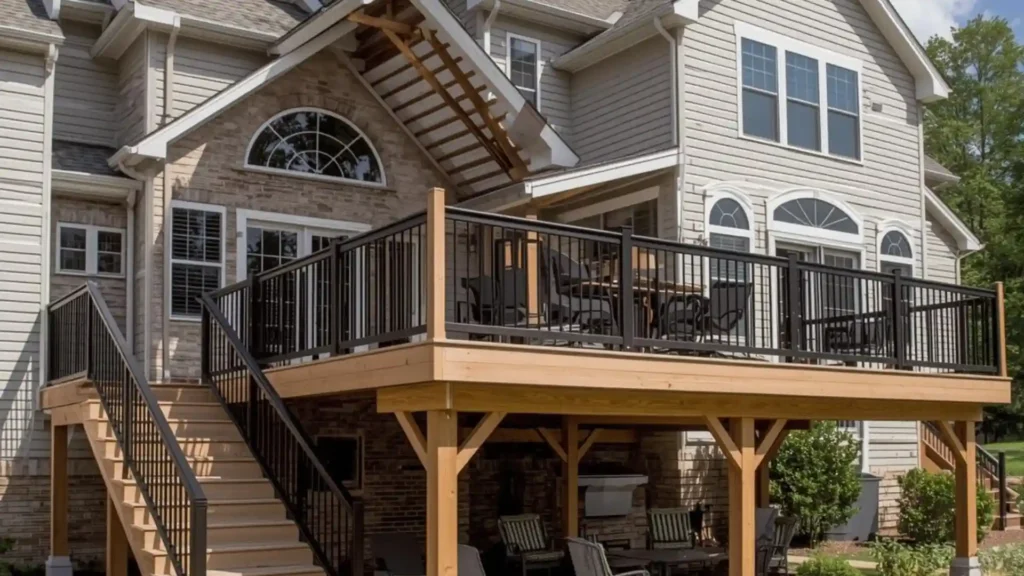
Building a deck is one of the smartest upgrades you can make to your home. It adds outdoor living space, boosts curb appeal, and increases property value. But before design and layout come into play, one decision matters most: choosing the Deck building contractors use. The right material affects cost, durability, maintenance, and how your deck looks years from now.
In this guide, we’ll break down the most popular decking materials, compare their pros and cons, and help you choose the best option for your lifestyle and budget.
Why Choose Professional Deck Building Contractors
Deck material is not just about appearance. It determines how long your deck lasts, how much work it needs, and how well it performs in your local climate.
Choosing the wrong material can lead to frequent repairs, higher maintenance costs, early replacement, and problems such as fading, warping, or cracking. Selecting the deck building contractors use helps ensure long-term value, comfort, and peace of mind.
Most deck materials fall into three major categories: pressure-treated wood, composite decking, and PVC or vinyl decking. In addition, there are premium natural wood options for homeowners who prefer a classic look.
Pressure-Treated Wood: The Budget-Friendly Classic
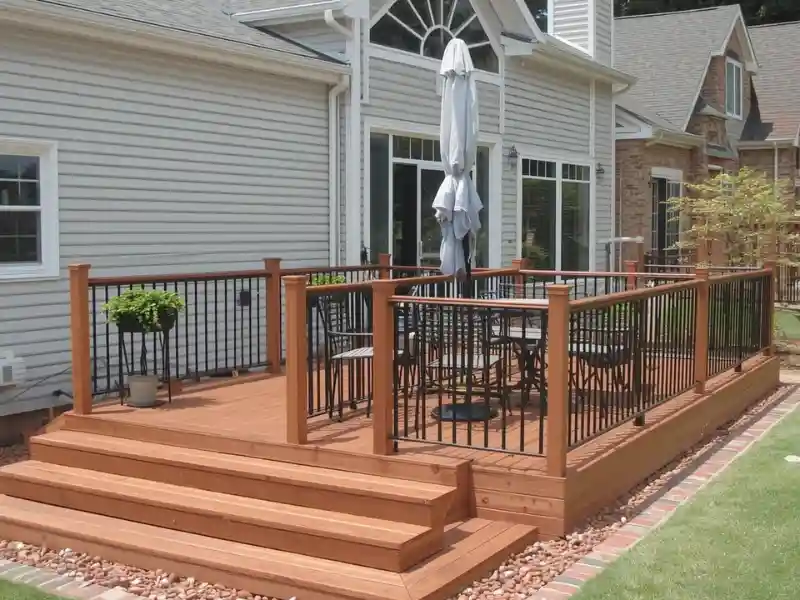
Pressure-treated wood remains one of the most common decking materials, especially for first-time homeowners. It is popular mainly because of its lower upfront cost and wide availability.
This material offers affordability and ease of installation, but it also comes with drawbacks. Pressure-treated wood requires regular upkeep and is more likely to warp, crack, or splinter over time. Compared to modern materials, it generally has a shorter lifespan.
From a cost perspective, pressure-treated wood is the least expensive option initially. However, long-term expenses increase due to the need for sealing, staining, and occasional board replacement.
Maintenance is an ongoing requirement. Homeowners need to clean the deck regularly, reseal or stain it every one to two years, and repair damaged sections as needed to keep it safe and visually appealing.
This option works best for homeowners who are working within a tight budget, do not mind routine maintenance, and may not plan to keep the deck for decades.
Composite Decking: The Low-Maintenance Winner
Composite decking has become one of the best deck materials for home projects because it offers a strong balance between durability and low maintenance.
Composite decking is made from a mixture of recycled wood fibers and plastic. This combination creates boards that resemble natural wood while avoiding many of the issues associated with traditional lumber.
There are two main types of composite decking: capped and uncapped. Capped composite boards include a protective outer layer that improves resistance to stains, moisture, and fading. Uncapped options are usually more affordable but may wear faster. For most homeowners, capped composite provides better long-term performance.
Although composite decking costs more upfront than pressure-treated wood, it delivers strong long-term value. Homeowners save money over time by avoiding staining, sealing, and frequent repairs.
Another advantage is environmental impact. Many composite decking products use recycled materials, making them an eco-friendly choice for modern homes.
PVC/Vinyl Decking: The Premium Choice
PVC or vinyl decking is considered a premium decking option for homeowners who want maximum durability with minimal maintenance.
Unlike composite decking, PVC contains no wood fibers at all. This makes it fully resistant to moisture, insects, and rot, which greatly extends its lifespan.
PVC decking performs exceptionally well in challenging environments. It handles high humidity, heavy rainfall, and extreme temperature changes without warping or deteriorating. For homes in harsh climates, it is often one of the deck building contractors use.
Color and fade resistance is another major advantages. High-quality PVC decking maintains its appearance for many years and resists stains better than most alternatives.
This material is worth the investment for homeowners who want the longest-lasting deck possible, prefer near-zero maintenance, and plan to stay in their home for the long term.
Premium Wood Options (Cedar, Redwood, Exotic Hardwoods)
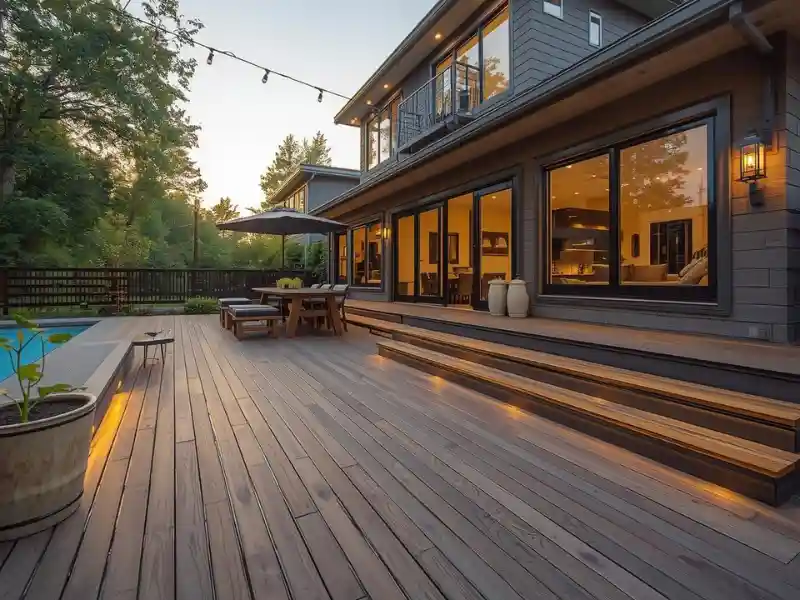
Premium natural wood decks are known for their unmatched beauty and timeless appearance.
Cedar, redwood, and exotic hardwoods such as ipe offer rich colors, distinctive grain patterns, and a natural warmth that synthetic materials cannot fully replicate. These qualities make them attractive to homeowners who value aesthetics.
However, maintenance is still required. These woods need regular sealing or oiling to protect against moisture and sun damage. Without proper care, they can weather and lose their appearance over time.
Sustainability is another consideration. Choosing responsibly sourced or certified wood helps reduce environmental impact. While premium wood can be one of the deck building contractor’s design appeal, it requires commitment to ongoing care.
How to Choose the Best Deck Materials for Your Home
Selecting the right decking material depends on several key factors, and there is no one-size-fits-all solution.
Budget plays a major role, including both initial cost and long-term expenses. Pressure-treated wood offers the lowest upfront cost, composite decking provides strong long-term value, and PVC or exotic hardwoods represent a higher investment.
Climate should also influence your decision. Composite and PVC decking perform better in wet or humid environments, while natural wood can work well in dry, mild climates if properly maintained.
Maintenance preferences matter as well. Homeowners who want minimal upkeep usually prefer PVC or composite, while those willing to perform regular maintenance may enjoy the look of natural wood.
Aesthetic goals should not be overlooked. Composite and PVC provide a clean, modern appearance, while cedar and hardwoods offer a traditional, natural look.
Considering these factors together will help you confidently select the deck building contractors for improvement projects.
Final Thought
If you’re still unsure which decking option fits your home best, our team is here to help. We can walk you through material choices, costs, and long-term maintenance based on your budget, climate, and design goals. Contact us today to discuss your deck project or to schedule a consultation so you can move forward with confidence and build a deck you’ll enjoy for years to come.
Join Our Community
Join our community on Facebook, and don’t forget to subscribe to us on YouTube for new content each week.
FAQs
1: What are the best deck materials for home use?
Top options include pressure-treated wood, composite decking, and PVC/vinyl, each with pros, cons, and performance differences.
2: Is composite decking worth it?
Yes, composite decking offers low maintenance, long lifespan, and strong weather resistance for most climates.
3: How long does PVC decking last?
PVC decking can last decades with minimal upkeep, making it ideal for homes in extreme weather.
4: Are natural wood decks durable?
Premium woods like cedar, redwood, and hardwoods can be durable if sealed and maintained properly.
5: What should I consider when choosing deck materials?
Consider budget, climate, maintenance needs, durability, and aesthetic goals before choosing.