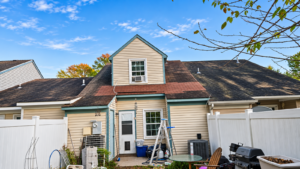
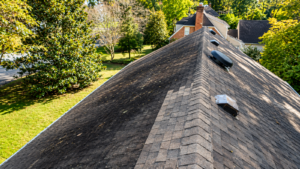
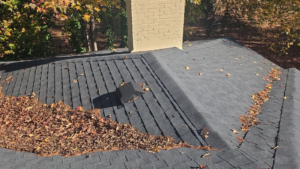
The best shingles for coastal Virginia are architectural asphalt shingles with the top wind classifications, ASTM D3161 Class F and ASTM D7158 Class H, installed exactly to the manufacturer’s specifications. The shingle matters, but so does the install, because a hard blow tests every nail, seal and edge on the roof.
That means the label on the bundle only tells half the story. If you’re planning a roof replacement in Virginia Beach, Norfolk, Chesapeake, Portsmouth or Suffolk, this guide shows how to read the ratings and what to ask before you sign anything.
What Makes the Best Shingles for Coastal Virginia Hold Up in Wind
Three things decide how a roof handles a hard blow: the shingle’s wind rating, how well each shingle is sealed down, and how it was nailed. A great shingle installed badly will lift. A decent shingle installed well will often outlast it.
Atlantic hurricane season runs June 1 through November 30, according to NOAA. Your roof only has to fail in one spot for water to get in, so we look for shingles and an install that leave no weak spots.
Wind Ratings Explained in Plain English
Wind rated shingles are tested to one of two standards. Owens Corning publishes the classes this way.
| Standard | Class | Result |
| ASTM D3161 (fan test) | Class A | Passed testing at 60 mph |
| ASTM D3161 (fan test) | Class D | Passed testing at 90 mph |
| ASTM D3161 (fan test) | Class F | Passed testing at 110 mph |
| ASTM D7158 (uplift test) | Class D | Resists uplift up to 90 mph |
| ASTM D7158 (uplift test) | Class G | Resists uplift up to 120 mph |
| ASTM D7158 (uplift test) | Class H | Resists uplift up to 150 mph |
Two cautions. First, ASTM D7158 is the test method for wind resistance of sealed asphalt shingles, so the rating assumes the shingle has sealed down. Owens Corning notes that older roofs can develop spots where the sealant bond has failed. Second, these are test results on shingles, not promises about your roof. Owens Corning says warranted wind coverage varies by product and points homeowners to the warranty details and installation guide.
Owens Corning also notes that asphalt shingles on the market generally all carry the same classifications, ASTM D3161 Class F and ASTM D7158 Class H. So the rating alone won’t separate one product from another. The install will.
Why Architectural Shingles Are the Starting Point
Architectural shingles are built from two bonded layers with a thicker, textured look. In our experience they have largely replaced three-tab shingles on new roofs. When homeowners ask us for the best shingles for coastal Virginia, we start here.
If you have an older three-tab roof, you’ll often see it show age first at the edges. When you compare replacement quotes, ask for architectural shingles with the top wind classifications listed above. That’s the baseline for the high wind shingles Virginia Beach homeowners should expect on a new roof.
Why Installation Decides Whether Your Shingles Perform
In our experience, wind puts the most stress on edges, ridges and hips, so those are the areas we watch closest. Owens Corning names these installation factors as affecting wind resistance.
- Nailing method, fastener quality and strength, and the temperature at installation.
- Starter strips. A lack of starter strip shingles increases susceptibility to wind.
- Alignment and nail placement. Misaligned shingles and incorrect nail placement do the same.
- Flashing. Poorly sealed flashing is another weak point.
One more point is our own recommendation, not an Owens Corning requirement. For homes near the water, ask your contractor which fasteners and flashing they use and whether they are corrosion resistant.
The manufacturer’s installation guide spells out how shingles must go on. Starter strips, nailing and edge metal should all follow those specifications, and any contractor you hire should be willing to say so in writing.
What to Ask Before You Choose a Roof
Use this checklist when you compare estimates, so you’re pricing the best shingles for coastal Virginia and not just the cheapest bundle.
- Which shingle line and color are you quoting? Get the exact product name.
- What wind classifications does it carry? Look for ASTM D3161 Class F and ASTM D7158 Class H.
- What does the warranty say about wind, and what installation steps does it require? Ask for warranty details in the written estimate.
- How will the edges, ridges and hips be handled? Wind stresses these areas most.
- What fasteners and flashing will you use? This matters most closer to salt water.
- Who pulls the permit? The City of Virginia Beach lists roofing or siding replacements among the work that needs a building permit. Confirm the rules for your own city if you live in Norfolk, Chesapeake, Portsmouth or Suffolk, and check with your HOA if you have one.
We’re a locally owned company with an office on Virginia Beach Boulevard, serving homeowners since 2004, and we’re listed on owenscorning.com as an Owens Corning Platinum Preferred Contractor. Most of our work is on the Southside. The cost of a replacement depends on roof size, pitch, number of layers, materials, decking condition, ventilation and access, so the real figure comes from an inspection, not an online average. We’ll walk through all six questions with you and tell you which option we’d choose for your home.
How Your Current Roof Is Holding Up
You don’t have to wait for a storm to find out. After high wind, walk the yard and look up from the ground. Don’t climb up. Here’s what to watch for.
- Shingles that are lifted, creased or missing, especially along the edges and ridge
- Shingle pieces in the yard or gutters
- Fresh stains on a ceiling or in the attic after the storm
Owens Corning notes that slightly raised shingle edges may mean the seals have been broken, and that aging roofs can develop spots where the sealant bond has failed.
If you see any of that, a free inspection will tell you whether a repair covers it or the roof is nearing replacement. We’ll give you the real number, with no obligation.
Shingle and Wind Questions Homeowners Ask
What is the best shingle for high winds?
The best shingles for coastal Virginia are architectural asphalt shingles with ASTM D3161 Class F and ASTM D7158 Class H ratings, installed by a contractor who follows the manufacturer’s specifications. Owens Corning notes that shingles on the market generally carry those ratings, so installation quality is what separates a roof that holds from one that doesn’t.
Are architectural shingles better than three-tab in wind?
Architectural shingles are thicker and built from two bonded layers. We recommend them as the starting point for wind. The nailing, starter strips and edge details still decide how any roof performs.
What does a Class F rating mean?
Class F is the ASTM D3161 rating for shingles that passed testing at 110 mph. It’s a lab result, not a guarantee for your roof. Check the product’s warranty and installation requirements for the actual wind coverage.
Do I need a permit to replace my roof in Virginia Beach?
The City of Virginia Beach lists roofing or siding replacements among the work that needs a building permit. For repairs, or if you live in another city, call your local permits office to confirm.
Get the Right Roof for Our Wind
The best shingles for coastal Virginia are wind rated, architectural and installed to spec, and a free inspection is the quickest way to see what your roof needs. Reitzel Roofing and Exteriors will look at your roof, explain your options plainly, and give you a real estimate.
Call 757-513-7053 to schedule your free inspection or estimate.