Most homeowners can point out a missing shingle from the driveway, but ask them where their roof valley is, and you’ll usually get a blank stare. So here’s a question worth sitting with for a second: when was the last time anyone actually looked at the spot on your roof where two slopes meet? If the answer is “never,” you’re not alone, and that’s exactly the problem. Roof valleys Virginia Beach homeowners tend to overlook are quietly one of the most important, and most vulnerable, parts of the entire roofing system.
At Reitzel Roofing and Exteriors, when we inspect a roof, the valley is one of the very first places we check, and for good reason. It’s where water concentrates, where debris collects, and where a small installation flaw can turn into a serious leak years down the road. This guide walks through everything we look for during that check, translated into plain language, so you can understand what’s actually happening at that spot on your own roof even before a professional ever climbs up there. Most homeowners simply haven’t had a reason to think about this part of their home before, which is exactly why so many valley issues go unnoticed until a stain shows up on a ceiling.
What a Roof Valley Actually Is, and Why It Matters
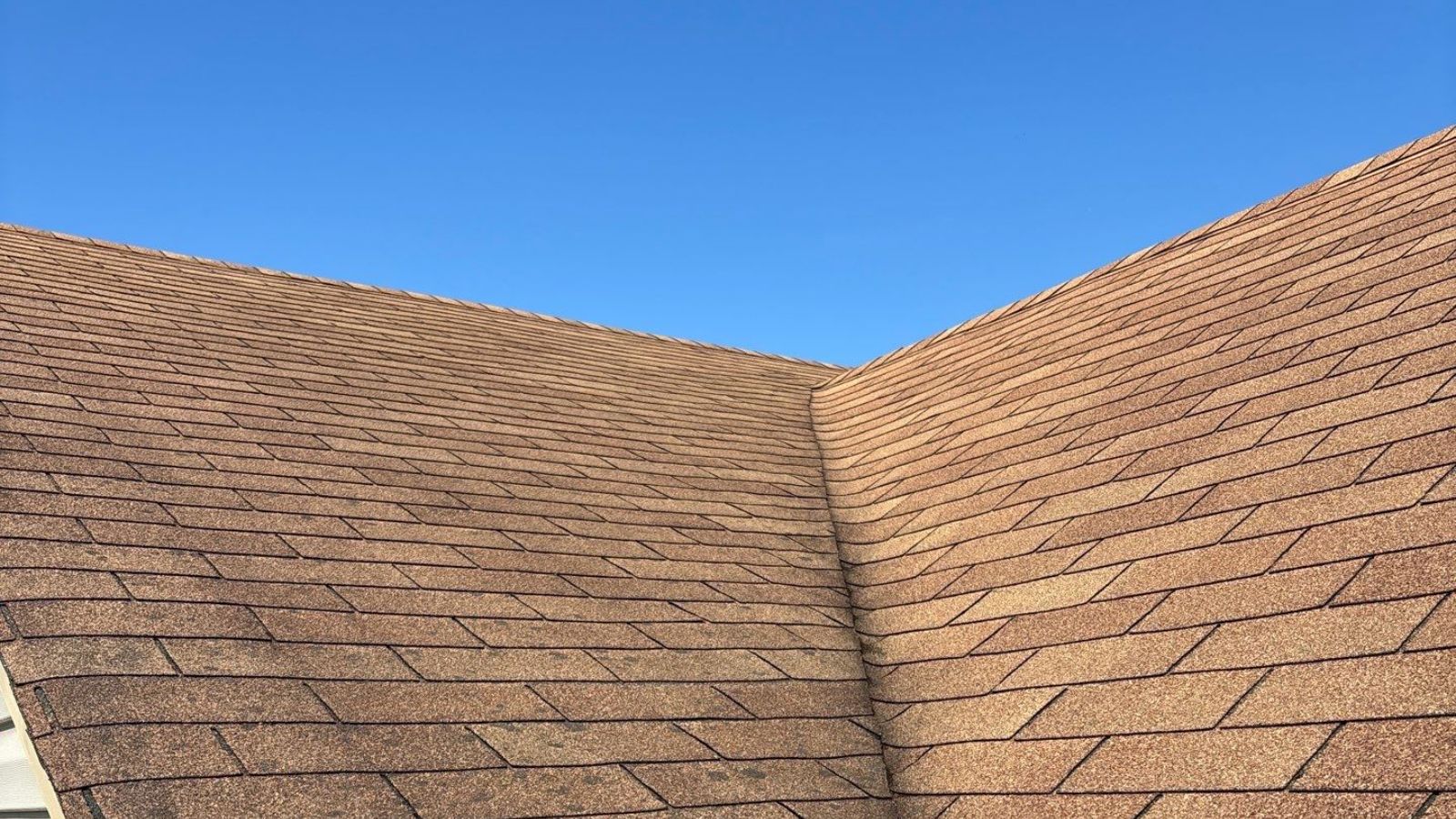
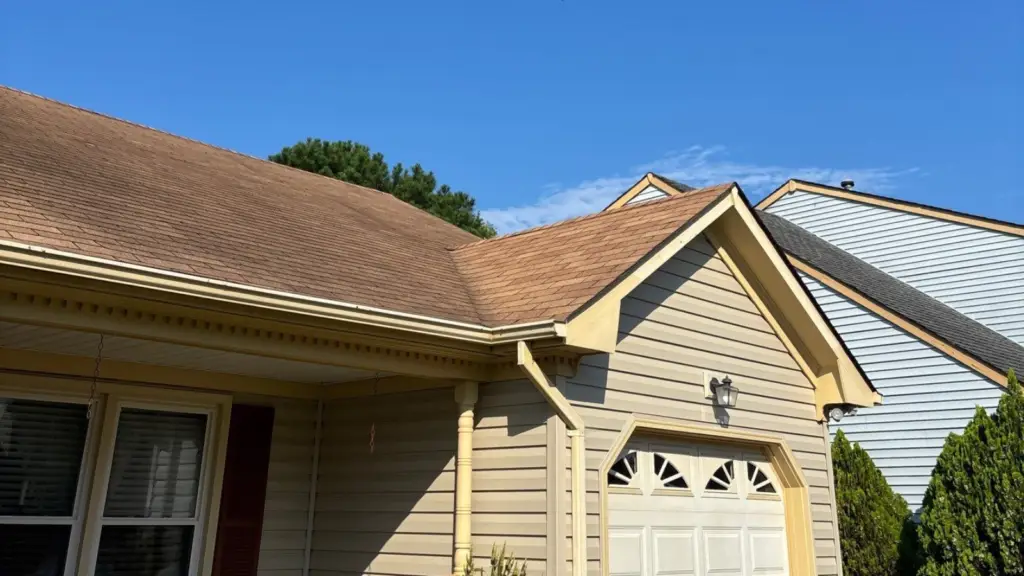
A roof valley is the internal angle formed where two roof slopes meet, creating a channel that collects and directs rainwater down toward the gutters. Think of it as a small river running down your roofline every time it rains, every drop of water hitting either adjoining slope eventually funnels through that single, narrow channel. Because of this concentrated flow, valleys handle a disproportionate amount of water compared to any other section of your roof.
This concentration of water flow is exactly why roof valleys Virginia Beach roofing professionals pay such close attention to during an inspection aren’t just another part of the roof, they’re one of the hardest working, and most exposed, components of the entire system.
Why Virginia Beach’s Climate Puts Extra Stress on Roof Valleys
Our region doesn’t make life easy on a roof valley. According to NOAA climate data, Virginia Beach receives more than 45 inches of rain annually across roughly 110 days of measurable precipitation each year, a genuinely wet climate compared to the national average. Combine that with hurricane season running from June through November, along with the nor’easters that regularly move through Hampton Roads, and you’ve got a roofline that’s dealing with heavy, sustained water flow through its valleys far more often than homes in drier parts of the country.
This isn’t just a seasonal concern, either. Even outside of named storms, our humid climate means valleys rarely get a long stretch to fully dry out between rain events, which extends the amount of time moisture spends in contact with roofing materials over the course of a typical year. That prolonged exposure is part of what separates roof valleys Virginia Beach homes experience from valleys in drier regions, where materials get far more recovery time between weather events.
This is exactly why roof valleys Virginia Beach weather conditions put under repeated stress need to be built and maintained to a higher standard than in more moderate climates. A valley that might perform adequately for decades in a dry inland region can show real wear considerably sooner here, simply due to the sheer volume of water it’s asked to handle year after year.
The Three Main Types of Roof Valleys
Not all valleys are constructed the same way, and understanding the differences helps explain why some hold up better than others over time. This distinction matters more than most homeowners realize, since two houses with the exact same shingle brand and roof age can perform very differently during a storm simply based on which valley style was used.
Open Valleys
In an open valley, metal flashing, typically aluminum, galvanized steel, or copper, runs the full length of the valley, fully exposed rather than covered by shingles. This design allows water to flow freely and quickly, and it’s generally considered one of the more durable, easier-to-maintain valley styles, since problems are easier to spot visually.
Closed-Cut Valleys
Here, shingles from one roof slope extend across the valley and are cut along a line, while shingles from the other slope are trimmed short of the centerline. This creates a clean, uniform appearance, but it also means the flashing underneath is hidden from view, making early signs of wear harder to catch without a close inspection.
Woven Valleys
In a woven valley, shingles from both slopes are interlaced directly through the valley with no exposed flashing at all. While this creates the most seamless look, it’s generally regarded as the most leak-prone design, since every overlapping shingle seam is a potential point where water can work its way underneath.
Knowing which type of valley your home has is a useful starting point for understanding how closely it needs to be monitored, and how roof valleys Virginia Beach contractors typically recommend maintaining them varies somewhat depending on which construction style is present.
Table: Roof Valley Types Compared
| Valley Type | Visibility of Flashing | Durability | Maintenance Needs | Leak Risk |
| Open Valley | Fully visible | High | Moderate, easy to inspect | Lower |
| Closed-Cut Valley | Hidden under shingles | Moderate to High | Higher, requires close inspection | Moderate |
| Woven Valley | Fully hidden | Moderate | Highest, hardest to inspect | Higher |
This table reflects general industry patterns. The actual performance of any specific valley depends heavily on installation quality and ongoing maintenance, regardless of which construction style was originally used.
Common Problems That Develop in Roof Valleys
A handful of issues show up again and again when we inspect valleys across Hampton Roads homes. Debris accumulation is one of the most frequent, since leaves, pine needles, and granules naturally collect in the low point of the valley, especially on homes shaded by mature trees. Left unaddressed, this buildup traps moisture against the roofing material and gradually breaks down the surface underneath.
Flashing corrosion or displacement is another common problem, particularly on older open valleys where galvanized steel flashing has been exposed to years of standing moisture. Cracked, curled, or missing shingles along the valley edge expose the underlying flashing or underlayment to direct sun and rain, accelerating deterioration. And improperly installed valleys, ones with nails driven too close to the center or shingles that weren’t properly trimmed and sealed, create direct entry points for water almost from the day they’re installed.
Why Roof Valleys Are One of the Most Common Sources of Leaks
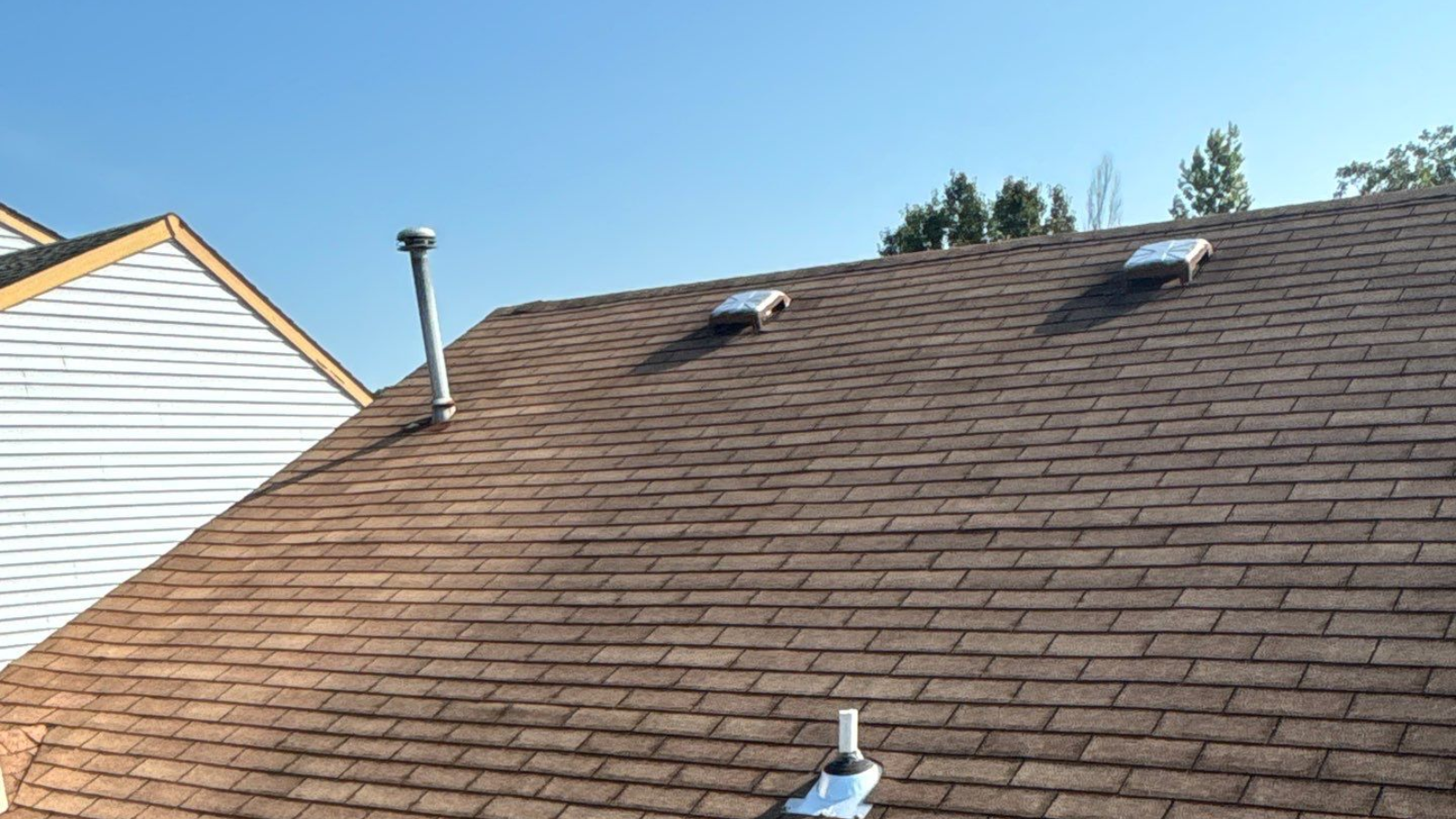
This isn’t just anecdotal. According to guidance published by the National Roofing Contractors Association, valleys and flashing details are consistently identified among the most common origin points for residential roof leaks, largely because they involve multiple materials meeting at a single, water-concentrated location. Every seam, transition, and fastener in that area represents a potential weak point, and the sheer volume of water passing through amplifies the consequences of even a minor flaw.
This is a big part of why roof valleys Virginia Beach inspectors focus on so heavily during a routine roof assessment aren’t just being thorough for the sake of it, they’re checking the exact location where problems are statistically most likely to originate in the first place.
Warning Signs Your Roof Valley Needs Attention
Catching valley problems early almost always means a simpler, less expensive fix. Watch for water stains on ceilings or upper walls, particularly ones that appear or worsen after heavy rain, since this often points directly back to a valley or flashing issue. Visible granule buildup in your gutters near the valley’s drainage point can indicate accelerated shingle wear in that specific area.
From the ground, look for shingles along the valley that appear cracked, curled, or discolored compared to the rest of the roof. If you’re comfortable safely viewing your roof from a distance, rust streaking or visible gaps in an open valley’s metal flashing is another clear sign that roof valleys Virginia Beach homeowners should have inspected sooner rather than later.
How Proper Valley Construction Prevents Leaks
Getting a valley right comes down to a few key details that make an enormous difference over the life of the roof. Adequate flashing width and material selection matter significantly, with wider flashing generally providing better protection against the heavier water volume our climate produces. Proper shingle installation, including correctly trimmed and sealed edges along the valley line, prevents water from working its way underneath through capillary action, a surprisingly common and often invisible cause of hidden leaks.
Fasteners also need to be placed well clear of the valley’s center, since nails driven too close create direct puncture points exactly where water flow is heaviest. A contractor experienced with roof valleys Virginia Beach homes require should know these details instinctively, rather than treating valley construction as an afterthought in the broader roofing project.
Maintenance That Protects Your Roof Valleys Long-Term
A few consistent habits go a long way toward keeping valleys performing well for the life of your roof. Clearing debris from valleys periodically, especially after fall leaf drop or a significant storm, prevents the kind of moisture-trapping buildup that accelerates wear. Scheduling a professional inspection at least once a year, and always after major storms, catches early signs of flashing wear or shingle damage before they progress into an active leak.
Trimming back overhanging branches reduces both physical debris and the risk of falling limbs directly damaging the valley during a storm. Addressing minor valley repairs promptly, rather than waiting, keeps a small, manageable fix from turning into a much larger, more expensive interior water damage situation.
What Valley-Related Repairs Typically Cost
Understanding general cost ranges helps you evaluate whether an estimate seems reasonable. A localized valley repair, replacing a section of flashing and the adjacent shingles, generally falls on the more affordable end of roofing repairs, particularly when caught early before surrounding damage develops. If neglected debris or flashing failure has led to sheathing damage underneath, costs rise accordingly, since that repair now involves structural wood replacement in addition to the surface-level roofing work.
Full valley reconstruction, sometimes necessary on older roofs where the original installation was flawed from the start, represents a larger investment but is still typically far less expensive than a full roof replacement. Getting a detailed, written estimate after a professional inspection is the most reliable way to understand what roof valleys Virginia Beach repair work will actually cost for your specific situation, rather than relying on rough estimates that don’t account for your home’s particular valley type and condition.
Choosing a Contractor Who Takes Valleys Seriously
Not every roofing company gives valleys the attention they deserve, and that gap shows up in how well a roof performs over time. When comparing contractors, ask specifically how they approach valley construction and repair, not just general roofing work. Ask what flashing material and width they use as standard practice, and whether they have experience with all three valley types, since a contractor who’s only comfortable with one style may steer you toward it regardless of what’s actually best for your roof.
A contractor who can speak in specific, concrete detail about proper fastener placement, flashing overlap, and shingle trimming along the valley line is telling you something important about how seriously they take roof valleys Virginia Beach roofs depend on, rather than treating this critical detail as an afterthought in a larger project.
Local Considerations Across Virginia Beach Neighborhoods
Roof valley wear isn’t uniform across the city, and a few local factors influence how quickly problems tend to develop. Homes with mature tree canopies, common throughout neighborhoods like Kempsville and Alanton, tend to see more frequent debris accumulation in their valleys compared to newer developments with less established landscaping. Homes closer to the oceanfront face the added factor of salt air, which can accelerate corrosion on open valley metal flashing over time.
A contractor with real local experience assessing roof valleys Virginia Beach properties display across these varied conditions understands how to tailor inspection frequency and maintenance recommendations to your specific home’s situation, rather than applying a generic, one-size-fits-all schedule.
What First-Time Home Buyers Should Check
If you’re purchasing a home in Virginia Beach, roof valleys deserve specific attention during your due diligence, well beyond what a general home inspector might cover in a brief walkthrough. Ask about the age and type of valley construction, and request any documentation of past leaks or repairs in that area specifically. A closed-cut or woven valley on an older roof, where flashing condition can’t be easily verified visually, may warrant a more thorough independent inspection before you finalize your purchase.
Bringing in a roofing-specific assessment, separate from your general home inspection, gives you a much clearer picture of whether the roof valleys Virginia Beach home you’re considering are in genuinely sound condition, or whether they represent a repair expense you should be factoring into your offer.
Final Thoughts on Roof Valleys in Virginia Beach
It’s easy to overlook a part of your roof you can’t easily see from the ground, but roof valleys genuinely deserve the closer look this article has been making the case for. Given how much water they handle, how many materials come together in that single location, and how much stress our regional climate places on them throughout the year, roof valleys Virginia Beach homeowners take seriously tend to be the ones who avoid the kind of surprise interior water damage that turns a manageable repair into a much bigger, more expensive project.
The next time you’re out in the yard after a good rain, take a minute to actually look up at where your roof slopes meet. You don’t need to climb up there yourself, but noticing whether water seems to be draining cleanly, whether there’s visible debris buildup, or whether anything looks discolored or out of place is a simple habit that costs nothing and could save you a genuinely significant repair bill down the road. Awareness is the first step, and a professional inspection is the natural next one whenever something looks even slightly off.
FAQs
Here are five of the questions we hear most often from homeowners once they realize how much their roof valleys Virginia Beach properties depend on actually deserve attention.
1: Why are roof valleys more prone to leaks than other parts of the roof?
A: Roof valleys concentrate water from two separate roof slopes into a single, narrow channel, which means they handle a significantly higher volume of water flow than any flat section of roofing. This concentrated flow, combined with the fact that valleys involve multiple materials and seams meeting at one location, creates more opportunities for water to find its way underneath the surface if installation or materials aren’t up to standard.
2: How often should roof valleys be inspected?
A: A general inspection once a year, along with a follow-up check after any major storm, is a reasonable schedule for most homes in our region. Homes with significant tree coverage or older valley construction may benefit from slightly more frequent checks, since debris accumulation and material wear tend to progress faster under those conditions.
3: Can a damaged roof valley be repaired without replacing the entire roof?
A: In many cases, yes, particularly if the damage is caught early and limited to the valley area itself rather than having spread to the surrounding roof deck. A professional assessment can determine whether a targeted valley repair, replacing flashing and adjacent shingles, is sufficient, or whether more extensive damage means a broader repair or replacement makes more sense.
4: Which type of roof valley is the best choice for a Virginia Beach home?
A: Open valleys generally offer the best combination of durability and ease of inspection for our climate, given the volume of rain our region experiences throughout the year. That said, closed-cut and woven valleys can still perform well when installed correctly and maintained consistently, so the right choice often depends on your home’s overall roofing system and your contractor’s specific recommendation.
5: What does it typically cost to repair a roof valley?
A: Costs vary depending on the extent of damage, the valley type, and whether surrounding shingles or decking also need attention, but a localized valley repair is generally far less expensive than a full roof replacement. Getting a written estimate from a professional after an inspection is the most reliable way to understand the specific cost for your home’s situation.