A hurricane watch goes up, and suddenly you’re staring at your windows wondering if they’ll actually hold. Have you ever thought about what’s really standing between your living room and a piece of wind-driven debris traveling at highway speed? For homeowners along the coast, that’s not a hypothetical question, it’s a real consideration every storm season. Impact-resistant windows Virginia Beach homeowners are increasingly choosing aren’t just a premium upgrade anymore, they’re becoming a practical answer to a genuinely local problem.
Why This Conversation Matters So Much in Coastal Virginia
Virginia Beach sits directly in the path of Atlantic hurricane season, which runs from June through November, and our position on the coast means wind-borne debris during a major storm is a genuine, recurring threat rather than a rare event. Flying shingles, tree limbs, and loose yard debris can strike a standard window with enough force to shatter it, and once a window fails during a storm, wind and water don’t just enter through that opening, they put pressure on your entire roof and structure from the inside out.
This is exactly why impact-resistant windows Virginia Beach building requirements increasingly account for aren’t just a nice-to-have feature. They’re a genuine structural safeguard for exactly the kind of weather our region experiences on a near-annual basis.
What “Impact-Resistant” Actually Means
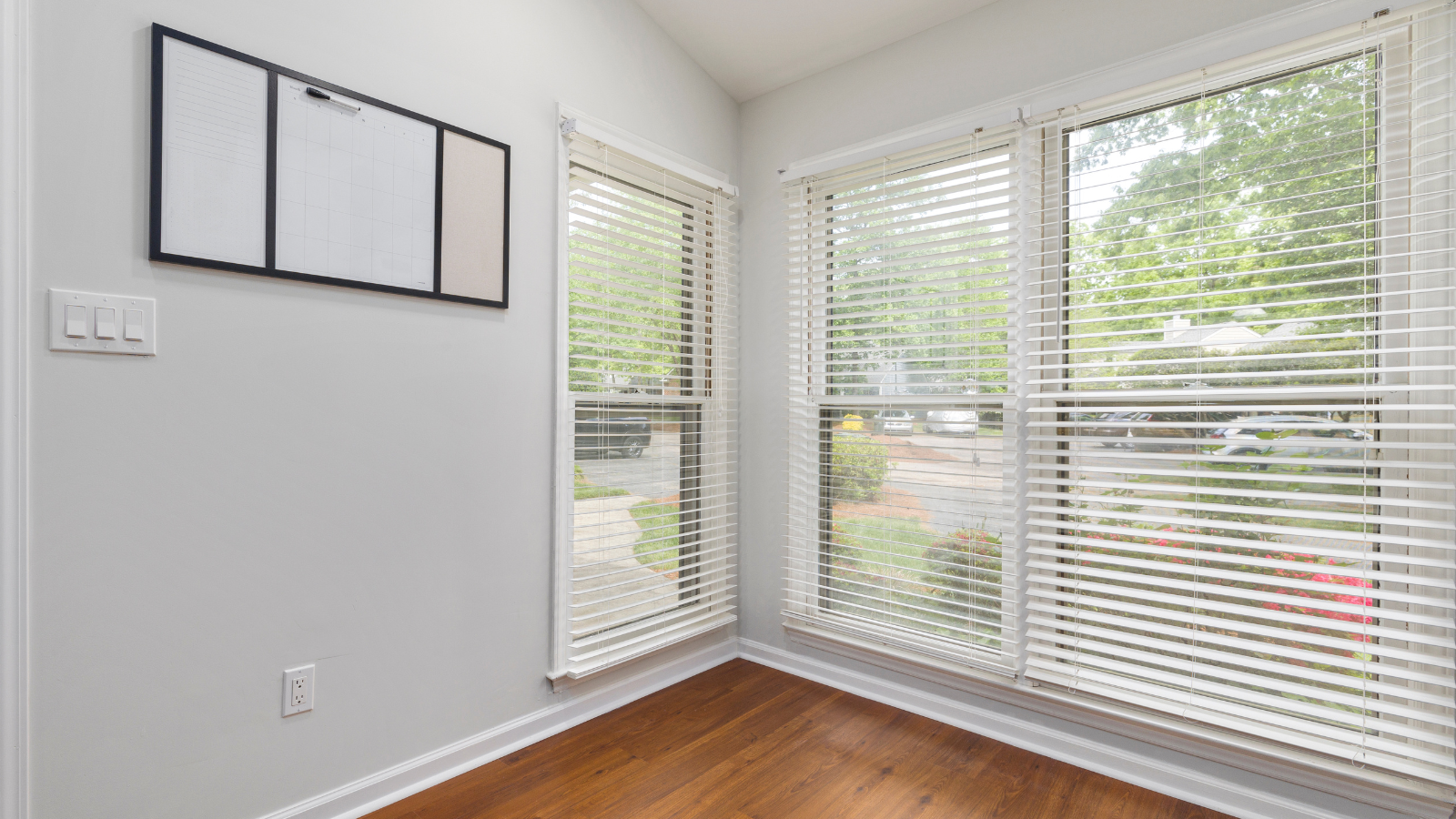
It’s worth understanding what’s actually different about these windows, since the term gets used fairly loosely in casual conversation. True impact-resistant windows use laminated glass, typically two panes bonded together with a durable plastic interlayer, so that even if the outer pane cracks under impact, the glass stays intact rather than shattering into the home. This design is what allows the window to maintain the building envelope during a storm, keeping wind and water out even after taking a direct hit from debris.
These products are tested against specific national standards, most commonly ASTM E1996 and E1886, which simulate large missile impacts (like a piece of lumber) at high speed, followed by repeated cyclical pressure to mimic sustained hurricane-force winds. A genuine impact-resistant windows Virginia Beach installation should come with documentation showing it meets these tested standards, not just a marketing claim that it’s “storm rated.”
Table: Standard Windows vs. Impact-Resistant Windows
| Feature | Standard Windows | Impact-Resistant Windows |
| Glass Construction | Single or double pane, not bonded | Laminated glass with plastic interlayer |
| Storm Debris Resistance | Vulnerable to shattering | Engineered to withstand large missile impact |
| Building Envelope Protection | Can fail during high winds | Maintains seal even if outer pane cracks |
| Noise Reduction | Standard | Noticeably improved due to laminated layers |
| UV Protection | Limited | Blocks a significant portion of UV rays |
| Energy Efficiency | Varies by product | Often improved due to added glass layer |
| Insurance Discount Potential | Typically none | May qualify for wind mitigation credits |
| Hurricane Shutter Requirement | Usually needed | Generally not required for protection |
This table reflects general differences between the two categories. The exact specifications of any impact-resistant windows Virginia Beach homeowners choose will vary by manufacturer, so it’s worth reviewing the specific test documentation for any product you’re considering.
Virginia’s Building Code Requirements for Coastal Properties
Virginia’s building code, based on the International Building Code framework, designates certain coastal areas as “wind-borne debris regions,” specifically zones within one mile of the coastal mean high-water line where design wind speeds meet or exceed 130 miles per hour, along with other areas meeting a 140 mile per hour threshold. In these zones, exterior glazing must either be impact-resistant or protected by an approved covering, such as code-compliant storm shutters, tested to the same ASTM standards mentioned earlier.
It’s worth noting that these code requirements typically apply most directly to new construction and substantial renovations rather than retroactively requiring existing homeowners to replace compliant-at-the-time windows. That said, local permitting offices are the definitive source for how these requirements apply to your specific property, particularly if you’re planning an addition, a major remodel, or new construction within a designated zone. A knowledgeable local contractor can help you understand whether your project triggers these requirements before you’re deep into planning.
For many homes in and around Virginia Beach, particularly those closer to the oceanfront, this means impact-resistant windows Virginia Beach code officials require aren’t simply optional upgrades, they’re a genuine compliance consideration for new construction and major renovations within these designated zones. Homeowners outside the strict wind-borne debris boundary aren’t legally required to install impact-rated glazing, but the same storm risks still apply in practice, which is why so many homeowners choose to install them anyway.
The Real Benefits Beyond Storm Protection
While hurricane resilience is the headline benefit, homeowners who make this upgrade consistently mention several other advantages that make the investment worthwhile even outside of storm season.
Noise Reduction
The laminated glass and additional layer used in impact-resistant construction meaningfully dampens outside noise, which matters more than you’d expect in neighborhoods near busier roads or closer to Oceana Naval Air Station’s flight patterns.
Energy Efficiency
The added glass layer and improved seal around impact-resistant frames often improve a home’s overall insulation, helping reduce the strain on air conditioning during our long, humid summers and on heating during winter cold snaps.
UV Protection
Laminated glass blocks a significant portion of ultraviolet rays, which helps protect flooring, furniture, and artwork from the sun fading that standard glass doesn’t filter out nearly as effectively.
Home Security
The same laminated construction that resists storm debris also makes these windows considerably more difficult to break through during an attempted break-in, adding a meaningful security benefit that has nothing to do with weather at all.
Reduced Reliance on Storm Shutters
Homeowners with impact-resistant windows Virginia Beach properties display no longer need to install, remove, and store hurricane shutters before and after every storm, which saves real time and hassle during an already stressful weather event. This also removes the risk of a shutter being installed incorrectly under pressure right before a storm makes landfall, since the protection is already built into the window itself and doesn’t depend on last-minute action.
What About Insurance Savings?
This is a common question, and it deserves an honest answer rather than an inflated one. In several hurricane-prone states, particularly Florida, insurance companies are required by state law to offer specific wind mitigation discounts for verified impact-resistant windows and doors, sometimes reducing the windstorm portion of a premium substantially. Virginia doesn’t currently have an identical mandated discount program, but many insurance carriers operating in coastal Virginia still offer some form of credit or reduced risk assessment for homes with verified storm-resistant features, including impact-rated glazing.
The Insurance Institute for Business & Home Safety’s FORTIFIED Home program, which includes impact-resistant windows as part of its Silver and Gold certification tiers, is recognized by a growing number of insurers nationally as a documented mitigation standard. If insurance savings are a significant part of your decision to invest in impact-resistant windows Virginia Beach insurers might recognize, it’s worth calling your specific carrier directly to ask what documentation they require and what, if any, discount applies in your situation, since this varies considerably by company and policy.
Cost Considerations and Return on Investment
Impact-resistant windows typically cost more upfront than standard replacement windows, reflecting the more complex glass construction and reinforced framing involved. However, homeowners weighing this cost should consider the full picture: potential insurance savings, reduced storm shutter expenses, energy efficiency gains, and the value of avoiding a shattered window and the extensive interior water damage that often follows.
It also helps to think about cost in terms of what a single storm-related failure actually costs. A shattered window during a hurricane rarely stays a simple glass repair, once wind and rain get inside, the resulting damage to flooring, drywall, insulation, and personal belongings frequently runs into the thousands of dollars, often exceeding the price difference between standard and impact-resistant glazing many times over. Viewed against that realistic worst-case scenario, the upfront premium for impact-rated windows starts to look considerably more reasonable.
For homeowners planning to sell in the coming years, impact-resistant windows Virginia Beach buyers increasingly ask about directly can also serve as a meaningful selling point, particularly for buyers who’ve experienced storm damage firsthand or who are relocating from other hurricane-prone regions and already understand the value of this kind of protection.
Choosing the Right Impact-Resistant Windows for Your Home
Not all impact-rated products are created equal, and a few factors are worth discussing directly with your contractor. Confirm the specific ASTM or Florida Building Code approval rating for any product you’re considering, since these certifications indicate the level of testing the window has actually passed. Ask about the frame material, vinyl, aluminum, or fiberglass, since each performs differently in terms of durability, insulation, and long-term maintenance in our humid coastal climate.
It’s also worth asking about the Design Pressure (DP) rating, which indicates how much wind pressure the window and frame assembly can withstand as a complete system, not just the glass alone. A knowledgeable contractor installing impact-resistant windows Virginia Beach homes rely on for real protection should walk you through these specifications clearly, rather than simply pointing you toward the most expensive option on the showroom floor.
Maintaining Your Investment Over Time
Impact-resistant windows require relatively little specialized maintenance, but a few habits help ensure they perform at their best for as long as possible. Cleaning the frames and glass periodically prevents salt residue, common in our coastal air, from building up and affecting the seal over time. Checking weatherstripping and caulking annually helps catch minor gaps before they compromise energy efficiency or allow moisture intrusion.
It’s also worth reviewing your manufacturer’s warranty documentation when you first have impact-resistant windows Virginia Beach contractors install, since warranty terms vary considerably between manufacturers and can affect what’s covered if a seal fails or hardware needs replacement years down the road. Keeping this paperwork on file also proves useful if you ever pursue an insurance discount or sell your home, since documentation of the product’s certification and installation date supports both processes.
Impact Windows Versus Storm Shutters: Which Makes More Sense?
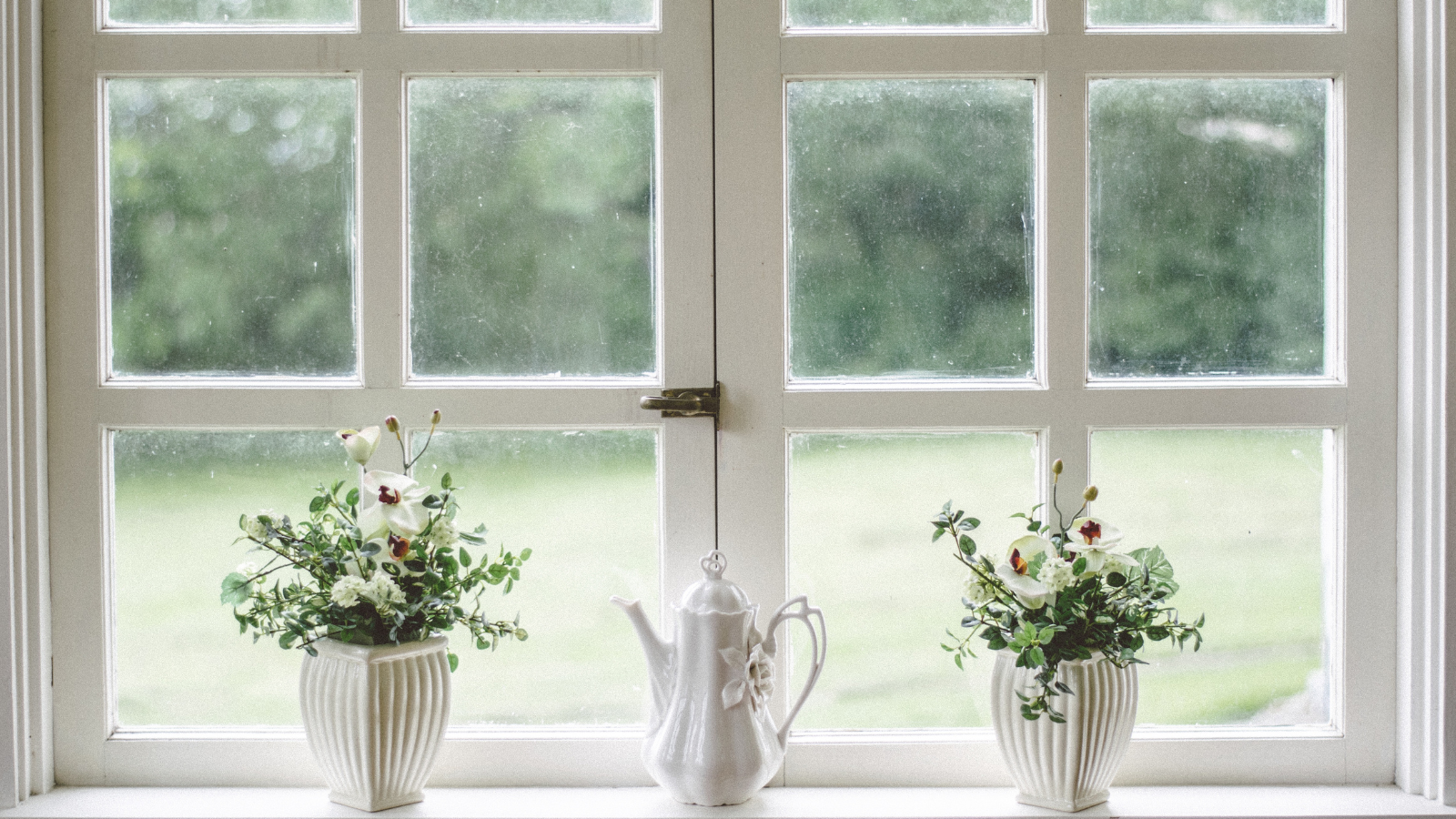
Homeowners weighing their options often find themselves comparing impact-resistant windows directly against traditional storm shutters, and it’s a reasonable comparison to make. Storm shutters are generally less expensive upfront and can be retrofitted onto existing standard windows, but they require manual installation and removal before and after every storm, along with secure, accessible storage space in between.
Impact-resistant windows, by contrast, provide permanent, always-on protection without any last-minute scrambling before a storm arrives, along with the added year-round benefits of noise reduction and improved energy efficiency that shutters simply don’t offer. For homeowners who travel frequently, rent out their property, or simply want one less thing to worry about when a storm warning goes up, impact-resistant windows Virginia Beach properties are equipped with tend to offer meaningfully more peace of mind than a shutter system that depends on someone being available to install it in time.
Local Considerations for Different Virginia Beach Neighborhoods
Exposure to storm risk varies meaningfully depending on where in the city you live. Homes closer to the oceanfront and in low-lying areas like Sandbridge face the most direct wind-borne debris risk and are more likely to fall within the code-mandated wind-borne debris region entirely. Homes further inland, while somewhat more sheltered, still experience significant wind events during hurricanes and nor’easters that make impact-resistant glazing a worthwhile consideration regardless of exact distance from the water.
A contractor with genuine local experience installing impact-resistant windows Virginia Beach properties across these varied conditions understands how to recommend the right product and DP rating for your specific location, rather than applying a one-size-fits-all recommendation across the entire city.
What First-Time Home Buyers Should Ask About
If you’re purchasing a home in a coastal Virginia Beach neighborhood, it’s worth asking directly whether the existing windows are impact-rated, and if so, requesting documentation of their certification. Homes without impact-rated glazing in higher-risk coastal zones may require future upgrades, either for your own peace of mind or to meet code if you undertake a future renovation, so factoring this into your overall budget and negotiation is a reasonable step during the buying process.
Bringing in an independent assessment of the existing windows, separate from your general home inspection, can clarify whether you’re buying a home that’s already protected or one where impact-resistant windows Virginia Beach storm risk genuinely warrants budgeting for in your first few years of ownership.
Final Thoughts on Impact-Resistant Windows in Virginia Beach
Choosing to invest in impact-resistant windows Virginia Beach homeowners are increasingly considering isn’t just about checking a box on a storm preparedness list. It’s about genuinely reducing your home’s vulnerability during the exact kind of severe weather our region experiences every single hurricane season, while picking up meaningful side benefits in noise reduction, energy efficiency, and security along the way.
For many homeowners, the decision ultimately comes down to a simple question: would you rather scramble to install shutters every time a storm warning goes up, or know that your windows are already built to handle it? Once framed that way, the upfront investment starts to look less like an upgrade and more like a practical, one-time decision that pays off every single hurricane season for as long as you own the home.
FAQS
1: Are impact-resistant windows required by law in Virginia Beach?
A: They’re required specifically within designated wind-borne debris regions under Virginia’s building code, generally areas within one mile of the coastal mean high-water line where design wind speeds meet certain thresholds. Homes outside these specific zones aren’t legally required to install impact-rated glazing, though many homeowners choose to install them anyway given the region’s overall storm exposure.
2: How much more do impact-resistant windows cost compared to standard windows?
A: Costs vary by manufacturer, size, and frame material, but impact-resistant windows generally carry a higher upfront price than standard replacement windows due to their laminated glass construction and reinforced framing. Getting a detailed, itemized quote from a contractor allows you to compare the actual cost difference for your specific home and window count.
3: Will impact-resistant windows definitely lower my homeowners insurance premium?
A: Not necessarily, and it depends heavily on your specific insurance carrier and policy. Unlike some hurricane-prone states with mandated discount programs, Virginia doesn’t have an identical statewide requirement, though many carriers still offer some form of credit for documented storm-resistant features. Contacting your insurance agent directly is the most reliable way to find out what applies to your policy.
4: Do impact-resistant windows still need hurricane shutters?
A: Generally, no. Impact-resistant windows are specifically engineered to provide the same protection that shutters offer, without the need to install or remove them before and after every storm. Some homeowners choose to keep shutters as an additional layer of protection, but it isn’t typically necessary once impact-rated glazing is properly installed.
5: How long do impact-resistant windows typically last?
A: With proper installation and reasonable maintenance, impact-resistant windows commonly last twenty years or more, similar to or slightly exceeding the lifespan of quality standard replacement windows, while providing the additional storm and security benefits throughout that entire service life.