Most homeowners think about their siding the way they think about paint color, purely cosmetic, until a storm rolls through and suddenly it’s the only thing standing between howling wind and your living room wall. Have you ever actually stopped to think about how much your siding is quietly doing for you every single time a storm hits this coast? Real siding storm protection isn’t just a marketing phrase, it’s a genuine engineering function built into your home’s exterior, and understanding how it works can change the way you think about your next siding decision entirely.
At Reitzel Roofing and Exteriors, we install and repair siding across Hampton Roads every week, and we’ve seen firsthand what separates a home that rides out a storm cleanly from one that ends up with interior water damage and a mid-storm emergency call. If you’re a homeowner trying to understand what genuine siding storm protection actually looks like, and why it matters so much specifically here in Virginia Beach, this guide walks through exactly how your siding defends your home, and what to look for to make sure yours is actually doing its job.
Why Siding Storm Protection Matters So Much on This Coast
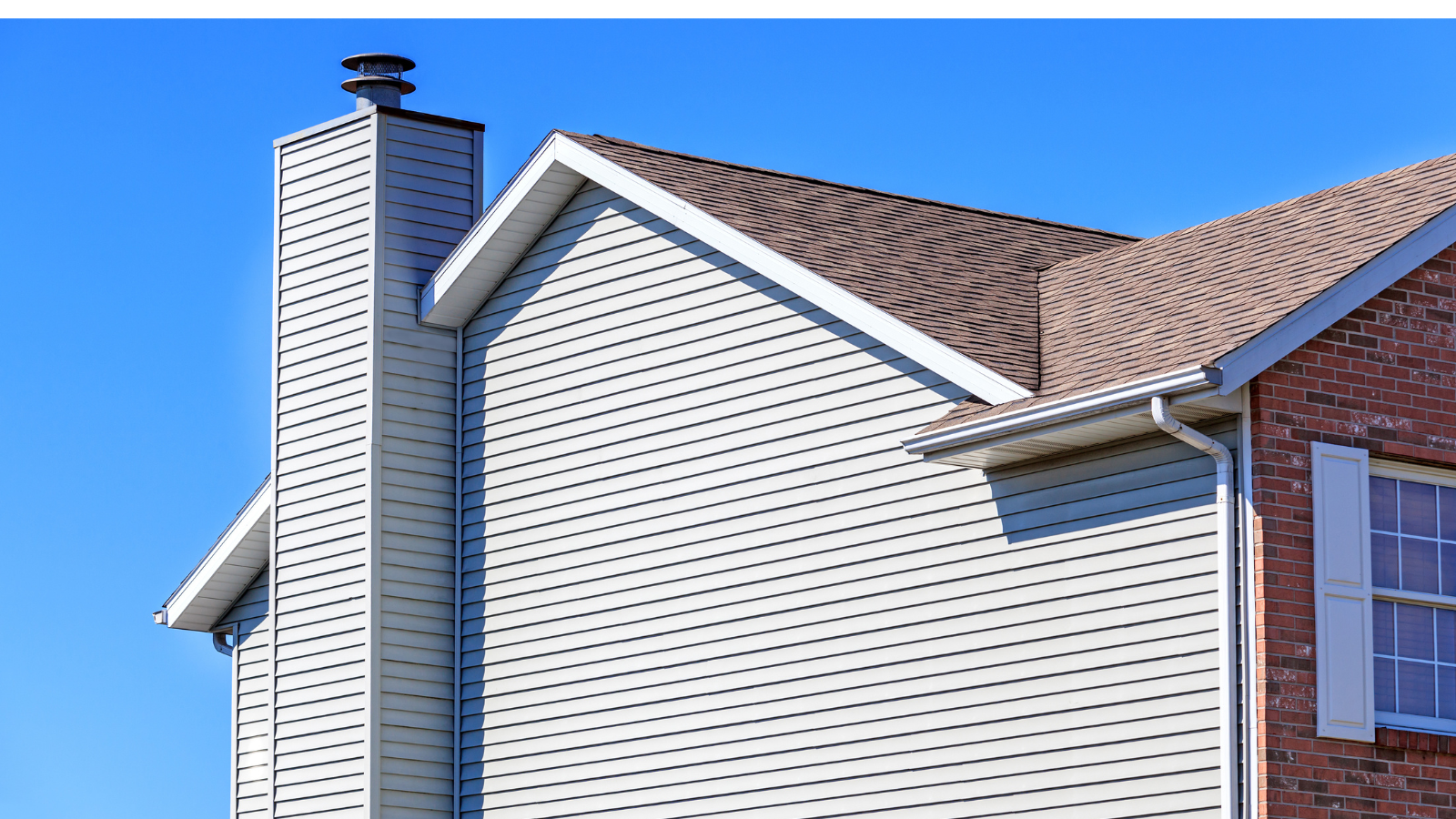
Virginia Beach sits directly in the path of Atlantic hurricane season, which officially runs from June through November each year, according to the National Oceanic and Atmospheric Administration. During that stretch, our homes face a combination of high winds, heavy wind-driven rain, and flying debris that puts real, repeated stress on the exterior envelope of every house in the region. Based on climate risk data compiled by First Street Foundation, Virginia Beach has recorded well over 150 significant wind events historically, and nearly every home in the city carries some degree of measurable wind risk.
That combination of frequency and intensity is exactly why siding storm protection isn’t an abstract concern here, it’s a practical, recurring reality that shapes how homes need to be built and maintained. Siding that’s properly installed and rated for our climate does far more than look good from the street, it actively keeps water and wind from compromising your home’s structure during exactly the kind of weather we experience nearly every year.
How Siding Actually Protects Against Moisture
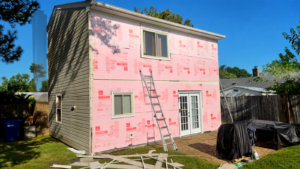
It helps to understand the mechanics behind this, since “protection” isn’t just a vague concept, it’s a specific, layered system working together. Siding itself is the first visible barrier, designed to shed rainwater away from the wall surface rather than letting it pool or seep in. Beneath that visible layer sits a weather-resistant barrier, commonly called house wrap, which catches any moisture that manages to get past the siding itself and directs it safely away from the wood sheathing underneath.
This layered approach is what makes real siding storm protection effective, rather than relying on a single point of defense. If siding is installed with proper overlap, correctly sealed seams, and appropriate flashing around windows and doors, water is directed down and away from your home’s structure even during heavy, wind-driven rain, which is exactly the kind of weather Hampton Roads sees regularly during tropical storms and nor’easters.
Ventilation also plays a quieter but important role in this system. Properly installed siding allows a small amount of airflow behind the panels, which helps any trapped moisture evaporate rather than sitting against the sheathing indefinitely. This is one of the less visible details that separates a well-engineered installation from one that simply looks acceptable from the curb, since trapped moisture without adequate airflow can lead to slow, hidden deterioration long before any exterior sign of a problem appears.
How Siding Protects Against Wind and Impact Damage
Beyond moisture, siding plays a direct structural role during high-wind events. Quality siding is engineered and rated to withstand specific wind speeds without lifting, cracking, or blowing off entirely, which matters enormously since a single section of failed siding can expose your home’s sheathing directly to wind and rain, dramatically increasing the risk of water intrusion and further structural damage.
Wind performance is typically measured through standardized testing that simulates sustained pressure alongside gusting conditions, giving homeowners a genuine, comparable benchmark rather than a vague manufacturer claim. Higher-rated products are specifically engineered with reinforced locking systems between panels, which keeps them securely fastened together even as wind pressure repeatedly pushes and pulls against the wall surface throughout a storm’s duration.
Impact resistance also plays a role, particularly for homes closer to the oceanfront where wind-borne debris is a more frequent concern during storms. Materials like fiber cement and properly rated vinyl siding are built to withstand debris impact far better than older, more brittle materials, which is a core part of what genuine siding storm protection is designed to accomplish during severe weather.
Table: How Different Siding Materials Perform in Storm Conditions
| Material | Wind Resistance | Moisture Resistance | Impact Resistance | Best For |
| Standard Vinyl | Moderate | Good with proper installation | Moderate | Budget-conscious homeowners inland |
| Impact-Rated Vinyl | High | Good with proper installation | High | Coastal homes needing storm-rated protection |
| Fiber Cement | High | Excellent | High | Homeowners wanting maximum durability |
| Engineered Wood | Moderate to High | Good, requires maintenance | Moderate | Homeowners wanting a traditional look |
| Insulated Vinyl | High | Excellent | Moderate to High | Energy efficiency plus storm resistance |
This table reflects general material performance. The actual level of siding storm protection any specific product provides depends heavily on installation quality, so even a high-rated material can underperform if it isn’t installed correctly.
Signs Your Current Siding Isn’t Providing Enough Protection
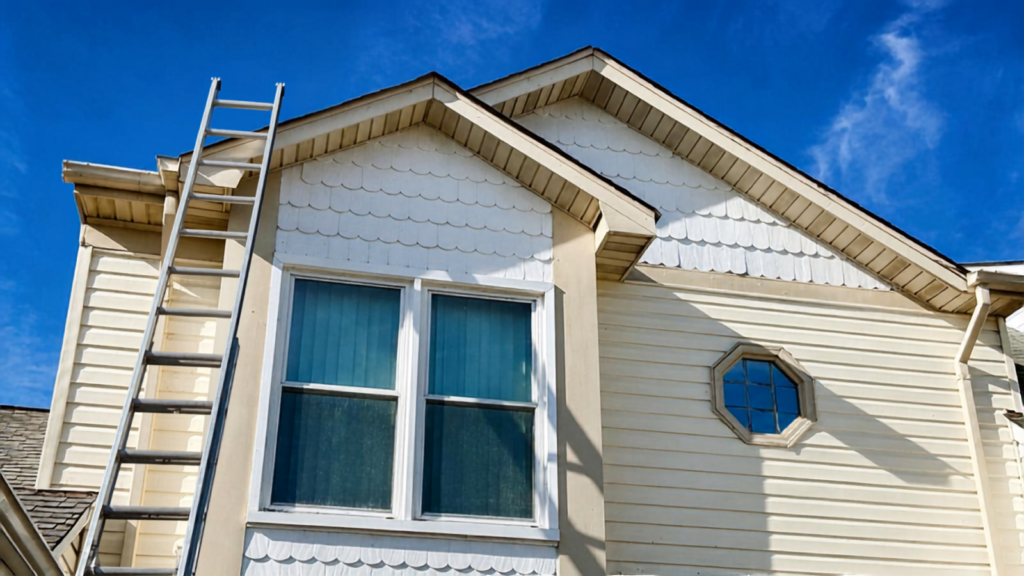
A few warning signs indicate that your siding may not be holding up its end of the protective system as well as it should. Warped, cracked, or loose panels are an obvious red flag, since any gap or compromised section immediately reduces the effectiveness of the entire system. Staining or discoloration near seams and corners often points to water finding its way behind the siding rather than shedding off the surface as intended.
Soft spots on the wall when pressed, or a slightly spongy feel near the base of exterior walls, can indicate moisture has already reached the sheathing underneath, a sign that your siding storm protection has already been compromised in that area and needs prompt attention. Increased energy bills without an obvious explanation can also point to compromised siding allowing outside air infiltration, another sign that the protective envelope isn’t performing as it should.
The Role of Proper Installation in Real Storm Protection
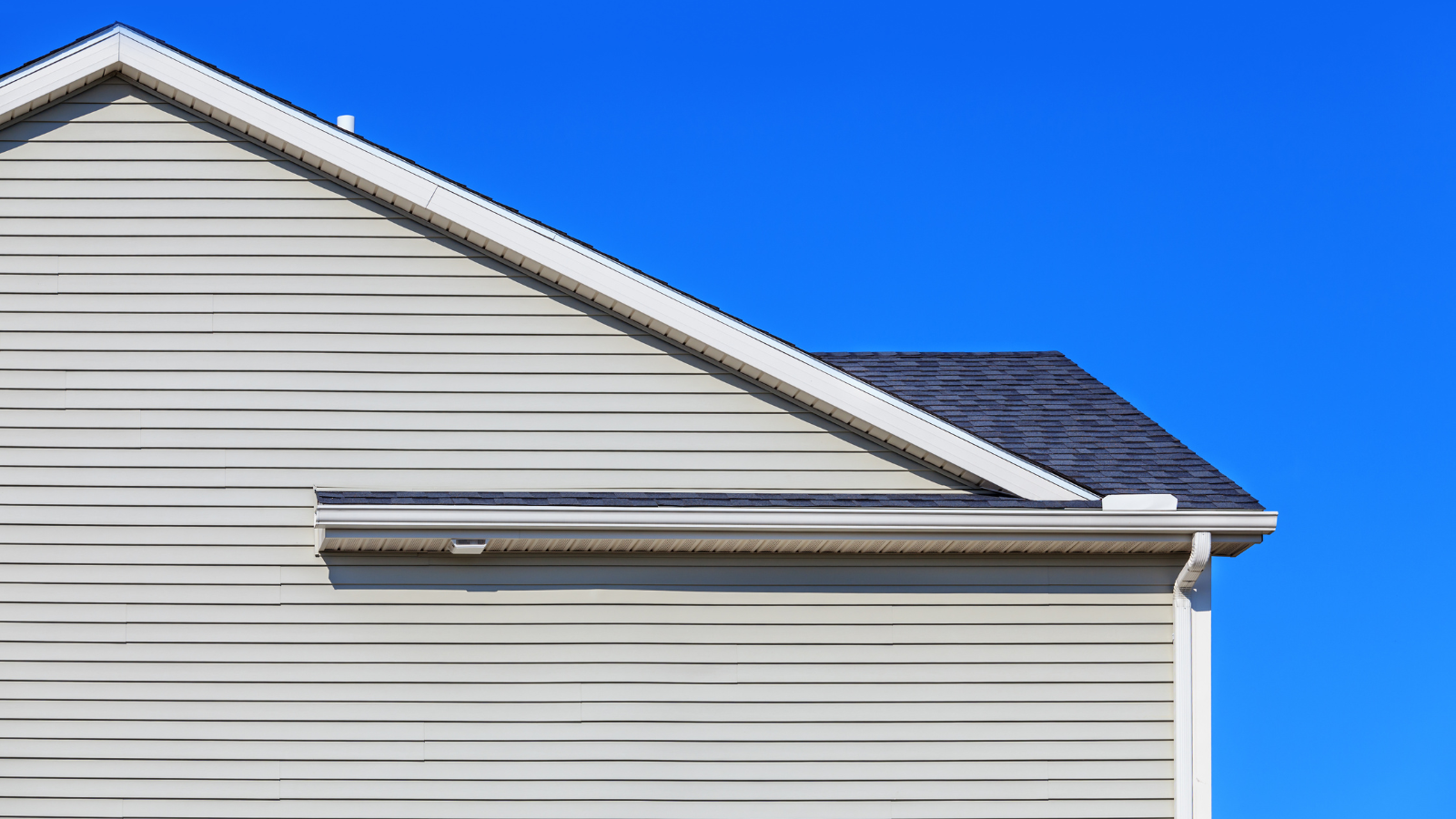
This is a point worth emphasizing directly: even the best-rated siding material in the world won’t deliver genuine siding storm protection if it’s installed incorrectly. Improper nailing patterns, insufficient overlap, missing or poorly sealed flashing around windows and doors, and skipped house wrap are all common installation shortcuts that dramatically undermine a siding system’s actual performance during a storm, regardless of what the product label promises.
According to guidance published by the National Association of Home Builders, exterior cladding systems perform as designed only when installed according to manufacturer specifications, including proper fastening patterns and moisture barrier integration. This is exactly why choosing an experienced, reputable contractor matters just as much as choosing the right material. A rushed or inexperienced installation can turn a premium, storm-rated product into a vulnerability rather than a genuine defense.
Local Factors That Affect Siding Performance in Virginia Beach
A few conditions specific to our region influence how well siding holds up over time. Coastal humidity accelerates wear on certain materials and creates favorable conditions for mold and algae growth if moisture management isn’t handled properly. Salt air, particularly for homes closer to the oceanfront, can affect certain metal components and fasteners over time, making corrosion-resistant hardware an important detail during installation.
Temperature swings between our humid summers and occasional winter cold snaps also cause siding materials to expand and contract repeatedly throughout the year. Over time, this natural cycling can loosen fasteners or stress seams that weren’t installed with adequate room for movement, which is another reason why installation quality matters just as much as the material itself when it comes to genuine long-term performance.
Hurricane season adds a recurring stress test that homes further inland simply don’t face at the same frequency. All of these factors combine to make siding storm protection in Virginia Beach a genuinely different consideration than siding performance in a more moderate, inland climate, which is part of why local installation experience matters so much when choosing a contractor.
Choosing the Right Siding for Real Storm Protection
Not every siding product on the market is built with our specific climate in mind, so it’s worth asking pointed questions when comparing options. Ask about the specific wind rating for any product you’re considering, along with whether it’s been tested against impact standards relevant to coastal conditions. Ask what moisture barrier system will be installed underneath, since this layer matters just as much as the visible siding itself.
It’s also worth discussing corrosion-resistant fasteners specifically if you’re closer to the oceanfront, since standard fasteners can corrode faster in salt-heavy air, gradually weakening the very attachment points that keep your siding secured during high winds. A knowledgeable contractor installing siding storm protection systems in this region should be able to speak to all of these details clearly, rather than simply pointing you toward the most popular or least expensive option.
What Storm-Rated Siding Typically Costs
Cost is naturally a major factor when weighing a siding upgrade, and it’s worth understanding how storm-rated options compare to standard products. Impact-rated vinyl typically carries a modest premium over standard vinyl siding, reflecting the reinforced construction needed to meet higher wind and impact ratings. Fiber cement generally costs more upfront than either vinyl option, but its exceptional durability and moisture resistance often make it a worthwhile long-term investment, particularly for homes closer to the oceanfront facing the most direct storm exposure.
It helps to think about this cost in context. A single storm-related siding failure that allows water behind the wall can lead to expenses, drywall repair, insulation replacement, potential mold remediation, that far exceed the price difference between standard and storm-rated materials. Viewed against that realistic risk, investing in genuine siding storm protection upfront often proves considerably more cost-effective than repeatedly repairing storm damage to underperforming siding over the years.
How to Choose a Contractor Who Understands Storm Performance
Not every contractor treats storm resistance with the same level of seriousness, and that distinction matters enormously for how your siding actually performs when a real storm arrives. When comparing contractors, ask specifically about their experience installing wind-rated and impact-rated siding products in coastal conditions, not just general siding experience. Ask what moisture barrier system they use as standard practice, and whether they use corrosion-resistant fasteners on homes closer to the coast.
A contractor who can speak in specific, concrete detail about wind ratings, proper flashing techniques, and moisture barrier integration is telling you something important about how seriously they take siding storm protection as a genuine engineering outcome, not just a marketing checkbox on their sales sheet.
Insurance and Resale Considerations
Beyond the immediate protective function, well-maintained, storm-rated siding can play a meaningful role in both your insurance standing and your home’s resale value. Homes with visibly aging, cracked, or storm-compromised siding sometimes draw additional scrutiny from insurers or buyers concerned about hidden moisture damage behind the surface. Conversely, siding that’s clearly newer, properly installed, and rated for wind and impact resistance sends a strong signal of a well-maintained, storm-ready home.
For homeowners planning to sell, being able to point to documented siding storm protection upgrades, receipts, warranty paperwork, product ratings, can meaningfully ease buyer concerns during inspection and negotiation, particularly for buyers who understand the real risks that come with coastal homeownership.
Maintenance That Preserves Your Siding’s Protective Function
Siding isn’t a install-it-and-forget-it system if you want it performing at its best for the long haul. Regular visual inspections, ideally twice a year and after any major storm, help catch loose panels, damaged seams, or early signs of moisture intrusion before they become bigger problems. Keeping gutters clear prevents water from cascading down the siding surface in ways it wasn’t designed to handle, which can accelerate wear near the base of exterior walls.
Promptly repairing any damaged sections, rather than waiting, keeps small vulnerabilities from compounding into larger, more expensive problems down the road. A little proactive attention goes a long way toward making sure your siding storm protection continues performing the way it was designed to for years after the initial installation.
What First-Time Home Buyers Should Check
If you’re purchasing a home in Virginia Beach, siding condition deserves real attention during your due diligence process, not just a passing glance during a walkthrough. Ask the seller about the siding’s age, material, and any history of storm damage or repairs. A home with older, unrated siding in a higher-risk coastal area may need upgrades sooner than you’d expect, which is worth factoring directly into your budget and negotiating position.
Bringing in an independent exterior inspection, separate from a general home inspection, gives you a clearer, more specific picture of whether the home’s current siding storm protection is genuinely adequate for the realities of coastal Virginia weather, or whether it’s a near-term expense you should be planning for as a new homeowner.
Final Thoughts on Siding Storm Protection for Virginia Beach Homes
Your siding is doing far more work than most homeowners give it credit for, quietly managing moisture and standing up to wind every single time a storm moves through Hampton Roads. Understanding how genuine siding storm protection actually functions, from material selection to installation quality to ongoing maintenance, puts you in a much stronger position to make informed decisions about your own home’s exterior, whether you’re addressing aging siding now or planning ahead for the next storm season.
It’s easy to overlook siding entirely until something goes wrong, a cracked panel after a windstorm, a damp patch on an interior wall that shouldn’t be there. But the homeowners who fare best over the long run are usually the ones who treat their siding as the active protective system it actually is, rather than a purely cosmetic feature they only think about once every decade or two. A little attention now, whether that’s a routine inspection or an honest conversation with a contractor about your current siding’s condition, goes a long way toward avoiding a much more stressful and expensive situation down the road.
FAQS
1: Does all siding provide the same level of storm protection?
A: No, protection levels vary significantly by material, wind rating, and installation quality. Impact-rated vinyl and fiber cement generally offer stronger wind and impact resistance than standard, non-rated siding products, and even a high-quality material will underperform if it isn’t installed correctly according to manufacturer specifications.
2: How do I know if my siding was installed correctly for storm protection?
A: Signs of proper installation include tight, even seams, correctly overlapped panels, secure fastening without over- or under-driven nails, and proper flashing around windows and doors. If you’re unsure, a professional inspection can assess whether your existing siding meets proper installation standards or has vulnerabilities that could compromise performance during a storm.
3: Can damaged siding be repaired, or does storm damage always require full replacement?
A: In many cases, localized storm damage can be repaired by replacing the affected panels rather than the entire siding system, particularly if the damage is limited to a small section and matching material is available. However, widespread damage, aging siding, or compromised sheathing underneath often makes full replacement the more practical and cost-effective long-term solution.
4: Does upgrading to storm-rated siding actually reduce my insurance costs?
A: It can, though the specific discount depends heavily on your insurance carrier and policy. Many insurers consider documented storm-resistant upgrades favorably when assessing risk, so it’s worth discussing your specific siding upgrade directly with your insurance agent to understand what, if any, credit applies to your policy.
5: How often should siding be inspected for storm readiness?
A: A general inspection twice a year, along with a follow-up check after any significant storm, is a reasonable schedule for most homes in our region. This routine helps catch small issues, a loose panel, a cracked seam, before they compromise your siding’s overall protective performance during the next major weather event.