Have you fallen in love with a home’s exterior only to wonder if the siding will hold up for years to come? Or maybe you’re planning an exterior renovation and feeling overwhelmed by the number of siding options available. With so many materials, colors, textures, and price points to choose from, making the right decision isn’t always easy.
Your home’s siding is much more than a decorative feature. It protects your investment from rain, wind, humidity, pests, and changing temperatures while playing a major role in energy efficiency, maintenance costs, and resale value. That’s why taking the time to perform a thorough siding material comparison is one of the smartest decisions any homeowner or homebuyer can make.
At Reitzel Roofing & Exteriors, we understand that every home has different needs. The best siding for one property may not be the ideal choice for another. Factors like Virginia Beach’s coastal climate, your budget, architectural style, maintenance preferences, and long-term plans should all influence your decision.
Why Your Choice of Siding Matters
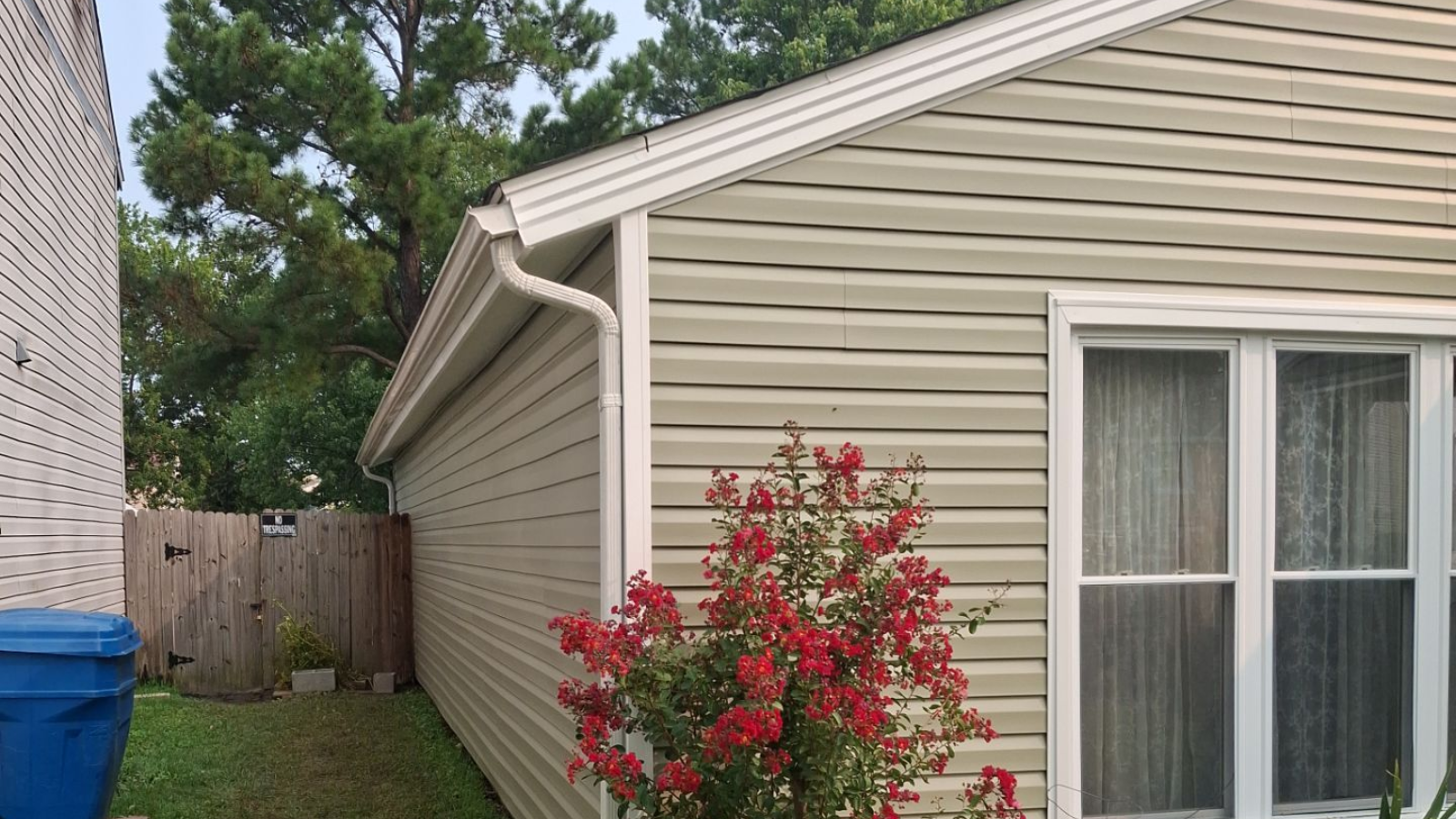
Many homeowners choose siding based primarily on appearance.
While curb appeal is certainly important, siding performs several critical functions that directly affect your home’s value and long-term condition.
Quality siding helps:
- Protect against moisture intrusion
- Improve energy efficiency
- Reduce exterior maintenance
- Increase curb appeal
- Resist storm damage
- Prevent pest infiltration
- Improve resale value
- Extend the life of the home’s exterior
Choosing the wrong product could mean higher maintenance costs, more frequent repairs, or premature replacement.
That’s why a detailed siding material comparison should always come before making a final decision.
According to the Vinyl Siding Institute, properly installed siding acts as part of a complete exterior wall system that protects homes from weather while contributing to energy efficiency and long-term durability.
Why Virginia Beach’s Climate Makes Siding Selection Even More Important
Homes in Virginia Beach face unique environmental challenges.
Unlike homes in drier climates, coastal properties experience:
- High humidity
- Salt air
- Heavy rainfall
- Tropical storms
- Strong coastal winds
- Intense summer sunlight
- Seasonal temperature changes
These conditions gradually wear down exterior materials over time.
Some siding products perform exceptionally well in these environments, while others require more maintenance to maintain their appearance and structural integrity.
When performing a siding material comparison, local climate should always be one of the most important considerations.
The Most Popular Siding Materials Available Today
Modern homeowners have more choices than ever before.
The most common siding materials include:
- Vinyl siding
- Fiber cement siding
- Engineered wood siding
- Composite siding
- Traditional wood siding
- Metal siding
- Brick veneer
- Stone veneer
Each option offers unique advantages depending on your priorities.
Some homeowners value affordability.
Others prioritize longevity.
Some focus on curb appeal, while others prefer minimal maintenance.
Understanding these differences is the foundation of a smart siding material comparison.
Quick Siding Material Comparison
| Siding Material | Durability | Maintenance | Energy Efficiency | Lifespan | Cost |
| Vinyl | Excellent | Low | Good | 20–40 Years | $ |
| Fiber Cement | Outstanding | Low | Very Good | 30–50 Years | $$$ |
| Engineered Wood | Very Good | Moderate | Good | 20–30 Years | $$ |
| Composite | Excellent | Low | Very Good | 30–50 Years | $$$ |
| Traditional Wood | Good | High | Good | 20–40 Years | $$$ |
| Metal | Excellent | Low | Moderate | 40–70 Years | $$$ |
| Brick Veneer | Outstanding | Very Low | Excellent | 75+ Years | $$$$ |
| Stone Veneer | Outstanding | Very Low | Excellent | 50+ Years | $$$$ |
Vinyl Siding: America’s Most Popular Choice
When homeowners begin a siding material comparison, vinyl siding is usually the first option they consider.
And for good reason.
Vinyl remains one of the most widely installed exterior products in the country because it offers an impressive combination of affordability, durability, and low maintenance.
Modern vinyl siding has come a long way from earlier generations.
Today’s premium products feature:
- Better fade resistance
- Stronger impact protection
- Realistic wood-grain textures
- Improved insulation options
- Wide color selections
For many Virginia Beach homeowners, vinyl provides an excellent balance between cost and performance.
Pros of Vinyl Siding
Some of vinyl’s biggest advantages include:
- Affordable installation
- Minimal maintenance
- No painting required
- Moisture resistance
- Insect resistance
- Wide range of colors
- Lightweight installation
- Excellent availability
These benefits consistently place vinyl near the top of every professional siding material comparison.
Cons of Vinyl Siding
Despite its popularity, vinyl isn’t perfect.
Potential drawbacks include:
- Can crack from severe impact
- Lower-end products may fade faster
- Less premium appearance than natural materials
- May warp if installed improperly
Fortunately, selecting higher-quality vinyl products and working with experienced installers significantly reduces many of these concerns.
Fiber Cement Siding: Built for Long-Term Performance
Fiber cement has become one of the fastest-growing siding materials in recent years.
Manufactured from cement, sand, and cellulose fibers, it combines impressive durability with a premium appearance.
Many homeowners appreciate that fiber cement closely resembles painted wood while offering much greater resistance to weather and pests.
Because of its exceptional durability, fiber cement frequently ranks among the highest-performing options in any comprehensive siding material comparison.
Pros of Fiber Cement
Advantages include:
- Outstanding durability
- Fire resistance
- Excellent moisture resistance
- Strong wind performance
- Insect resistance
- Premium appearance
- Long lifespan
These characteristics make fiber cement especially attractive for coastal climates like Virginia Beach.
Cons of Fiber Cement
Like every siding material, fiber cement has a few trade-offs.
Potential disadvantages include:
- Higher installation costs
- Heavier material requiring specialized installation
- Painting may eventually be needed
- Longer installation time
Although the upfront investment is greater than vinyl, many homeowners view fiber cement as a worthwhile long-term investment.
Engineered Wood Siding: Beauty Meets Modern Technology
Many homeowners love the appearance of natural wood but want better durability.
Engineered wood offers an attractive compromise.
This material combines wood fibers with advanced resins and protective treatments that improve moisture resistance and reduce susceptibility to insects.
As homeowners continue seeking authentic aesthetics without the maintenance demands of traditional wood, engineered wood has become an increasingly popular option in today’s siding material comparison discussions.
Its warm, natural appearance works particularly well on Craftsman, farmhouse, cottage, and traditional architectural styles.
Pros of Engineered Wood
Benefits include:
- Beautiful wood appearance
- Lighter than fiber cement
- Improved moisture resistance
- Easier installation
- Lower maintenance than natural wood
- Competitive pricing
Cons of Engineered Wood
Potential considerations include:
- Requires periodic maintenance
- Can be vulnerable if protective coatings are neglected
- Lifespan generally shorter than fiber cement
Choosing a reputable manufacturer and following maintenance recommendations helps maximize long-term performance.
Why Appearance Isn’t Everything
Many homeowners begin a siding project focused entirely on color and style.
While curb appeal certainly matters, appearance should never outweigh long-term performance.
The best exterior combines:
- Attractive design
- Moisture protection
- Energy efficiency
- Weather resistance
- Low maintenance
- Long lifespan
This is why experienced contractors encourage homeowners to perform a complete siding material comparison before making a final decision.
The right siding doesn’t simply make your home look better—it helps protect everything inside it.
Composite Siding: Modern Innovation for Lasting Protection
Composite siding has become one of the fastest-growing choices for homeowners who want a balance of beauty, strength, and minimal upkeep. Manufactured from a blend of engineered materials, composite siding is designed to withstand harsh weather while maintaining its appearance for decades.
Unlike traditional wood, composite siding resists many of the issues that concern homeowners, including moisture damage, insect activity, and warping. Its versatility also allows manufacturers to create realistic wood-grain textures without the maintenance demands of natural lumber.
In any thorough siding material comparison, composite siding consistently earns high marks for durability and long-term performance.
Pros of Composite Siding
Composite siding offers several impressive advantages:
- Excellent resistance to moisture
- Low maintenance requirements
- Outstanding durability
- Fade-resistant finishes
- Strong impact resistance
- Attractive wood-like appearance
- Long service life
For homeowners planning to stay in their homes for many years, composite siding can be an excellent long-term investment.
Cons of Composite Siding
Like every material, composite siding has a few considerations.
Potential drawbacks include:
- Higher initial cost
- Limited availability compared to vinyl
- Professional installation recommended
- Product quality varies by manufacturer
While the upfront investment may be greater, many homeowners appreciate the reduced maintenance and long lifespan that composite products provide.
Traditional Wood Siding: Timeless Beauty with Extra Care
Few materials offer the natural charm of genuine wood siding.
Its warmth, texture, and character have made it a favorite for centuries, particularly on historic homes and custom-built properties.
Wood siding creates an elegant appearance that’s difficult to replicate completely with manufactured materials.
When performing a siding material comparison, homeowners often find themselves drawn to wood for its unmatched curb appeal.
Pros of Wood Siding
Natural wood provides several appealing benefits:
- Classic appearance
- Custom paint and stain options
- Excellent curb appeal
- Renewable material
- Easy to repair individual boards
For homeowners seeking authentic architectural character, wood remains a premium option.
Cons of Wood Siding
However, natural wood also requires the greatest level of maintenance.
Challenges include:
- Regular painting or staining
- Moisture susceptibility
- Potential insect damage
- Rot if neglected
- Higher long-term maintenance costs
In Virginia Beach’s humid coastal climate, wood siding demands consistent upkeep to maintain its appearance and structural integrity.
Metal Siding: Strong, Modern, and Built to Last
Metal siding has become increasingly popular on both residential and commercial properties.
Available in aluminum and steel, modern metal siding offers exceptional durability while complementing contemporary architectural styles.
Many homeowners appreciate its clean appearance and ability to withstand harsh weather conditions.
In today’s siding material comparison, metal siding stands out for its impressive lifespan and low maintenance requirements.
Pros of Metal Siding
Benefits include:
- Exceptional durability
- Fire resistance
- Insect resistance
- Minimal maintenance
- Excellent wind resistance
- Modern appearance
- Long lifespan
Metal performs especially well in areas that experience severe weather events.
Cons of Metal Siding
Potential disadvantages include:
- Higher installation costs
- Dents from heavy impacts
- Limited traditional appearance
- Can become noisy during heavy rain if improperly installed
Professional installation helps minimize many of these concerns.
Brick Veneer and Stone Veneer: Premium Curb Appeal
Brick and stone veneer continue to be popular among homeowners looking for timeless beauty and exceptional durability.
Unlike full masonry construction, veneer systems provide the appearance of solid brick or stone while reducing structural weight and installation complexity.
Brick Veneer
Brick veneer offers:
- Outstanding durability
- Very low maintenance
- Fire resistance
- Excellent resale appeal
- Long lifespan
Stone Veneer
Stone veneer provides:
- Luxury appearance
- Excellent weather resistance
- Strong durability
- Increased property value
- Architectural versatility
Although these materials typically cost more upfront, they often provide decades of dependable performance with very little maintenance.
For homeowners prioritizing premium curb appeal, they remain strong contenders in any siding material comparison.
Which Siding Is the Most Energy Efficient?
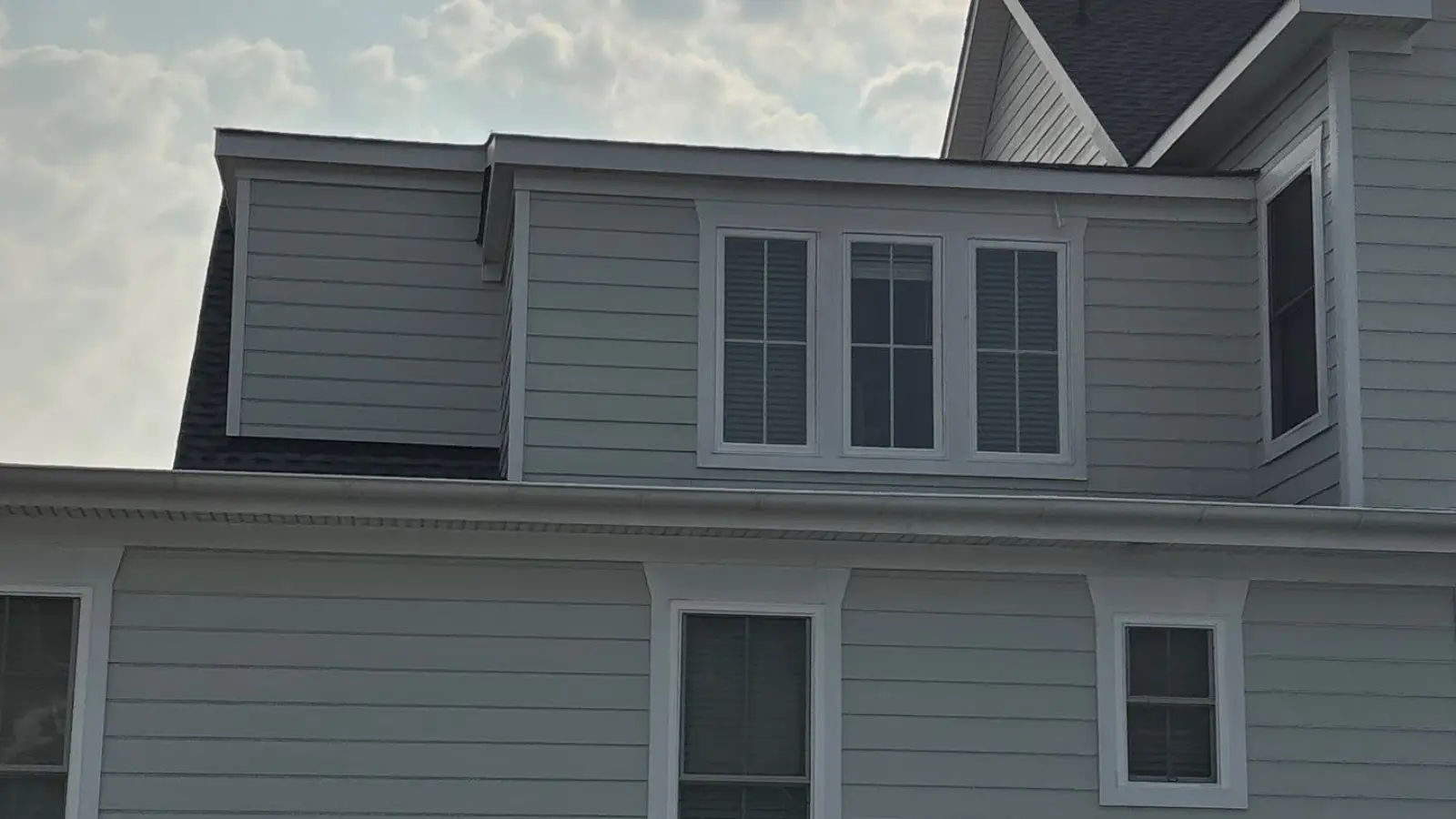
Many homeowners focus on appearance and durability but overlook another important factor: energy efficiency.
Your home’s siding works alongside insulation, house wrap, and air sealing to help regulate indoor temperatures throughout the year.
Some siding systems naturally perform better than others.
Generally speaking:
- Insulated vinyl siding helps reduce heat transfer.
- Fiber cement contributes to a stable building envelope when properly installed.
- Composite siding offers excellent insulating performance when paired with quality underlayment.
- Brick and stone veneer provide outstanding thermal mass, helping moderate temperature fluctuations.
According to the U.S. Department of Energy, improving the building envelope through quality insulation and air sealing can significantly reduce heating and cooling costs while improving indoor comfort.
When completing your siding material comparison, consider not only the siding itself but also how it integrates with your home’s overall insulation system.
Maintenance Matters More Than Many Homeowners Realize
Every siding material requires some level of maintenance.
The difference lies in how often that maintenance is needed.
Here’s a general comparison:
Low Maintenance
- Vinyl
- Composite
- Metal
- Brick veneer
- Stone veneer
Moderate Maintenance
- Fiber cement
- Engineered wood
Higher Maintenance
- Traditional wood
Understanding future maintenance commitments is an important part of making a smart siding material comparison.
Some homeowners enjoy maintaining natural materials.
Others prefer products that require little more than occasional cleaning.
Choosing the option that fits your lifestyle will help ensure long-term satisfaction.
Cost vs. Long-Term Value
The least expensive siding isn’t always the most affordable over its lifetime.
While vinyl generally offers the lowest upfront cost, higher-end materials may provide greater durability and fewer maintenance expenses over several decades.
When evaluating siding options, consider:
- Initial installation cost
- Maintenance expenses
- Repair frequency
- Expected lifespan
- Energy savings
- Potential resale value
A comprehensive siding material comparison should always look beyond today’s price tag and evaluate the total cost of ownership.
Sometimes spending more initially can save significantly more over the life of your home.
Which Siding Performs Best in Virginia Beach?
Because Virginia Beach experiences high humidity, coastal winds, salt air, and occasional tropical storms, some siding materials naturally perform better than others.
Many homeowners find excellent long-term success with:
- Premium vinyl siding
- Fiber cement siding
- Composite siding
These materials provide strong moisture resistance while requiring relatively little maintenance.
Traditional wood remains beautiful but generally requires more frequent upkeep due to the region’s humid environment.
Metal siding also performs well but may not suit every home’s architectural style.
Ultimately, the best choice depends on your home’s design, your budget, and your maintenance preferences.
Working with an experienced local contractor can help you determine which option best fits your specific needs.
Don’t Forget Professional Installation
Even the highest-quality siding won’t perform as expected if it’s installed incorrectly.
Professional installation includes much more than attaching panels to the exterior walls.
Contractors must ensure:
- Proper flashing installation
- Effective moisture management
- Correct expansion spacing
- Secure fastening methods
- Adequate ventilation
- Proper sealing around windows and doors
- Compliance with manufacturer specifications
These installation details play a major role in how well your siding performs over time.
At Reitzel Roofing & Exteriors, every project is completed with careful attention to these critical details because a successful exterior renovation depends on both premium materials and expert craftsmanship.
How to Choose the Best Siding for Your Home
After reviewing the strengths and weaknesses of today’s most popular exterior products, you may still be wondering which one is the best choice. The truth is, there isn’t a one-size-fits-all answer. The right siding depends on your home’s location, architectural style, budget, maintenance expectations, and long-term goals.
If you’re planning to stay in your home for decades, investing in a premium material with exceptional durability may provide greater value over time. If affordability and low maintenance are your top priorities, high-quality vinyl siding could be the ideal solution. Homeowners looking for timeless curb appeal may prefer engineered wood or fiber cement, while those seeking a luxury appearance often choose brick or stone veneer.
A thoughtful siding material comparison should always balance appearance, performance, maintenance, and long-term cost rather than focusing on price alone.
Before making your final decision, ask yourself:
- How much maintenance am I willing to perform?
- What weather conditions will my siding face?
- How long do I plan to stay in this home?
- What style best complements my home’s architecture?
- Do I value lower upfront costs or long-term durability?
Answering these questions will help narrow your options and make the selection process much easier.
Why Homebuyers Should Pay Close Attention to Siding
If you’re buying a home, siding deserves just as much attention as the roof, windows, or foundation.
The condition of the exterior often reveals how well a property has been maintained over the years. Damaged or aging siding may indicate hidden moisture problems, deferred maintenance, or future repair costs.
During the home-buying process, inspect the exterior for:
- Warped or loose siding panels
- Cracked or broken boards
- Fading or peeling finishes
- Soft spots around windows and doors
- Mold or mildew staining
- Gaps around trim
- Signs of water intrusion
A professional exterior inspection can identify issues that aren’t immediately visible and help you make a more informed purchasing decision.
For many buyers, performing a siding material comparison also helps estimate future maintenance costs and determine whether the home’s current siding meets their long-term expectations.
Why Reitzel Roofing & Exteriors Helps Homeowners Make Confident Decisions
At Reitzel Roofing & Exteriors, we know that replacing your siding is a significant investment. That’s why we focus on education first and sales second.
Instead of recommending the same material for every home, we take the time to understand your goals, evaluate your property’s condition, and explain the advantages of each option based on your specific needs.
Our team considers important factors such as:
- Your home’s architectural design
- Coastal weather exposure
- Budget and long-term value
- Desired maintenance level
- Energy efficiency goals
- Curb appeal preferences
By providing honest recommendations and expert installation, we help homeowners choose siding that delivers lasting performance, beauty, and peace of mind.
Whether you’re replacing aging siding or upgrading a newly purchased home, we’ll guide you through every step of the siding material comparison process so you can make a confident investment.
Common Mistakes to Avoid When Choosing Siding
Selecting new siding is exciting, but rushing the decision can lead to costly regrets. Avoiding these common mistakes will help ensure your investment delivers the protection and appearance you’re looking for.
Choosing Based Only on Price
The least expensive siding isn’t always the best value. Consider durability, maintenance, energy efficiency, and expected lifespan before making your decision.
Ignoring Virginia Beach’s Coastal Climate
Salt air, humidity, and strong winds place additional demands on exterior materials. Choosing siding designed to withstand these conditions can significantly extend its lifespan.
Overlooking Maintenance Requirements
Every siding product requires some level of care. Be realistic about how much maintenance you’re willing to perform over the coming years.
Hiring an Inexperienced Contractor
Even premium materials can fail if they’re installed incorrectly. Choose a licensed, insured contractor with proven experience installing siding systems in coastal environments.
Focusing Only on Appearance
While curb appeal is important, siding should also provide long-term protection, improve energy efficiency, and resist moisture intrusion. A complete siding material comparison considers both beauty and performance.
Conclusion: Invest in Siding That Protects Your Home for Years to Come
Your home’s siding is one of its most important lines of defense. It shields your family from the elements, improves energy efficiency, enhances curb appeal, and helps preserve your property’s long-term value. With so many products available today, taking the time to complete a thorough siding material comparison is one of the smartest investments you can make before starting an exterior renovation.
Every material offers unique strengths. Vinyl provides affordability and low maintenance, fiber cement delivers exceptional durability, engineered wood offers classic beauty, composite siding combines modern performance with attractive design, and brick or stone veneer creates timeless elegance with remarkable longevity. The best choice depends on your home’s location, your maintenance preferences, your budget, and your long-term goals.
If you’re planning an exterior upgrade or preparing to purchase a home, let our experts guide you through a professional siding material comparison so you can choose the right siding with confidence. Contact Reitzel Roofing & Exteriors today to schedule your consultation and discover how the right siding can transform both the appearance and performance of your home.
FAQS
1: Which siding material lasts the longest?
A: Brick veneer, stone veneer, and metal siding typically offer the longest lifespans, often lasting 50 years or more with proper installation and maintenance. Fiber cement and composite siding also provide excellent longevity, while premium vinyl siding can last several decades. A professional siding material comparison helps homeowners determine which option best fits their home’s needs and budget.
2: What is the lowest-maintenance siding option?
A: Vinyl siding, composite siding, metal siding, and brick veneer are among the easiest materials to maintain. Most require only occasional cleaning to preserve their appearance. Traditional wood siding generally requires the most maintenance because it needs regular painting or staining to protect against moisture and weather exposure.
3: Which siding performs best in Virginia Beach’s climate?
A: Because of the area’s humidity, salt air, heavy rain, and occasional tropical storms, premium vinyl, fiber cement, and composite siding are excellent choices for many homeowners. These materials provide strong moisture resistance and long-term durability while requiring relatively little maintenance. Evaluating local weather conditions is an essential part of any siding material comparison.
4: Does new siding improve a home’s energy efficiency?
A: Yes. Modern siding systems, especially when paired with quality insulation and weather-resistant barriers, help reduce air leaks and improve the home’s thermal performance. Insulated siding products can also contribute to lower heating and cooling costs while improving indoor comfort.
5: Is replacing siding a good investment before selling a home?
A: Absolutely. New siding enhances curb appeal, increases buyer confidence, and can improve a property’s resale value. Buyers appreciate knowing the exterior has been updated with durable materials that require less maintenance. Reviewing a siding material comparison before beginning your project helps you choose a product that balances appearance, durability, and return on investment.