Buying a home in Virginia is an exciting step, but one of the most important features to evaluate is the roof. The material covering your home plays a major role in how well it performs, how long it lasts, and how much it costs to maintain. Understanding the best roofing materials Virginia climate conditions require can help you make a confident and informed decision.
Why Roofing Material Matters for Home Buyers
The roof is your home’s first line of defense against weather, moisture, and temperature changes. Choosing the right material impacts:
- Longevity of the roof
- Energy efficiency
- Maintenance costs
- Resale value
For buyers, understanding roofing materials Virginia climate compatibility ensures you are not inheriting hidden problems or future expenses.
Virginia’s Climate and Roofing Challenges
Virginia experiences a mix of weather conditions that can stress roofing systems:
- Hot, humid summers
- Cold winters with occasional snow and ice
- Heavy rainfall and storms
- Seasonal temperature swings
These conditions make it essential to choose roofing materials Virginia climate conditions can withstand without premature wear or damage.
Most Popular Roofing Materials in Virginia
Asphalt Shingles
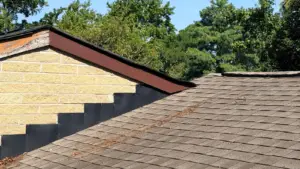
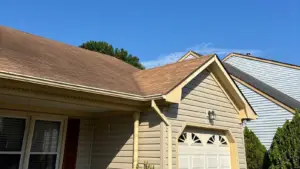
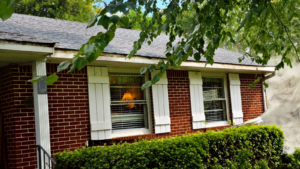
Asphalt shingles are the most common choice among roofing materials Virginia climate homeowners rely on.
Pros:
- Affordable and widely available
- Easy to install and repair
- Variety of styles and colors
Cons:
- Shorter lifespan compared to premium materials
- Can degrade faster in extreme heat
- Less resistant to strong winds
Metal Roofing
Metal roofs are gaining popularity in roofing materials Virginia climate trends due to their durability.
Pros:
- Long lifespan (40–70 years)
- Reflects heat, improving energy efficiency
- Resistant to extreme weather
Cons:
- Higher upfront cost
- Can be noisy during heavy rain
- Requires professional installation
Slate Roofing
Slate is one of the most durable roofing materials Virginia climate homeowners can choose.
Pros:
- Extremely long lifespan (100+ years)
- Elegant and timeless appearance
- Highly resistant to fire and weather
Cons:
- Expensive
- Heavy, requiring strong structural support
- Specialized installation needed
Wood Shingles and Shakes
Wood roofing offers a natural look and remains a classic among roofing materials Virginia climate homes.
Pros:
- Attractive and unique appearance
- Natural insulation properties
Cons:
- High maintenance
- Vulnerable to moisture and fire
- Shorter lifespan in humid climates
Synthetic Roofing Materials
Composite materials are becoming a modern solution for roofing materials Virginia climate challenges.
Pros:
- Lightweight and durable
- Mimics natural materials like slate or wood
- Lower maintenance
Cons:
- Varies in quality
- May have higher upfront costs
Comparison Table: Roofing Materials Virginia Climate
| Material | Lifespan | Cost | Maintenance | Weather Resistance | Best For |
| Asphalt Shingles | 15–30 years | Low | Moderate | Moderate | Budget buyers |
| Metal Roofing | 40–70 years | Medium-High | Low | Excellent | Energy efficiency |
| Slate Roofing | 75–100+ years | High | Low | Excellent | Luxury homes |
| Wood Shingles | 20–30 years | Medium | High | Moderate | Aesthetic appeal |
| Synthetic Roofing | 30–50 years | Medium | Low | High | Balanced performance |
This table highlights how roofing materials Virginia climate conditions impact performance and value.
How to Choose the Right Roofing Material
When evaluating roofing materials Virginia climate options, home buyers should consider:
Budget
Determine what you can afford both upfront and long term.
Durability
Choose materials that can withstand Virginia’s weather.
Maintenance
Consider how much upkeep you are willing to handle.
Aesthetic Appeal
Select a style that complements the home.
Energy Efficiency and Roofing Materials
Energy efficiency is a major factor when choosing roofing materials Virginia climate homes.
Reflective materials like metal roofing help reduce heat absorption, lowering cooling costs during hot summers.
Common Mistakes Home Buyers Should Avoid
When evaluating roofing materials Virginia climate homes, avoid these mistakes:
- Choosing based on price alone
- Ignoring climate compatibility
- Overlooking maintenance requirements
- Skipping professional inspections
The Importance of Professional Installation
Even the best roofing materials Virginia climate options will fail if not installed properly. Professional installation ensures:
- Proper sealing and ventilation
- Long-lasting performance
- Warranty protection
How Roofing Affects Home Value
The right roofing material can significantly impact resale value. High-quality roofing materials Virginia climate buyers trust often:
- Increase property value
- Attract more buyers
- Reduce time on the market
Why Home Buyers Choose Reitzel Exteriors
At Reitzel Exteriors, we help buyers understand roofing materials Virginia climate demands and make the best choice for their home.
Our services include:
- Expert inspections
- Honest recommendations
- High-quality installations
- Long-term solutions
Future Trends in Roofing
Roofing materials Virginia climate trends are evolving with:
- Sustainable materials
- Solar-ready systems
- Improved durability technologies
- Modern design options
Final Thoughts
Choosing the right roofing material is one of the most important decisions you will make as a home buyer. By understanding roofing materials Virginia climate conditions, you can select a roof that offers durability, efficiency, and long-term value.
Frequently Asked Questions
1: What is the best roofing material for Virginia climate?
A: Metal and synthetic roofing materials perform very well due to their durability and resistance to weather.
2: How long do asphalt shingles last in Virginia?
A: Typically 15 to 30 years, depending on maintenance and weather conditions.
3: Is metal roofing worth the cost?
A: Yes, it offers long-term savings and durability, making it a strong option among roofing materials Virginia climate buyers consider.
4: Are wood shingles a good choice in Virginia?
A: They offer great aesthetics but require more maintenance due to humidity.
5: Should I replace the roof before buying a home?
A: If the roof is near the end of its lifespan, replacement may be a smart investment.