Your commercial roof is more than just a cover—it is one of the most critical investments protecting your building, operations, and long-term assets. A properly planned commercial roof installation safeguards your property from weather damage, energy loss, and costly interruptions to your business.
In this comprehensive guide, you will learn how commercial roofing systems work, which materials are best for different buildings, what the installation process looks like, how long it takes, and what factors affect cost. Drawing on proven industry experience, this guide is designed to help business owners, property managers, and investors make confident, informed decisions.
Understanding Commercial Roof Installation Basics
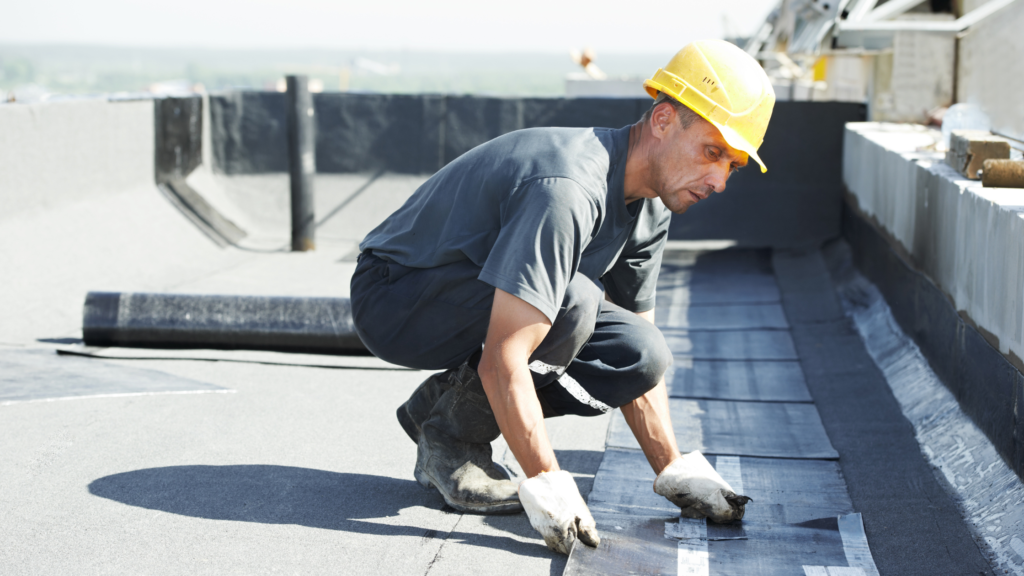
Commercial roof installation involves designing and installing a roofing system built to handle large surface areas, flat or low-slope designs, and heavy mechanical loads such as HVAC units.
Installation vs. Replacement vs. Repair
-
Installation is needed for new construction or major system upgrades
-
Replacement is required when an existing roof has reached the end of its lifespan
-
Repair addresses localized damage but does not solve system-wide failure
Unlike residential roofing, commercial systems are engineered for durability, drainage performance, and long-term maintenance planning. Commercial roofs also require specialized materials, trained crews, and strict safety protocols.
Single-Ply Membranes
-
TPO: Energy-efficient, reflective, cost-effective
-
PVC: Excellent chemical resistance and durability
-
EPDM: Flexible, proven performance, long lifespan
Pros: Lightweight, fast installation
Cons: Vulnerable to punctures if poorly maintained
Built-Up Roofing (BUR)
Multi-layer asphalt and fabric system
Pros: Strong, redundant waterproofing
Cons: Heavier and longer installation time
Modified Bitumen
Enhanced asphalt roofing with polymer reinforcement
Pros: Durable, flexible, good for high-traffic roofs
Cons: Higher labor cost than single-ply
Metal Roofing Systems
Standing seam or panel systems
Pros: Long lifespan, low maintenance
Cons: Higher upfront cost
Fluid-Applied and Coating Systems
Seamless waterproof layers applied on site
Pros: Minimal disruption, great for restorations
Cons: Not ideal for severely damaged roofs
Green Roofing Options
Vegetative systems for sustainability and insulation
Pros: Energy savings, environmental benefits
Cons: Structural requirements and higher planning costs
The Roof Installation Process: Step-by-Step
A professional roof installation follows a structured process to ensure quality and compliance.
-
Initial Consultation & Roof Assessment
Structural review, drainage analysis, and condition evaluation -
Material Selection & Proposal Review
Choosing the right system based on budget and building needs -
Permitting & Scheduling
Code compliance, inspections, and timeline coordination -
Tear-Off & Deck Preparation
Removing old materials and repairing the roof deck -
Installation Phases
Insulation, membrane placement, flashing, and sealing -
Quality Inspection & Final Walkthrough
Verifying workmanship, drainage, and system integrity -
Post-Installation Cleanup
Site cleanup and debris removal with minimal disruption
How Long Does Commercial Roof Installation Take?
Most commercial roofing projects take several days to a few weeks, depending on size and complexity.
Factors That Affect Timeline
-
Roof size and building height
-
Type of roofing system
-
Weather conditions
-
Structural repairs needed
Minimizing Business Disruption
Experienced contractors schedule work in phases, maintain safe access points, and coordinate around business hours whenever possible.
Roof Installation Cost Factors
The cost of commercial roofing varies widely based on several factors.
Key Cost Drivers
-
Material type (single-ply, metal, BUR, etc.)
-
Total square footage
-
Labor and crew size
-
Regional labor rates and climate conditions
Hidden Costs to Watch For
-
Structural deck repairs
-
Drainage upgrades
-
Code compliance changes
-
Extended warranties
Understanding these factors helps you budget realistically for a long-lasting commercial roof installation.
Choosing the Right Commercial Roofing Contractor
Your contractor choice can determine the success or failure of the entire project.
What to Look For
-
Proper licensing and certifications
-
Proven experience with commercial roofing systems
-
Strong safety record and trained crews
Questions to Ask
-
What systems do you specialize in?
-
What warranties are included?
-
How do you handle inspections and quality control?
Red Flags to Avoid
-
Unclear contracts
-
No proof of insurance
-
Unrealistically low pricing
Always confirm workmanship warranties and manufacturer coverage before signing.
Maintenance After Commercial Roof Installation
Proper care protects your investment long after installation is complete.
Post-Installation Care Tips
-
Keep drains and gutters clear
-
Avoid unnecessary foot traffic
-
Address minor issues early
Inspection Schedule
-
Twice per year (spring and fall)
-
After severe storms
Routine maintenance can extend the lifespan of your commercial roof by many years and reduce unexpected repair costs.
Final Thought
A well-planned commercial roof installation protects your building, controls long-term costs, and keeps your business running without disruption. From selecting the right roofing system to working with a qualified contractor and maintaining your roof over time, every step plays a critical role in long-term performance.
If you’re planning a new installation or reviewing the condition of your existing roofing system, contact us to schedule a professional consultation. Our team can provide a detailed assessment, discuss your options, and offer a free estimate to help you make informed decisions with confidence.
Join Our Community
Join our community on Facebook, and don’t forget to subscribe to us on YouTube for new content each week.
FAQs
1. What is commercial roof installation?
Roof installation is the process of installing a roofing system designed for flat or low-slope commercial buildings.
2. How long does commercial roof installation take?
Most projects take a few days to several weeks, depending on roof size, material type, and weather conditions.
3. What is the best roofing system for commercial buildings?
Single-ply membranes like TPO, PVC, and EPDM are popular for durability, energy efficiency, and cost control.
4. How much does roof installation cost?
Costs vary based on materials, square footage, labor, and structural complexity of the building.
5. How often should a commercial roof be inspected?
Commercial roofs should be inspected at least twice a year and after major storms to prevent costly damage.