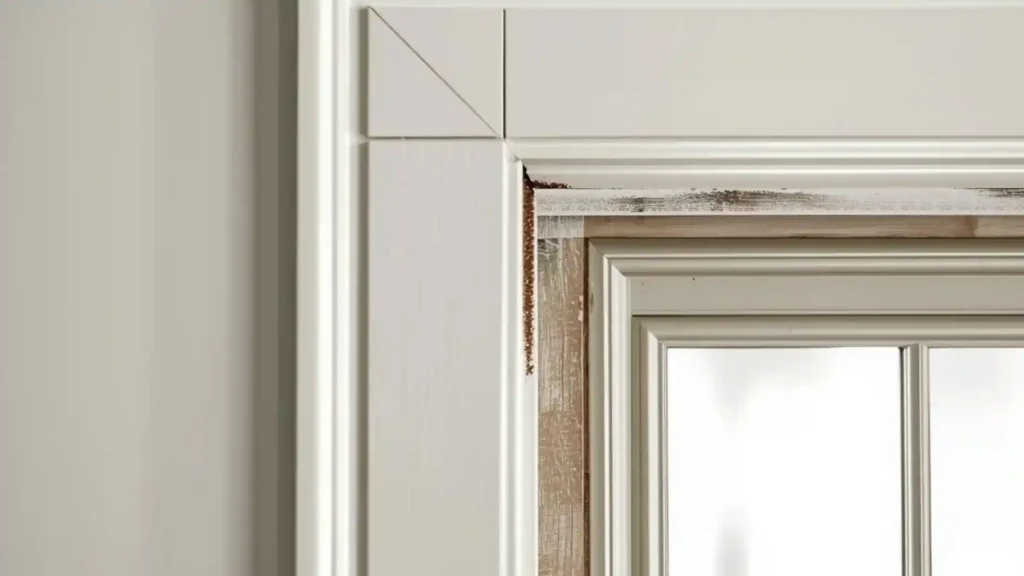
Trim is the finishing material used around doors, windows, floors, and ceilings. It covers gaps between walls and surfaces while adding a polished, professional look to your home. Common trim types include baseboards, door casing, window casing, crown molding, and shoe molding.
Homeowners install trim to improve appearance, protect wall edges, and increase property value. Well-installed trim makes rooms look complete and hides small imperfections that naturally occur during construction or remodeling.
Essential Tools You’ll Need to Install Trim
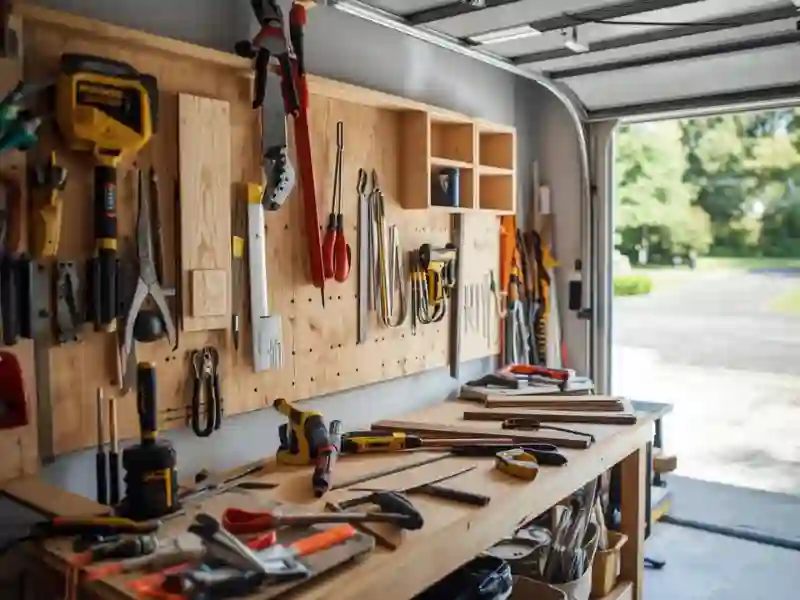
Having the right tools makes trim work faster, cleaner, and more accurate. Before you begin, gather these essentials:
Miter saw for precise angle cuts
Finish nail gun or hammer and finish nails
Tape measure and pencil for accurate layout
Level to keep trim straight
Caulking gun for finishing seams
Quality tools reduce mistakes and help ensure tight joints and smooth finishes.
Preparing for Your Install Trim Project
Preparation is the difference between a professional result and a frustrating experience.
Start by letting wood trim acclimate indoors for at least 48 hours to prevent future shrinking or expansion. Measure all walls, doors, and windows carefully, and plan your cuts before touching the saw. Label each piece so installation stays organized and efficient.
Good planning saves material, time, and rework.
Step-by-Step: How to Install Trim Around Doors and Windows
Door and window trim, also called casing, frames openings, and enhances architectural detail.
Measure each side of the opening
Cut miters at 45 degrees for corners
Dry-fit pieces to check alignment
Nail trim starting from the top piece
Secure sides evenly without over-nailing
Take your time here; small alignment errors are easy to see once painted.
How to Install Trim Along Baseboards
Baseboards protect walls from damage and visually anchor a room.
Begin in a corner and work around the room. Cut inside corners using coping or tight miters. Nail baseboards into wall studs, not just drywall. Keep the bottom edge tight to the floor for a clean look.
This is one of the most common areas homeowners install trim, and accuracy matters.
Cutting Techniques: Miters, Coping, and Butt Joints
Understanding cut types helps you get professional-looking joints:
Miter joints work best for outside corners
Coped joints create tight inside corners on uneven walls
Butt joints are useful where trim meets door casings
Using the right cut in the right place reduces gaps and improves durability.
Finishing Touches: Caulking, Filling Nail Holes, and Painting
Finishing is what makes trim look seamless.
Fill nail holes with wood filler, lightly sand smooth, and apply paintable caulk along seams. Once dry, paint or touch up the trim for a crisp, uniform finish. These small steps dramatically improve the final result.

Common Mistakes to Avoid When You Install Trim
Avoid these frequent issues:
Skipping wood acclimation
Measuring without accounting for corners
Over-nailing and splitting trim
Ignoring uneven walls and floors
Rushing finishing work
Taking extra care prevents visible gaps and future repairs.
Final Thought
Taking the time to install trim the right way can completely change how your home looks and feels. Trim may seem like a small detail, but clean lines, tight joints, and smooth finishes make a big visual impact. With proper planning, the right tools, and careful execution, this project delivers professional-level results without major renovation costs. Whether you’re updating one room or finishing an entire home, well-installed trim adds lasting beauty, value, and craftsmanship that you’ll appreciate every day.
Need Help With Your Trim Project?
If you’d rather leave the work to professionals, we’re here to help. Our experienced team delivers precise, clean, and durable trim installation for doors, windows, and baseboards. Contact us to schedule a consultation or request a free estimate. Let us handle the details and give your home the finished look it deserves.
Join Our Community
Join our community on Facebook, and don’t forget to subscribe to us on YouTube for new content each week.
FAQs
1. Why should I acclimate trim before installation?
Acclimating trim prevents warping and gaps caused by moisture changes after installation.
2. What is the easiest trim for beginners to install?
Baseboards are easiest because they use straight runs and simple cuts.
3. Should trim be nailed into drywall or studs?
Trim should always be nailed into wall studs for strength and durability.
4. Is coping better than mitering inside corners?
Yes. Coping creates tighter joints on uneven walls and lasts longer.
5. Do I caulk trim before or after painting?
Caulk after installation but before final paint for smooth, seamless lines.