Northern Virginia experiences its fair share of extreme weather, and hailstorms are one of the most common threats to residential roofs. Even a short hailstorm can cause significant damage, affecting your home’s structural integrity and leading to costly repairs. Understanding hail storm roof damage northern Virginia, how to assess it, and the preventive measures you can take is essential for every homeowner.
Understanding Hail Storm Roof Damage
Hail varies in size and intensity. While small hailstones might only cause cosmetic damage, larger hailstones comparable to golf balls or even larger can compromise shingles, dent gutters, and damage vents. Damage may not always be immediately visible, which is why regular inspections after a storm are crucial.
Common signs of hail damage include cracked or missing shingles, which can expose the roof to leaks, and granule loss on shingles, as asphalt shingles often lose protective granules that reduce durability and lifespan. Dents in gutters, vents, or flashing are also common, and even minor dents in metal roofing components can impact drainage. Additionally, leaking or water stains inside the home, such as on ceilings or in the attic, are often a clear indicator of roof damage. Early detection is key to minimizing repair costs and preventing further damage.
Assessing the Severity of Roof Damage
Not every hail strike requires a full roof replacement. Some damage can be repaired, while severe impacts may necessitate a complete overhaul. Homeowners should consider whether the damage is minor cosmetic damage, such as small dents or surface scratches on shingles that may not affect functionality but should still be monitored, or structural damage, including cracked or missing shingles, leaks, and damaged flashing, which requires immediate professional attention.
Insurance considerations are also important, as most homeowners’ insurance policies in Northern Virginia cover hail damage. Documenting the damage with photos, videos, and inspection reports is critical when filing a claim. Hiring a licensed roofing contractor ensures a thorough inspection, an accurate assessment, and professional recommendations for repairs or replacement.
Preventive Measures to Protect Your Roof
While hailstorms cannot be stopped, homeowners can take several steps to minimize damage. Using impact-resistant roofing materials, such as Class 4 shingles, is highly recommended in hail-prone areas as they are designed to withstand severe hail. Regular roof maintenance, including inspections twice a year and after storms, can help identify weak points before they become major problems. Trimming nearby trees is another precaution, as overhanging branches can break during a storm and worsen roof damage.
Installing gutter guards protects your gutters from clogging and ensures proper water drainage, while securing loose roofing components, including vents, flashing, and other fixtures, can prevent them from being torn off during storms. Proactive maintenance not only extends the life of your roof but also can save homeowners thousands of dollars in repair costs.
Tips for Handling Post-Hail Storm Damage
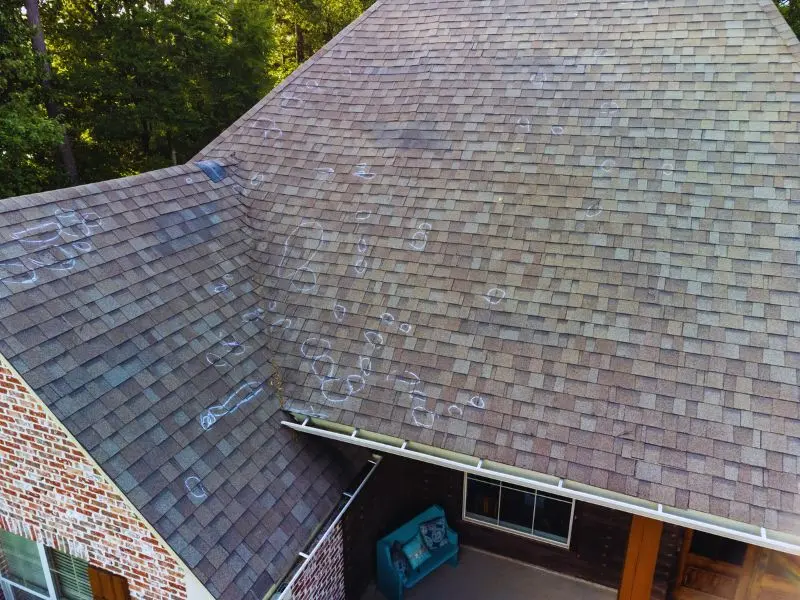
Safety should always come first, so avoid climbing on the roof immediately after a storm, as hail may leave surfaces slippery or unstable. It is essential to document everything by taking photos and videos of visible damage, as this documentation is crucial for insurance claims. Contact your insurance company promptly to notify them about the damage and schedule an inspection to begin the claim process.
Hiring a licensed roofing contractor is also recommended, as professionals can provide a detailed damage assessment, recommend necessary repairs, and ensure insurance claims are handled accurately. Homeowners should avoid temporary fixes, such as using tarps or adhesive patches without professional guidance, as these measures may lead to more serious problems later. Following these steps ensures that your home is repaired efficiently and safely.
Final Thoughts
Hailstorms are unpredictable, but being prepared can make a huge difference in protecting your home. Recognizing hail storm roof damage northern Virginia, acting promptly after a storm, and taking preventive measures can save homeowners significant time and money.
Regular inspections, preventive upgrades, and timely repairs are essential to maintain your roof’s integrity. By following these steps, Northern Virginia homeowners can safeguard their property, ensure family safety, and minimize the long-term impact of hail damage. Secure Your Home After a Storm – Request a Quote!
FAQs
1: How do I know if my roof has hail damage?
Look for cracked, broken, or missing shingles, granule loss, dents in gutters or vents, and water stains in your attic or ceilings. If in doubt, have a professional inspection.
2: Does homeowners’ insurance cover hailstorm roof damage in Northern Virginia?
Most standard policies cover hail damage. Coverage may vary, so review your policy carefully and document the damage thoroughly.
3: Can small hailstones damage a roof?
Yes, even small hail can cause granule loss and cosmetic damage, especially over repeated storms. While minor damage may not require immediate replacement, it should still be monitored.
4: How long does it take to repair hail storm roof damage?
Minor repairs may take a few hours to a couple of days, while full roof replacements can take several days depending on roof size, material, and weather conditions.
5: What materials are best for hail-prone areas?
Class 4 asphalt shingles, metal roofing, and synthetic slate are highly resistant to hail damage and often recommended for Northern Virginia homes.