If you’re a business owner, the hardest part of planning commercial roof replacements usually isn’t choosing a material; it’s budgeting with confidence. You want a number you can trust, a timeline you can plan around, and zero “oh by the way” add-ons after the work starts. This guide breaks down average pricing, the biggest quote drivers, hidden costs, and smart ways to get accurate bids so your project stays predictable.
Average Cost Ranges by Roof Size (Cost Per Square Foot)
Most commercial roof replacement cost estimates are built around a cost per square foot range. A common planning range is:
-
$5–$15 per sq ft (installed)
Why the range is wide: different roofing systems, access challenges, insulation needs, and tear-off requirements can move pricing fast.
Quick Roof Size Budget Examples
Use these sample ranges as a starting point:
-
5,000 sq ft roof: $25,000–$75,000
-
10,000 sq ft roof: $50,000–$150,000
-
20,000 sq ft roof: $100,000–$300,000
-
50,000 sq ft roof: $250,000–$750,000
These are budgeting numbers, not final bids. Your final commercial roof replacement cost should come from a site inspection and a detailed scope.
Cost Factors That Impact Your Quote
When contractors price commercial roof replacements, these are the factors that most often change your number:
1) Materials and System Type
Single-ply membranes (like TPO roofing and EPDM) price differently from metal or built-up systems. Material choice also affects seams, detailing, and labor hours.
2) Labor and Crew Time
Labor costs rise when:
-
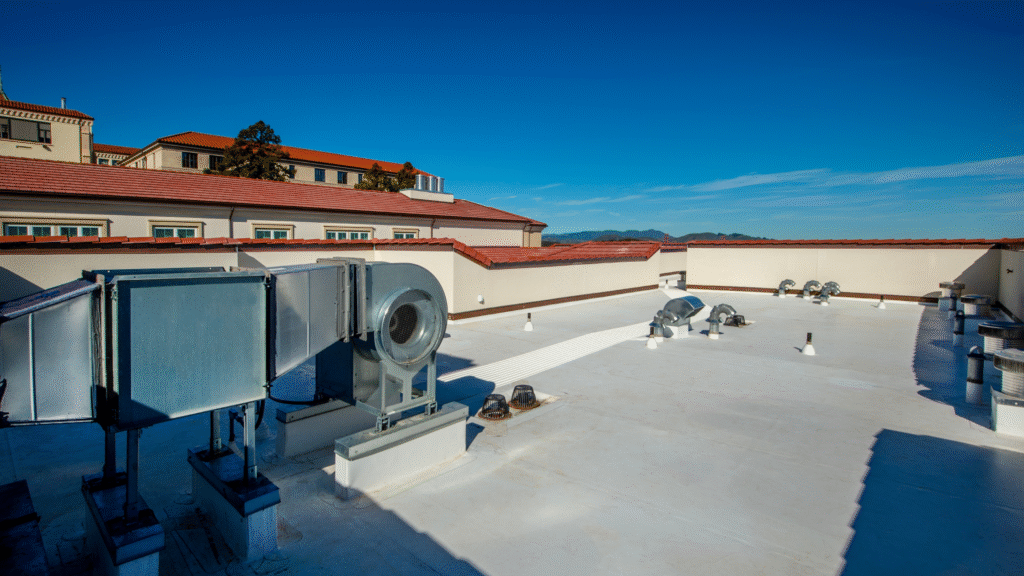
The roof has many penetrations (HVAC, vents, drains)
-
There are multiple levels or odd shapes
-
Work must happen after-hours to avoid business disruption
3) Roof Access and Logistics
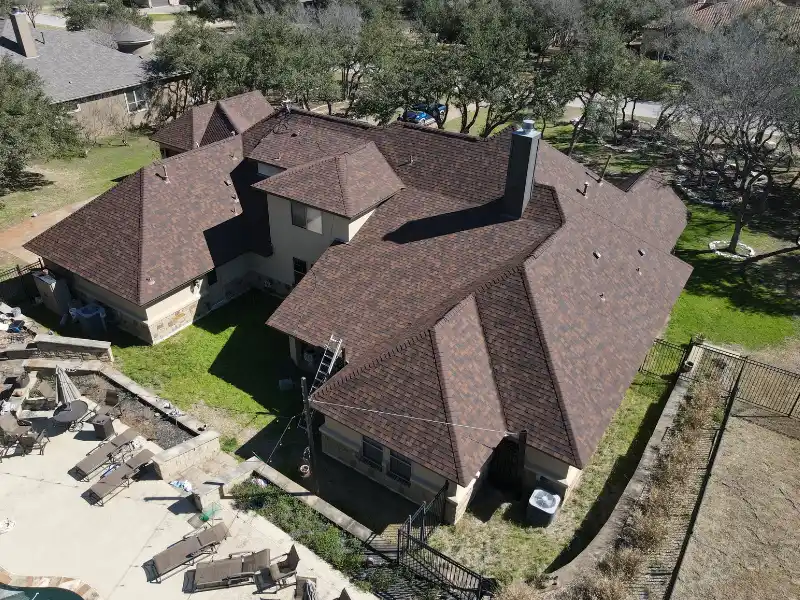
“Roof access” can sound small, but it’s a major driver of cost per square foot. Limited staging space, tight alleys, or multi-story buildings can require extra equipment and safety measures.
4) Building Complexity and Safety Requirements
More edge protection, stricter site controls, and heavier equipment can increase the total. Complexity also increases detailing work around parapets, curbs, and drains.
Material Comparison Chart: TPO, EPDM, PVC, Metal, Built-Up Roofing
Below is a simple comparison to help you match budget and performance goals.
| Material | Best For | Typical Strengths | Watch Outs |
|---|---|---|---|
| TPO roofing | Many flat/low-slope commercial roofs | Reflective, energy-friendly, popular pricing | Quality depends on installation details |
| EPDM | Budget-friendly flat roofs | Proven durability, flexible membrane | Usually black (can absorb heat), seam quality matters |
| PVC | Grease/chemical exposure areas | Strong chemical resistance, heat-welded seams | Often higher cost |
| Metal | Long lifespan and durability | Strong, low maintenance, great longevity | Higher upfront cost, detailing matters |
| Built-Up Roofing (BUR) | Traditional multi-layer roofs | Good puncture resistance | Heavier system, longer install time |
If you’re comparing systems mainly for budget, TPO roofing often comes up as a strong balance of performance and price. EPDM can also be a cost-effective option depending on your building needs and local labor rates.
Hidden Costs to Budget For (So They Don’t Shock You Later)
Even well-run projects can get expensive if these items aren’t included from day one:
Tear-Off vs. Overlay
Removing the old roof (tear-off) adds labor, disposal, and time. Some buildings allow an overlay, but not always—local codes, moisture, and roof condition decide.
Insulation Upgrades
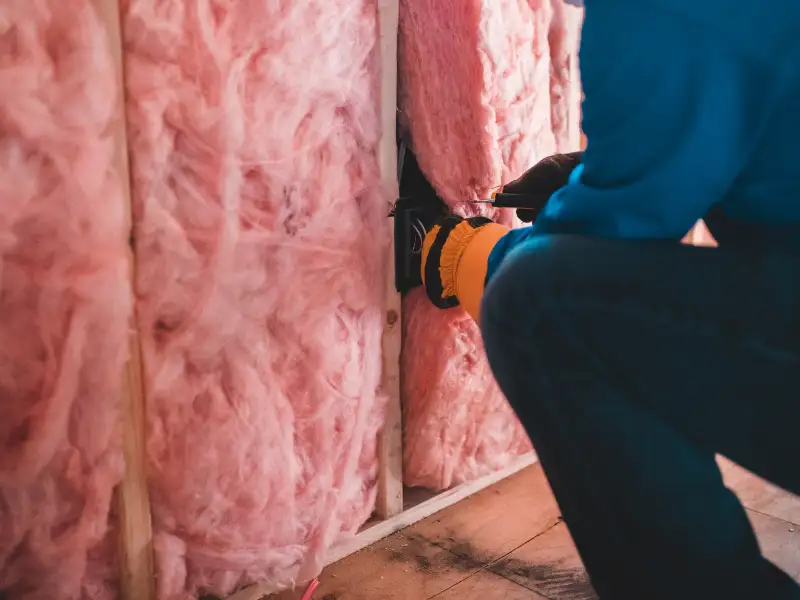
Insulation can be a major line item. It also affects comfort and energy use long after the project ends. If your quote doesn’t clearly list insulation type and thickness, ask.
Permits and Code Requirements
Local permits and code upgrades can add real cost, especially if the existing roof is far from current standards. Make sure your quote states who handles permits and inspections.
Structural Repairs
If the deck has rot, corrosion, or hidden damage, repairs can push the number up quickly. A good contractor will inspect and explain risk areas before the job starts.
These are the biggest reasons two bids can look “too different” even when both contractors seem professional.
Regional Price Variations (And What Causes Them)
Your commercial roof replacement cost can shift based on location. Here’s why:
-
Labor markets: Some regions have higher prevailing wages
-
Material supply: freight and availability change pricing
-
Permitting and inspections: strict jurisdictions add steps and time
-
Weather windows: short roofing seasons can increase demand and costs
If you’re comparing quotes from different areas or contractors sourcing different suppliers, expect pricing differences even for the same cost per square foot target range.
ROI and Long-Term Value: More Than Just “Cheapest”
The goal isn’t only to complete commercial roof replacements, but also to avoid repeating the project too soon.
Where ROI usually comes from
-
Energy savings: reflective systems can reduce cooling load (especially with TPO roofing)
-
Fewer repairs: better detailing and drainage reduce leak risk
-
Longer service life: the right system lowers lifetime cost
-
Warranty coverage: clearer warranty terms can protect your budget later
A lower bid can be expensive if it skips insulation, underprices critical detailing, or includes vague language that leads to change orders.
Financing Options for Commercial Roof Replacements
If cash flow is the main challenge, you still have practical paths forward. Common options include:
1) Contractor Financing or Partner Lenders
Some roofing companies offer financing programs. These can help spread the cost while still addressing urgent roof issues.
2) Bank or Business Term Loan
A standard business loan can work well for planned projects with clear ROI, especially if the roof upgrade supports energy savings or protects inventory.
3) Equipment/Capital Improvement Financing
Some businesses treat a roof as a capital improvement and finance it similarly to major equipment. Check with your accountant for what fits your situation.
4) Phased Replacement
For large facilities, you can sometimes phase the work by sections to match annual budgets without compromising quality.
If you’re planning commercial roof replacements soon, ask contractors whether they can provide financing options or introduce reputable lenders.
How to Get Accurate Quotes From Contractors (And Compare Them Correctly)
The fastest way to prevent cost surprises is to control the scope and compare bids fairly.
Ask for a Written Scope of Work
Your quote should clearly list:
-
System type and brand (membrane, insulation, cover board)
-
Tear-off vs overlay
-
Flashing and edge metal details
-
Drainage plan (scuppers, drains, taper system if needed)
-
Cleanup and disposal
-
Permits and inspections
Request a Per Square Foot Breakdown
Even if your project is priced as a lump sum, ask for the cost per square foot so comparisons stay simple.
Confirm What “Repairs” Are Included
A good quote explains allowances or unit pricing for unexpected deck repairs, instead of leaving it vague.
Compare Warranties Apples-to-Apples
Ask:
-
Warranty length (labor + material)
-
What voids coverage
-
Whether inspections are required to keep it valid
Validate Experience With Your Roof Type
If you’re leaning toward TPO roofing or EPDM, ask how many similar roofs they’ve installed recently, and request photos or references.
Final Thought
To budget properly for commercial roof replacements, use this quick plan:
-
Start with a realistic range: $5–$15 per sq ft
-
Add a buffer for hidden items (tear-off, insulation, permits, repairs)
-
Choose materials based on long-term value, not only price
-
Get at least 2–3 detailed bids with a clear scope
-
Compare cost per square foot, scope details, and warranties side-by-side
Join our community on Facebook, and don’t forget to subscribe to us on YouTube for new content each week. If you’re planning a roof project and want a clear, no-surprise quote, contact us today. Our team is ready to review your roof, answer your questions, and help you budget confidently for commercial roof replacements.
Join Our Community
Join our community on Facebook, and don’t forget to subscribe to us on YouTube for new content each week.
FAQs
1 How much do commercial roof replacements cost?
Usually $5–$15 per sq ft, depending on roof type and site conditions.
2 What raises the price the most?
Tear-off, insulation upgrades, hard roof access, and deck/structural repairs.
3 Is TPO cheaper than EPDM?
Often similar, but pricing depends on thickness, insulation, labor rates, and roof details.
4 Do I need permits for a roof replacement?
Most areas require permits, and inspections confirm it’s included in the quote.
5 How do I avoid surprise charges?
Get a detailed scope, per-sq-ft pricing, and written allowances for repairs and extras.