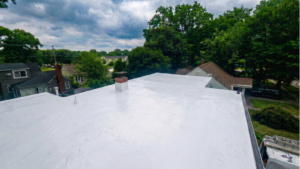
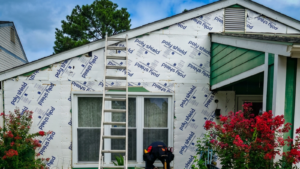
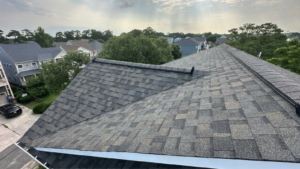
A low slope roof is a popular choice for sunrooms, home additions, porches, garages, and modern homes. These roofs provide a sleek design and efficiently manage space and drainage, but they require proper maintenance to prevent leaks.
Unlike steep roofs that shed water quickly, this roofing style allows rain to move more slowly across the surface. Water may remain longer on the roof, increasing the risk of moisture intrusion if materials or drainage systems fail.
For homeowners in Virginia Beach, where heavy rain, humidity, and coastal storms are common, keeping a low slope roof watertight is especially important. Even minor issues can quickly lead to significant damage to the structure and interior.
Understanding how leaks develop and how to prevent them can help protect your investment and extend the life of the roof. This guide explores the main causes of leaks, preventative steps, and why professional services are crucial for long-term protection.
Why Low Slope Roofs Are More Vulnerable to Leaks
A low slope roof typically has a pitch of less than 3:12, meaning it rises less than three inches for every twelve inches of horizontal distance.
While effective when properly installed, these roofs present unique challenges.
Water Drains More Slowly
The main difference between steep and low-pitch roofs is how water flows. Steep roofs allow rain to reach gutters quickly, while these roofs drain more slowly, increasing the chance of standing or ponding water that can penetrate seams or small material imperfections.
Dependence on Waterproofing Materials
Because water remains longer on the surface, these roofs rely heavily on waterproof membranes and properly sealed seams. Common systems include modified bitumen, TPO membranes, EPDM rubber, PVC, metal panels, and built-up roofing. Even with these materials, leaks can occur if seams separate or flashing deteriorates.
Exposure to Storm Damage
Virginia Beach’s coastal weather can stress the roof. Heavy rain, strong winds, and debris can damage materials or clog drainage systems. When water cannot drain properly, the risk of leaks increases.
Homeowners should maintain the roof proactively and address small issues early.
The Most Common Causes of Leaks
Preventing leaks begins with understanding their causes. Many problems can be avoided with proper care.
Ponding Water
One common issue is ponding water, which occurs when water collects in low areas. Standing water stresses roofing materials and may eventually cause leaks. Causes include improper slope, blocked drainage, structural settling, and debris buildup.
Damaged Membranes
Single-ply membranes like TPO, EPDM, or PVC are durable but can be damaged by debris, foot traffic, seam separation, UV exposure, or aging. Even minor tears allow water to penetrate the roofing system.
Flashing Failures
Flashing seals vulnerable areas such as where the roof meets walls, chimneys, skylights, or vents. Loose or deteriorated flashing is a common source of leaks.
Clogged Drainage Systems
Gutters, downspouts, and internal drains must remain clear. Debris can block drainage, causing water to back up and infiltrate the roof system.
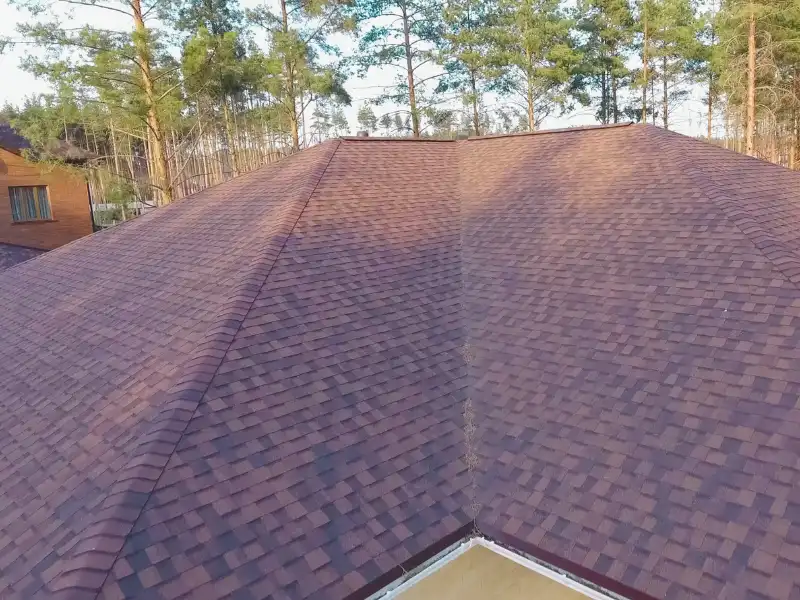
Preventative Maintenance
Regular maintenance is key to avoiding costly repairs and extending roof life.
Schedule Inspections
Professional inspections can detect early issues such as membrane deterioration, seam separation, flashing weaknesses, and drainage problems. Annual inspections are recommended, especially for a low slope roof.
Keep the Roof Clean
Debris such as leaves, branches, dirt, and moss should be removed to prevent blocked drainage and ponding water.
Maintain Gutters and Downspouts
Cleaning gutters and downspouts regularly ensures water flows properly away from the roof, reducing the risk of leaks.
Repair Small Issues Quickly
Minor damage should be addressed promptly, including sealing cracks, repairing loose flashing, and fixing membrane punctures, which helps prevent larger problems.
Why Professional Repairs Are Essential
While DIY repairs may seem tempting, professional contractors provide the safest and most effective solutions.
Accurate Leak Detection
Leaks may travel along structural components before appearing inside. Professionals can pinpoint the source and recommend effective repairs.
Specialized Materials and Techniques
Repairs often require specific materials and installation methods. Experts ensure membranes, flashing, and sealants are applied correctly for lasting protection.
Long-Term Solutions and Safety
Temporary fixes rarely solve the underlying issue. Professionals restore the full waterproofing system while following proper safety protocols.
Why Virginia Beach Homeowners Choose Reitzel Roofing & Exteriors
Choosing the right roofing contractor makes a big difference. Homeowners trust Reitzel Roofing & Exteriors for expert services on all roof types, including low slope roofs.
Experienced Professionals
Their team has extensive experience inspecting, repairing, and maintaining roofs to ensure durability and performance.
Local Knowledge of Coastal Conditions
Virginia Beach’s storms, heavy rain, and strong winds require roofing solutions that withstand local climate challenges.
Comprehensive Inspections and Quality Workmanship
Detailed inspections identify the root cause of problems, and high-quality materials with skilled installation ensure long-lasting results.
Customer-Focused Service
Reitzel Roofing & Exteriors provides clear communication and reliable service to give homeowners peace of mind.
Protect Your Roof From Costly Leaks
A low slope roof can be durable and efficient when maintained properly. Understanding the causes of leaks, performing regular inspections, maintaining drainage, and addressing repairs promptly are key to protection.
For Virginia Beach homeowners, partnering with a professional contractor ensures the roof remains strong, durable, and leak-free for years. Reitzel Roofing & Exteriors provides trusted solutions to protect your investment. Contact them today to schedule an inspection.
FAQs
1. What is a low-slope roof?
A low-slope roof has a gentle pitch, usually less than 3:12, ideal for modern homes and commercial buildings.
2. Why do low-slope roofs leak easily?
Water drains slowly on low-slope roofs, making them more prone to leaks if not properly maintained.
3. How can I prevent leaks on a low-slope roof?
Regular inspections, proper drainage, and sealing seams help prevent leaks on a low-slope roof.
4. What materials work best for low-slope roofs?
EPDM, TPO, and modified bitumen are durable materials suited for low-slope roof leak prevention.
5. How often should a low-slope roof be inspected?
Inspect your low-slope roof at least twice a year and after major storms to prevent leaks early.