Roof problems rarely happen randomly. In most cases, weather is the number one reason roofs get damaged, wear out faster, or suddenly start leaking. Storms, heat, ice, and heavy rain don’t just create damage. They also affect when and how repairs can be done safely and correctly.
If you want fewer surprises, lower repair bills, and longer roof life, you need to understand the weather impact on roof repairs. It helps you spot risks early, plan the right time for work, and choose materials that match your local climate.
Hail damage and repair complexity
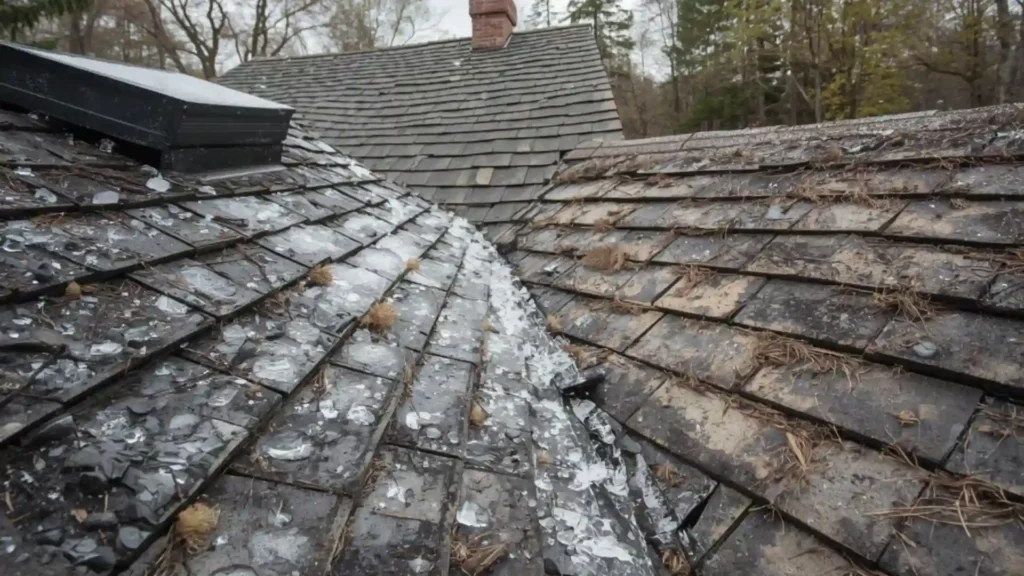
Hail can bruise shingles, crack tiles, dent flashing, and knock off protective granules. The difficult part is that hail damage is not always obvious from the ground. A roof may look fine, but the surface can be weakened. That weakness can later turn into leaks, sometimes months after the storm. Hail-related repair work usually needs a close inspection of shingles, vents, flashing, roof edges, and valleys, because damage can be spread across many areas. This is one of the clearest examples of the weather’s impact on roof repairs, because the damage can be hidden and wide-ranging.
Weather Impact on Roof Repairs: Emergency Repair Timing
High winds can lift shingles, break the seal that holds them down, pull off ridge caps, and loosen flashing. Wind can also throw branches and debris onto the roof, causing punctures or cracks. Wind damage often turns into an emergency because lifted shingles can blow away completely during the next gust. Once the underlayment is exposed, the next rain can create fast leaks. That’s why wind damage usually needs quick action instead of waiting.
Rain and water intrusion repairs
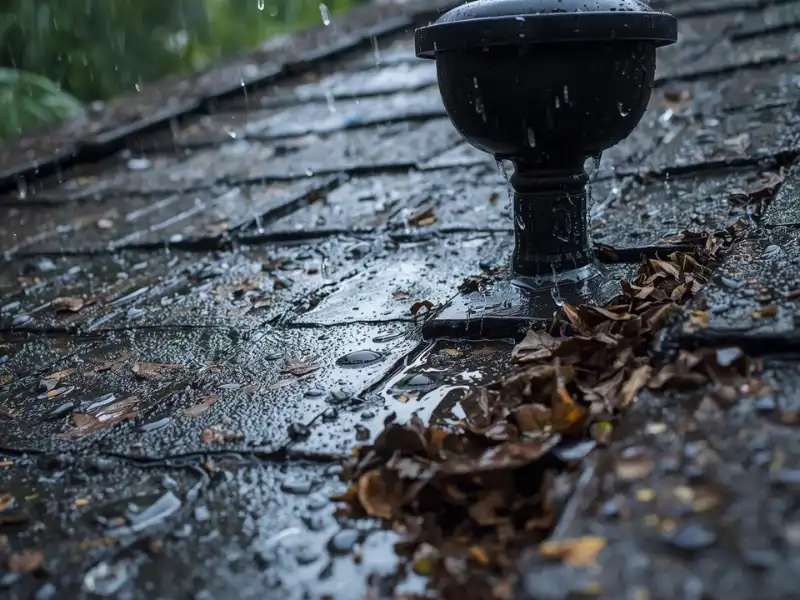
Rain is the main reason small roof issues become bigger and more expensive. Water can travel along roof decking, move behind gutters, and follow rafters, so the interior stain you see may not be right below the actual entry point. Rain-related repairs often involve finding leaks around chimneys, skylights, vent boots, valleys, and roof-wall intersections where flashing may be weak. Rain also makes diagnosis harder because active water flow can hide the real path, so many repair teams test and confirm once the roof surface is dry.
Snow/ice and structural repair considerations
Snow adds weight to the roof, ice dams trap water near the edges, and freeze-thaw cycles can widen small gaps over time. Together, these issues can create problems that involve more than just replacing shingles. Snow and ice repairs often require checking ventilation and insulation because poor airflow and heat loss can increase ice dam risk. In some cases, roof decking needs to be inspected for moisture damage, and the roof structure may need evaluation if there are sagging or repeated heavy load stress. In winter climates, repairs are often about the full system, not just the top layer.
Heat/UV and preventative repairs
Heat and UV exposure break down roofing materials slowly but constantly. Strong sun can dry out asphalt shingles, weaken their sealing strips, and cause curling or cracking. Extreme heat also expands materials, which can stress fasteners and joints over time. In hot climates, repairs are often preventative, meaning homeowners fix early damage before leaks start. This long-term wear is another major reason the weather impact on roof repairs is so important, especially in areas with strong sunlight and high summer temperatures.
Why spring repairs are different from winter repairs
Spring often reveals damage that built up during winter storms, such as loose shingles, weakened flashing, and hidden leaks. However, spring can also bring frequent rain and shifting temperatures, which may delay repair schedules. Winter repairs are usually harder and riskier because snow and ice create slip hazards, materials can become brittle, sealing can be less reliable in low temperatures, and daylight hours are shorter. Spring repairs are often about catching winter problems early before heavy rain turns them into bigger leaks.
Temperature restrictions for roofing materials
Many roofing materials work best within certain temperature ranges. When it is too cold, shingles may not seal properly, and adhesives may not bond the way they should. When it is too hot, shingles can scuff, tear, or become too soft during installation. Temperature affects how the underlayment lies flat, how the sealants cure, and how durable the final repair will be. This is a practical reason why the weather impact on roof repairs matters, because even a skilled crew needs the right conditions for long-lasting results.
Weather windows for optimal repair work
The best repairs usually happen during stable weather windows. Dry conditions help prevent moisture from getting trapped under new materials. Mild temperatures improve sealing and make work safer. Light wind makes it easier to handle shingles and flashing without risking poor installation. When you plan around better weather windows, you reduce risk and improve the quality and speed of the work.
Weather conditions that make repairs unsafe
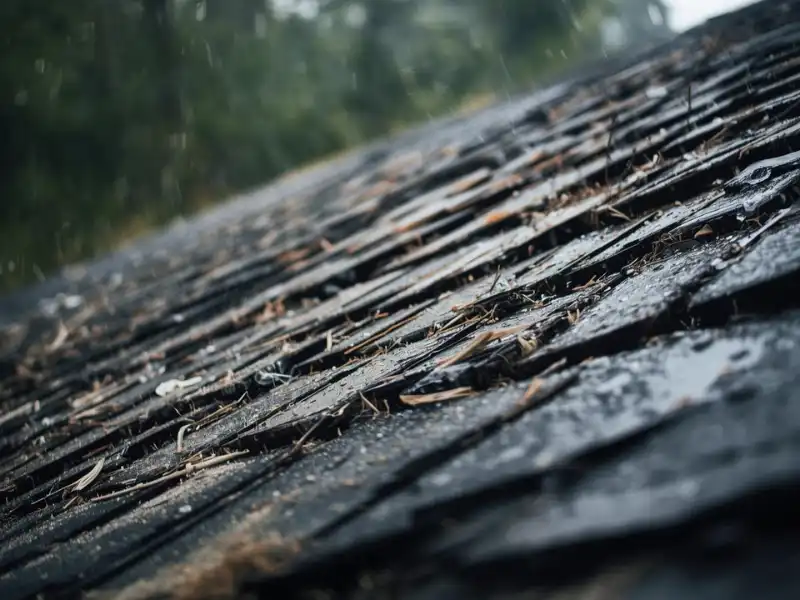
Some weather conditions make roof repairs unsafe and should delay full work. Lightning and active storms create immediate danger. Strong winds can throw off balance and move materials unpredictably. Snow-covered and ice-covered roofs increase slip risk. Heavy rain creates a slick surface and can hide weak spots. In these situations, it is safer to pause, protect the roof temporarily, and return when conditions improve.
Temporary solutions during bad weather
When the weather will not allow full repairs, temporary protection can still prevent bigger damage. A contractor may place emergency tarps over exposed areas, apply short-term sealing around flashing leaks, or do limited patching to stop active water entry until proper repairs can be completed. These are not final solutions, but they help control damage and keep the situation from getting worse during storms or cold conditions.
Cost implications of weather-related delays
Delays can raise repair costs because moisture may keep spreading. A small leak can soften decking, damage insulation, and increase the chance of mold. Repeated storms can widen the damaged area, meaning more materials and labor later. Also, emergency service calls are often more expensive than scheduled repairs. This is another real-world side of the weather impact on roof repairs, because timing can change both the repair size and your final bill.
Impact-resistant shingles for hail-prone areas
In hail-prone areas, impact-resistant shingles can reduce bruising and cracking during storms. These shingles are designed to handle hits better than standard products, which can lower the chance of frequent replacements. Choosing stronger materials for your region can help reduce storm-related repair cycles over time.
Wind-rated materials
If your area gets strong winds, wind-rated roofing materials and correct fastening patterns matter a lot. A proper system helps reduce shingle lifting, blow-offs, and edge failures. Wind performance depends not only on the shingle type, but also on starter strips, ridge caps, sealing lines, and flashing details around roof edges and openings.
Climate-specific recommendations
A roof that performs well in one climate may fail faster in another. Hot areas often need better ventilation strategies to reduce heat stress. Cold areas benefit from stronger protection against ice and water backup at vulnerable points. Rainy regions require reliable flashing and drainage systems. Areas with large temperature swings need materials that handle expansion and contraction without cracking. When your materials match your climate, you reduce repeat repairs and protect your roof longer.
Final Thought
Roof repair is not only about fixing what is broken. It is also about choosing the right time and the right materials so the repair lasts. If you track local weather patterns, schedule repairs during stable conditions, and select weather-resistant options, you can reduce repeat damage and avoid rushed emergency work. A smart approach is simple: don’t just repair the roof, repair it for the weather you actually live in. If you’re unsure when to schedule repairs or which materials make sense for your climate, contact us for professional guidance tailored to your local weather conditions. That mindset is the best way to stay ahead of the next storm, heat wave, or freeze.
Join Our Community
Join our community on Facebook, and don’t forget to subscribe to us on YouTube for new content each week.
FAQs
1) How does hail affect roof repairs?
Hail can crack or bruise shingles and damage flashing. Repairs may require a close inspection and replacing multiple sections.
2) When is wind damage an emergency?
If shingles are lifted or missing, water can enter fast. Quick temporary protection and prompt repair help prevent bigger leaks.
3) Why do roof repairs get delayed by the weather?
Rain, ice, lightning, and high winds make roofs unsafe and can stop proper sealing or bonding of materials.
4) How do snow and ice cause roof repair issues?
Ice dams trap water, and freeze-thaw cycles widen gaps. Repairs may also involve attic insulation and ventilation checks.
5) What materials help reduce repeat storm damage?
Impact-resistant shingles help in hail zones, and wind-rated systems help in windy areas. Choose materials matched to your climate.