Roof leaks can cause expensive structural damage, interior staining, mold growth, and ongoing repairs if not addressed quickly. Choosing the best roof sealant for roof leaks is the easiest and most cost-effective way to prevent water intrusion before it spreads. But with so many formulas, silicone, acrylic, rubber, polyurethane, and more knowing what to use can feel overwhelming.
In this guide, we’ll break down the major types of roof sealants and how they work. We’ll also highlight the best options for specific roof materials, including the ideal metal roof sealant, the top camper roof sealant choices, the most effective spray roof sealant, and the strongest through the roof sealant for penetrations.
By the end, you’ll know exactly which product offers the best roof sealant for leaks based on your roof type, climate, and repair needs—plus how to apply it correctly for long-lasting results.
Types of Roof Sealants
Silicone roof sealant is one of the most reliable formulas thanks to its unbeatable UV resistance and long-term flexibility. It’s ideal for rooftops exposed to constant sunlight or heavy rain. Silicone forms a watertight membrane that resists cracking and chalking.
Acrylic sealants are budget-friendly and easy to apply. They’re also paintable, making them a favorite for homeowners who want a clean, uniform finish. Acrylic works best on sloped roofs but is less suited for standing water.
Polyurethane sealants offer extremely strong adhesion, sticking tightly to wood, metal, and concrete. These are excellent for high-stress areas and surfaces where durability and toughness matter most.
Rubberized sealants remain flexible, making them ideal for expansion and contraction cycles. They perform well across temperature changes, a major factor for metal and RV roofs.
Each type has unique advantages. Use silicone for extreme weather, acrylic for cost-effective coverage, polyurethane for tough repairs, and rubberized formulas when flexibility is key.
Best Roof Sealants by Roof Type
For Metal Roofs
Metal roofing expands and contracts with temperature changes, so choosing the right metal roof sealant is essential. Look for products that remain elastic and adhere strongly to galvanized steel, aluminum, or corrugated panels.
Top picks include high-quality polyurethane sealants and specialized silicone roof sealant designed for metal. Both create flexible, watertight bonds that resist splitting. A top-tier metal roof sealant should also handle UV exposure, rust, and vibrations. These formulas ensure long-term protection and help prevent leaks around seams, screws, and fasteners.
If you want the best roof sealant for leaks on metal surfaces, choose a product rated for extreme movement and temperature shifts.
For RVs and Campers
RVs and travel trailers need specialized products because they endure wind pressure, highway vibration, and rain exposure. The ideal RV roof sealant and camper roof sealant should adhere to rubber (EPDM/TPO), fiberglass, and aluminum without cracking.
Self-leveling lap sealants are among the best choices for horizontal surfaces like vents and skylights, while non-sag formulas work well on vertical seams. A durable silicone roof sealant or rubberized option also performs great on mobile roofs due to its flexibility.
When choosing an RV roof sealant, prioritize UV protection, movement tolerance, and compatibility with your roof material. The right camper roof sealant ensures watertight protection through heat, cold, and constant travel vibration.
Spray Application
For large roofs or widespread problem areas, a spray roof sealant is one of the easiest and fastest solutions. These products create a seamless waterproof layer over shingles, metal, or flat roofing. They’re especially useful for restoring older roofs or sealing hairline cracks.
Polyurethane-based and rubberized spray formulas are the most common. A high-quality spray roof sealant delivers uniform coverage, excellent adhesion, and long-lasting leak protection.
When spraying, keep the nozzle 12–18 inches from the surface and apply thin, even coats. Always clean and dry the surface first. For long-term performance, follow the manufacturer’s recommended curing time before exposing the roof to rain.
Penetration Repairs
Areas around chimneys, vents, flashing, and skylights are some of the most leak-prone zones. A specialized through the roof sealant is designed to bond to metal, shingles, masonry, and wood without shrinking. These formulas stay flexible and resist cracking even when surfaces shift.
Use a high-grade polyurethane or silicone when repairing penetrations. A through the roof sealant provides superior adhesion where multiple materials meet and prevents water from seeping into small gaps. It’s also perfect for emergency repairs because many versions can be applied in damp conditions.
For the strongest bond, choose a product tested for mixed-surface applications.
How to Apply Roof Sealant
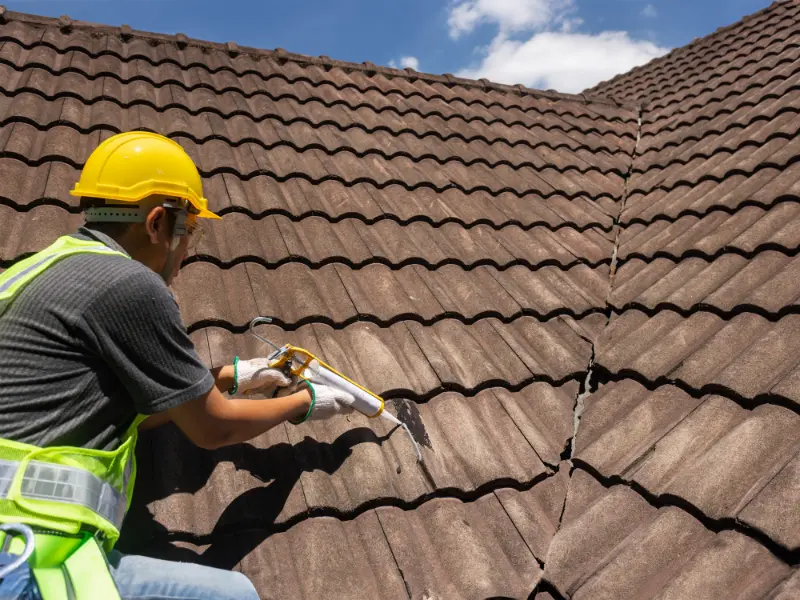
Proper application is just as important as choosing the right product. Start by cleaning the surface thoroughly—remove dirt, debris, mold, and loose materials. The roof must be clean and fully dry for the best roof sealant for leaks to adhere properly.
Next, inspect for cracks, gaps, loose fasteners, and deteriorated caulking. Cut away old material if needed. Apply painter’s tape around delicate areas to maintain clean lines.
When applying sealant, follow manufacturer instructions. For tubes, use steady pressure and smooth beads with a putty knife. For a spray roof sealant, keep coats thin and even. Avoid applying too thickly, as this can lead to slumping or improper curing.
Most sealants require 12–48 hours of curing time. Silicone and polyurethane typically cure faster, while acrylics may take longer. Always check weather conditions—avoid application during rain, freezing temperatures, or intense heat unless the product specifically allows it.
Common mistakes include applying over wet surfaces, using the wrong sealant for your roof material, skipping surface prep, and applying during poor weather. If the damage is extensive or structural, it’s best to call a roofing professional.
Why Virginia Beach Homeowners Choose Reitzel Roofing & Exteriors
When it comes to precision projects like installing Schluter trim, attention to detail and craftsmanship matter, Reitzel Roofing & Exteriors is proud to be Virginia Beach’s trusted choice for exterior and interior remodeling, offering quality, professionalism, and long-term results.
Experienced Professionals
Our expert installers understand that every detail counts. Whether we’re working on roofing, siding, or intricate tile installations, our precision-driven approach ensures flawless outcomes every time.
Locally Trusted Craftsmanship
As a Virginia Beach company, we understand the region’s coastal environment—humidity, salt air, and temperature swings can all affect materials. We use premium products and installation methods that stand up to the elements.
Quality Materials and Finishes
We partner with top manufacturers like Schluter, CertainTeed, and James Hardie to deliver projects that blend durability and beauty. Our siding, roofing, and interior finish work are built to last—and look stunning for years.
Transparent Pricing and Communication
From your first consultation to the final walkthrough, our process is transparent and client-focused. We provide detailed estimates, clear timelines, and no hidden costs—so you always know exactly what to expect.
Full-Service Exterior and Interior Solutions
Reitzel Roofing & Exteriors offers comprehensive home improvement solutions
roofing, siding, gutters, decks, and tile installations. Whether you need a small repair or a full renovation, our team delivers cohesive design and exceptional craftsmanship.
Proven Reputation for Excellence
Our clients trust us for reliable results and outstanding service. With five-star reviews and repeat customers across Hampton Roads, we’ve built our reputation on integrity and skill.
If you’re also planning exterior upgrades, be sure to check out our guide on roof replacement in Virginia Beach for expert tips and local insights.
Join Our Community
Join our community on Facebook and don’t forget to subscribe to us on YouTube for new content each week.
Final Thoughts
Finding the best roof sealant for leaks comes down to matching the right formula to your roof type and repair needs. Whether you need a durable metal roof sealant, a flexible RV roof sealant, or a fast-applying spray roof sealant, choosing the correct product ensures long-lasting protection.
With the right sealant and proper application, you can stop leaks quickly, prevent costly water damage, and extend the life of your roof. If in doubt, contact Reitzel Roofing & Exteriors for expert guidance.
FAQs
1. How long does roof sealant last?
Most sealants last 5–20 years depending on the formula. Silicone and polyurethane typically offer the longest lifespan.
2. Can you apply sealant in cold or wet weather?
Some through the roof sealant products and certain silicone formulas can be applied in damp conditions, but most require dry surfaces and temperatures above 40°F.
How much coverage per container?
Standard tubes cover 20–30 linear feet. A spray roof sealant typically covers 15–20 square feet per can, depending on thickness.
When is the best time of year to apply roof sealant?
Late spring and early fall are ideal because temperatures are moderate and humidity is low. Always check the label for specific temperature guidelines.