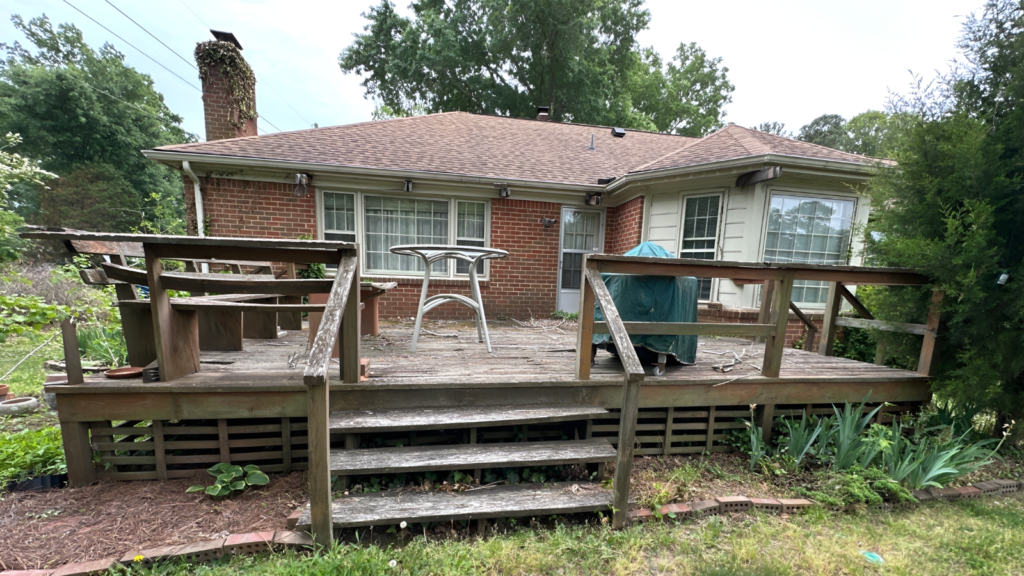
Have you ever walked into a backyard, seen a beautiful deck, and immediately pictured yourself relaxing there—coffee in hand, maybe hosting friends on a weekend? It’s a powerful selling point. For many home buyers, a well-designed deck feels like a bonus that adds lifestyle value to a property.
But here’s the reality most buyers don’t consider: not all decks are as safe as they look.
Behind that polished surface, there could be hidden structural issues, moisture damage, or aging materials that pose serious risks. Knowing when a deck requires deck repair or replacement isn’t just about maintenance—it’s about safety, financial protection, and making a smart buying decision.
At Reitzel Roofing and Exteriors, we’ve seen firsthand how overlooked deck problems can turn into expensive surprises. This guide will walk you through what to look for, how to evaluate a deck properly, and when it’s time to take action.
Why Deck Safety Should Be a Priority for Home Buyers
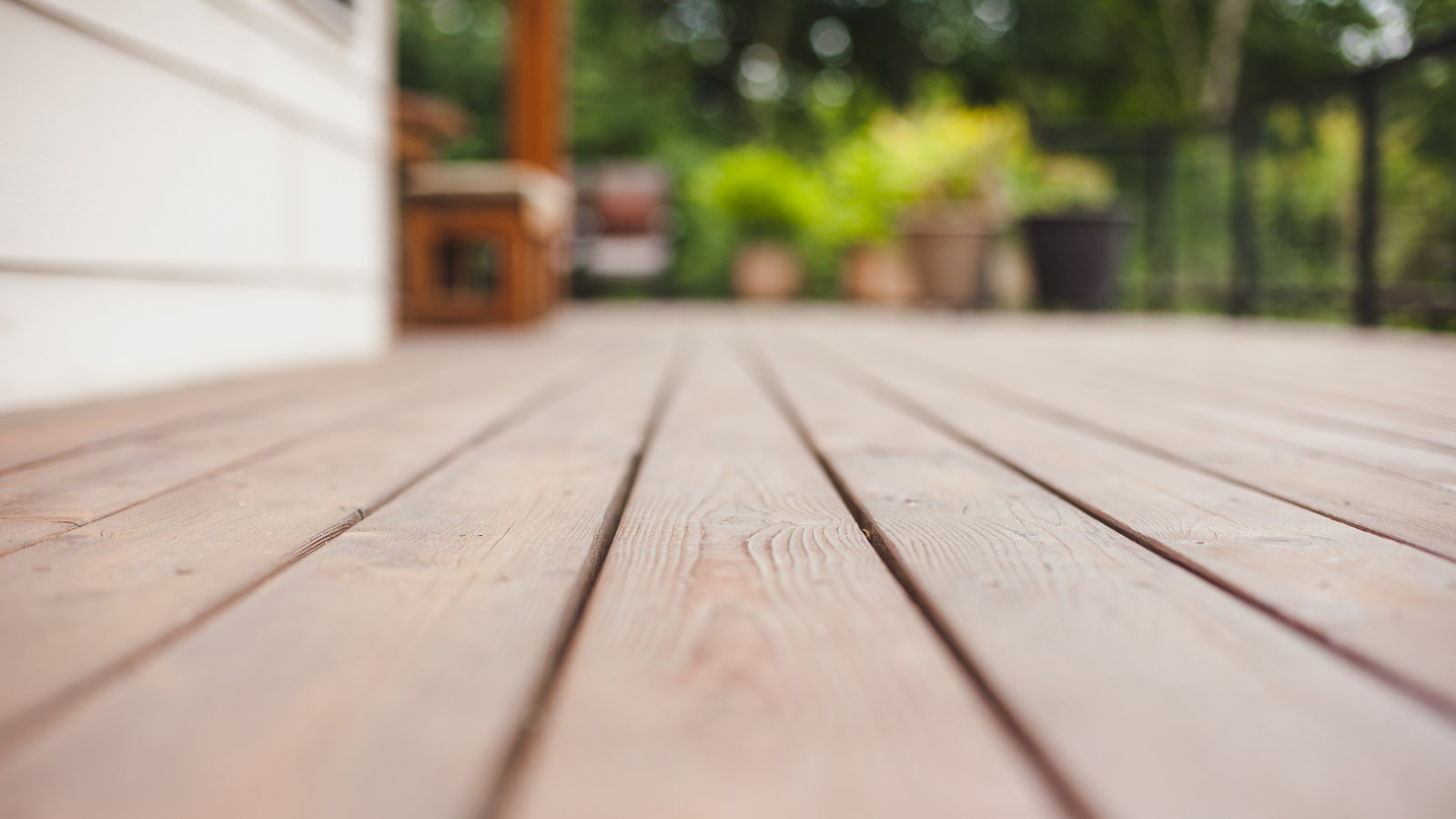
When touring homes, buyers naturally focus on kitchens, bathrooms, and overall layout. Outdoor features like decks are often appreciated visually, but rarely inspected closely.
That’s where problems start.
A deck is an exposed structure. It takes on years of weather, foot traffic, and wear without always receiving proper maintenance. Over time, even a well-built deck can develop weaknesses that aren’t immediately visible.
Understanding the need for deck repair or replacement early in the process can help you:
Avoid unexpected repair costs after closing
Ensure the safety of your family and guests
Strengthen your negotiation position
Prevent long-term structural issues
Simply put, what you don’t see can cost you.
What Causes Decks to Deteriorate Over Time
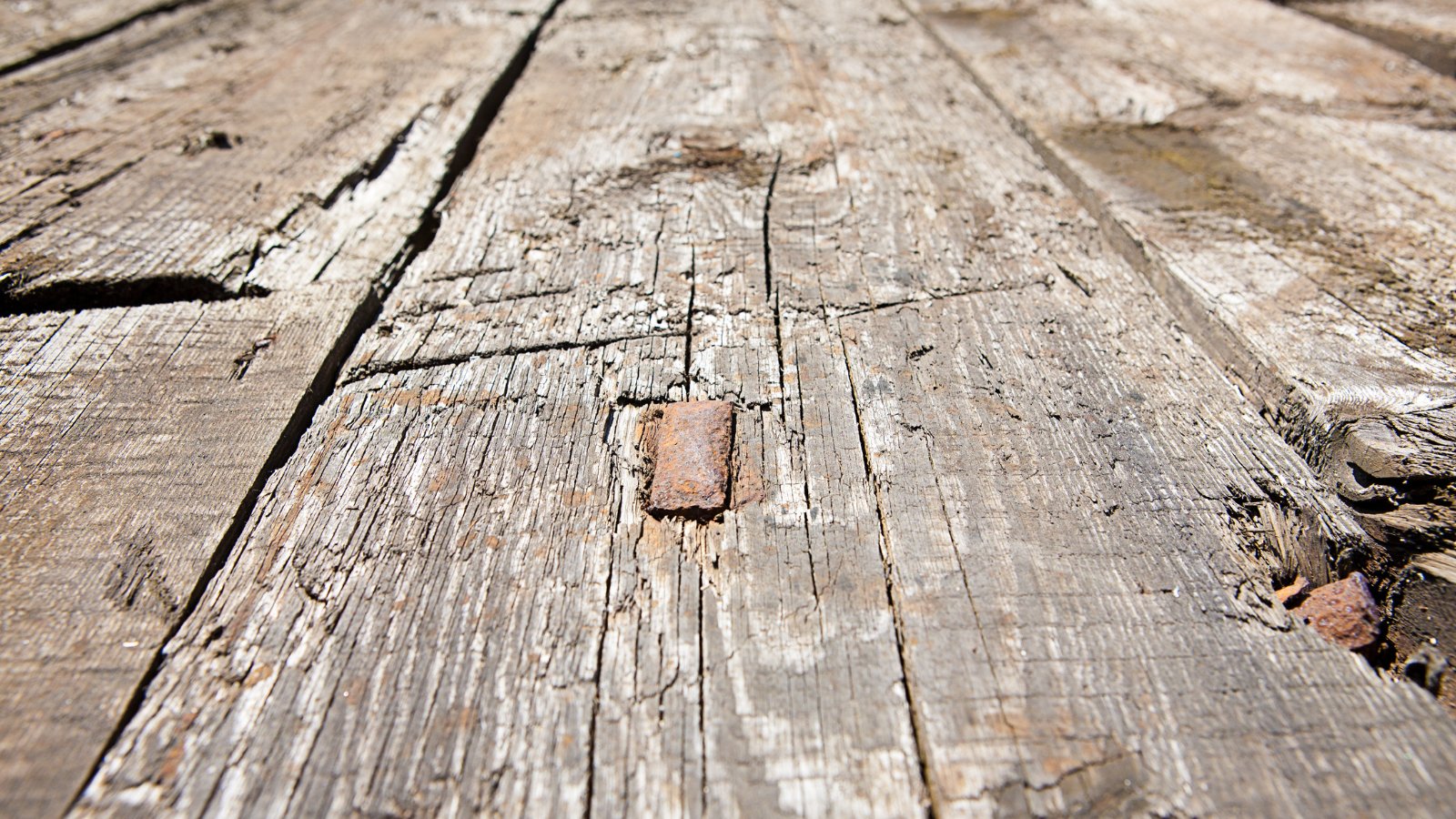
Before identifying warning signs, it’s important to understand why decks fail in the first place. Most issues don’t happen overnight—they develop slowly due to a combination of factors.
Weather Exposure
Rain, snow, and humidity are some of the biggest contributors to deck damage. Moisture seeps into wood, causing rot and weakening structural components over time.
Sun Damage
Constant UV exposure dries out wood, leading to cracks, fading, and brittleness. This makes the deck more vulnerable to further damage.
Poor Construction
If a deck wasn’t built to code or used low-quality materials, problems can appear much sooner than expected.
Lack of Maintenance
Without regular sealing, cleaning, and inspections, small issues can grow into major structural concerns.
All of these factors play a role in determining whether a deck needs simple repairs or full deck repair or replacement.
Clear Warning Signs You Should Never Ignore
Knowing what to look for can make all the difference when evaluating a property. Some signs are obvious, while others require a closer look.
Soft or Rotting Wood
If the wood feels spongy when you step on it or easily breaks apart when pressed, it’s likely affected by rot. This is one of the strongest indicators that deck repair or replacement may be necessary.
Rot doesn’t stay in one place—it spreads, weakening the entire structure over time.
Loose Railings or Shaky Guardrails
Railings are critical for safety, especially on elevated decks. If they feel loose or unstable, it’s not just a minor issue—it’s a liability.
This often points to deeper structural problems, making deck repair or replacement more urgent.
Sagging or Uneven Deck Surface
A properly built deck should feel solid and level. If you notice sagging areas or boards that dip when walked on, the support system underneath may be compromised.
This is one of the more serious signs that the deck may no longer be structurally sound.
Rusted Fasteners and Hardware
Decks rely on metal connectors, bolts, and screws to stay intact. Over time, these components can rust or corrode, especially in humid environments.
When fasteners weaken, the entire structure is at risk, often requiring deck repair or replacement to restore safety.
Cracks in Structural Components
Small surface cracks are normal, but deep splits in support posts or beams are not.
Structural cracking can indicate stress or long-term deterioration, and it’s a clear signal that more than cosmetic fixes may be needed.
Mold, Mildew, and Water Stains
Moisture problems often show up as discoloration, mold growth, or dark stains on the wood.
While surface-level issues can sometimes be cleaned, deeper moisture damage often leads to rot—making deck repair or replacement necessary.
Age of the Deck
Even if a deck looks fine, age matters. Most wooden decks last between 10 to 20 years depending on upkeep and materials.
If a deck is approaching or beyond this range, it’s worth evaluating whether ongoing repairs are still practical or if full deck repair or replacement is the better option.
Repair or Replace? Making the Right Call
One of the most common questions home buyers ask is whether a deck can be fixed or if it needs to be completely replaced.
The answer depends on the extent of the damage.
| Condition | Best Option | Why It Matters |
| Minor wear and tear | Repair | Cost-effective and manageable |
| Loose boards or railings | Repair | Localized fixes restore safety |
| Widespread rot | Replacement | Structural integrity compromised |
| Sagging foundation | Replacement | High safety risk |
| Aging deck (15+ years) | Replacement | End of usable lifespan |
| Multiple issues present | Replacement | More efficient long-term |
Understanding this distinction helps you avoid spending money on short-term fixes when a long-term solution is needed.
How Deck Issues Affect Property Value
A damaged deck can significantly impact a home’s value—often more than buyers expect.
For sellers, a neglected deck can:
Reduce buyer interest
Delay closing timelines
Lead to price reductions
For buyers, it can mean:
Unexpected repair costs
Safety concerns after moving in
Lower resale value in the future
Recognizing the need for deck repair or replacement early allows you to factor these costs into your decision and negotiate accordingly.
Why a Professional Inspection Is Worth It
While some issues are visible, many structural problems are not.
A professional inspection provides a deeper evaluation, including:
Structural stability
Condition of support beams
Integrity of fasteners
Signs of hidden moisture damage
Compliance with safety standards
At Reitzel Roofing and Exteriors, inspections are designed to give buyers clarity—not guesswork. Knowing whether you need deck repair or replacement before closing can save thousands in unexpected costs.
Long-Term Benefits of Addressing Deck Issues Early
Taking action early doesn’t just solve current problems—it prevents future ones.
When you handle deck repair or replacement at the right time, you:
Avoid emergency repairs
Extend the life of your outdoor space
Improve overall home safety
Enhance property value
Reduce long-term maintenance costs
It’s a proactive step that protects both your investment and your peace of mind.
Why Home Buyers Choose Reitzel Roofing and Exteriors
Not all contractors approach deck inspections the same way. Experience and honesty matter.
Reitzel Roofing and Exteriors stands out by offering:
Detailed, easy-to-understand inspections
Transparent recommendations
High-quality workmanship
Local expertise in weather-related wear and tear
Their team focuses on helping buyers make informed decisions—whether that means simple repairs or full deck repair or replacement.
Final Thoughts
A backyard deck should be a place to relax—not a hidden risk waiting to cause problems. For home buyers, taking the time to properly evaluate a deck can make a major difference in both safety and financial outcomes.
FAQs
1: How can I tell if a deck is structurally unsafe?
A: A structurally unsafe deck often shows multiple warning signs rather than just one issue. These include noticeable sagging, unstable railings, soft or rotting wood, and visible cracks in support beams. You might also feel movement or bouncing when walking across the surface. In more advanced cases, fasteners may be rusted or pulled away from the structure. The safest way to confirm structural safety is through a professional inspection, as some critical issues—like internal rot or weakened connections—are not visible on the surface.
2: Is it better to repair a deck or replace it entirely?
A: The decision depends on the extent and location of the damage. If the issues are limited to surface boards, railings, or minor hardware problems, repairs are usually sufficient and cost-effective. However, if the damage involves structural components such as support beams, joists, or widespread rot, replacement is often the safer and more practical solution. Older decks nearing the end of their lifespan may also benefit more from replacement rather than repeated repairs, as this ensures long-term reliability and safety.
3: How much does deck repair or replacement typically cost?
A: Costs can vary widely depending on the size of the deck, materials used, and the severity of the damage. Minor repairs might range from a few hundred dollars, while more extensive fixes can cost several thousand. Full replacement projects can range significantly higher depending on design and materials. While replacement may seem expensive upfront, it can be more cost-effective over time compared to ongoing repairs, especially for aging or structurally compromised decks.
4: Can a damaged deck affect a home purchase or negotiation?
A: Yes, a damaged deck can have a direct impact on the home buying process. Buyers can use inspection findings to request repairs, negotiate a lower purchase price, or ask for seller credits. In some cases, severe deck issues may even delay or complicate the sale if safety concerns arise during inspection. Understanding the condition of the deck gives buyers leverage and helps ensure they are not taking on unexpected expenses after closing.
5: How often should a deck be inspected for safety?
A: It’s recommended to inspect a deck at least once a year, especially before and after extreme weather seasons. Regular inspections help identify early signs of wear, moisture damage, or structural weakness. In addition to annual checks, homeowners should inspect their decks after heavy storms or prolonged exposure to moisture. Professional inspections every few years can provide a more detailed evaluation and help determine whether repairs or replacement are needed.