If traffic, neighbors, barking dogs, or construction noise are ruining your peace, your windows are likely the main culprit. The good news? You don’t have to replace them to make a big difference. This guide walks you through practical, renter-friendly solutions — including how to soundproof windows in a rental — and helps you choose the best way to soundproof a window based on your budget.
Why Your Windows Let in So Much Noise
Windows are typically the weakest point in a wall when it comes to sound control. Even if your walls are insulated, most standard windows allow noise to pass through easily. There are three main reasons for this:
1. Thin Glass
Most residential windows use single-pane or basic double-pane glass. These materials are great for letting in light, but not so great at blocking sound waves. Noise travels through solid materials by vibration, and thin glass vibrates easily.
2. Air Gaps and Leaks
Tiny cracks around the window frame, loose seals, and worn-out weatherstripping create direct pathways for sound. Even a small 1% gap in sealing can reduce sound insulation performance by up to 50%.
3. Hollow Window Frames
Many frames (especially vinyl or aluminum) are hollow, which allows sound to resonate and pass through more efficiently.
Because of these factors, windows can let in up to 70–90% of outside noise compared to insulated walls. The solution isn’t always replacement — it’s controlling vibration, sealing gaps, and adding mass.
The 5-Minute Fix: Seal Your Gaps
Before you invest in curtains, inserts, or window plugs, start here. Sealing gaps is the fastest and cheapest way to reduce noise — and it can make an immediate difference.
Step 1: Inspect the Frame
On a quiet day, stand close to your window and listen carefully for outside noise. Pay attention to any spots where sound seems stronger. Then do a visual inspection of the entire frame. Look for visible cracks between the window frame and the wall, and check for tiny gaps where daylight may be shining through. Examine the weatherstripping closely — if it appears loose, brittle, flattened, or dried out, it may no longer be sealing properly. Also, notice whether the window rattles when heavy vehicles like trucks pass by. Even very small openings can create a direct pathway for sound waves to travel into your room, so identifying these weak points is the first and most important step.
Step 2: Use Acoustic Caulk
Once you’ve identified gaps or cracks, seal them using acoustic caulk. Unlike regular caulk, acoustic caulk stays flexible over time and is specifically formulated to reduce sound transmission by blocking air pathways. Apply it carefully along the edges where the window frame meets the wall, as well as any small cracks, separation points, or gaps around trim and molding. Be thorough but neat, ensuring full coverage without overapplying.
After applying the caulk, smooth it out with a damp finger or a finishing tool to create a clean, airtight seal. This flexibility allows it to maintain soundproofing performance even as materials expand and contract with temperature changes.
Step 3: Replace Weatherstripping
Weatherstripping plays a critical role in sealing the window when it is closed. Over time, however, it can compress, crack, or lose its elasticity, reducing its effectiveness. If your weatherstripping looks worn or damaged, replace it with new material. Foam tape is a simple and affordable DIY option, while rubber or silicone strips tend to last longer and provide a more durable seal.
Once installed, close the window firmly to ensure the weatherstripping compresses properly and forms a tight barrier. A well-sealed window significantly reduces the amount of noise that can enter through small air gaps.
Why This Works
Sound travels through air. If you remove the air path, you reduce the sound path. Sealing gaps won’t completely eliminate noise, but it can reduce high-frequency sounds and rattling significantly.
For renters wondering about how to sound proof windows in a rental, this is the safest first step. Acoustic caulk can be removable depending on the product, and weatherstripping is non-permanent.
Cost: $20–$60
Difficulty: Easy
Noise Reduction: Moderate (especially for high-pitched sounds)

The 3 Best Budget Methods Under $200
If sealing gaps isn’t enough, here are three affordable upgrades that don’t require replacing your windows.
1. Acoustic Caulk + Weatherstripping (Full Treatment)
If you haven’t completed a thorough sealing job yet, combining acoustic caulk with upgraded weatherstripping should be your first move. This approach focuses on eliminating every possible air gap around the window. Start by sealing the exterior trim if it’s accessible, since outside cracks can allow sound to enter before it even reaches the interior frame. Inside, apply acoustic caulk along all seams where the frame meets the wall, including small separation points around molding.
Upgrade to thicker compression weatherstripping so the sash presses tightly against the frame when closed. Make sure the window locks are functioning properly and pulling the window firmly shut. For even better sealing, you can place draft stoppers along the window sill to close off micro gaps.
This method is the cheapest solution available, making it ideal for renters and budget-conscious homeowners. It’s also renter-friendly and improves energy efficiency by reducing drafts. However, while sealing dramatically reduces high-frequency noise and rattling, it has a limited impact on low-frequency sounds like heavy traffic rumble or bass.
Cost: $50–$100
Noise Reduction: 3–10 dB
This step is often overlooked, but it’s foundational. Even expensive upgrades won’t perform properly if air gaps remain.
2. Soundproof Curtains
Soundproof curtains offer a simple upgrade that adds mass to your window area without permanent installation. These curtains are typically made from dense, layered materials such as mass-loaded vinyl (MLV), heavy polyester blends, or fiberglass layers. The added weight helps reduce sound transmission while also absorbing some sound reflections within the room.
To maximize their effectiveness, choose curtains that extend several inches beyond the window frame on all sides. Mounting them from ceiling to floor creates a larger sound barrier, and overlapping panels in the center prevent sound from slipping through gaps. Keeping them closed during peak noise hours—like rush hour or late-night street activity—will provide the best results.
While they won’t completely block outside noise, they noticeably soften sounds and reduce echo inside the room. Installation is easy, requires no permanent modifications, and they also improve thermal insulation. Stylish designs make them functional without sacrificing aesthetics. The downside is that they provide only moderate sound blocking and are less effective against deep, low-frequency traffic noise.
Cost: $100–$200
Noise Reduction: 5–12 dB
For renters researching the best way to sound proof a window, curtains are often the most convenient and landlord-friendly solution.
3. DIY Window Plugs
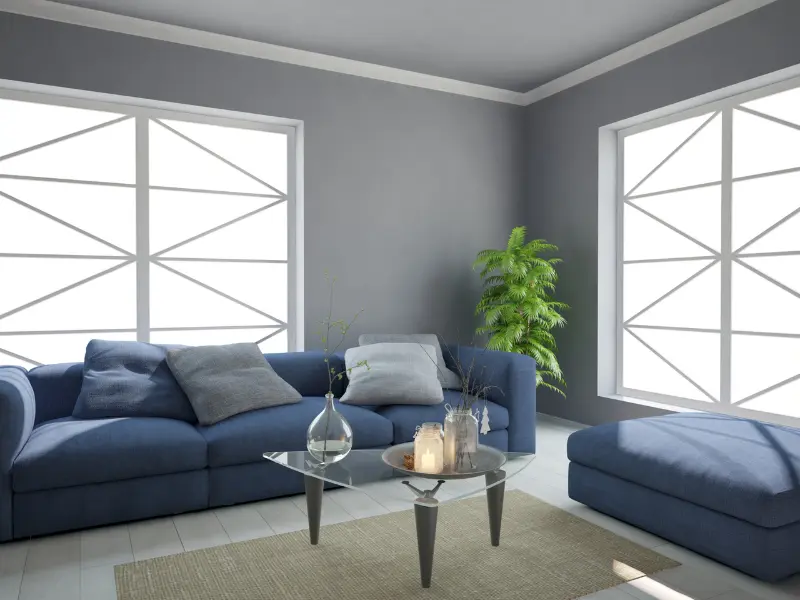
A DIY window plug is one of the most effective, budget-friendly soundproofing methods. It’s a removable insert designed to fit tightly inside the window frame, creating a solid barrier that blocks both air and sound transmission. These plugs are typically constructed from rigid foam board as the core, with optional layers like mass-loaded vinyl for added mass, acoustic foam for absorption, and a plywood backing for structure. The front can be wrapped in fabric to improve appearance.
Building one is straightforward. Measure the window opening precisely to ensure a snug fit. Cut rigid foam to size, add an MLV layer if desired for better sound blocking, and cover the exterior with fabric. Once complete, press the plug firmly into the frame so it seals tightly.
Because window plugs block both light and airflow, they are especially effective at night when you don’t need natural light. They significantly reduce noise compared to curtains or sealing alone. However, they must be removed whenever you want to open the window, and they will completely block outside visibility while installed.
Cost: $80–$150
Noise Reduction: 10–20 dB
If you’re serious about reducing noise but can’t replace your windows, plugs are often the strongest DIY option for how to sound proof windows in a rental without making permanent changes.
The Best Mid-Range Solution: Window Inserts
Window inserts are custom acrylic or glass panels installed on the interior side of your existing window. Instead of replacing the entire unit, they sit just inside the frame and create an additional air gap between the original pane and the insert. That extra layer of separation is what makes them so effective. By increasing the distance sound has to travel, inserts dramatically improve sound insulation without requiring construction work.
Why Inserts Work So Well
Sound transmission decreases when you increase mass, create air separation, and reduce vibration — and window inserts accomplish all three. The added panel increases the overall mass of the window system, making it harder for sound waves to vibrate through. The sealed air gap between the original window and the insert disrupts sound energy as it travels. At the same time, the tight fit reduces air leaks, which are one of the biggest contributors to noise problems.
Most inserts attach using magnetic strips, compression fittings, or friction-fit frames. These mounting systems allow the insert to sit snugly inside the frame without screws or permanent alterations. Because installation is non-invasive, many landlords approve them, making inserts a practical upgrade for renters who want significant improvement without violating lease agreements.
Performance
High-quality window inserts can reduce noise by 15–25 dB, depending on factors like acrylic thickness and the size of the air gap. That level of reduction can make heavy traffic sound more like distant background noise. They are particularly effective against traffic noise, construction activity, aircraft sound, and loud neighbors — especially compared to curtains or basic sealing methods.
Unlike window plugs, inserts maintain full visibility and allow natural light into the room. You won’t have to sacrifice daylight or outside views to gain better sound control.
Cost
Window inserts typically cost between $300 and $800 per window, depending on size, materials, and brand. While that’s more expensive than DIY solutions, it’s still significantly cheaper than full window replacement, which can cost thousands per opening when installation is included.
For many homeowners, inserts become the best way to sound proof a window without committing to structural renovation. They offer a strong balance between performance and practicality.
Pros
-
Strong noise reduction
-
Maintain natural light and visibility
-
Improve energy efficiency
-
Removable and non-permanent
Cons
-
Higher upfront cost
-
Must be custom-measured for proper fit
If you want noticeable, reliable results without tearing out your existing windows, inserts are the ideal middle ground between budget fixes and complete replacement.
When to Consider Window Replacement
Sometimes, no DIY solution is enough, and full window replacement becomes the only option for significant noise reduction. You should consider replacing your windows if they are single-pane and very old, if the frames are warped or damaged, if you live next to highways or airports, or if your noise reduction needs are extreme. Modern double- or triple-pane windows often use laminated glass and gas-filled spaces specifically designed to reduce sound transmission.
When shopping for replacement windows, look for features such as an STC (Sound Transmission Class) rating above 35, laminated glass, and panes of dissimilar thickness. These factors help block a wider range of sound frequencies and improve overall insulation.
However, window replacement is expensive, typically costing $500–$1,500 per window installed. It is most suitable for homeowners planning long-term upgrades. For renters, replacement is usually not an option, which is why focusing on how to sound proof windows in a rental using window inserts, DIY plugs, soundproof curtains, or sealing gaps is often the most practical and cost-effective approach.
Quick Comparison: What Works Best
| Method | Cost | Noise Reduction | Light Blocked | Renter-Friendly | Best For |
|---|---|---|---|---|---|
| Acoustic Caulk + Weatherstripping | $20–$100 | Low–Moderate | No | Yes | Sealing small gaps |
| Soundproof Curtains | $100–$200 | Moderate | Partial | Yes | Easy installation |
| DIY Window Plugs | $80–$150 | High | Yes | Yes | Nighttime noise |
| Window Inserts | $300–$800 | Very High | No | Usually | Long-term solution |
| Full Replacement | $500–$1500+ | Maximum | No | No | Permanent fix |
Final Thoughts
You don’t need to replace your windows to reduce noise. Start small by sealing gaps. Upgrade with curtains or plugs. If you want a stronger, long-term fix, window inserts offer serious performance without construction.
Whether you’re searching for how to soundproof windows in a rental or deciding on the best way to sound proof a window, the right solution depends on your budget, noise level, and whether you need a temporary or permanent fix.
FAQs
1. How to sound proof window without replacing it?
Yes! Seal gaps, add curtains, DIY plugs, or window inserts for effective noise reduction.
2. How do I soundproof windows in a rental?
Use removable solutions like weatherstripping, acoustic caulk, curtains, or DIY window plugs.
3. Do soundproof curtains really work?
They reduce noise moderately by adding mass and absorbing sound, but they won’t block all low-frequency noise.
4. Are window inserts worth it?
Yes, they provide strong noise reduction, preserve light, and are often renter-friendly.
5. Which is the cheapest way to soundproof a window?
Sealing gaps with caulk and weatherstripping costs $20–$60 and gives moderate noise reduction.